
Introduction
Videogames have always had a big part to play in my family. Me and my brother pretty much don’t talk about anything else and my Dad is the one who started us off. The odd one in the pack is my mother. She would sometimes try to dip her toes in the water and play the occasional Nintendo title but the closest she comes to “gaming” is tapping away at her iPad. June’s Journey was often the butt of the joke whenever I would go to visit, Mum would be trading flowers and coffees online with her friends and we would all laugh and leave her to it. However, today she asked the all important question. “Are you able to play it in Japanese?”. You can guess what happened next…

Platforms and Language – 7/10
June’s Journey is exclusive to mobile devices, including apple and android. The app is free to download, however as it is a time based puzzler it does comes with micro-currencies and in-app purchases. Unfortunately this won’t add anything additional in terms of educational/readable features.
The language can easily be set through the options menu at any point.
Glossary

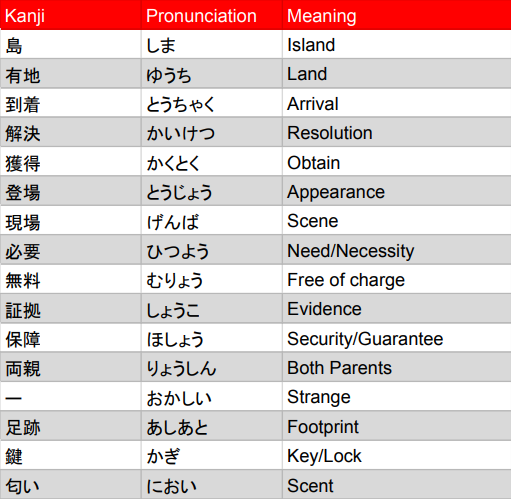
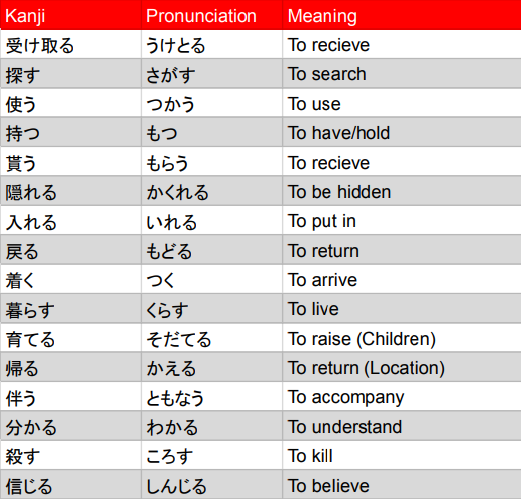
Usability – 9/10




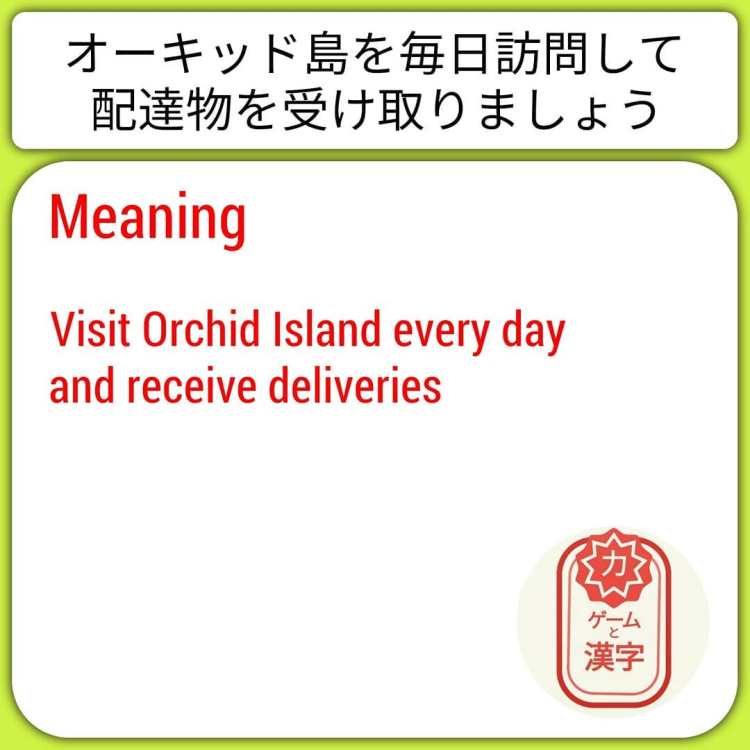
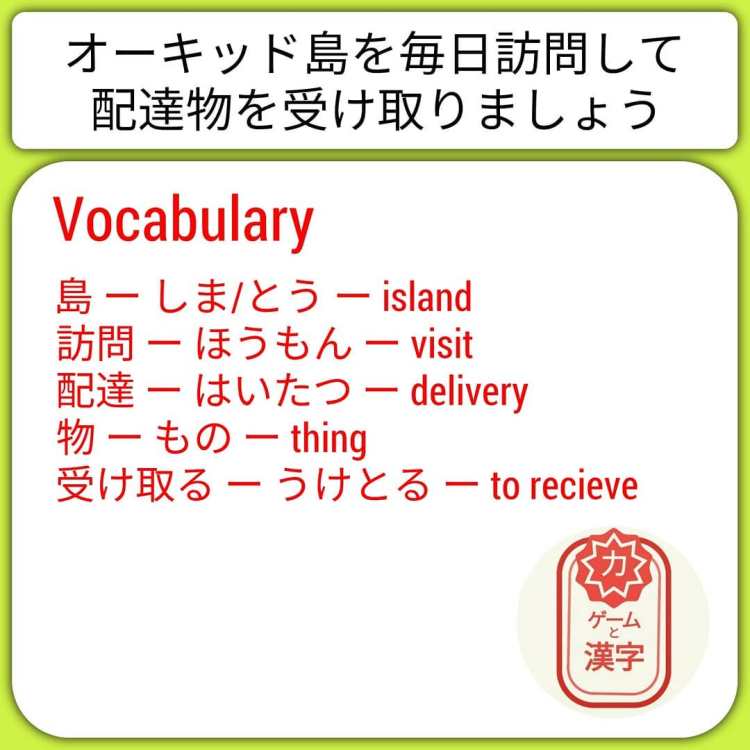
June’s Journey is predominantly a story based game and as such comes with dialogues both between levels and in the hub world. The conversations are textbox based and so they can be read at will for those who need more time to read. The UI and font are easy on the eye and at no point did I get bored of the conversation. As the premise of the story is about solving mysteries it’s quite easy to get engrossed, further enticing you to read and understand more. The beauty of the game is that, should your patience be wearing thin during the heavier reading sections, you can move on to the more relaxed and slow gameplay sections. For these parts you need to learn the vocabulary for the items you’re looking for and tap them within a crime scene or plot point. I found that the game strengthened my ability to find items through related words and kanji radicals, much like the story, it takes a little bit more deduction to work out what’s what and where to find it.

The vocabulary in June’s Journey more elegant and intricate than most mobile games. Due to the era and the location you can expect to find some fancier items you may not typically see around the home. This is a double edged sword as most of the vocab is focused around clues, murder and investigating which is an interesting topic but may be rarely used for some learners. The upside to this is that by repeating scenes you can quickly build a familiarity with even the most abstract words and you have a visual clue to tie the word to your long term memory. This means you can follow the usual learning pattern of seeing, recognising, reading and memorizing. I will most likely continue to play June’s journey, both because it is a fantastic game for learning and reading and because I want to avoid the wrath of my mother!
Challenges and Methods – 6/10

Mastering each scene
Each level can be played multiple times before it is mastered, each time you earn a star you get extra rewards, however I find the benefit to doing this is that you can practice finding certain items multiple times. As stated above the vocabulary in the gameplay sections can be a bit unusual and often won’t be found in regular speech but as you find them again and again you can build your vocab and understanding. This method is so effective that I would actually recommend completing levels repeatedly after mastering them (using the highscores as an incentive if needed). There are also occasions where you have to practice your “out of context” searching. You may have words show up that aren’t shown in kanji and therefore can be misinterpreted to a few options, or have words that are clear but can be multiple things (bat… baseball bat, the animal) I did play through a level and spent far too long looking for a spade only to realise they meant the symbol for the suit spades from a deck of playing cards!


Previous posts




 Games & Kanji