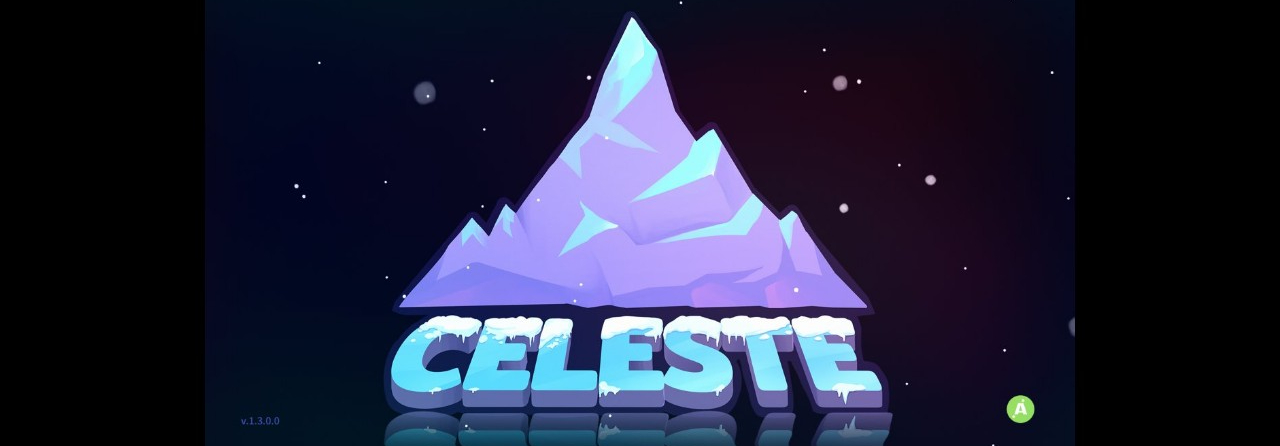
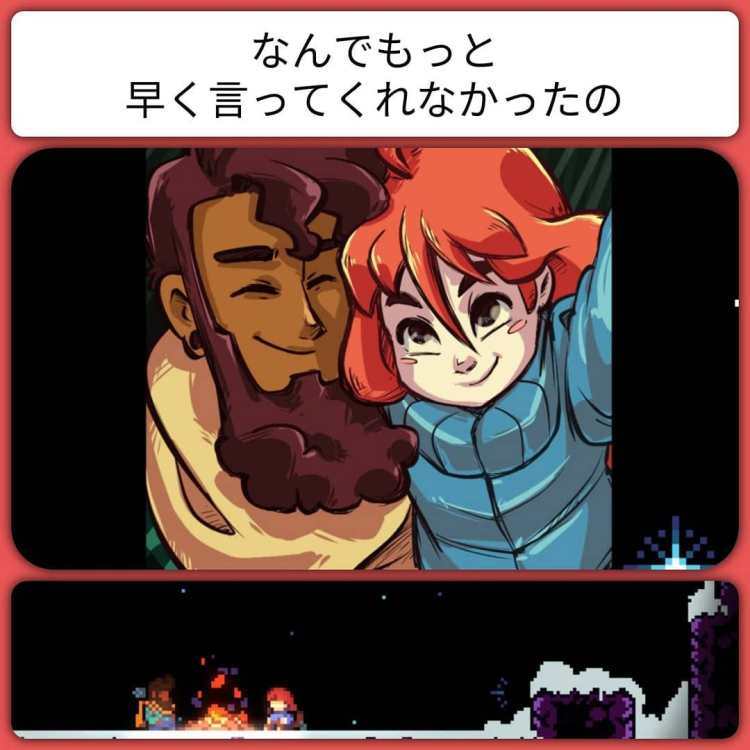
There are few games out there as simultaneously charming and infuriating as Celeste. The way that beautiful pixel art animation is interlaced with vibrant illustrated character portraits and details makes the game look incredibly well polished. The gameplay is simple and forgiving and yet it takes near mastery in order to overcome the twists and turns later on in the story. I normally pick up and drop games frequently in order to bring variety to how I play and ensure I am study-gaming effectively but with Celeste I was hooked. Compare this to the metaphorical mountain climb of languages if you will.
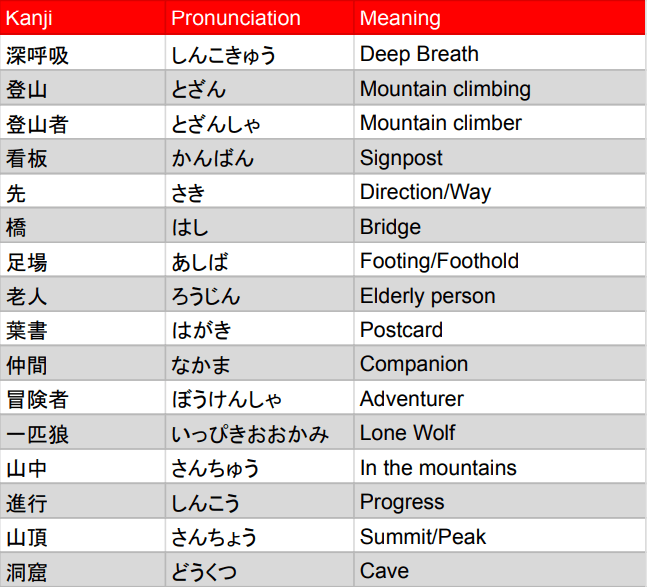
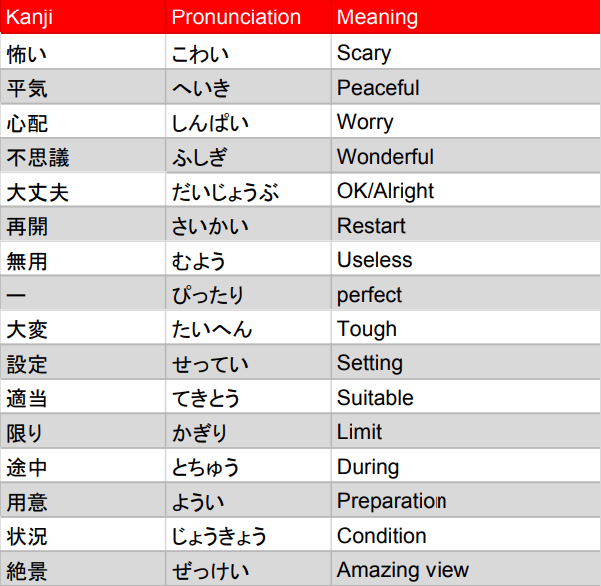
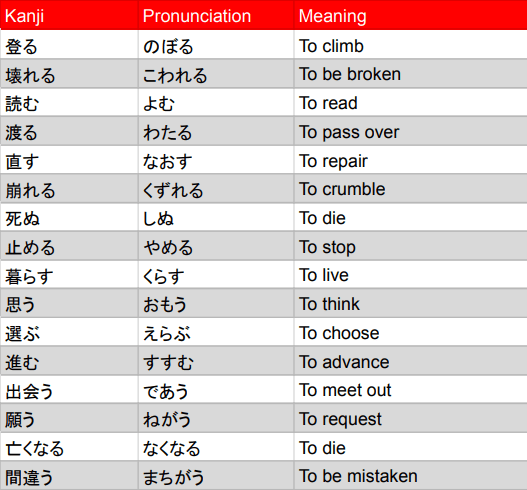
Glossary
Usability – 6/10
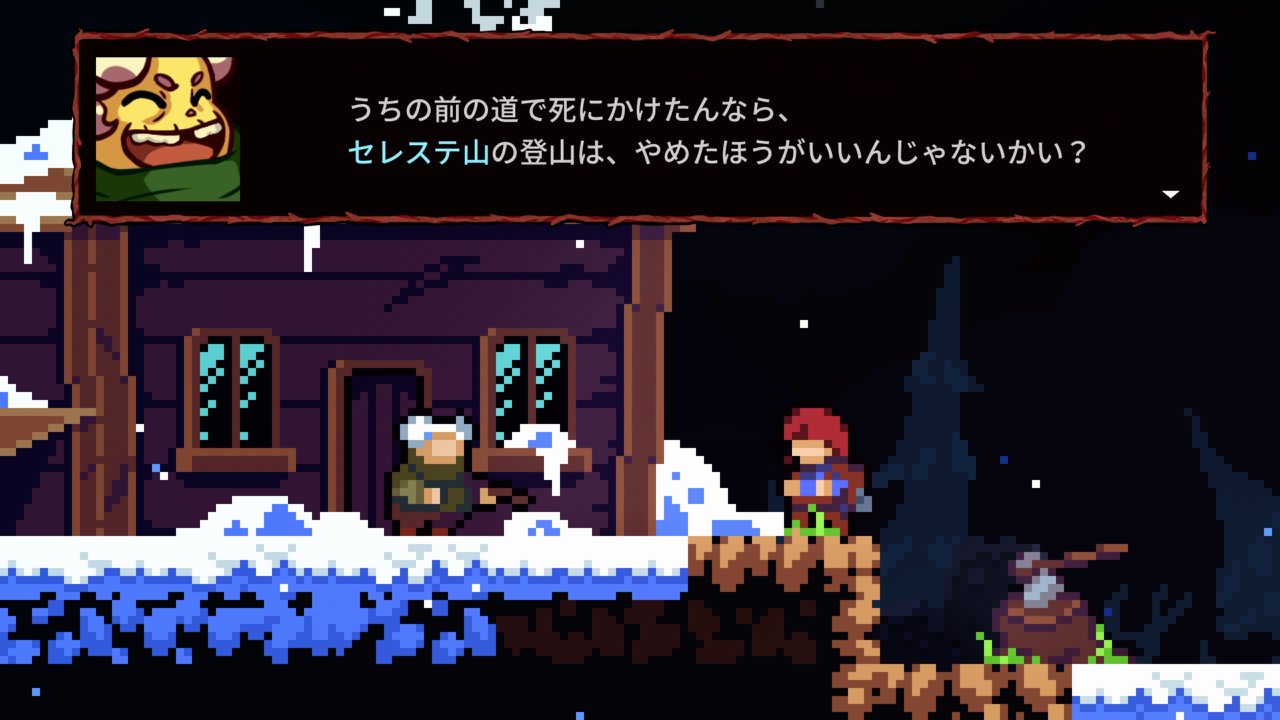
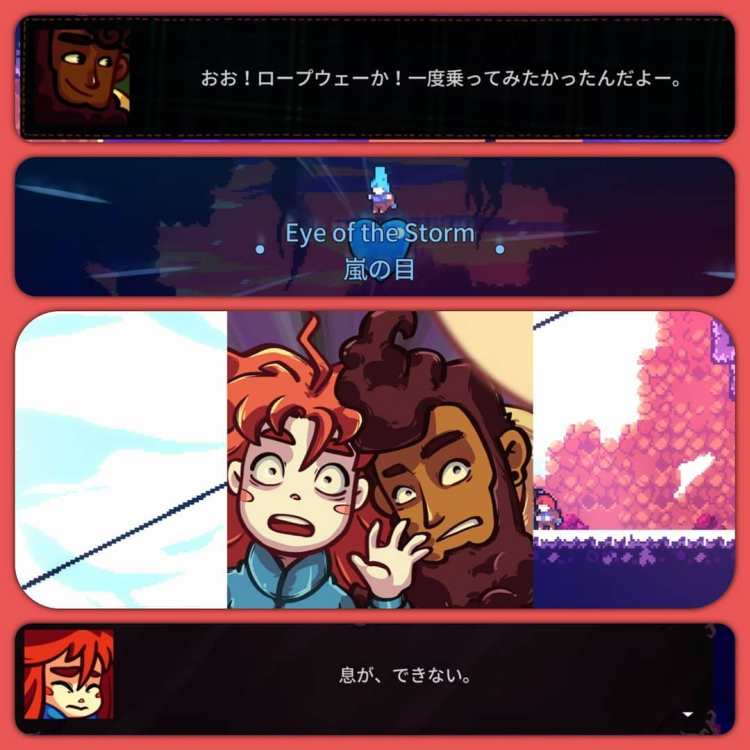
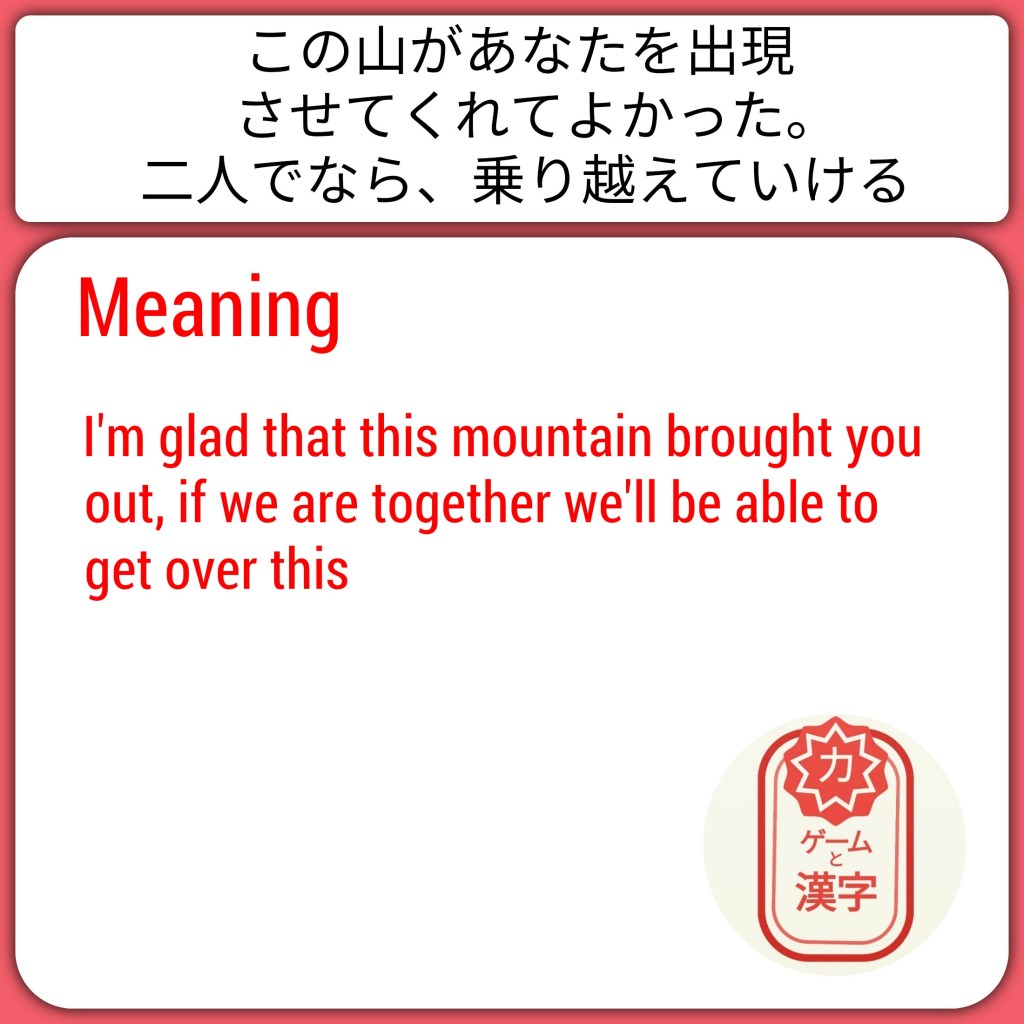
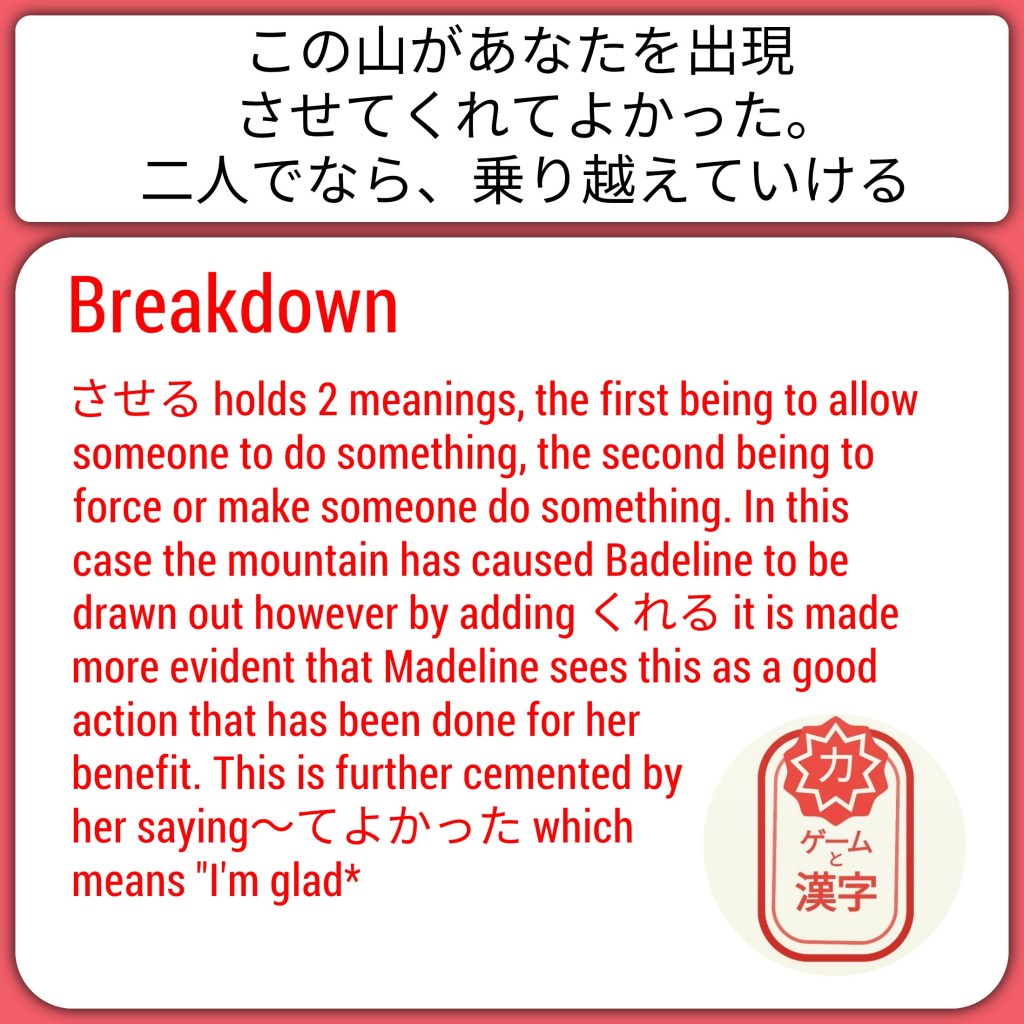
On the surface Celeste may look like your usual 8-bit puzzle platformer but if you’ve heard of it beforehand you probably know that you’re in for something special. The reason this game is as good as it is comes down to the struggle and the story. From the beginning you can tell that Madeline is a character with purpose, even when others advise her against going up Mount Celeste she pushes on and this is echoed fully in the gameplay. Segments such as the golden ridge have you literally forcing your way through powerful winds, hammering home the fact that both you and Madeline are going to make it to the top.

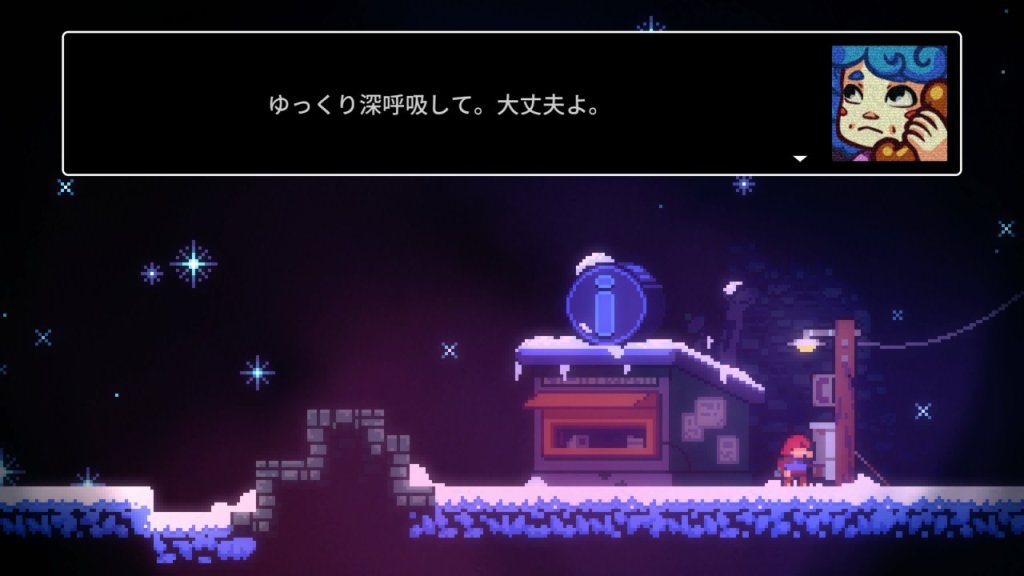
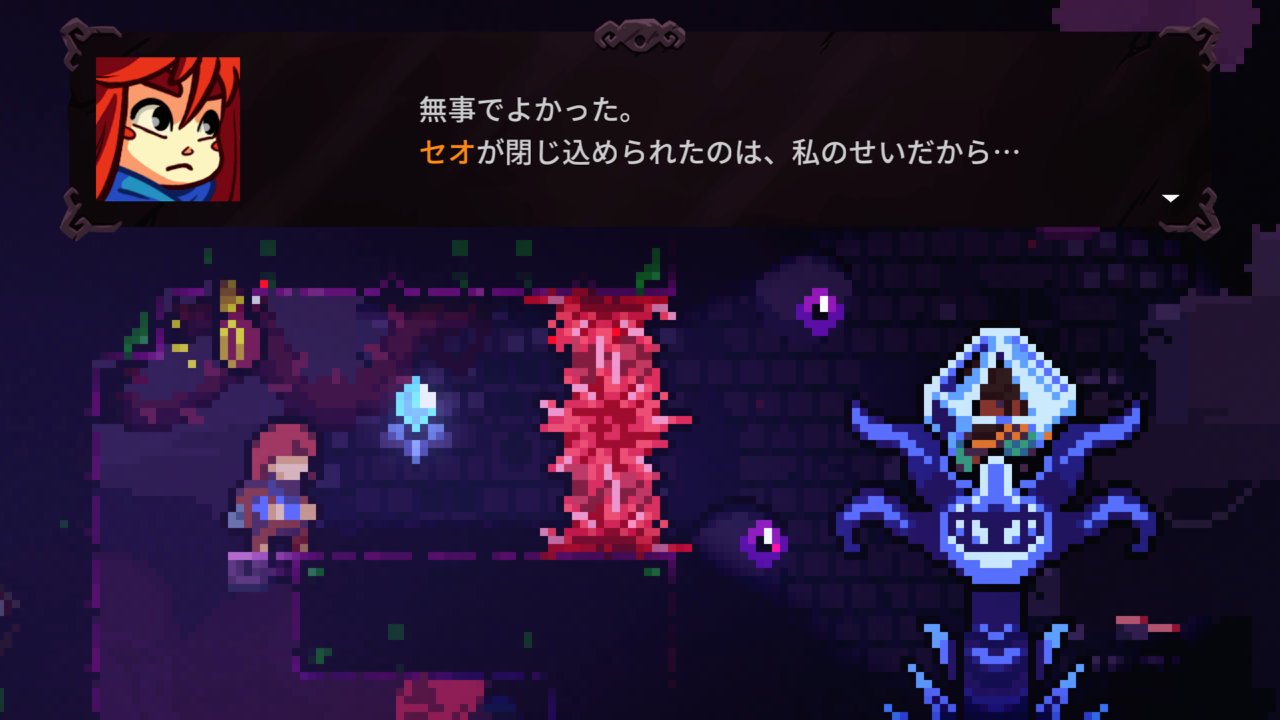
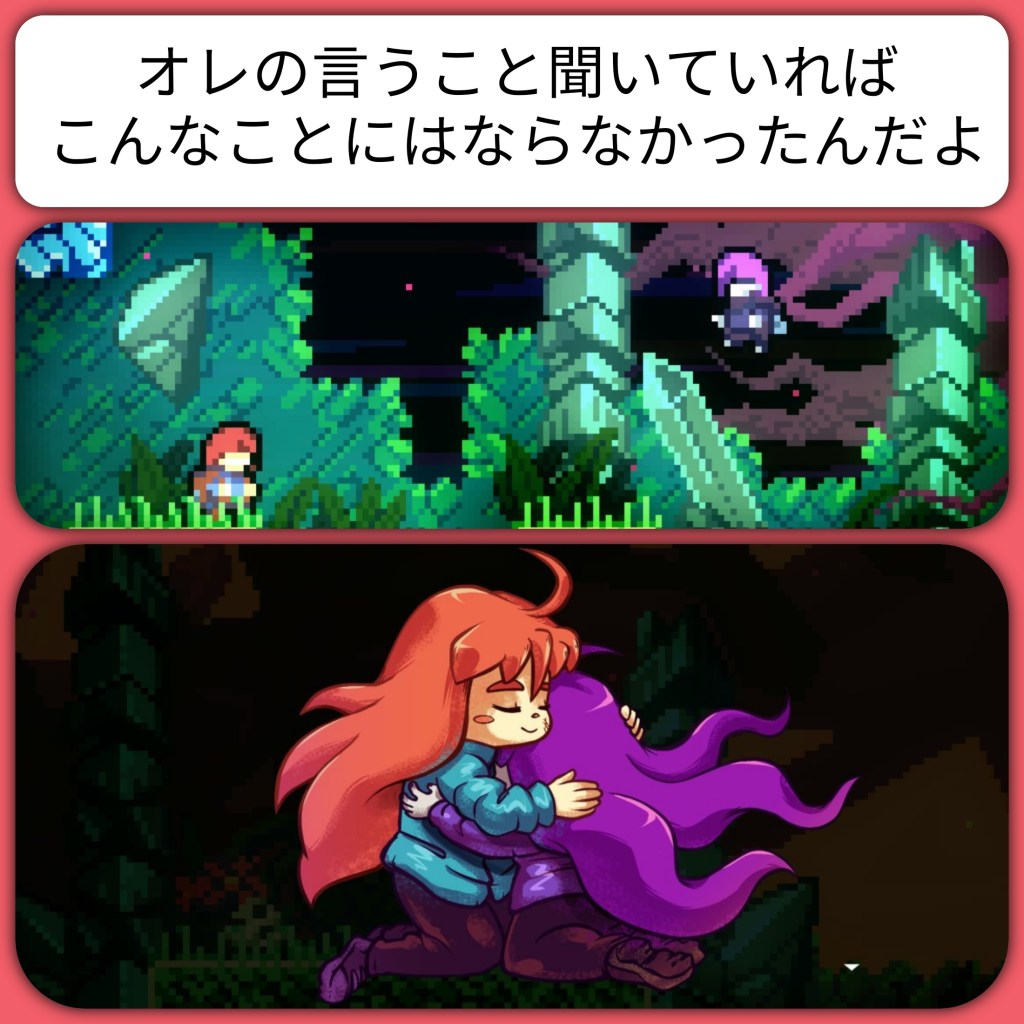
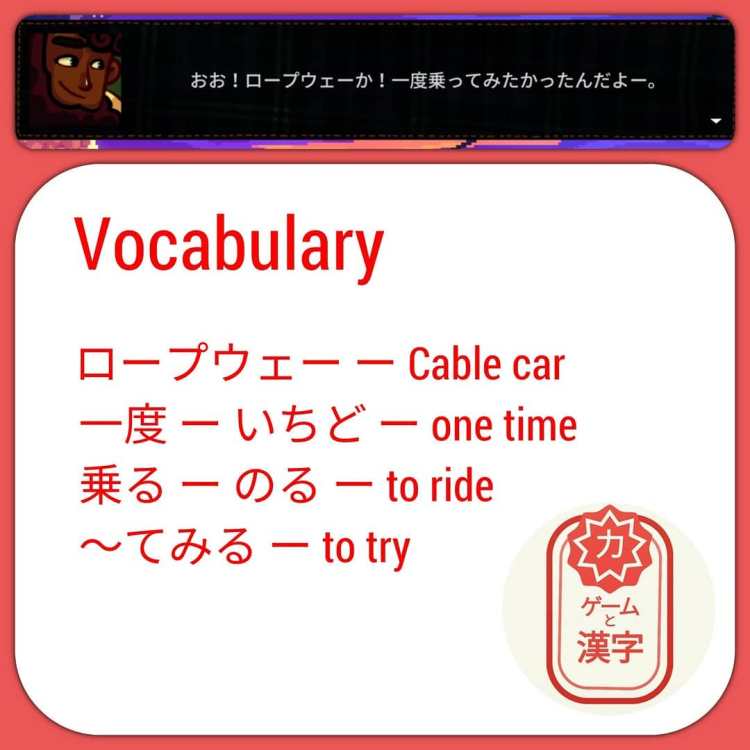
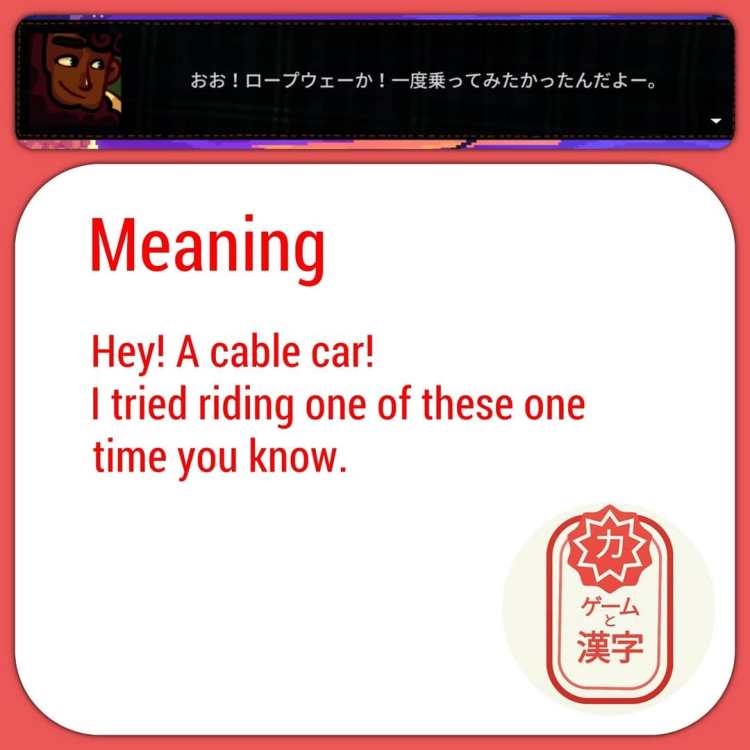
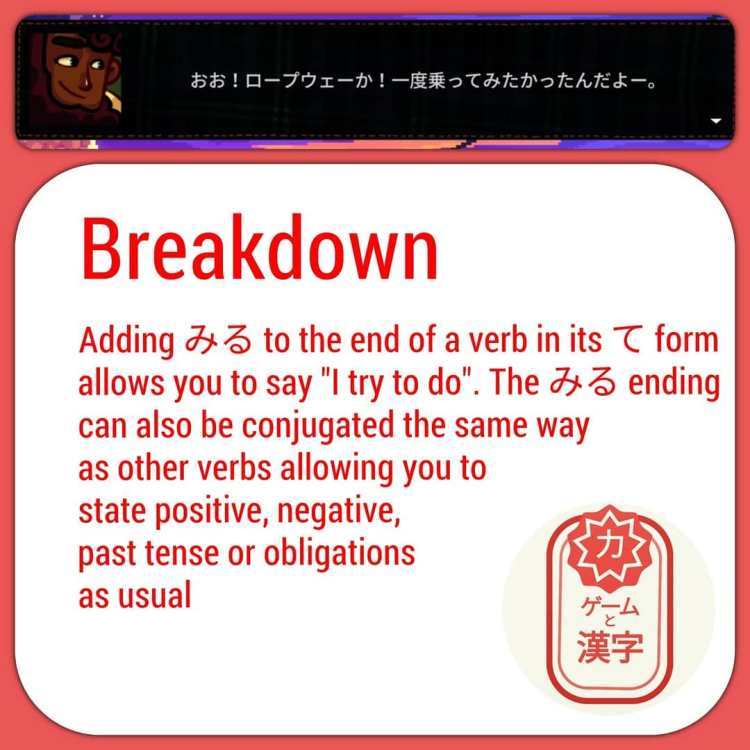
The language in Celeste is put forwarded in only 3 ways, dialogue between the characters on screen, written documents in game like diaries and postcards, and the menus and UI. However, you can tell that a lot of love has gone into the presentation of the wording, both for the English original and the Japanese translation. The fonts and legibility are top tier with additional attention to detail such as highlighted words, animated lettering and changes to the size and spacing at eventful moments, this really brings your focus to the dialogue without any need for recorded audio (if anything the little speech mumbling add even more charm). The characters themselves are so engaging, they have clear motives and personalities as well as different manners of speaking. Theo/セオ has a more modern style while referring to his InstaPix, Mr Oshiro/オオシロさん speaks in a very polite, customer service-esque way and Badeline/バドリん is just straight up rude.
Before each chapter and at certain points throughout you can find more word heavy documents as well as regular postcards from your mother. These are well worth stopping to read as the vocabulary is useful throughout the story and the tidbits of information fill in blanks surrounding the premise. A lot of the words relate to climbing, fatigue and collecting items which can be useful from start to finish, as well as for other applications. For instance, the Hotel Celeste chapter throws in a lot of management and tidying lingo that may be useful the next time you’re in a hotel… in Japan… that’s haunted.
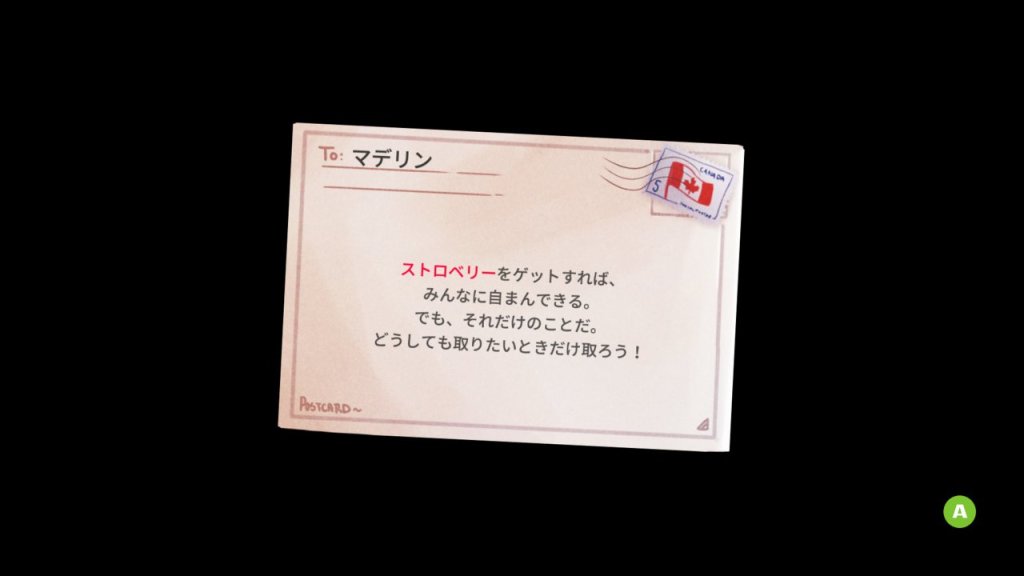
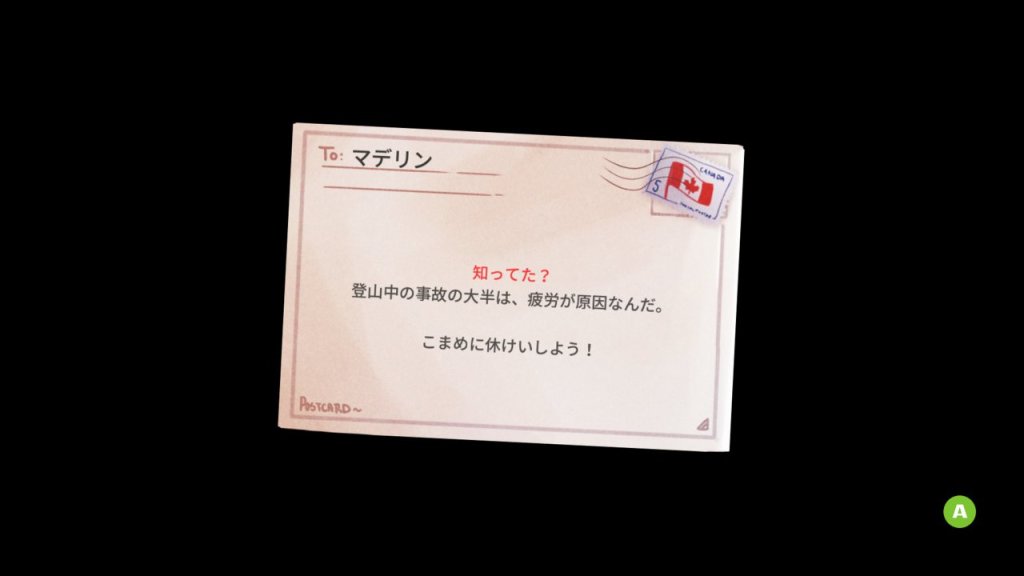
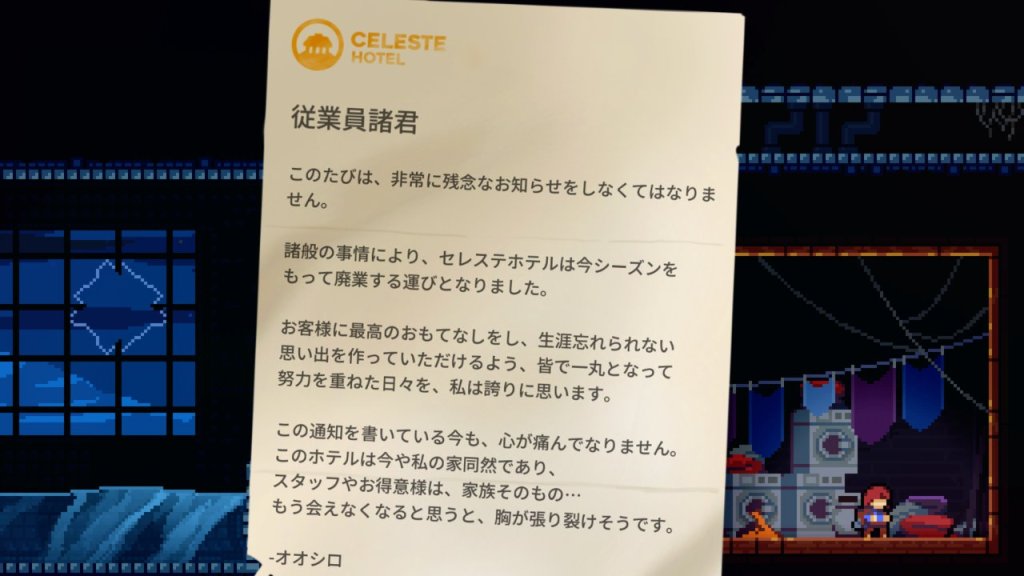
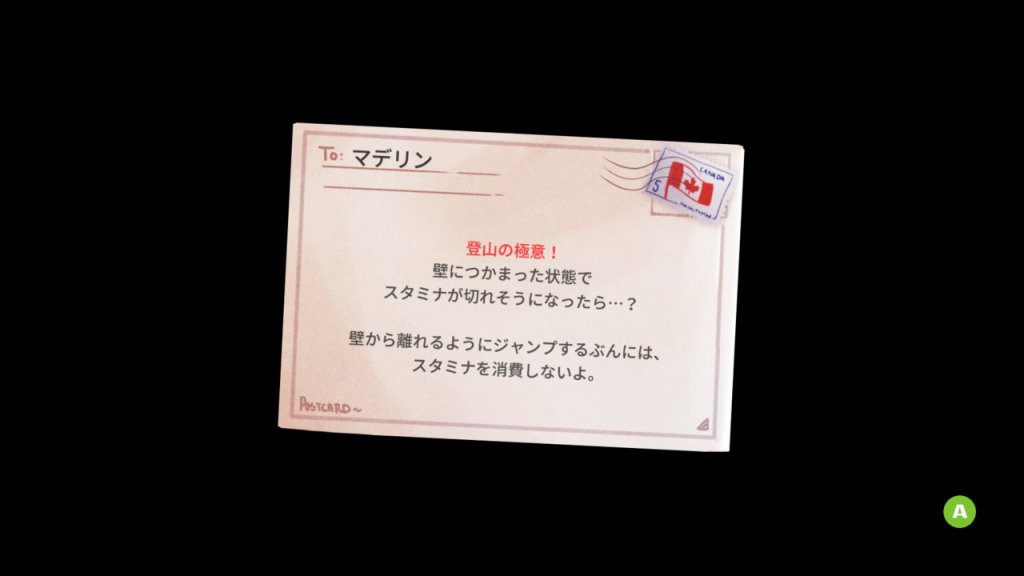
The language in Celeste is very much a case of quality over quantity. I absolutely love the game but in terms of using it as a language learning tool I feel that the segments between dialogue can be long winded and often show no words at all. This does entirely depend on how quickly you can complete the chapters, which in my case wasn’t quick, but all the same you can be spending potentially up to an hour with no real studying going on. I can’t in good conscience recommend that you complete Celeste if you’re intention is to study as I spent the later parts of my playthrough in a silent rage just to read the last parts of the story. Luckily the game does come with an assist mode if you really want to enjoy the story without the struggle. Personally I was just to stubborn to used it but this was at my own detriment.

Challenges and Method – 5/10
Really invest in the story
Although the language content of Celeste isn’t as evenly spread as with other games, this can be a blessing too, not just a curse. Once dialogue comes along, really make an effort to read and understand the premise, even if it takes looking up every word. As reading material is few and far between you can take confidence in the fact you won’t have to trawl through pages of dialogue and it means you will be rewarded with a gripping and satisfying story.
With this being the case I wouldn’t recommend Celeste if you are looking for a new game intended to help you study but I would whole heartedly recommend playing through it at least once. If you do happen to play it in Japanese it will just be more supplement to your language learning anyway which is a win-win.
Platforms and Language – 8/10
Celeste is available on PS4, Xbox One, Switch and Steam for roughly £20 depending on sales but it also available on the Xbox Game pass currently, the language can be set straight from the settings menu on the home screen

Previous posts



 Games & Kanji