
I owe a lot of my game experience and history from childhood to my older brother. From the age I could hold a controller both him and I would play any and all titles we could together and both metaphorically and literally, in the case of Mario games, I was always Luigi. Luigi to me has always represented all the little brothers out there, the player 2’s of life, and with me being taller and skinnier than my brother it helped me resonate with him even more. Luigi’s mansion was one of the games of my youth that broke the mould and exuded character and it is a pleasure to be able to experience it again with a new lick of paint and a touch of Japanese.

Glossary
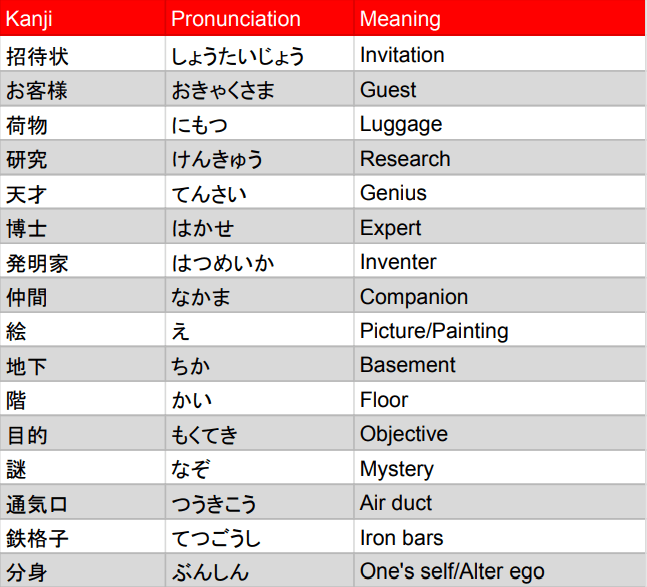
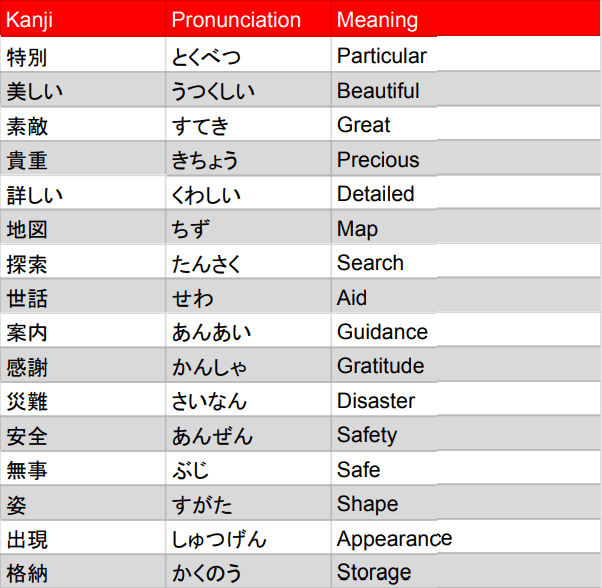
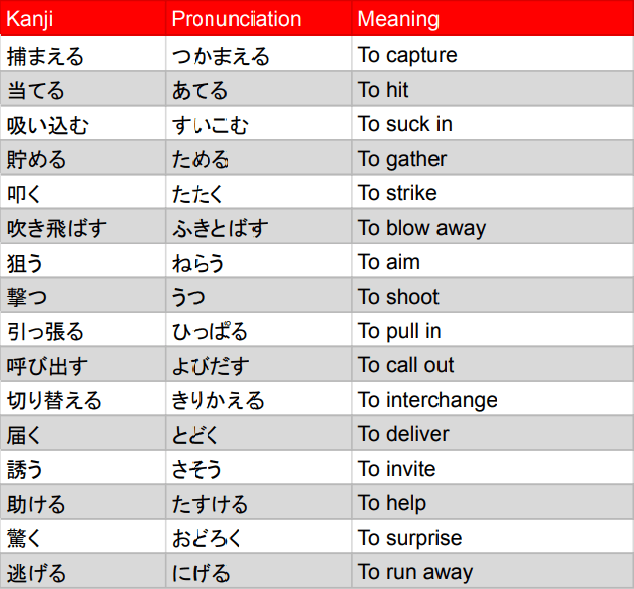
Usability 7/10
Luigi’s mansion is a relatively short game, the story as a whole can be completed 100% in roughly 10-14 hours depending on your skill level and whether or not you use a guide for all the collectables. As with most mainline Nintendo games the meat of the content is the story, although that’s not to say there’s no additional modes here, just that they don’t add much in the way of educational substance. The story is fast paced with 15 floors in total, minimal back tracking and frequent interaction between you, Egad and the ghost and ghouls of the Hotel.
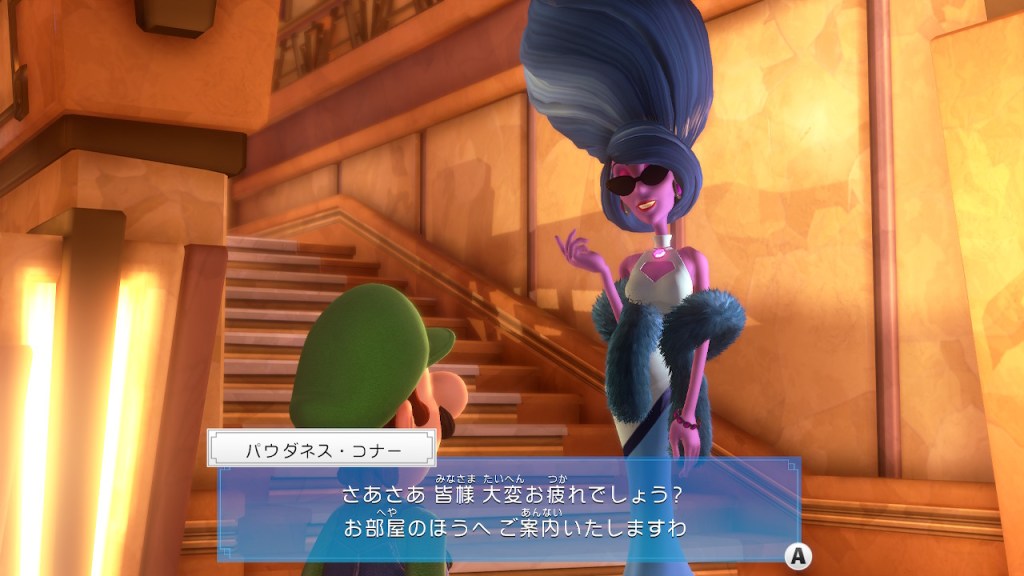
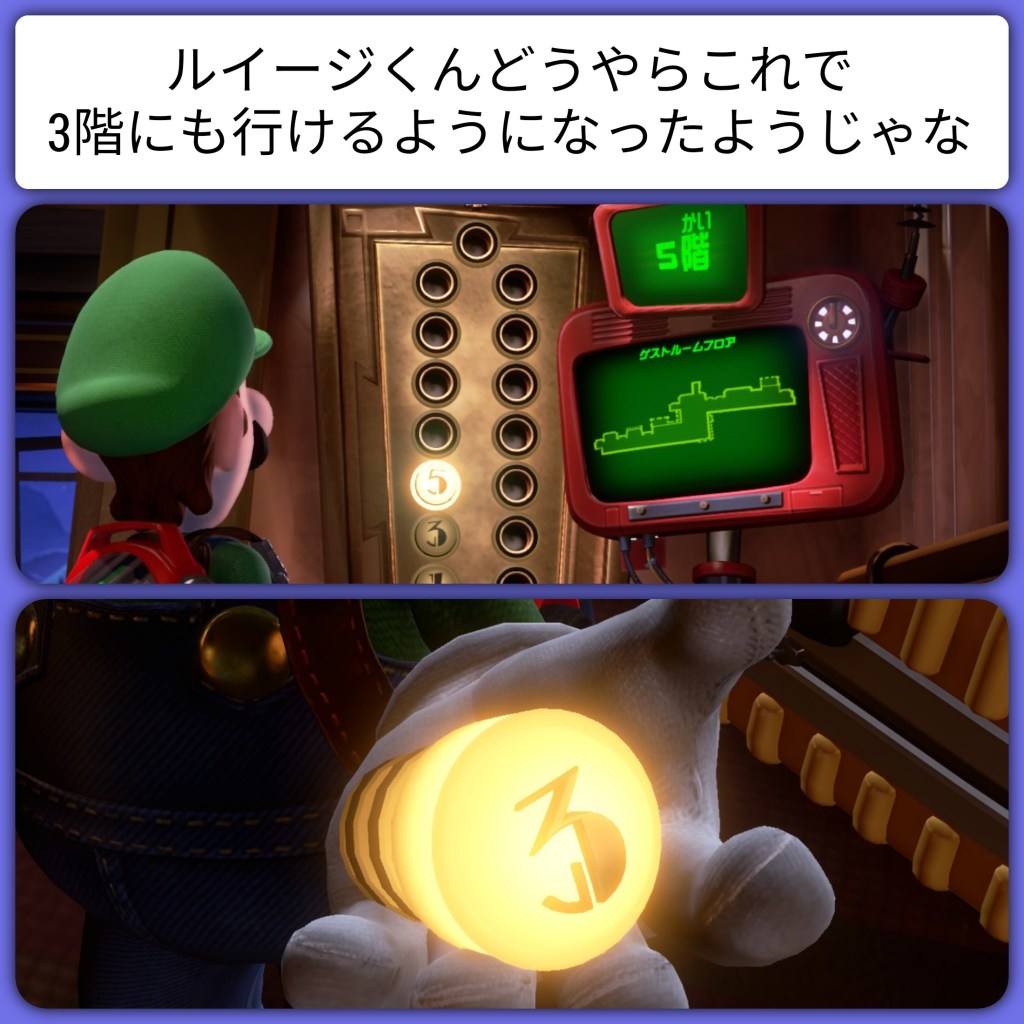
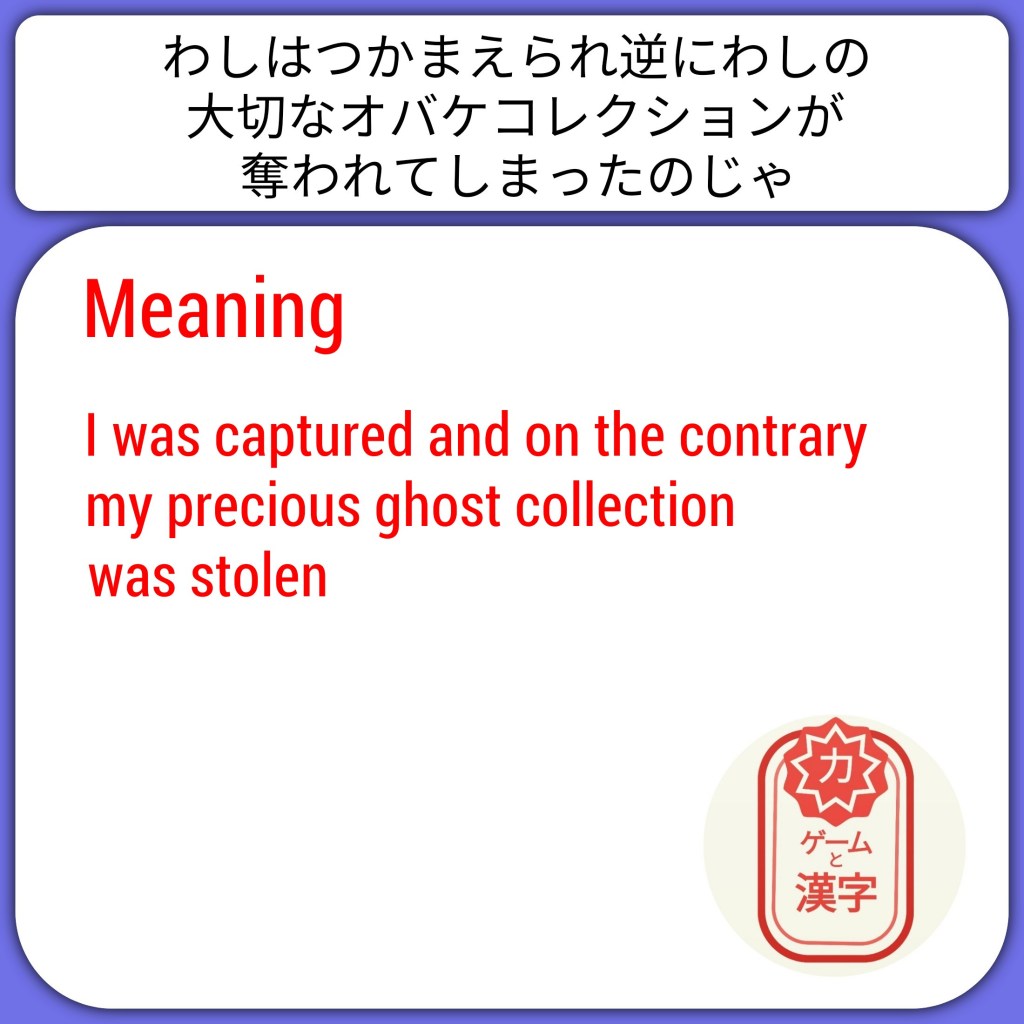
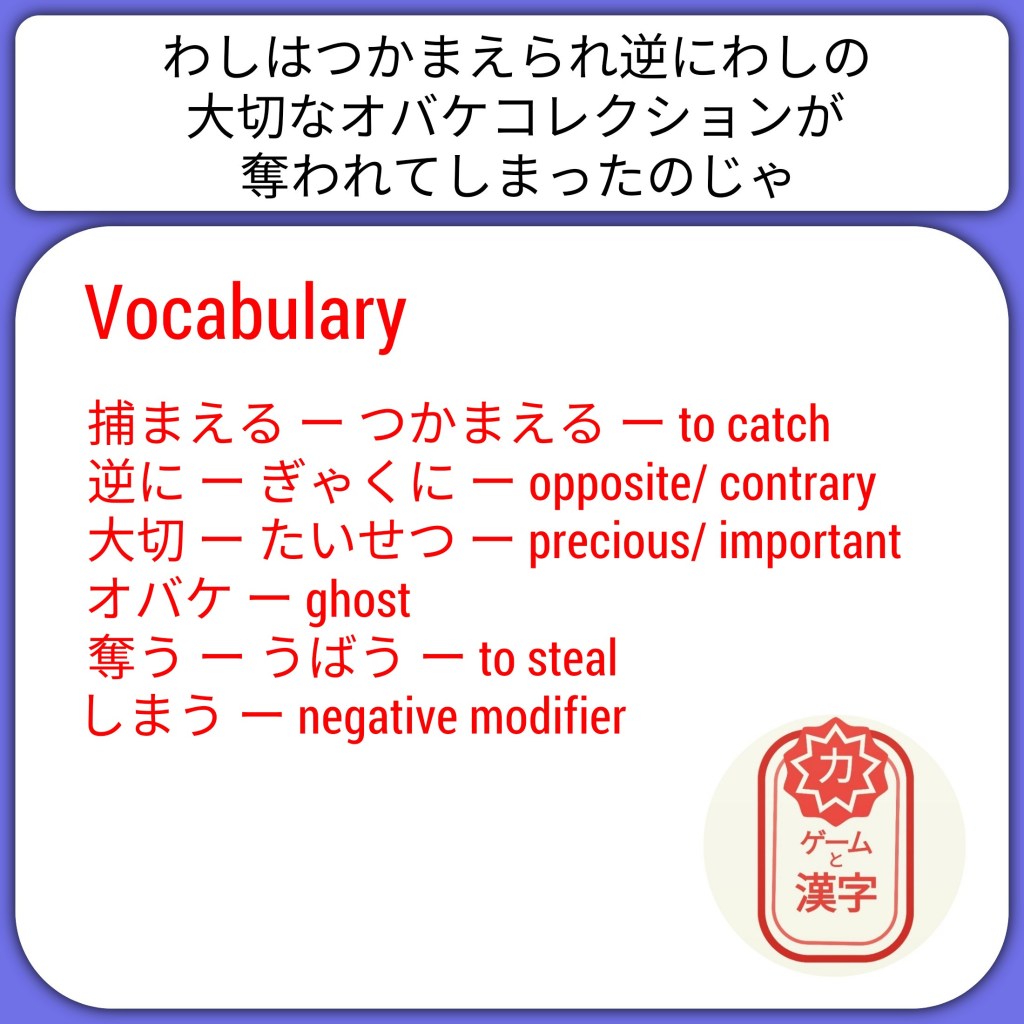
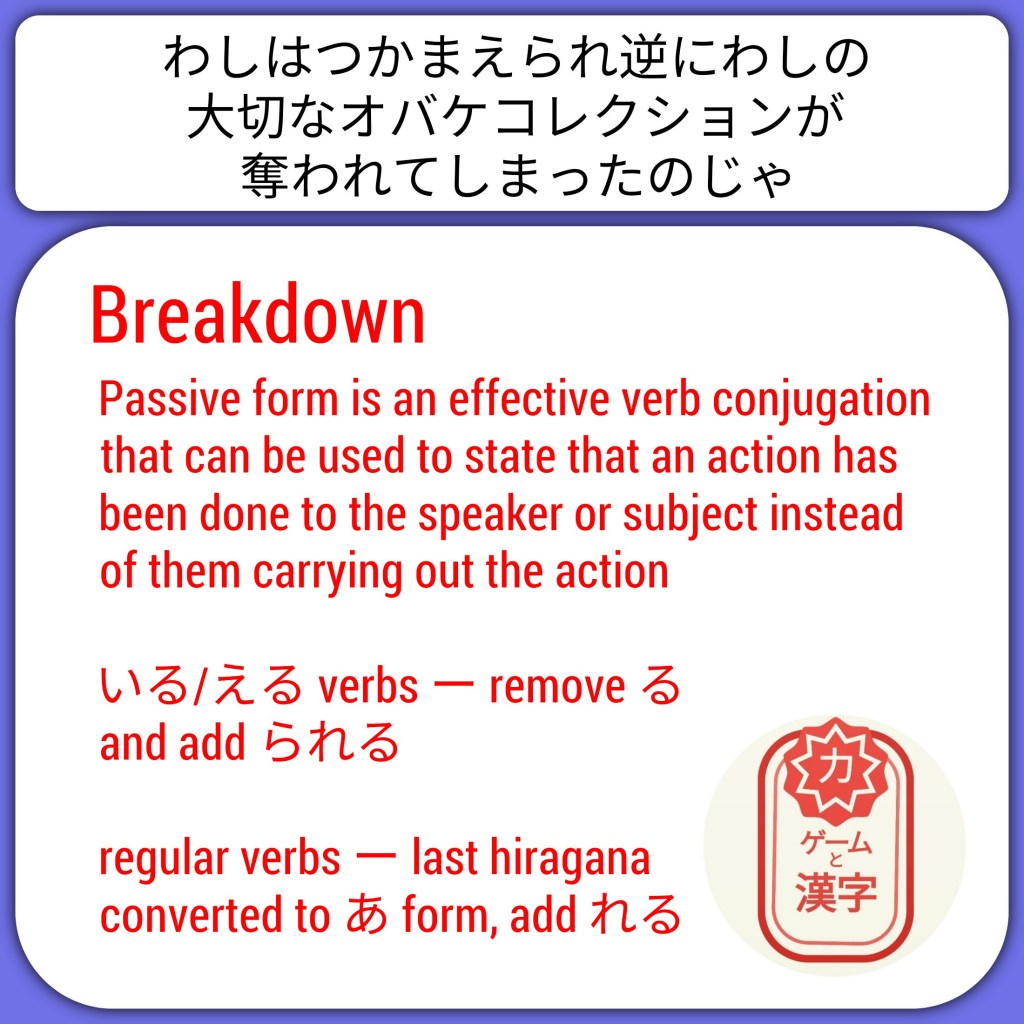
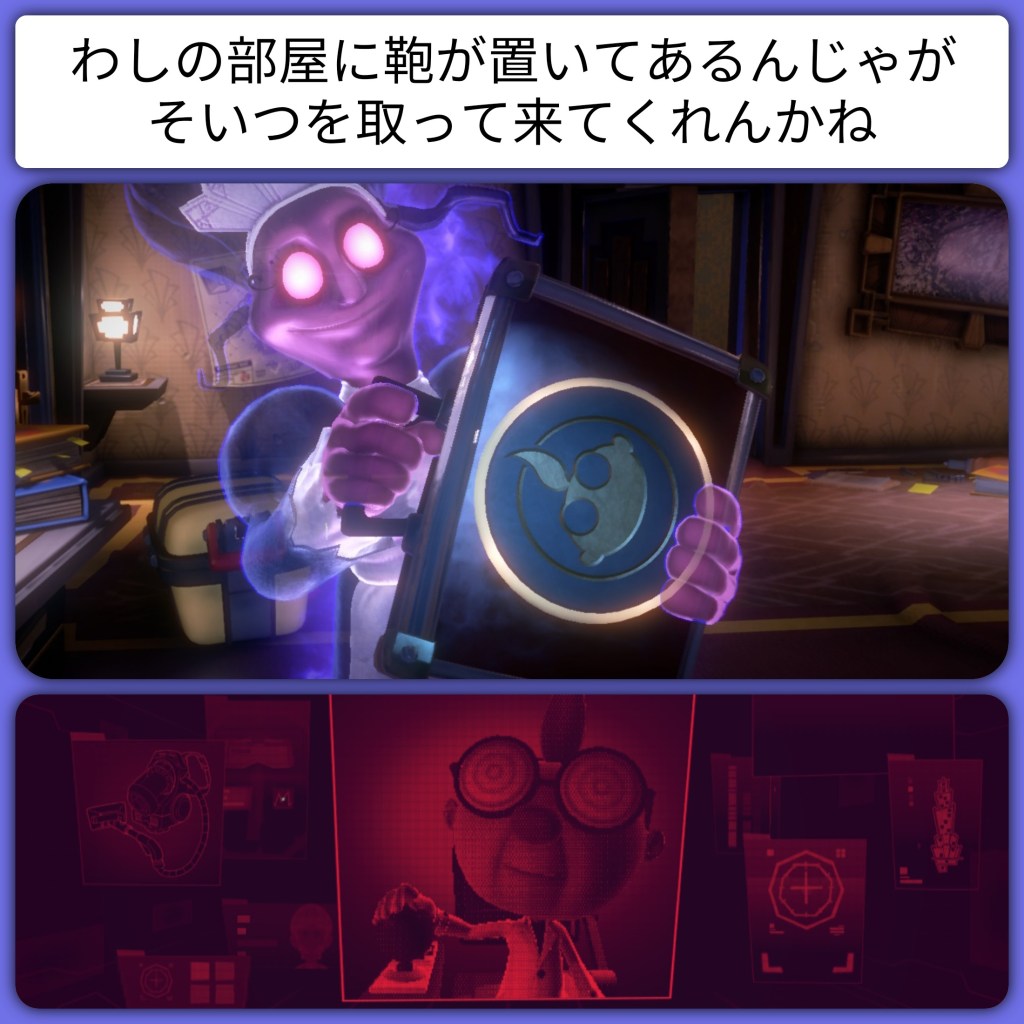
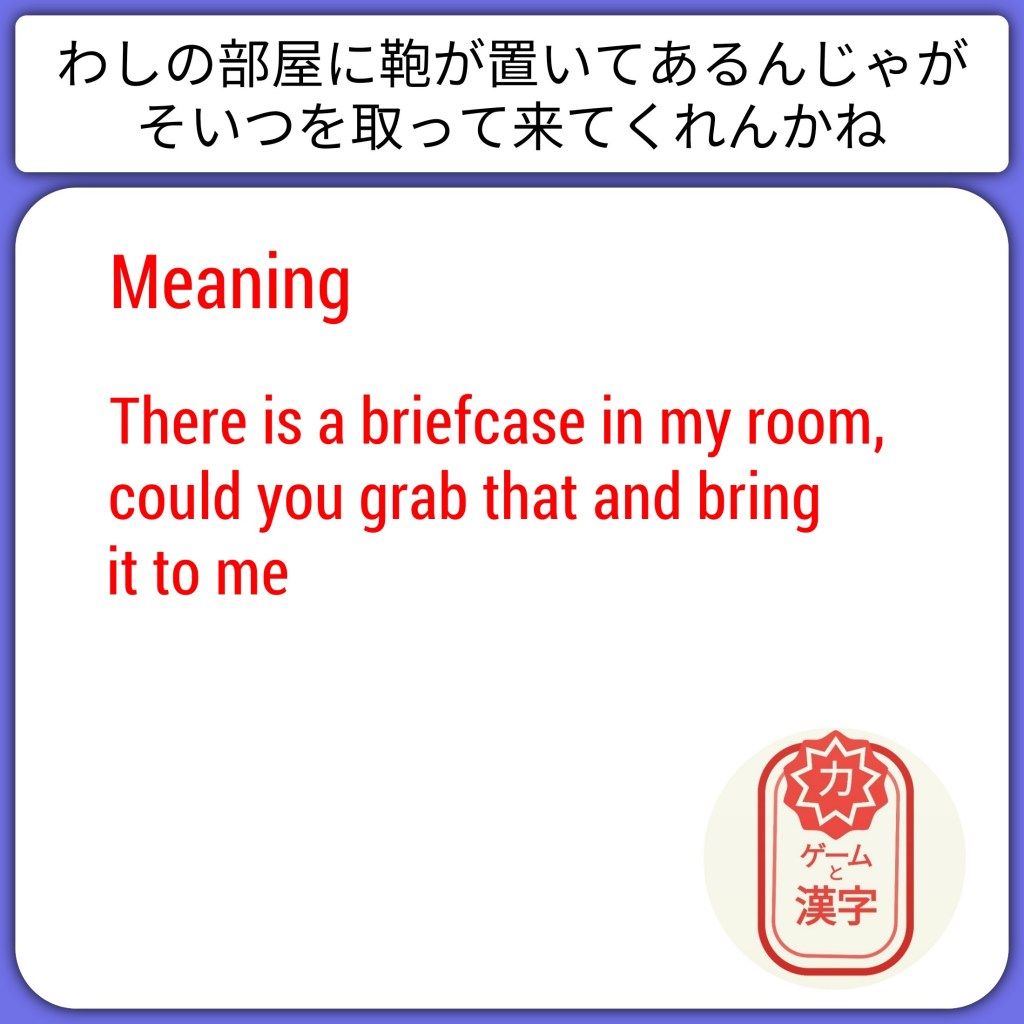
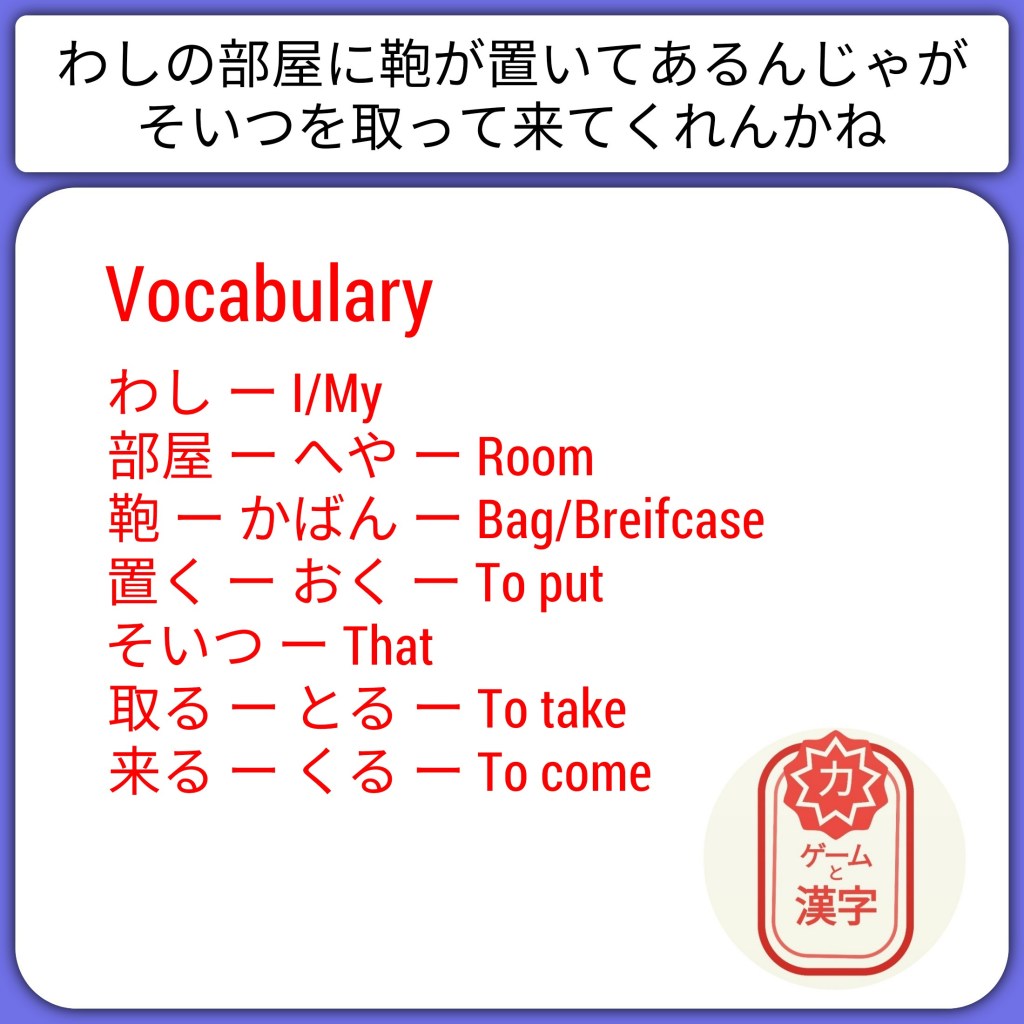
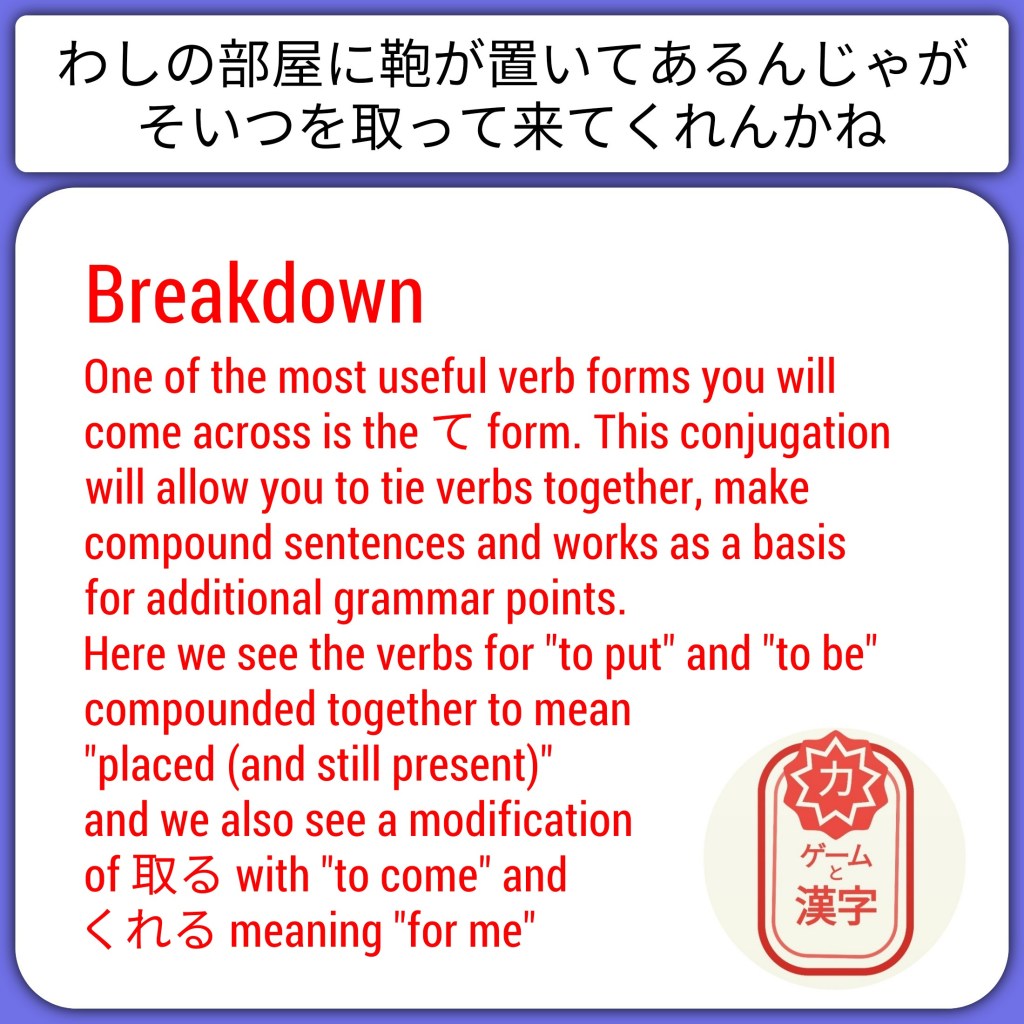
The conversational dialogue comes in short text boxes and uses a combination of furigana and beginner to intermediate language making it easy to follow and, should you need a dictionary, easy to search for new words with the readings being ever present. Most interactions will discuss your direct objective or the oddly unique (and pretty much impossibly designed) floors throughout. This allows you to understand the context of the dialogue using visual clues further strengthening your understanding. Although the game has no voice acting each characters way of speaking is diverse and distinguishable by the level of politeness and sentence enders. Egad in particular carries the typical old man twang using じゃ and かいね sentences enders on most of his dialogue.
Due to the simplicity of the puzzles, for the most part, you will find that times where language is absent are few and far between. Typically you’ll get a bit of instructions for how to clear the floor, a bit of a congratulations and an added call to action for where you have to go next. Aside from this you can also find a smaller hive of reading material in Egad’s laboratory. Here you can review the “How to play” section, character bio’s as well as your usual options and UI. The “How to play” section in particular is short and simple with only a few tabs but it it’s a good supplement alongside Egad’s early tutorial sections in order to cement the vocab you will hear throughout.
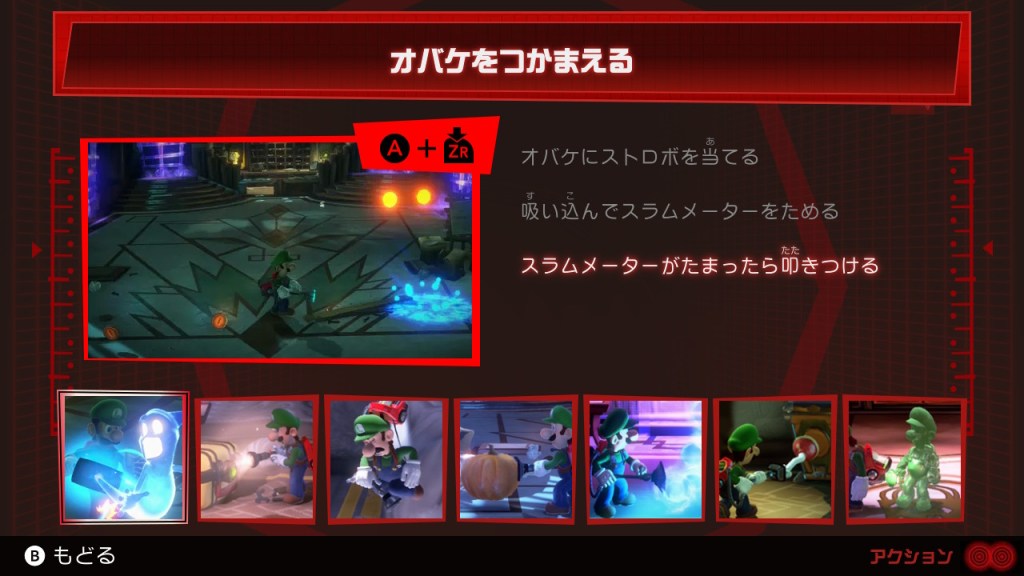
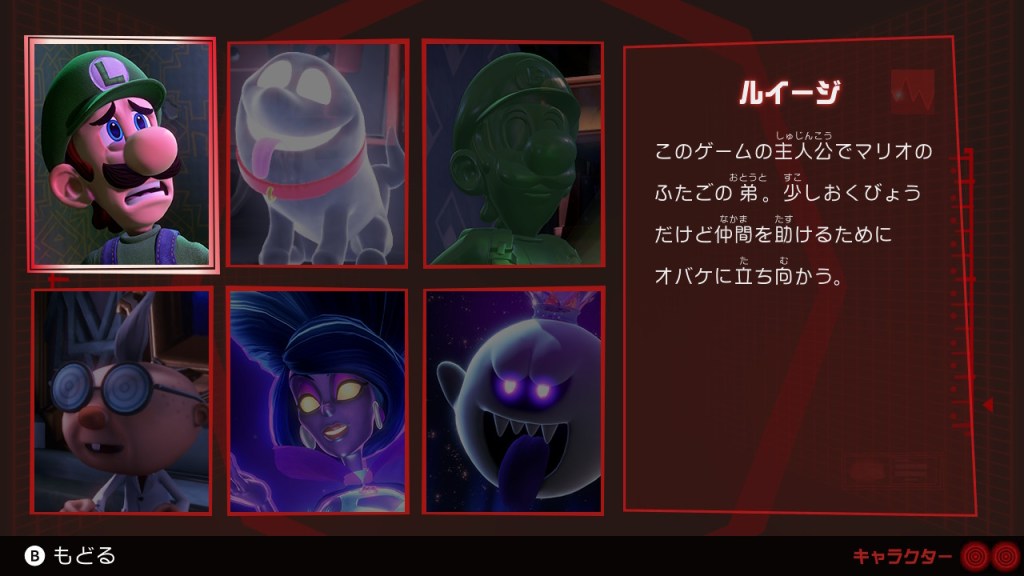
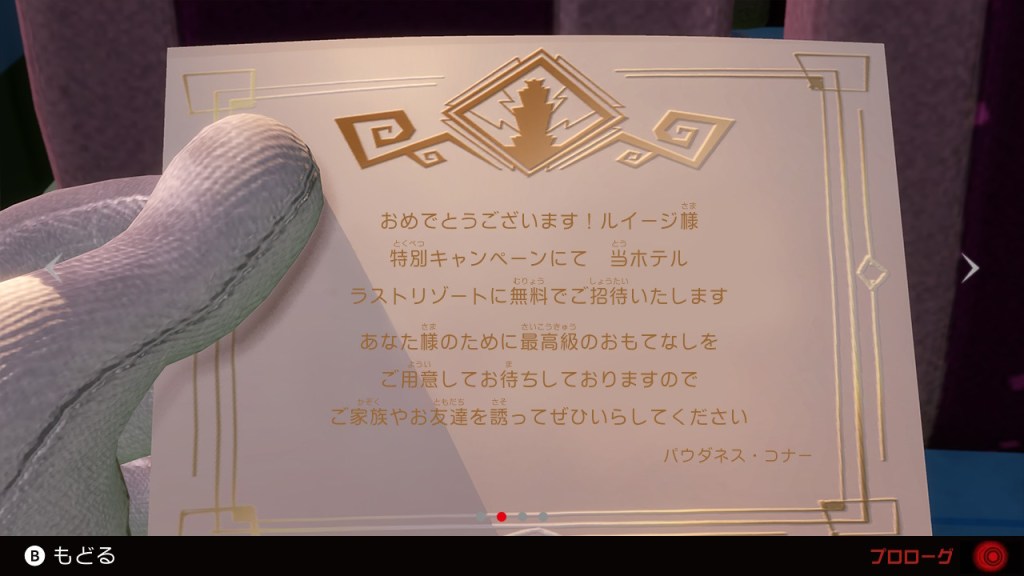
The overall strength of the game is its casual nature, you don’t have to spend to much mental effort in order to get from A to B which allows you to focus on the written segments and get short bursts of gameplay to keep you invested. One criticism I would have is that the font is a little harder to read than your standard font. It can be overcome as you get used to it but especially for some more intricate kanji it can cause a bit more of a hinderance. I definitely feel like that this game is a worthy addition to anyone’s collection due in part to the fantastic gameplay and story but even more so to Japanese learners.
Challenges and Method – 7/10
Collecting all Gems and Boos
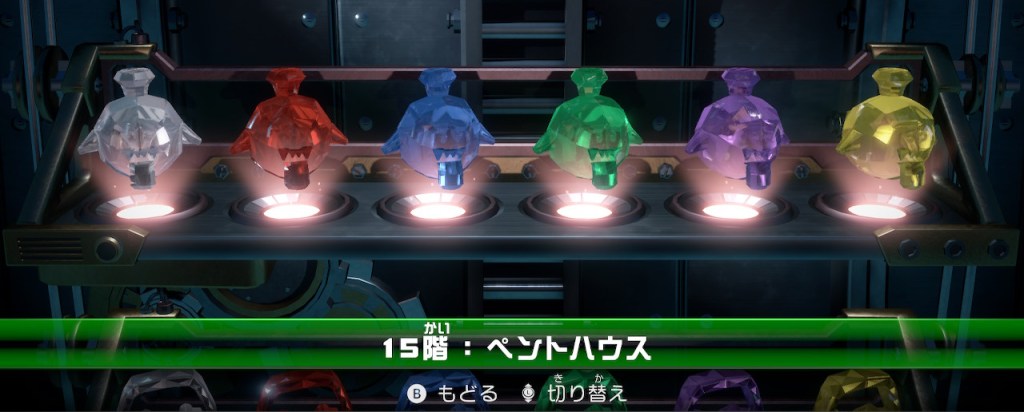
Collecting all of the collectibles in Luigi’s Mansion isn’t a very word heavy task in itself but when playing through with my partner there were occasions where we were both stumped as to how to get the gems especially when they looked so within reach. She opted to look at a regular guide online, as she doesn’t yet have the Japanese learning bug, but it gave me the idea to look for an effective guide written in Japanese to use alongside the game.
I’ve linked the guide we used as I feel this isn’t too heavy in regards the balance of text and picture. You can find it here: https://gamerch.com/luigismansion3/ . The guide can be used for each individual gem but it could even be useful to read each floor guide at any time. Try reading through the guide either prior to or after completing a floor and see if you can recognize the rooms and steps as you read.
Platform and Languages – 4/10
Luigi’s mansion is a Nintendo Switch exclusive and can be anywhere from £25 to £40 depending on sales and stores. The language can be easily set through the console settings from the Switch dashboard which if you haven’t done by this point I would highly recommend.

Previous Posts



 Games & Kanji