If someone were to ask me what my favourite game series was it would be a very quick answer. I started playing the monster hunter franchise from Monster Hunter Freedom on the PSP and it would be a worrying exercise to add up the total hours spent hunting. My first ever dive into Japanese gaming actually came with the Japanese exclusive console release of Monster Hunter Portable 3rd so the series truly has a special place in my heart. Monster Hunter World and its DLC, Iceborne, broke new ground for both new hunters and veterans alike. The areas were vast and connected, the gameplay was smooth and streamlined and the monsters looked better than they ever have in glorious HD.

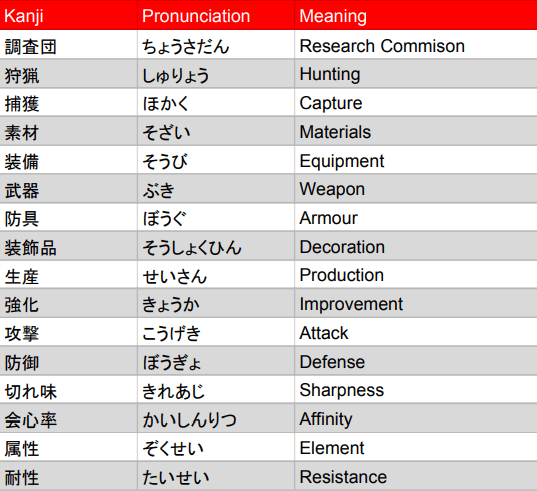
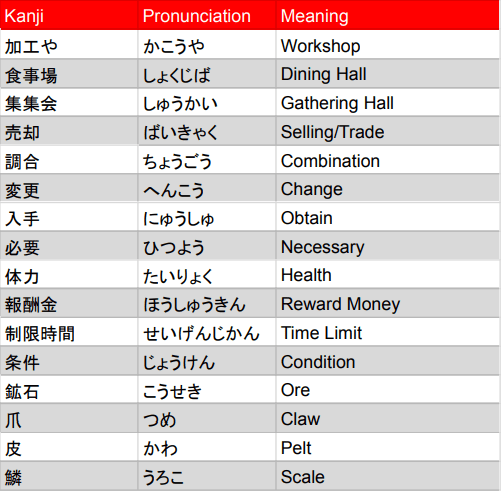
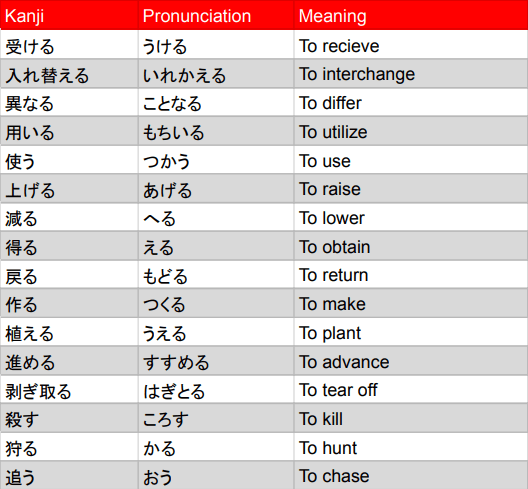
Glossary
Usability – 5/10
Monster Hunter is very much a numbers game. Each venture is focused on growing the number of resources you have in order to increase the numbers of your attack and defense for bigger and better bouts. Each quest requires a fine balance of your skills, the elements you choose, how many monsters you will hunt, what other objectives you may have and many more factors at your home base that require diligent management. As such the game is absolutely jam packed with language, both statistical and descriptive. There are very few moments in game where text won’t be visible on screen and in some cases the screen is almost all text. This comes with quite a few properties that may help or hinder your experience.
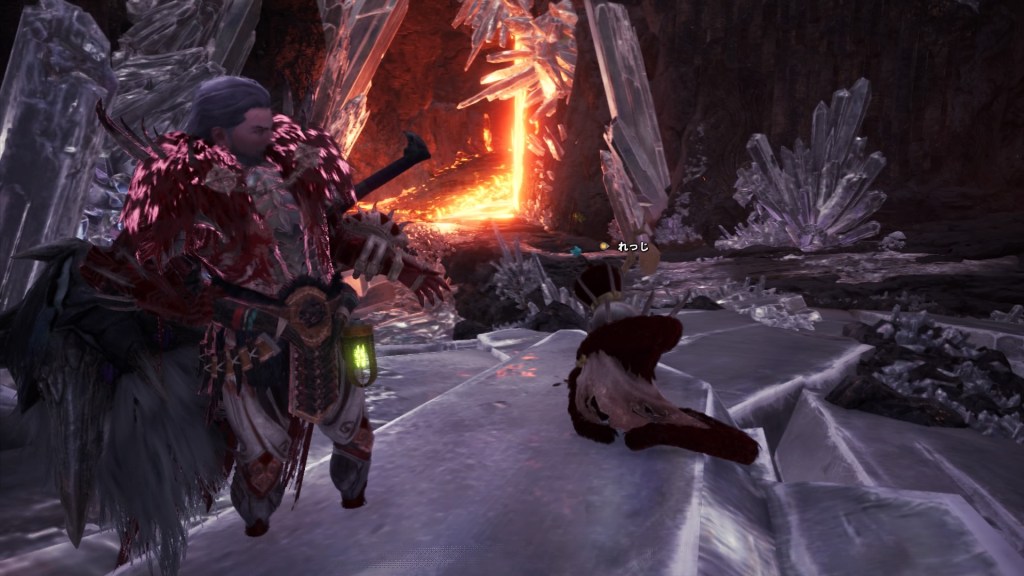
To start with, the game and its setting are not typical of day to day life. Unless you are manufacturing swords the size of motorcycles out of fantastical, mythological body parts on the regular I would wager that a lot of the vocabulary you will find here was new to you. There are plenty of usable words that I learnt through playing these games in Japanese and I have definitely improved my language through playing but it can be somewhat disheartening when all you can see are kanji you can’t even recognize. As a comparative between Monster Hunter Portable 3rd and World, the text size is significantly smaller and is coupled with more intricate and sometimes unclear kanji depending on font, the quantity of text both in general and per block has increased and the gameplay has doubled, if not tripled in speed. It is incredibly easy to get overwhelmed when you start playing and the length and preparation of the hunts can lead to you playing through muscle memory rather than following the language. It is still possible to use Monster Hunter World to study vocabulary and I wouldn’t say that the grammar is overly complicated to follow as most of the menus are brief descriptions of effects and skills but care should be taken.
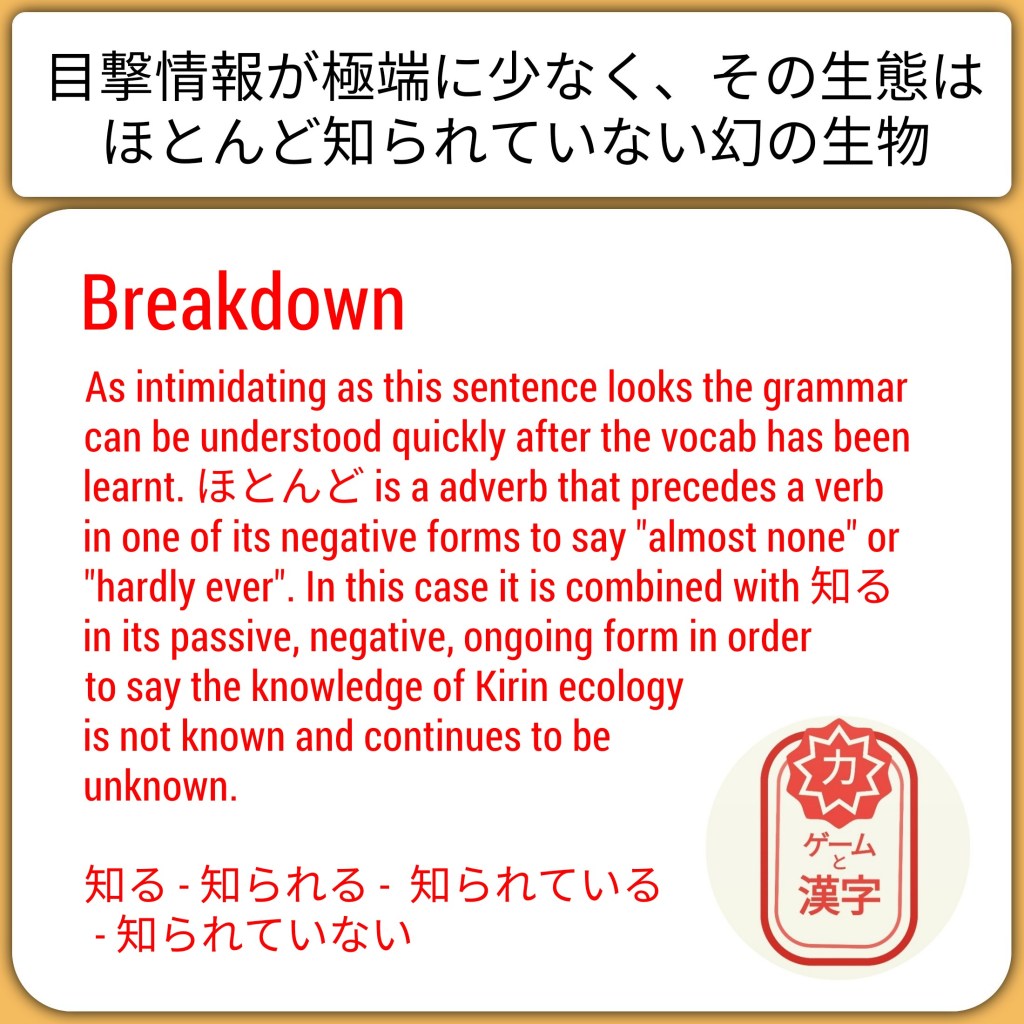
I would urge caution in carrying out typical studying methods such as translating word by word as the result will most likely be exhaustion. It would be better to find a pace of playing where you can slowly recognize the frequency of certain words and try to discern their meaning first before looking them up. For example, start by reviewing smaller menus like the weapons menu and work your way around the screen to see which words may be recognizable from their application, e.g. elements, damage, materials etc. As you recognize more and more then you can more logically hand pick words that feel they would benefit you. One definite strength of the game is the amount of katakana words. Fantasy games tend to use a lot of katakana but in the case of Monster Hunter this has the added advantage of recognizing linked armour and weapons sets as well as seeing links in ecology notes surrounding certain monsters. If your katakana isn’t yet to a point you are happy with then the menus here will polish off the rough edges.
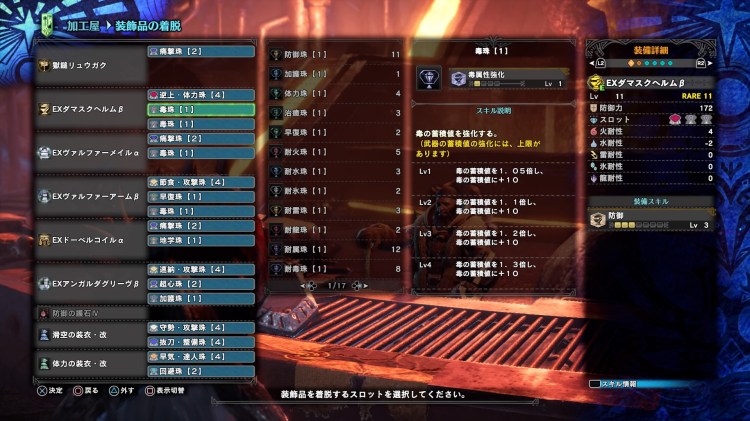

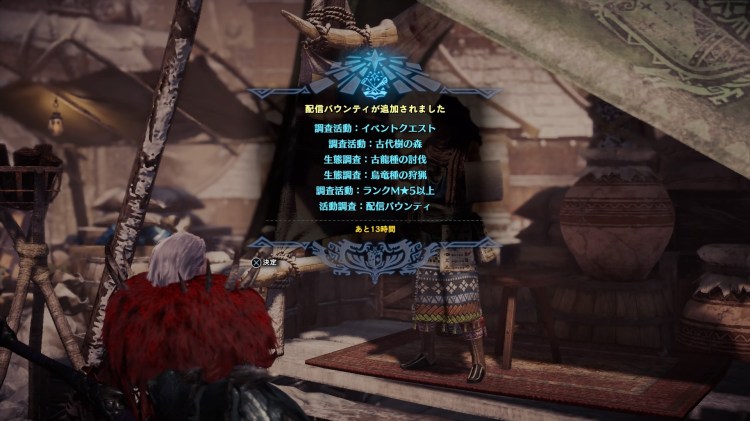
Dialogue is arguably a small aspect of the game, although you will frequently speak with NPC’s the majority of this will be repeated text with the blacksmith, store clerks and Palicos around the hub. Don’t get me wrong, this dialogue is also beneficial but due to the repetitive nature and the urge to get back to the gameplay quickly to test your new shiny weapons it’s likely you won’t be paying too much attention. There are story aspects, which for the first time in the series, are fully voice acted. These can be watched repeatedly in the video gallery and come fully subtitled if required. The few non-cutscene interactions between hunter ranks aren’t voice acted but do provide some conversational dialogue. During these dialogue sequences (and oddly enough, nowhere else in game) Capcom opted to use their unusual font which can be found in many of their modern titles such as this and resident evil. I personally think the font can be a bit of a pain to read at times but I don’t know if this is the consensus. Luckily the menus and other aspects use nice, clear Japanese fonts which will be more recognizable to learners.
Overall the game is fantastic and I would recommend it to anyone, fully aware of the biases present. I wouldn’t say Monster Hunter World in particular is the best in the series as a tool for studying due to the weight of the language and the speed of everything else. Habit is a strong creature and it’s hard to motivate yourself to take in language when the balance isn’t great. Rewarding yourself with brief stints of gameplay also goes out the window when hunts can take anywhere up to 50 minutes. If I were to come up with an analogous comparison I would say this. Playing Monster Hunter World to improve your Japanese is like trying to get a better understanding of the world by reading about it in a scientific paper. You’ll get the answers you need and a ton of additional information but most people are going to look at the diagrams to save having to read for most of the afternoon.

Challenges and Methods – 9/10
If you can overcome the above mentioned struggle there are many different segments of text to read through that will bolster your language, one of which was actually the first language challenge I did back when I started learning!
Read the Item descriptions
When I started learning Japanese with Monster Hunter portable 3rd I challenged myself to learn to read all of the item descriptions one after the other. It’s not the most exciting challenge on paper but it gets quite satisfying as you come across more and more items with shared vocabulary. This challenge alone gave me good recognition of words from an early stage. This will also strengthen your ability to describe simple items as it’ll have you read item descriptions that are short and to the point while still adequately explaining the function.
Read the Ecology entries
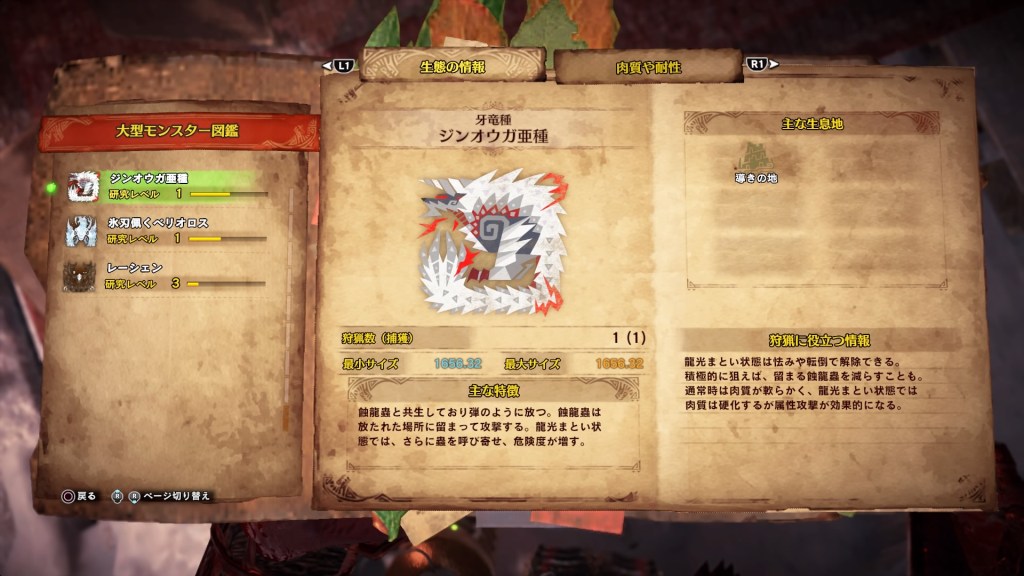
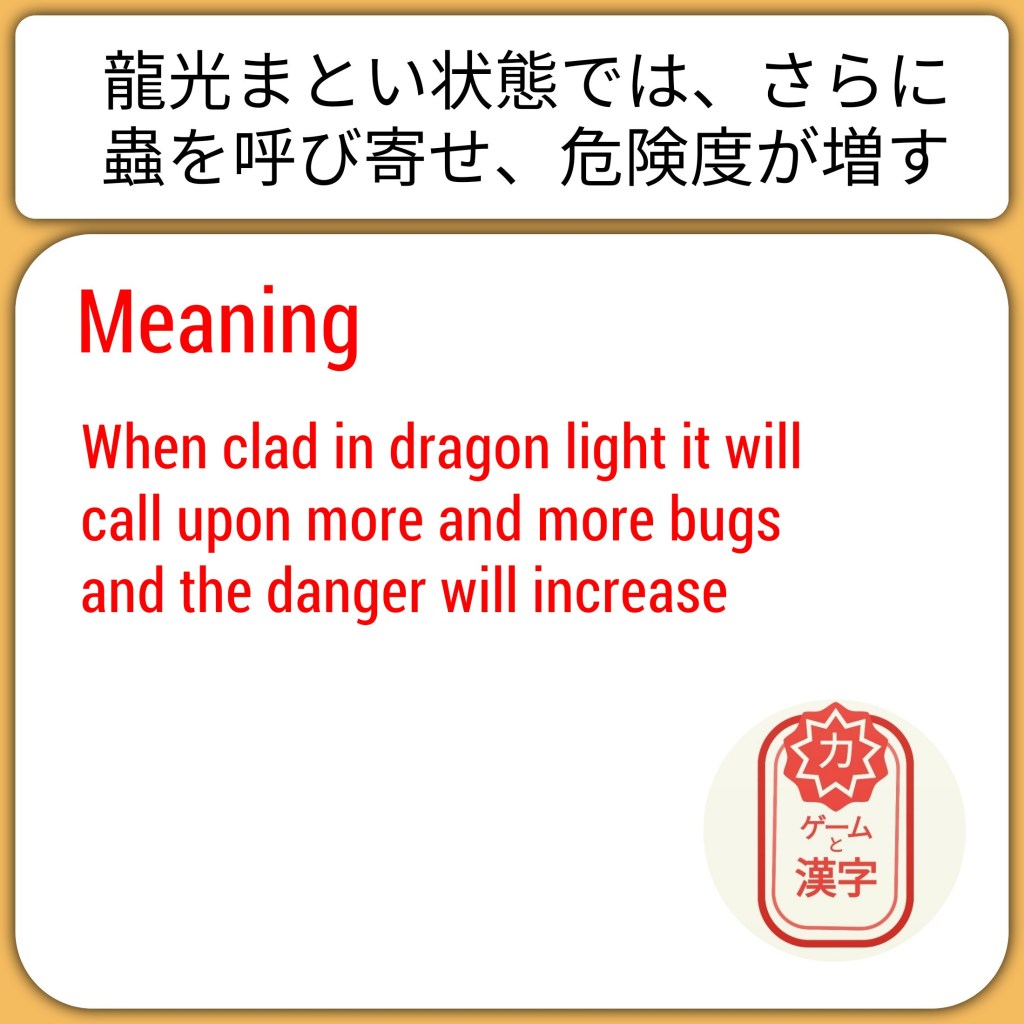
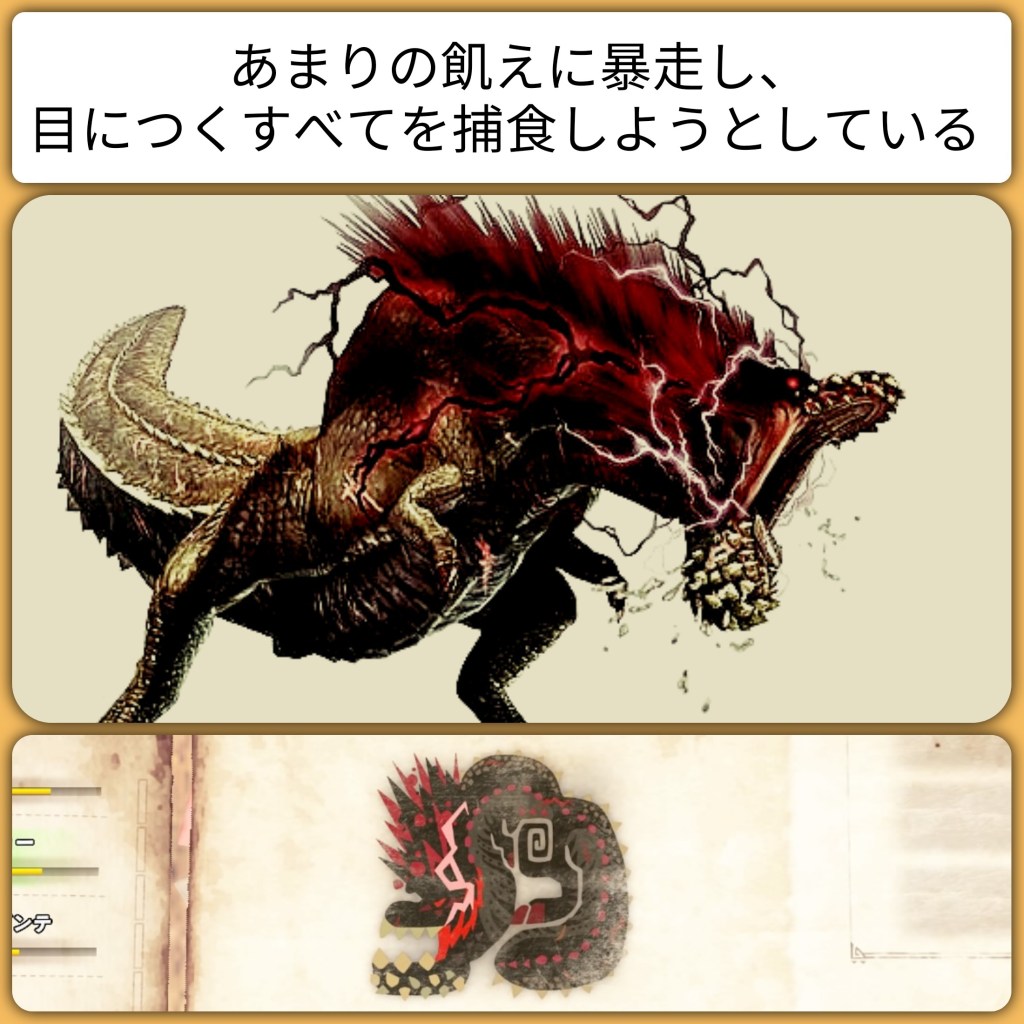
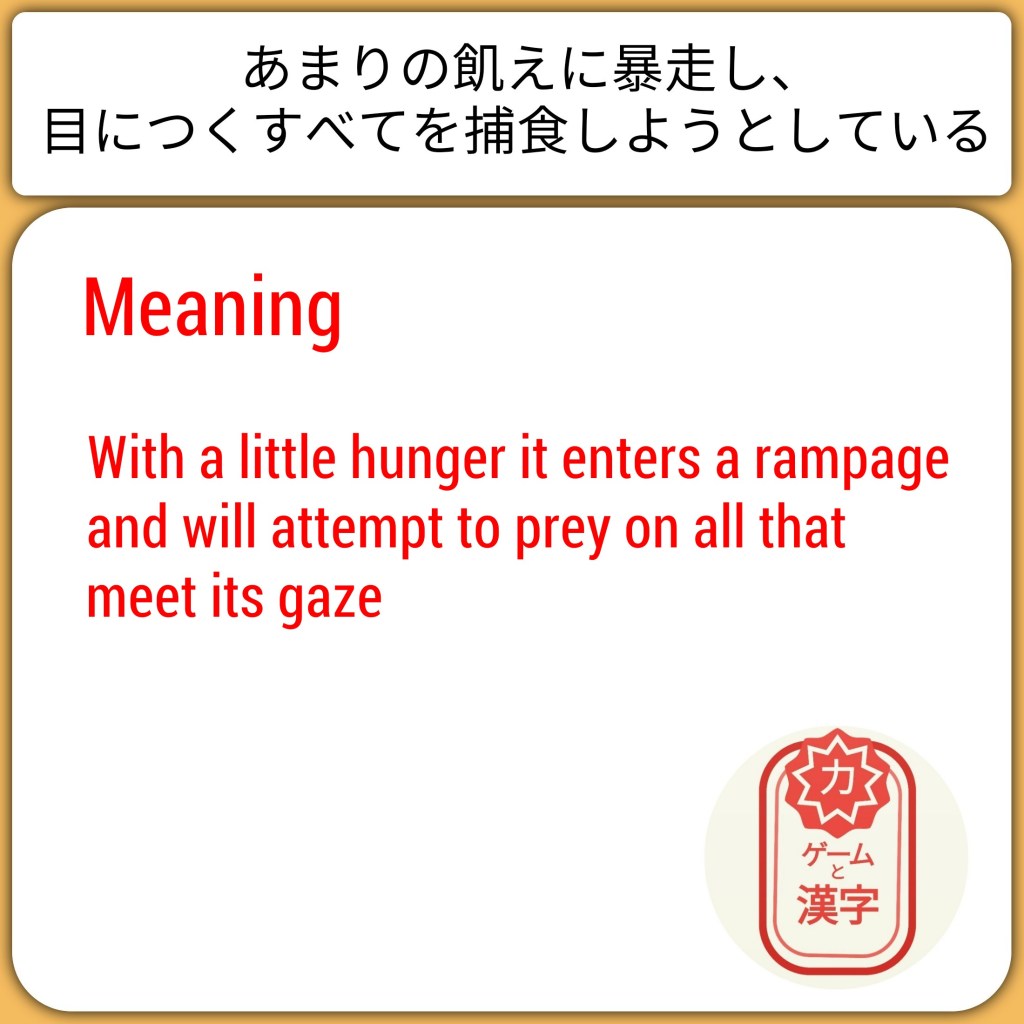
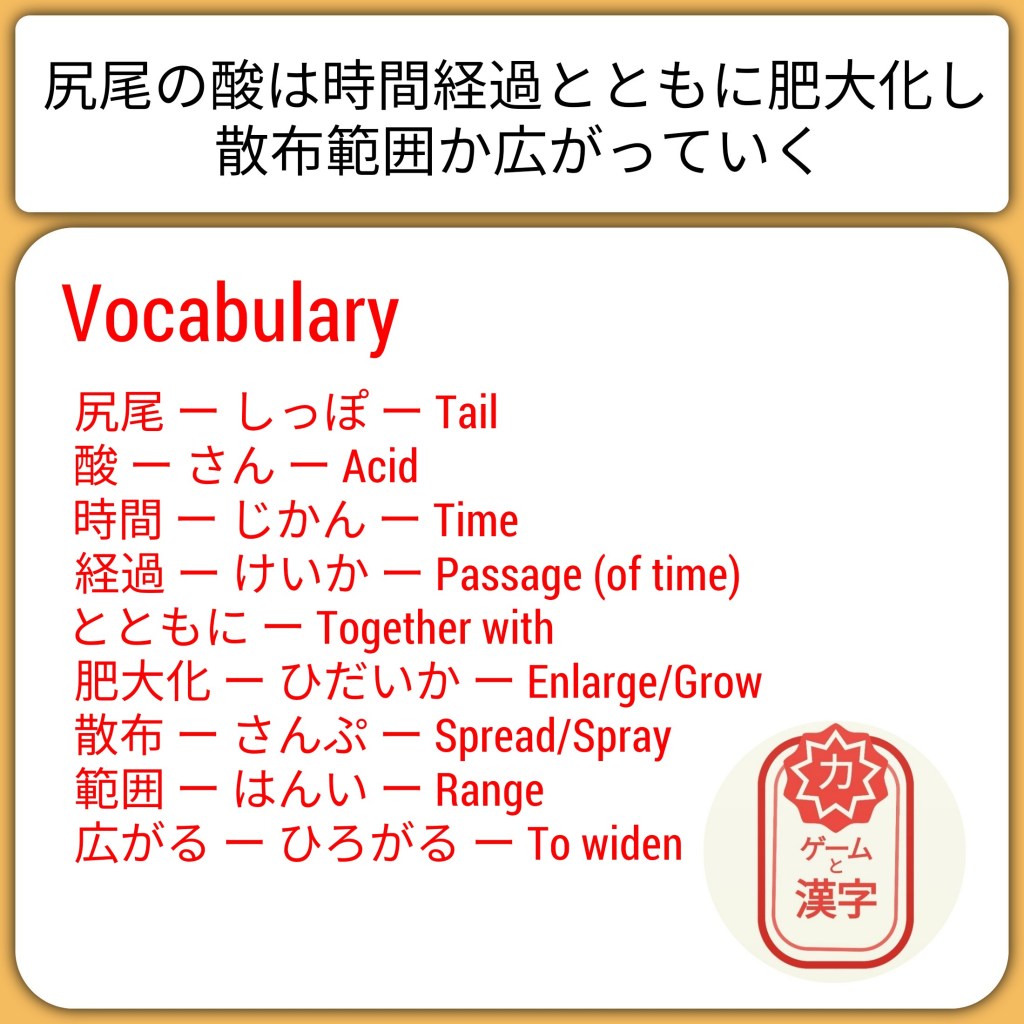
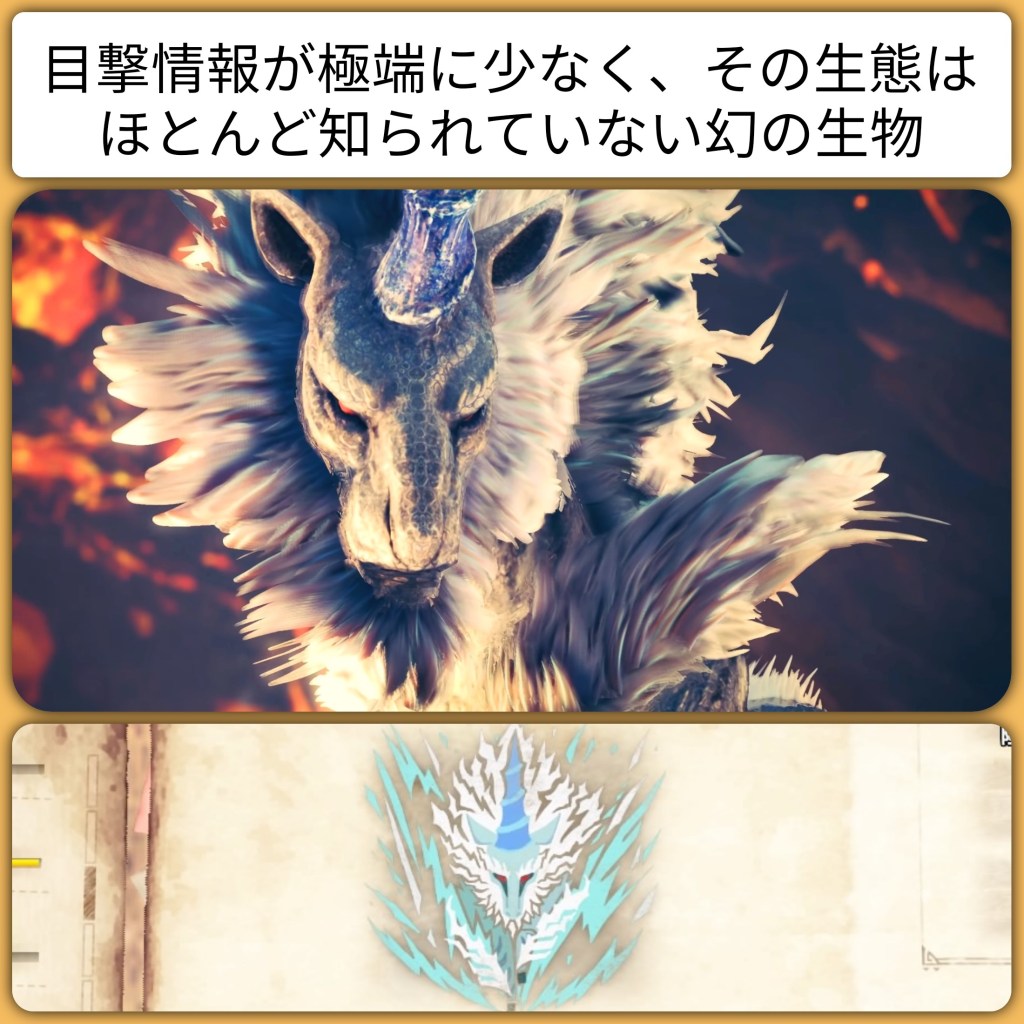
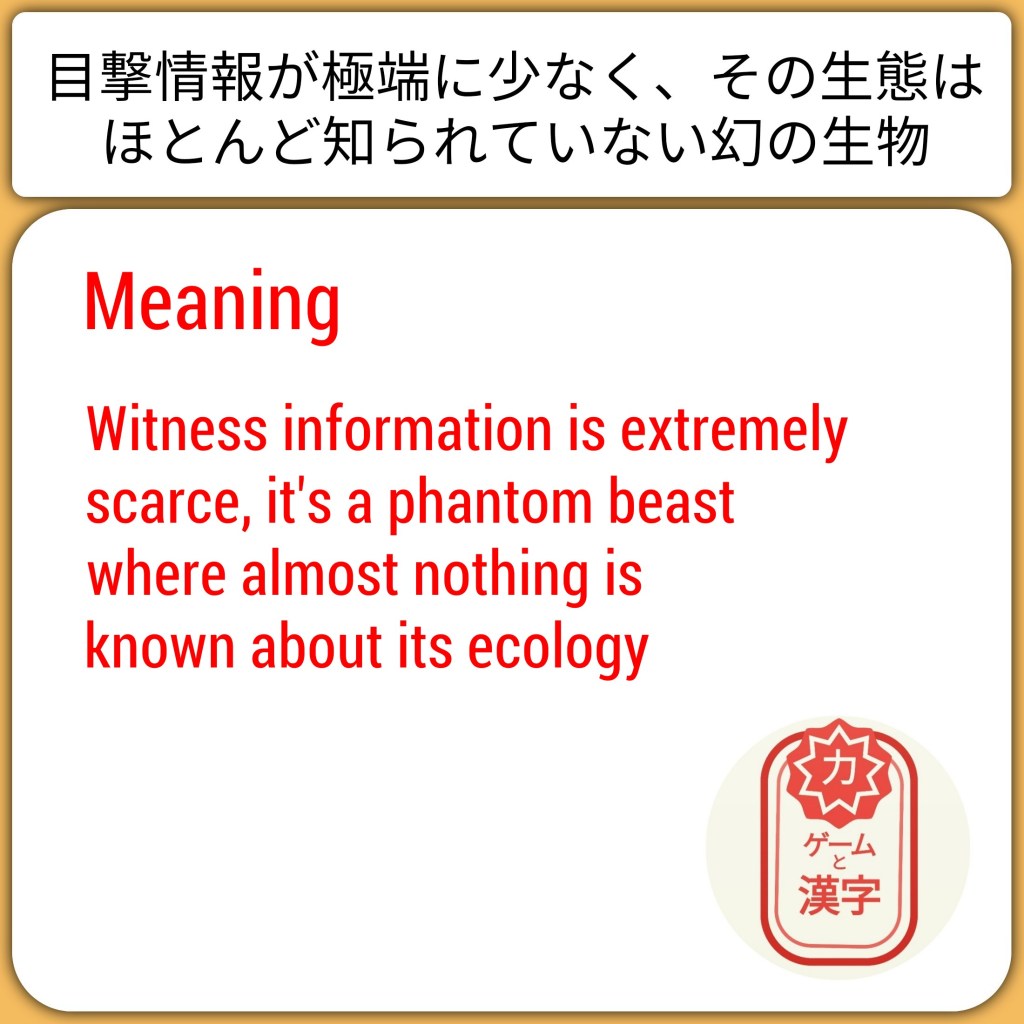
The hunters log holds information about many things but a good collection to flick through is the ecology reports for major monsters, minor monsters and epidemic life. This can be really fascinating and helps to immerse you in the world for those long quests. Again, these reports also have shared vocabulary for monsters that may be herbivores, carnivores, may hunt in packs or use certain methods to kill their prey. These excerpts are a bit longer than the item descriptions and tend to have higher levelled language but are a good challenge if the items are too easy for you.



 Games & Kanji