
I have spent an alarming amount of time playing Resident Evil Village recently. Not only is it one of my favourite entries into the story but it’s also an absolute spectacle and packed to the brim with lore and content. Story has always been at the core of the Resi series, whether it revolved around the nefarious Umbrella corporation or the myriad of of miscellaneous monsters elsewhere. In this case the story is far and away the most farfetched it’s been but it is gripping from start to finish. From the story book start through to the climax I was hooked and eager to play more.

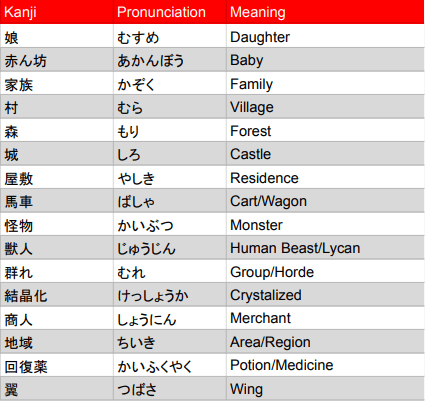
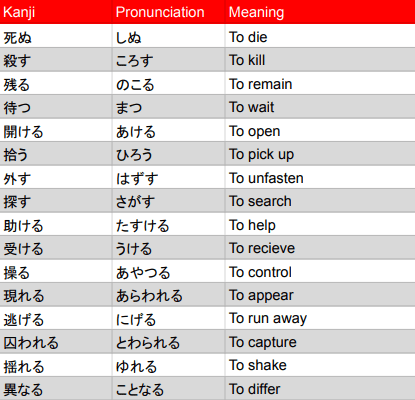
Glossary

Usability – 9.5/10
I’m not going to give Village a perfect score because I feel it’s too soon into this little project of mine to start giving away 10’s, however this may change in the future as the game is top level when it comes to acting as a learning tool. To start off the game is fully voiced in both Japanese and English, among other languages, and comes with subtitling options to allow you to mix and match them as you please. I would recommend subs for at least your first playthrough as it is a brilliant way to catch any unusual vocabulary surrounding the odd locales but as you become more familiar with the story you may not even need them. The subtitles are written in what I now call “The Capcom font” which can have some challenges in clarity at times but alongside the spoken dialogue I wouldn’t expect too many areas of confusion. The language you can find in game comes predominantly from the dialogue or the new merchant and fan favourite Duke and his store.
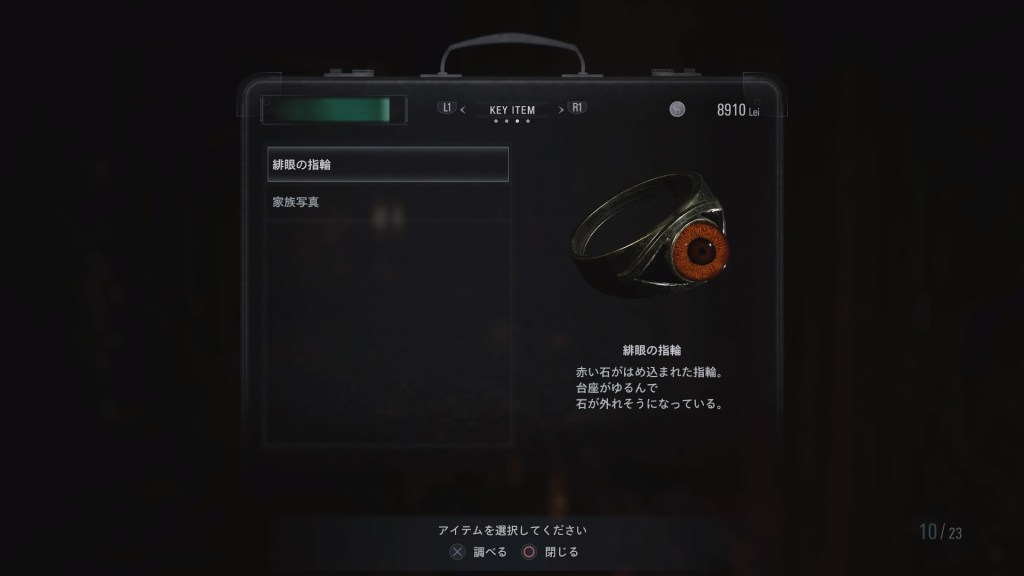
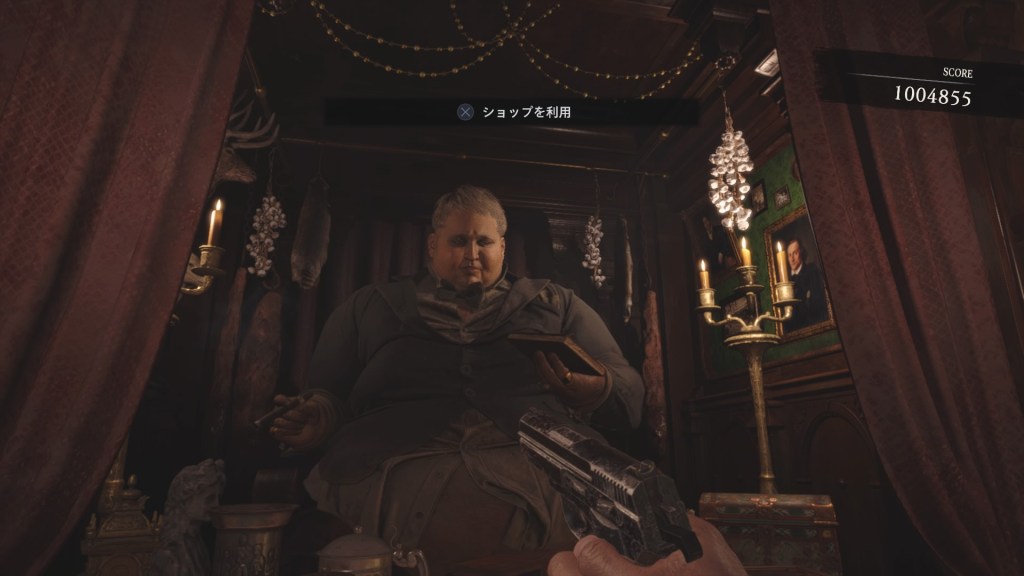

Within the store menu alone you have access to your items and their descriptions, breakdowns of gun upgrades and a variety of recipes with various effects. The texts here vary from descriptive and poetic, for some of the more valuable items, all the way to simple and to the point sentences such as for the meal effects. Throughout the game you will find various styles of communication from a range of personalities. Duke will speak in a slow and polite manner, matching his role as a shop keeper, whereas some of the more deranged characters like Angie or Moreau are more wild and simplistic in what they have to say. This also carries through into the written notes strewn throughout the environment. These hold juicy tidbits of information to add to the already enticing story and further show the differences between more calculating characters and those that probably shouldn’t be in charge of guarding a flask.

One thing I would recommend is multiple play throughs. Re-playability is at an all time high with the various challenges and unlocks and if you’re anything like me you’ll find yourself planning whole runs in order to complete everything as efficiently as possible. So far I have completed 4 play throughs but foresee many more in the future. This would seem daunting for most games but for an average player you can expect to complete your first run through in about 8-10 hours. From your second playthrough you can play again with your upgraded weapons from last time, and if you’re really on the ball, some infinite ammo unlocks on your gun too. My second playthrough was a whole 5 hours shorter than my first and I found it easy to garner familiarity with each area and scene. The advantage to this is that the lines spoken by all characters throughout are comical and memorable, helping to cement phrases in your head. Ethan in particular has some fantastic one liners that, while not overly complicated, ooze personality and are thoroughly quotable.
If you’ve had enough of the story you can always try your hand at the longstanding Mercenaries mode. In this mode combat is brief and frantic allowing you to get some much needed enjoyment in while you learn, but comes with additional reading material. There are 21 different types of bonus upgrade available to collect, each with their own descriptions, as well as additional UI’s and notes to read. Finally you have the collectables and records menus. The collectables menu shows all of the monster and character names to help you familiarize yourself as needed if you missed anyone’s name during the cutscenes, as well as the unlock conditions for various infinite ammo weapons. The records menu is a breakdown of how to unlock all of the records for additional CP, these instructions are an example of clear and concise instructive language and, unless you’ve seen them in English beforehand, will need deciphering in order for you to complete them.
Challenges and Methods – 7/10
Keys and items descriptions
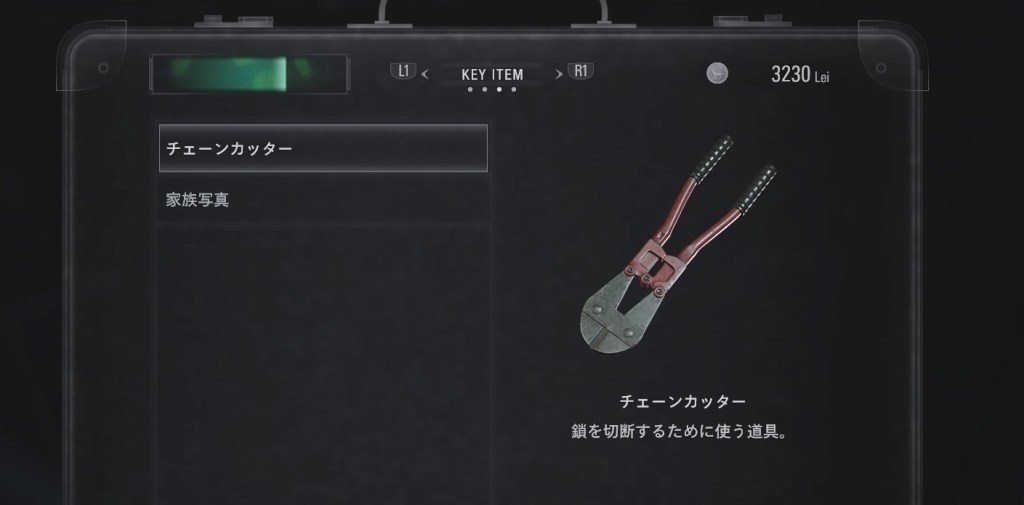
Throughout the story you will find various roadblocks with keys and tools to clear them, for the most part you want need to expend much energy to put 2 and 2 together and work out how their used. However it can be beneficial to go into the item menu and read the description of how these items work. This will either decipher some mystery or will fortify your understanding of the used language as you can form a link between your goal and how it’s described. These often come with the added advantage of being brief and to the point meaning you won’t have to breakdown any complicated sentence structures
Mercenaries abilities
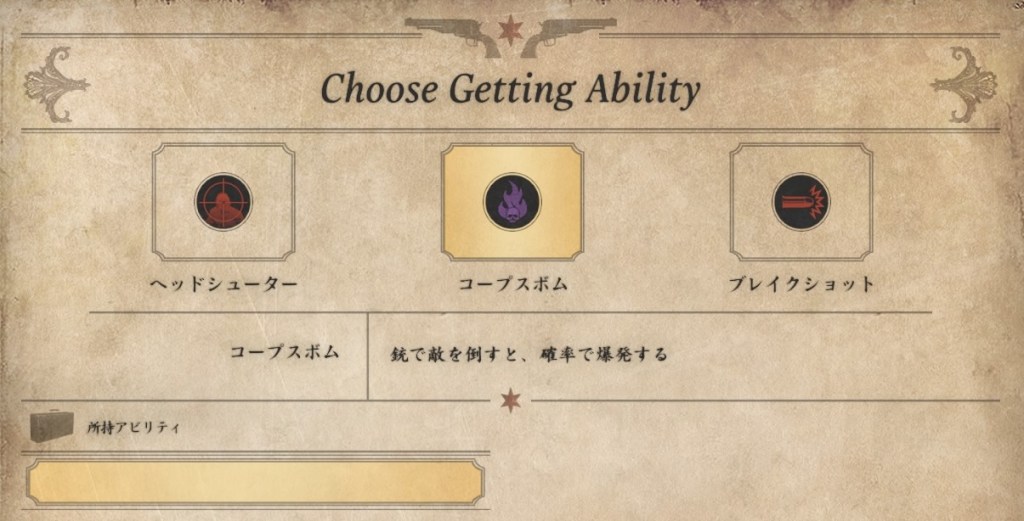
Much in the same way as the tools above the abilities in Mercenaries can be quickly read and understood, forming a link between what they say and what they do. The added benefit is that the fast pace of Mercenaries mode and the finite number of abilities will strengthen your reading through repetition. Imagine the run between skill orbs as a violent SRS if you will. As some of the skills are unlockable this also gives you drive to unlock more and read them all.
Platforms and Language – 7/10
Village is available on PS4, Xbox One and Steam and is currently floating around the £50-£60 mark for the standard edition due to its recent release. Language options are variable from the main menu for both audio and subtitles.
Previous posts
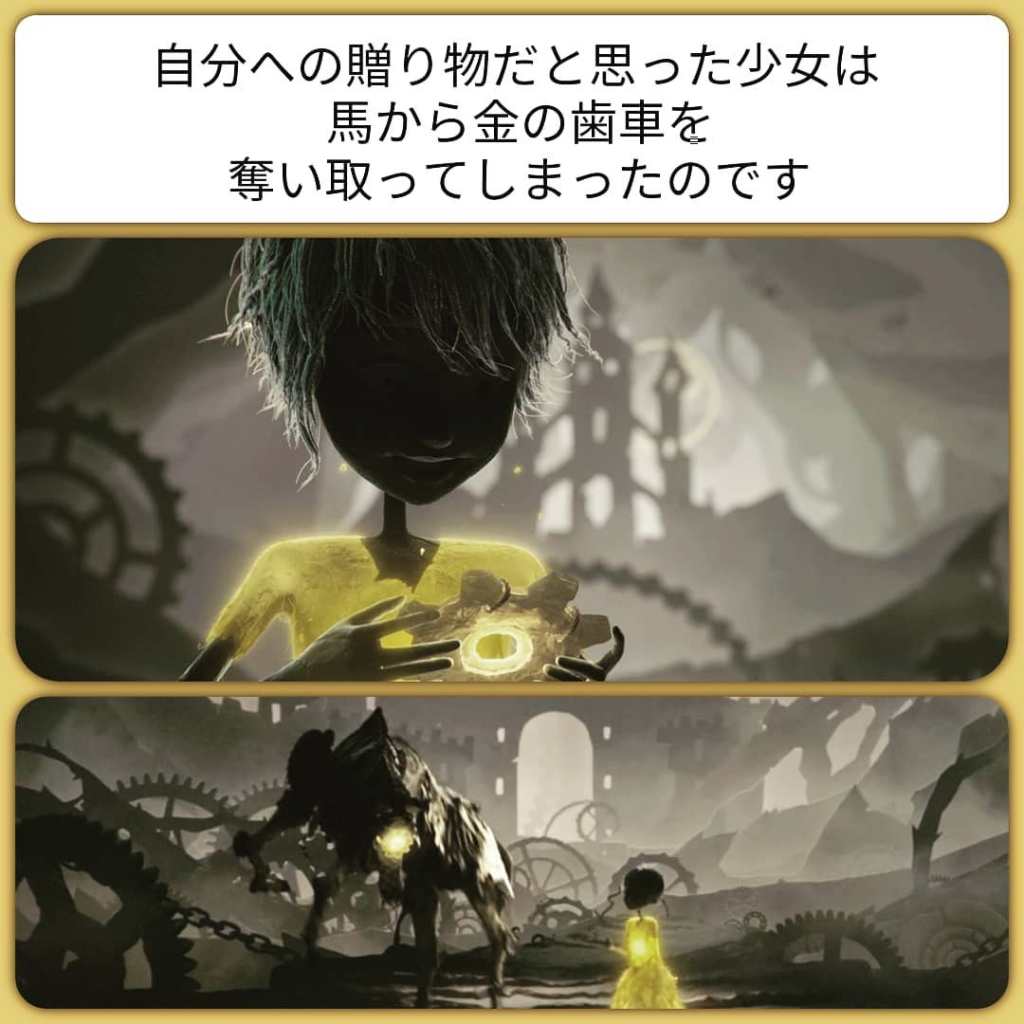
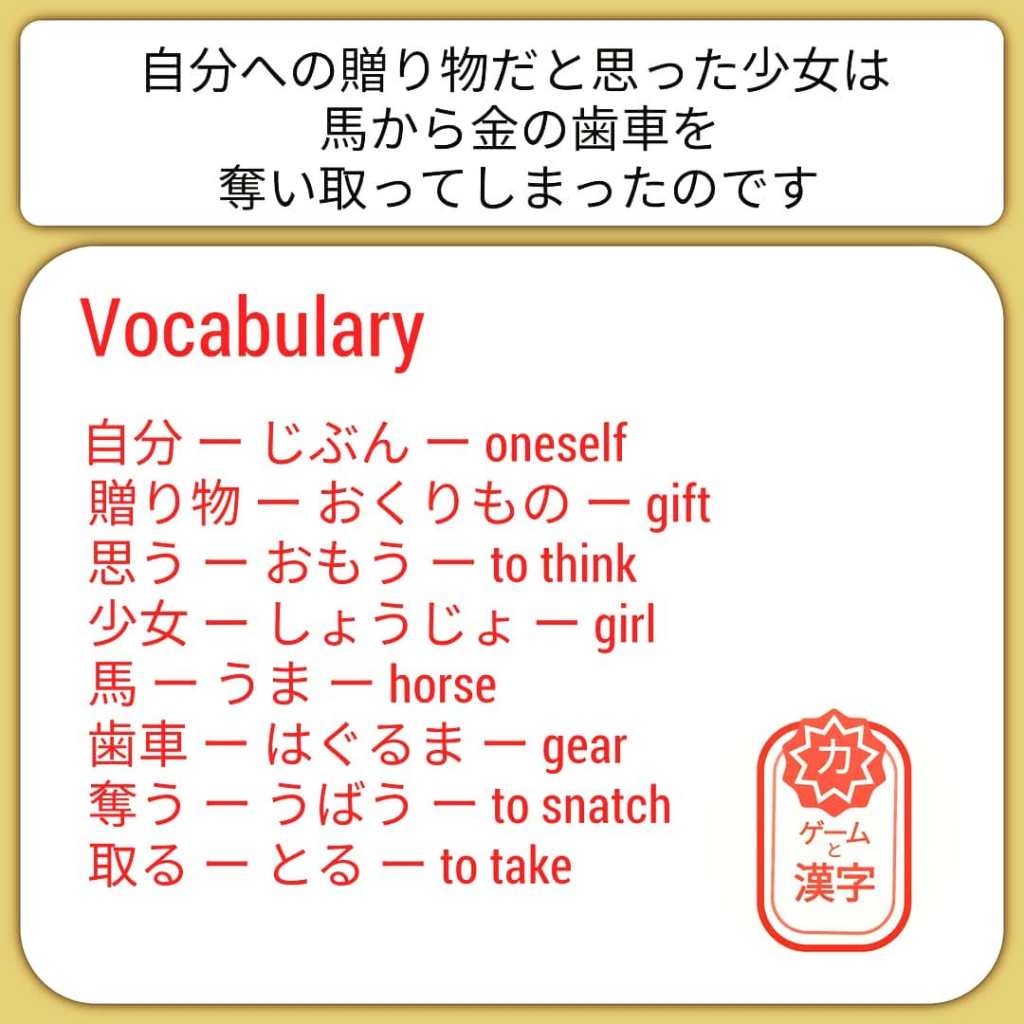
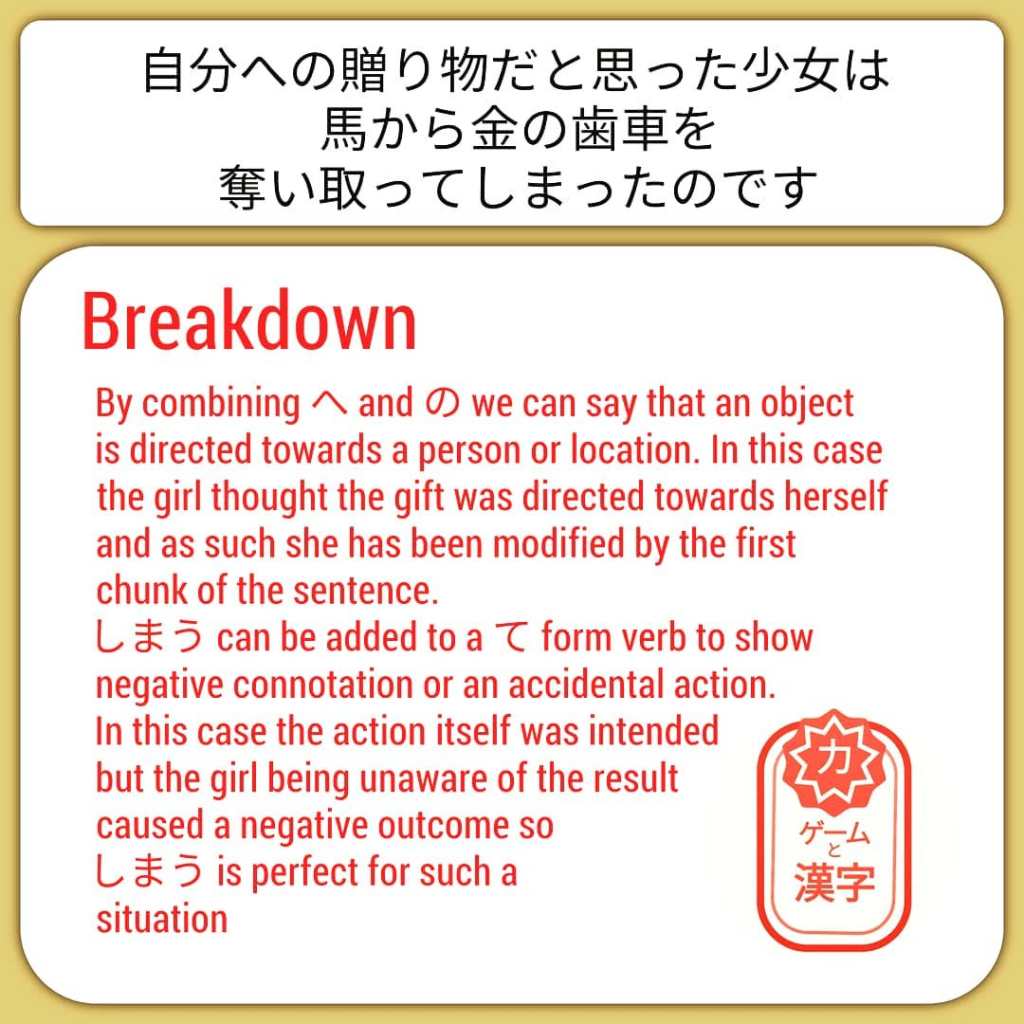
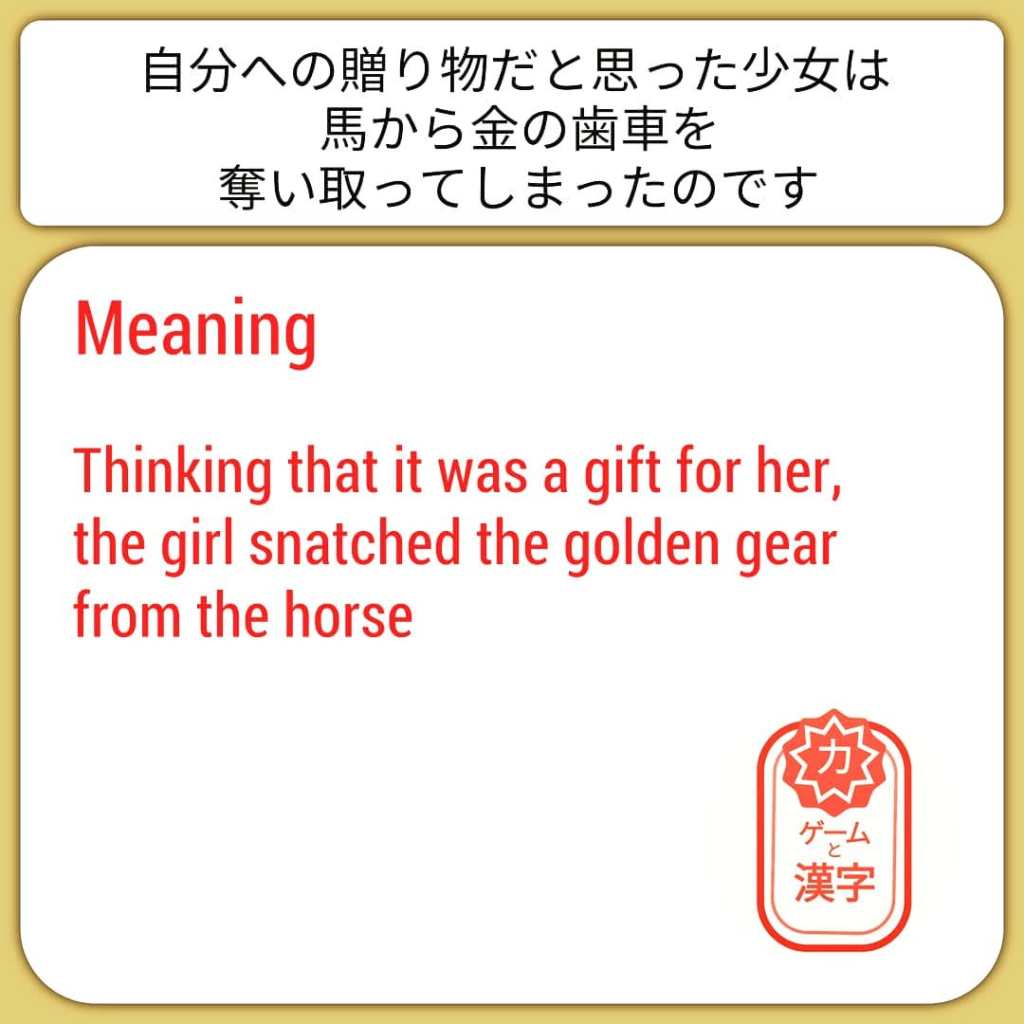

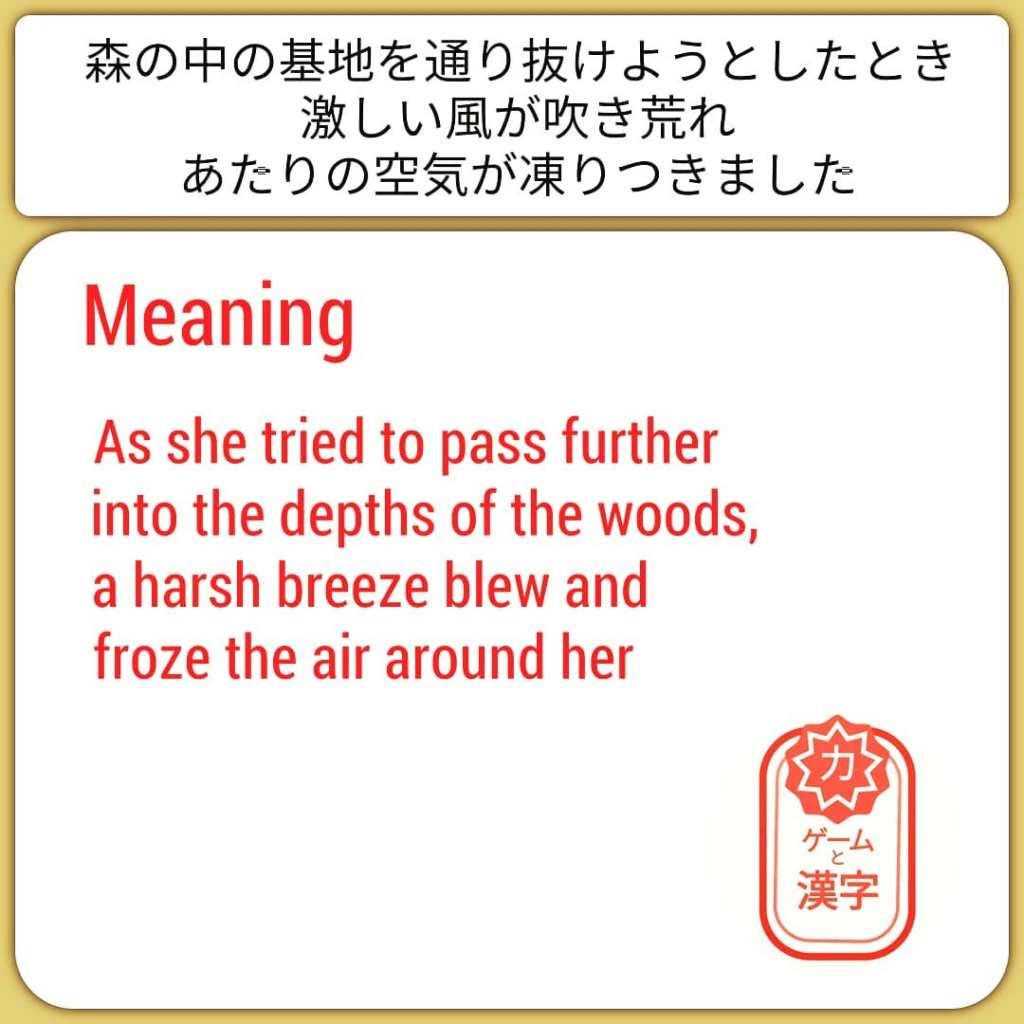
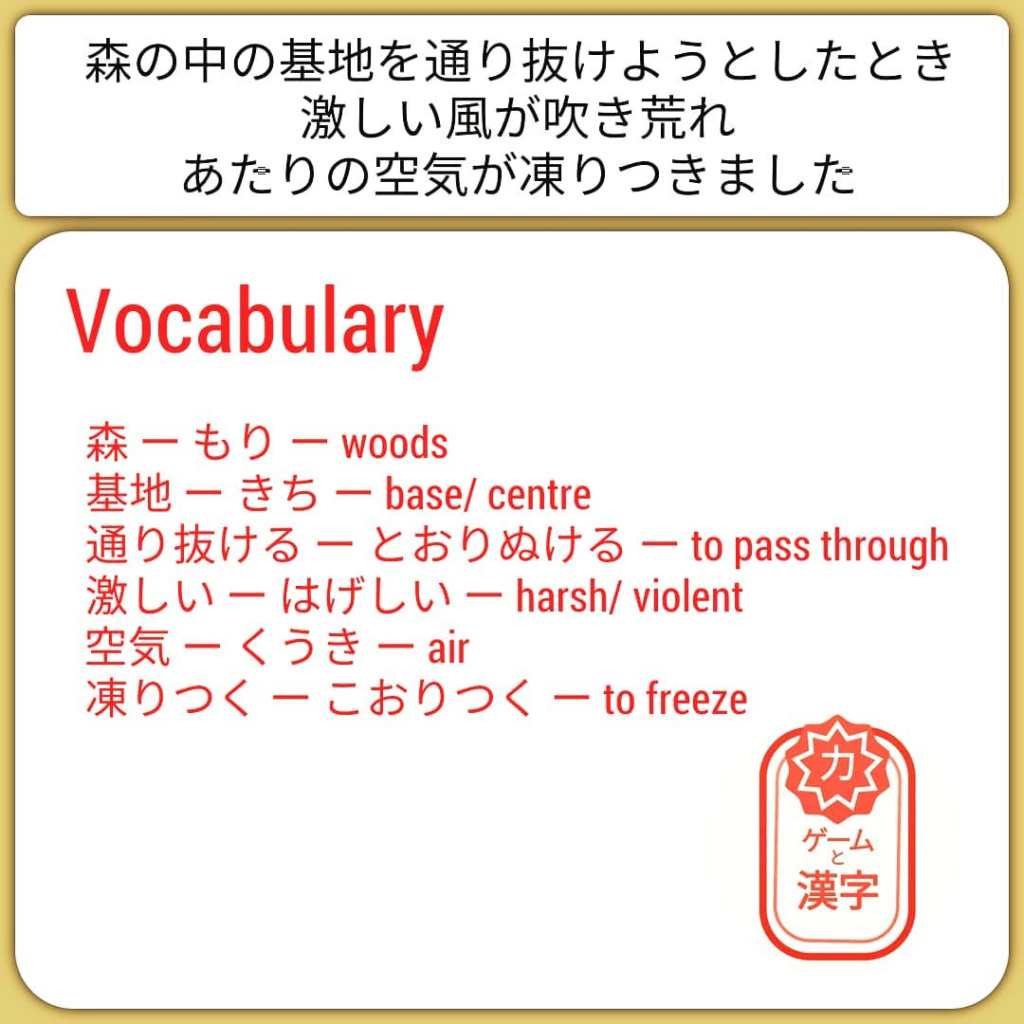



 Games & Kanji