
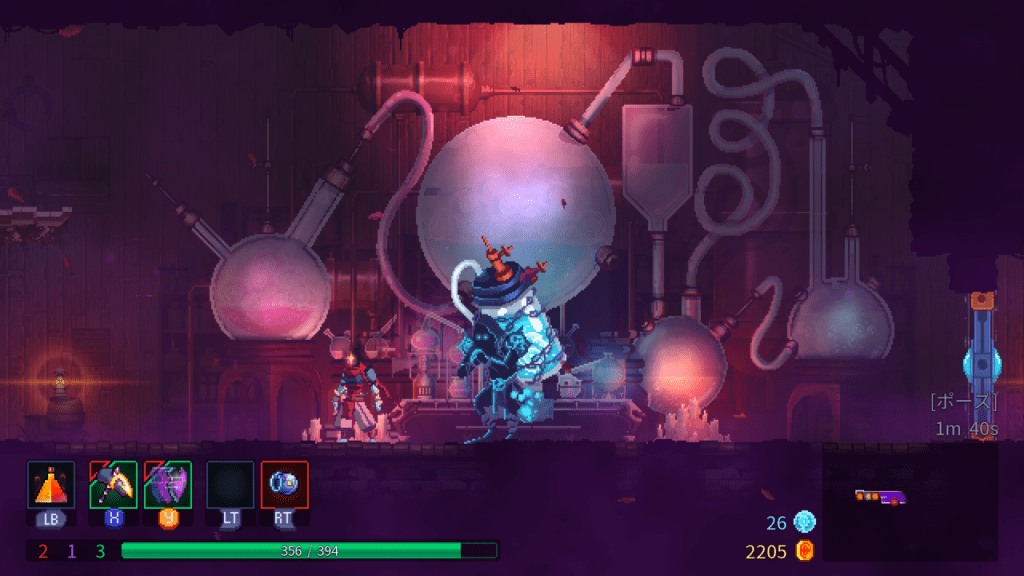
Rogue-likes are a fantastic genre of game that allow for abundant creativity. Dead cells is no exception, with heaps of creatures and enemies strewn about gigantic, randomly generated dungeons. The Metroid-vania style gameplay is a fast-paced, hectic glow of effects, projectiles, explosions and more. This is not a game for those who like a gentle stroll through the fields and if you’re expecting to complete even one run anytime soon you better get ready for a quick lesson in sitting the **** down. One thing is for sure, you’re going to need more cells!
Glossary
Platforms and Language – 9/10
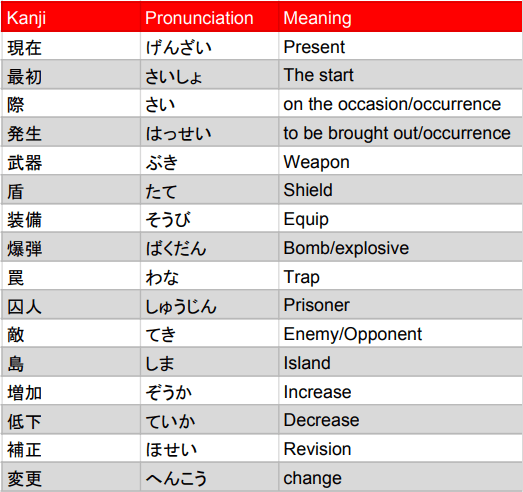
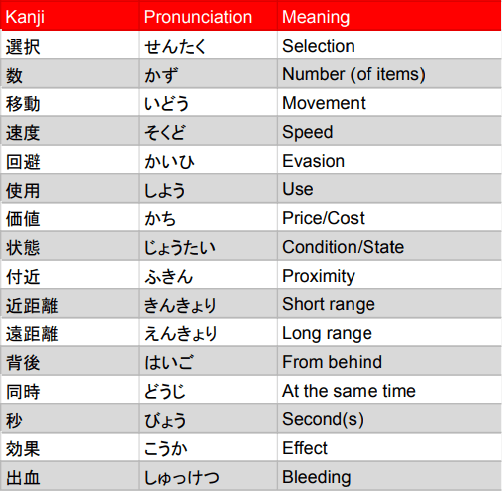
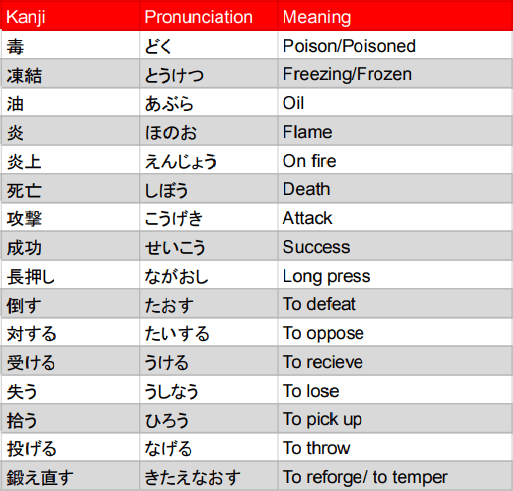
Dead cells is available on all consoles and even on mobile, for both Android and Apple. The game ranges from around £7 to £13 before DLC’s depending on console and sales at the time but is worth every penny. The DLC add a good amount of content and playability too. All versions of the game can be set into Japanese from the settings menu in game.
Usability – 9.5/10
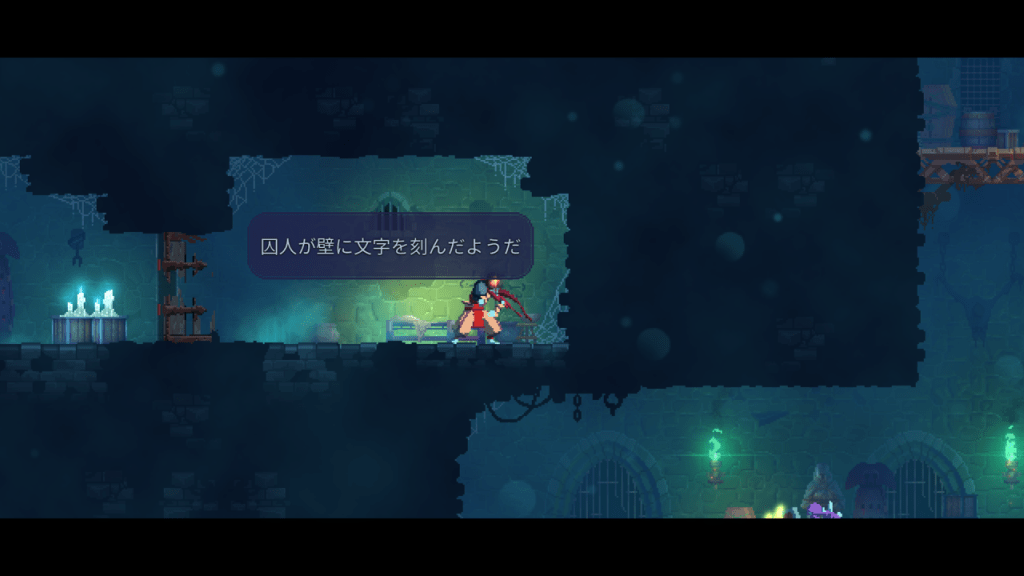
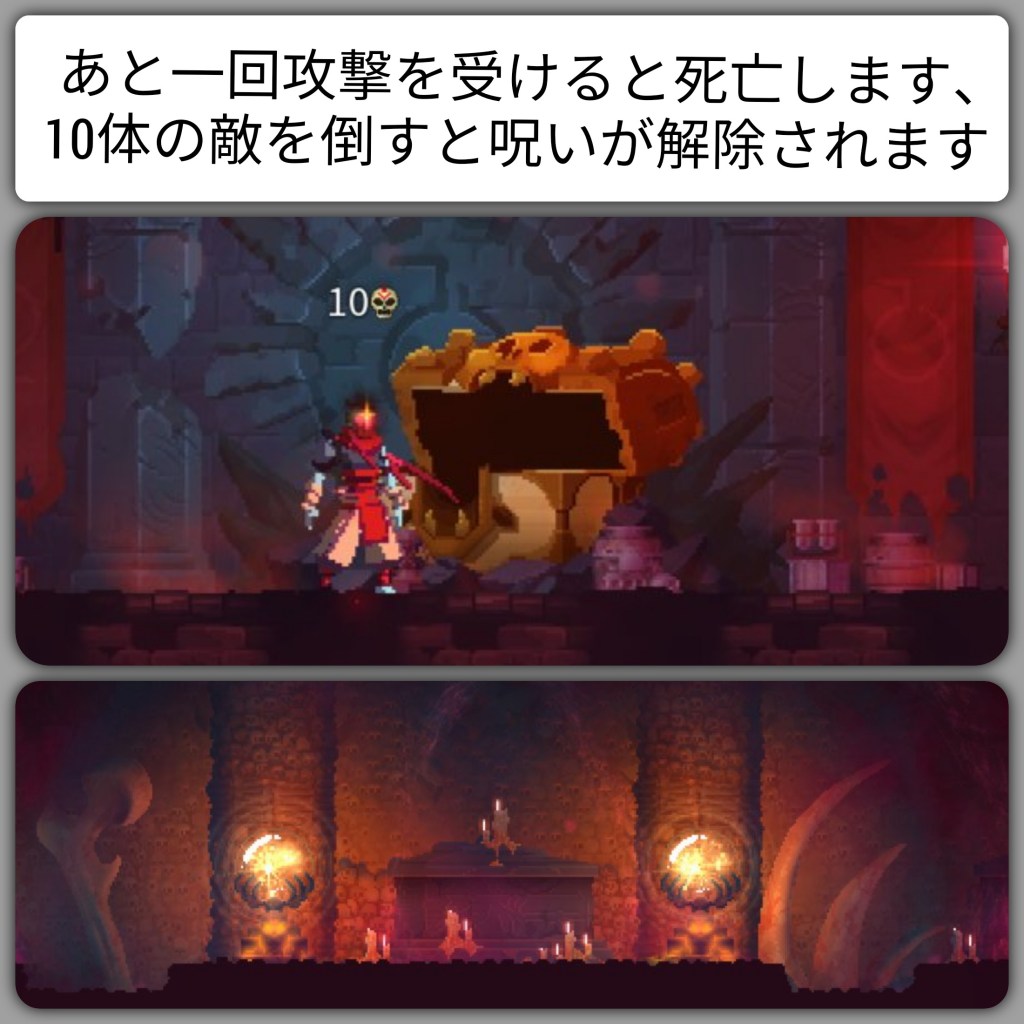
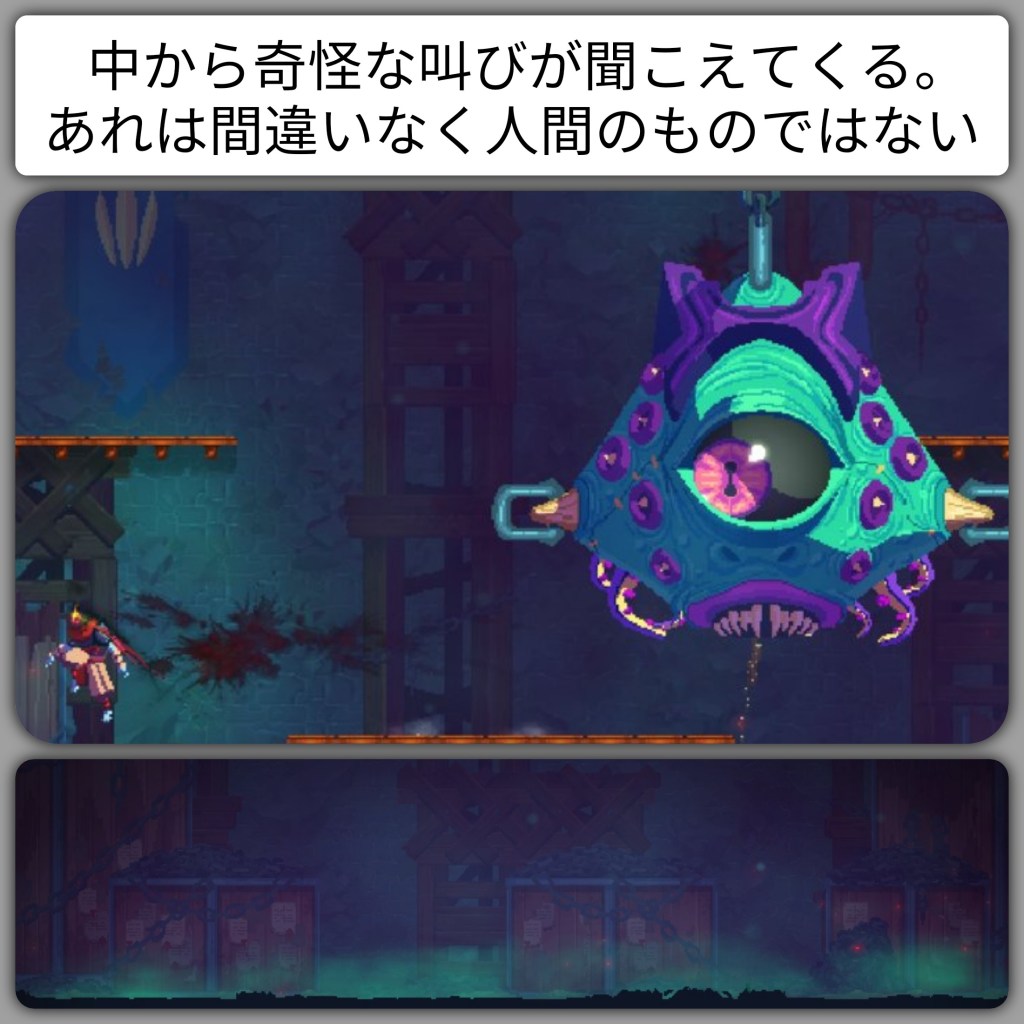
The story of Dead cells, being a rogue-like, is very much in built into the game and isn’t always signposted. As such you aren’t given reels of text to follow in how the kingdom got to its current state and you’ll find that you are just thrown into the gameplay from the start with a brief run through of what you do, how you play and what happens when you inevitably die. The first thing to address with Dead cells is the personality. Your character, known as the beheaded, really does say it how he sees it (even with only one eye it seems) meaning that as you play through a run there are infrequent spots that give you short digestible dialogue that will pique your interest to the goings on. This will often be a note on the corpse of another prisoner, some scratches on the wall or a room dedicated to some poor, sub-servient soul that used their dying breath to tell their true feelings for the king. Usually you’d expect these to be pretty dark but your protagonist will question not only what is being said but it’s place within the game , breaking the 4th wall, in a sharp and witty fashion. These short segments are quite memorable due to this and come with some useful dialogue to use throughout.
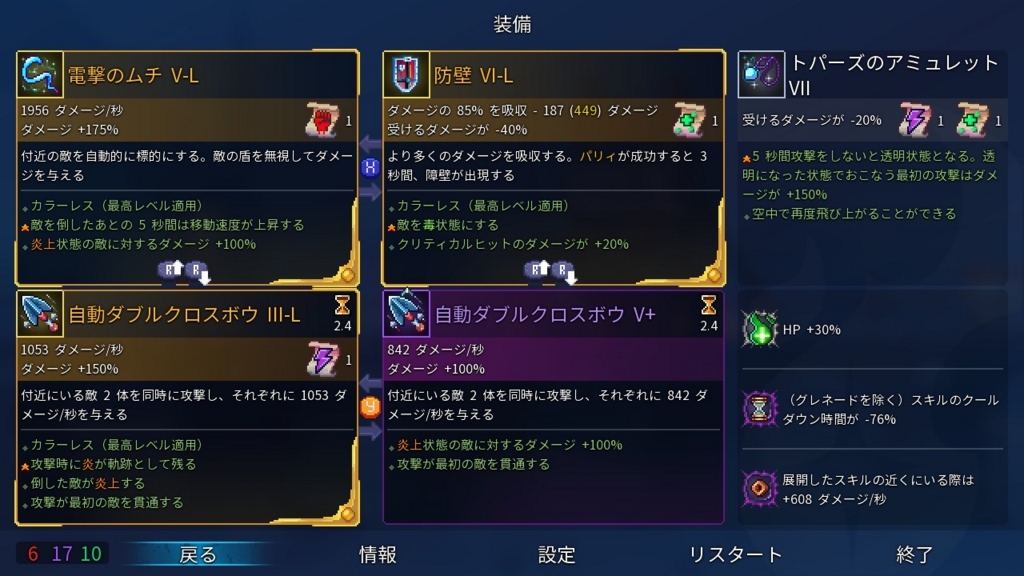
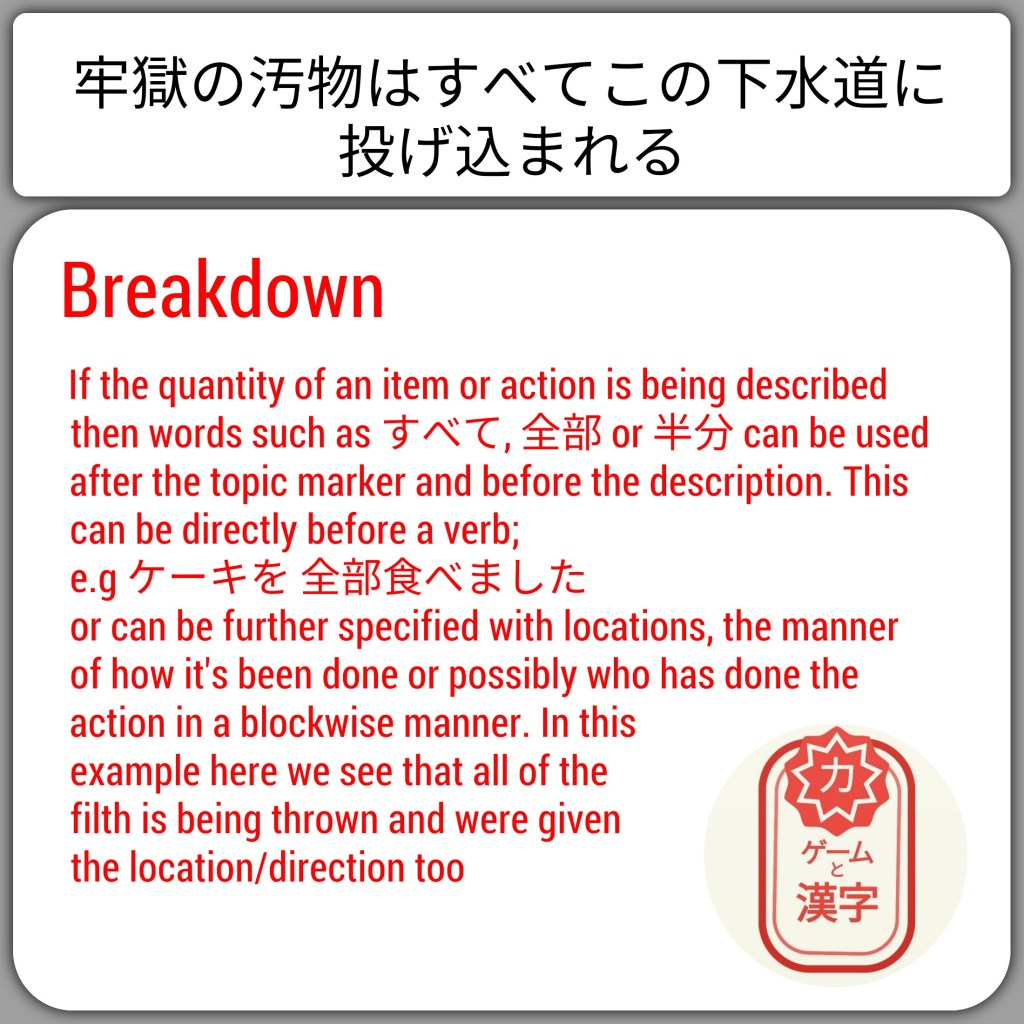
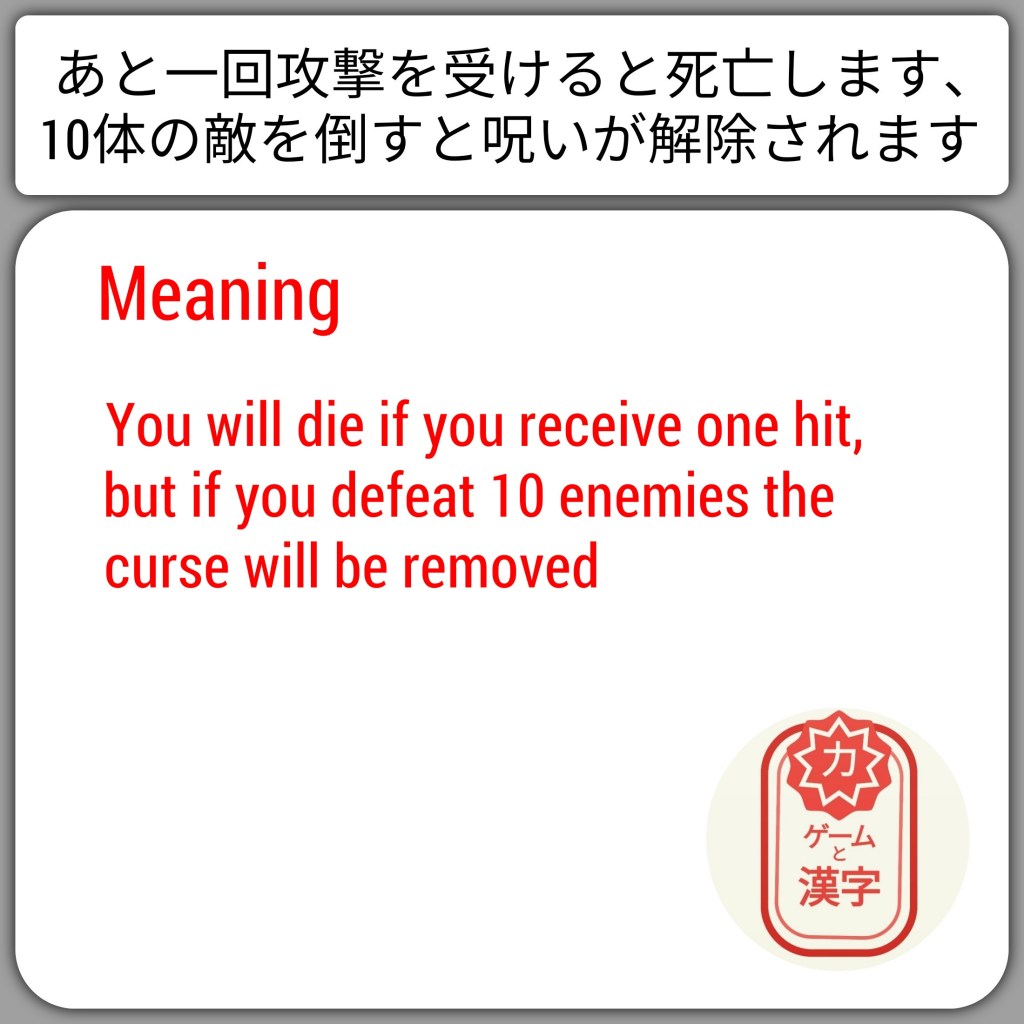
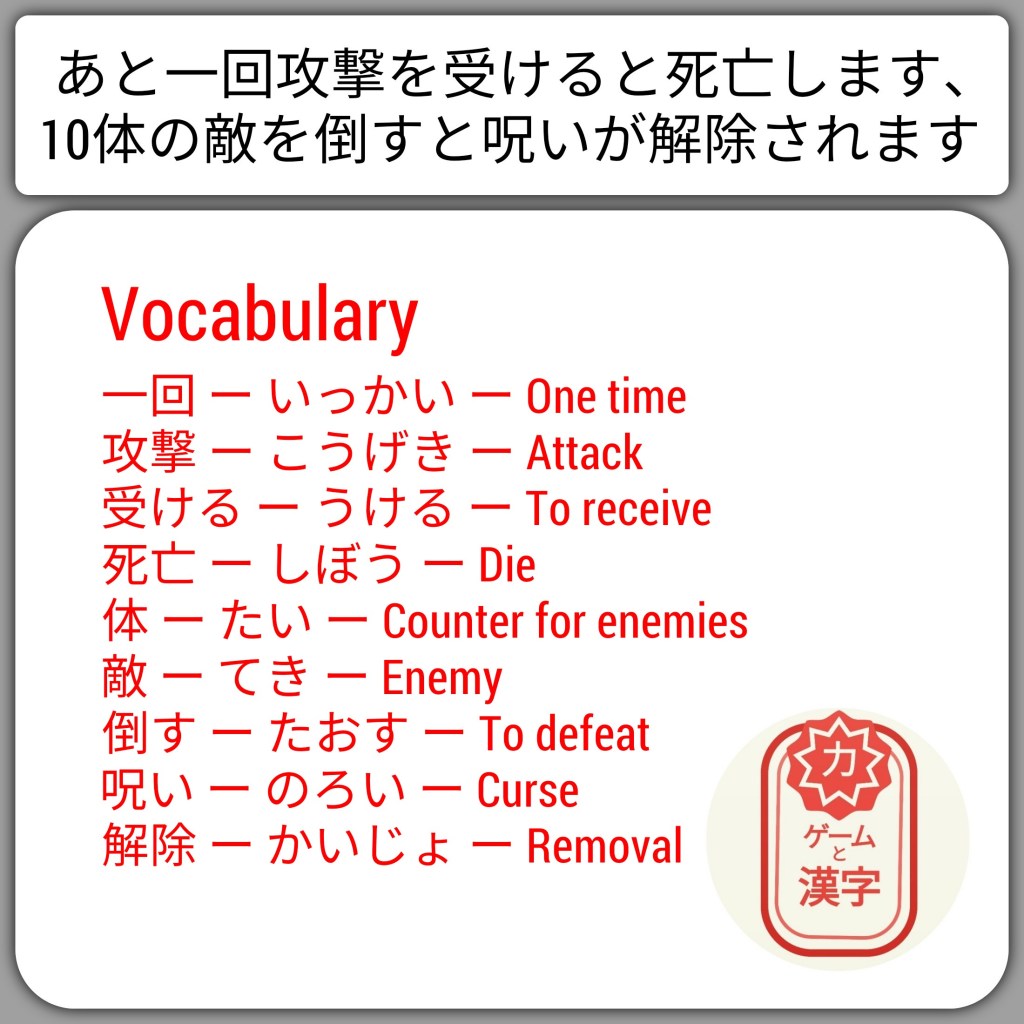
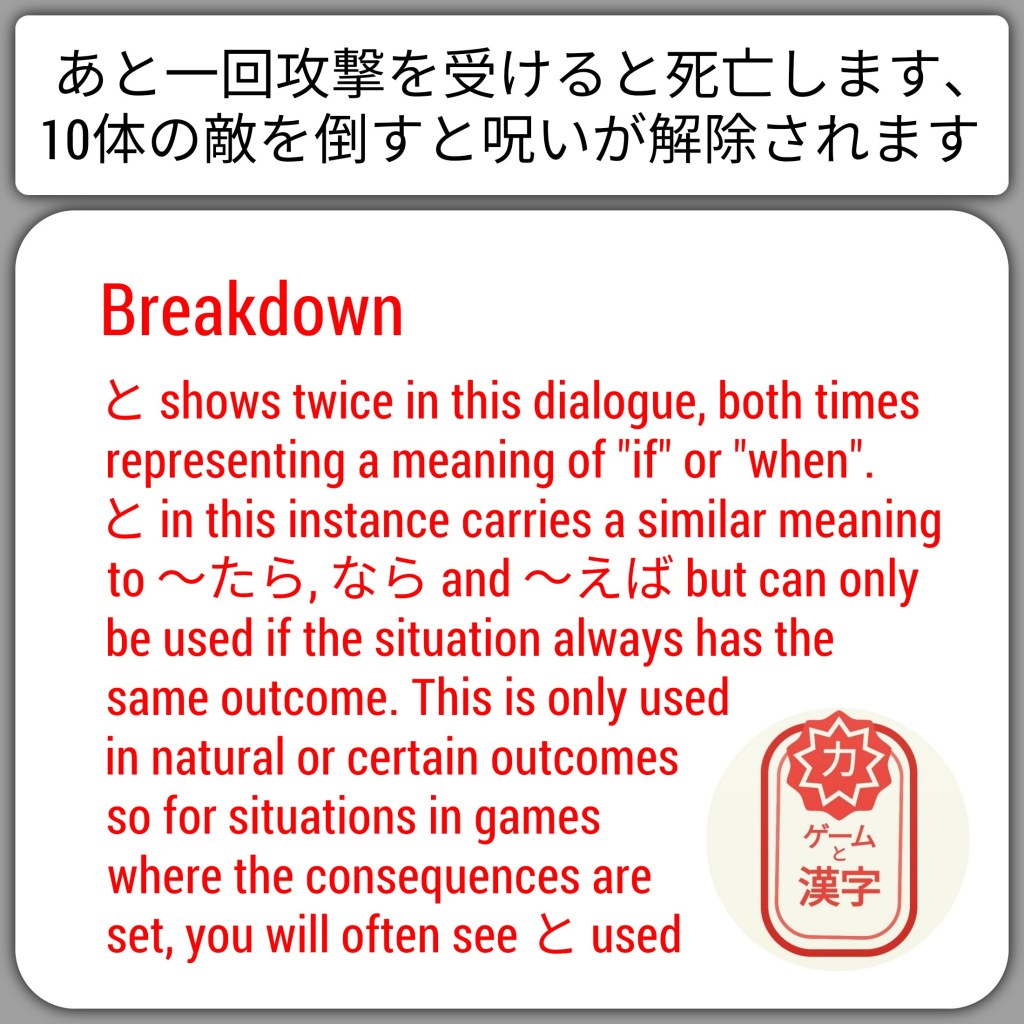
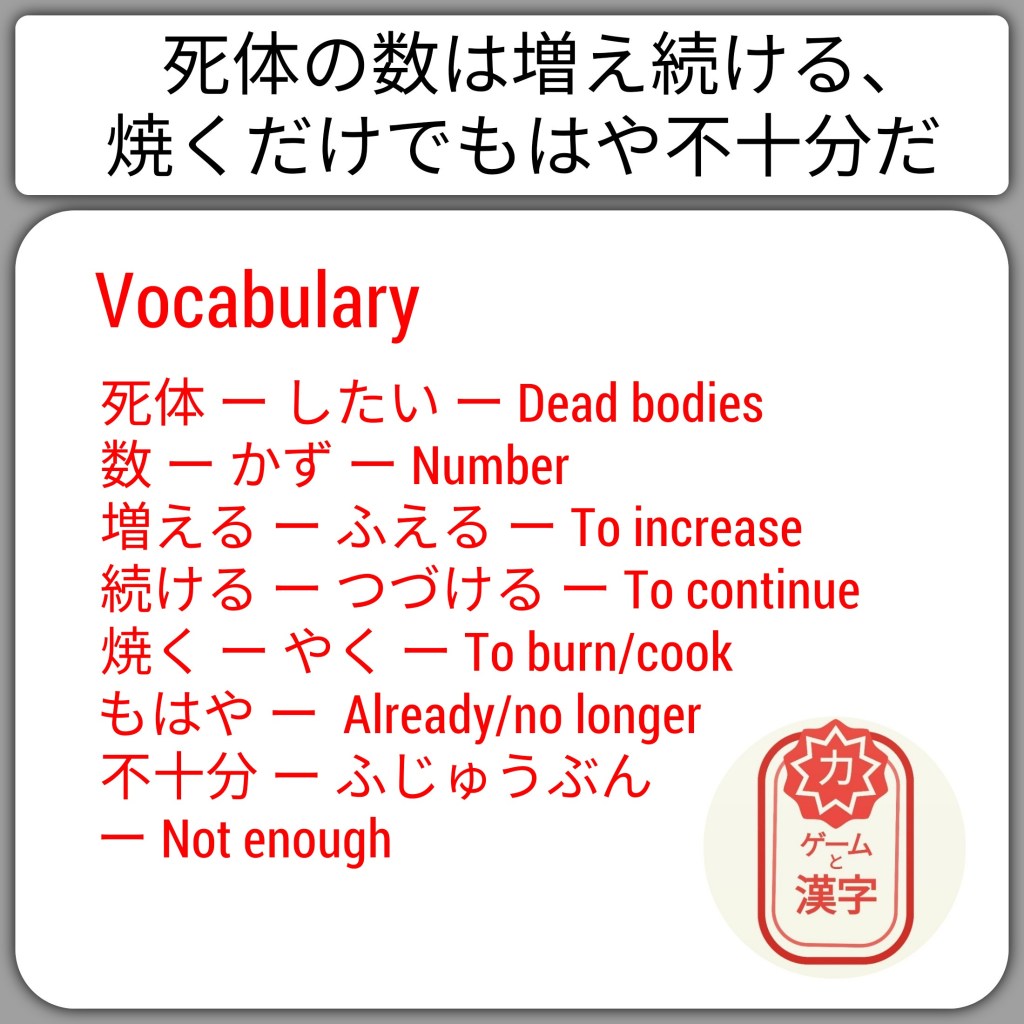
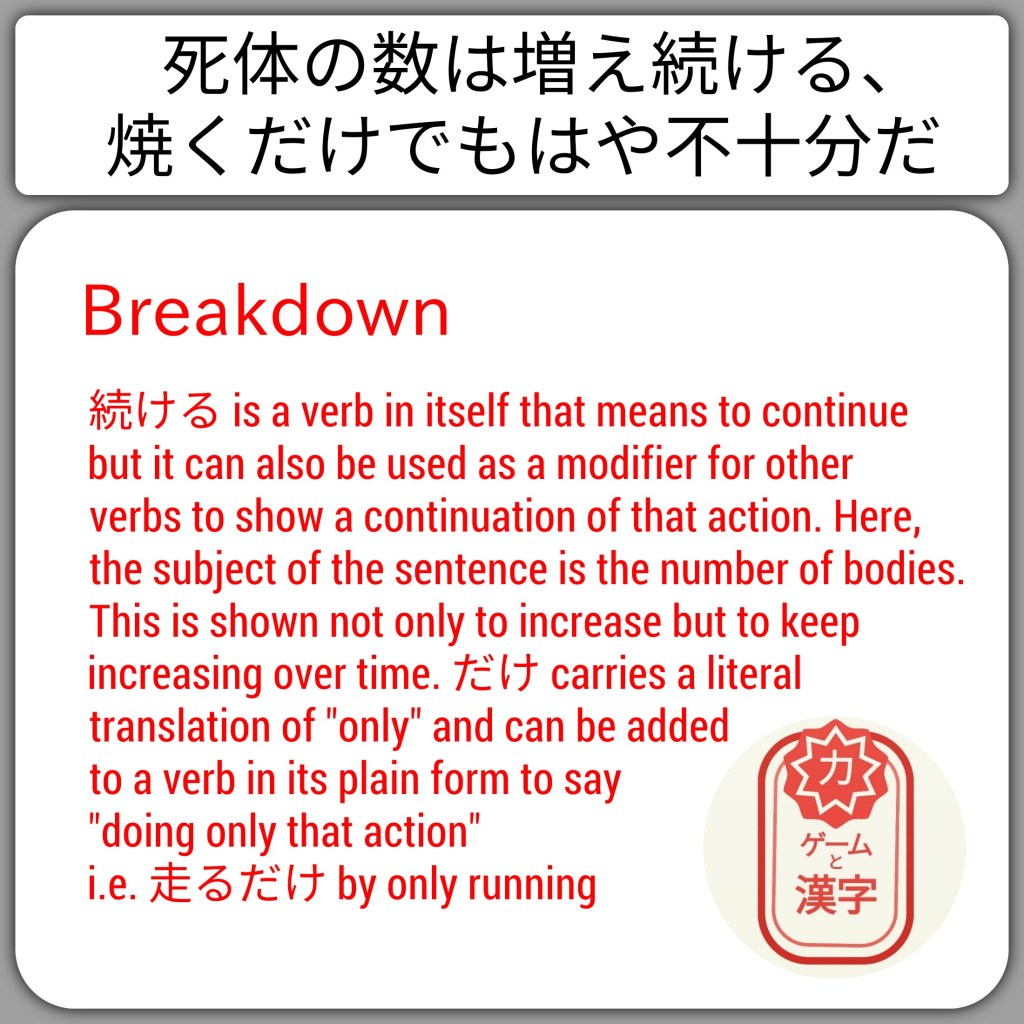
The bulk of the text you will be reading comes from the variety (and I mean variety) of weapons, equipment and pick-ups on your travels. Starting with the simplest of these, items such as mere food and money pick-ups come with a text box describing the type of meat or gem respectively. This expands much further with the equipable items as not only will you get a description or a quote referencing the pop culture classic the object has been inspired by, but you will also get all manner of explanations for the permanent effect of the item and the interchangeable and random additional effects. This language is unbelievably beneficial, especially for new and intermediate learners, as it is uses simple but effective grammar breaking down the stipulation for certain requirements and the outcome if achieved. I often refer to this type of writing as statistical language. It’s instructive, efficient and to the point, if you do “A” then “B” will happen. A lot of the effects have a similar outcome, such as critical hits occurring or the rate of your attacks increasing, but many weapons in particular have amusing effects that, through the power of humour, will strengthen your learning experience. Some of my favourite examples are the spartan sandal from 300, the frying pan from tangled or Gordon Freeman’s crowbar from half life.

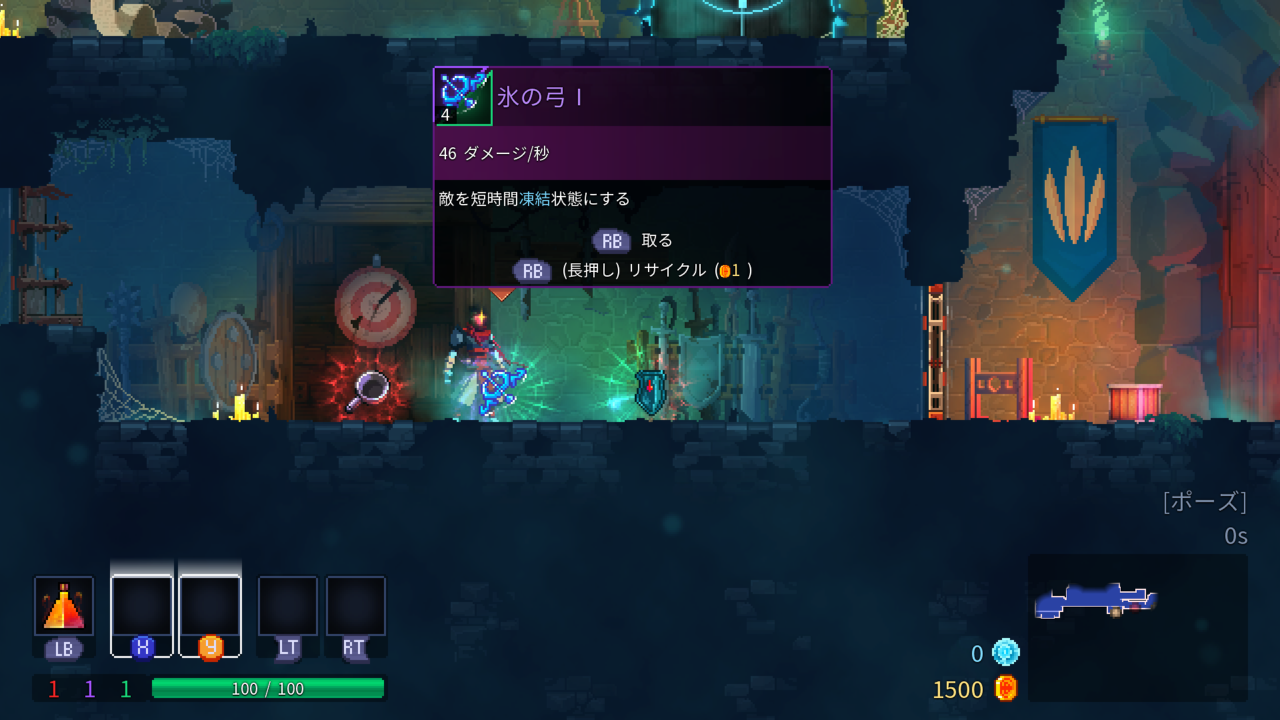
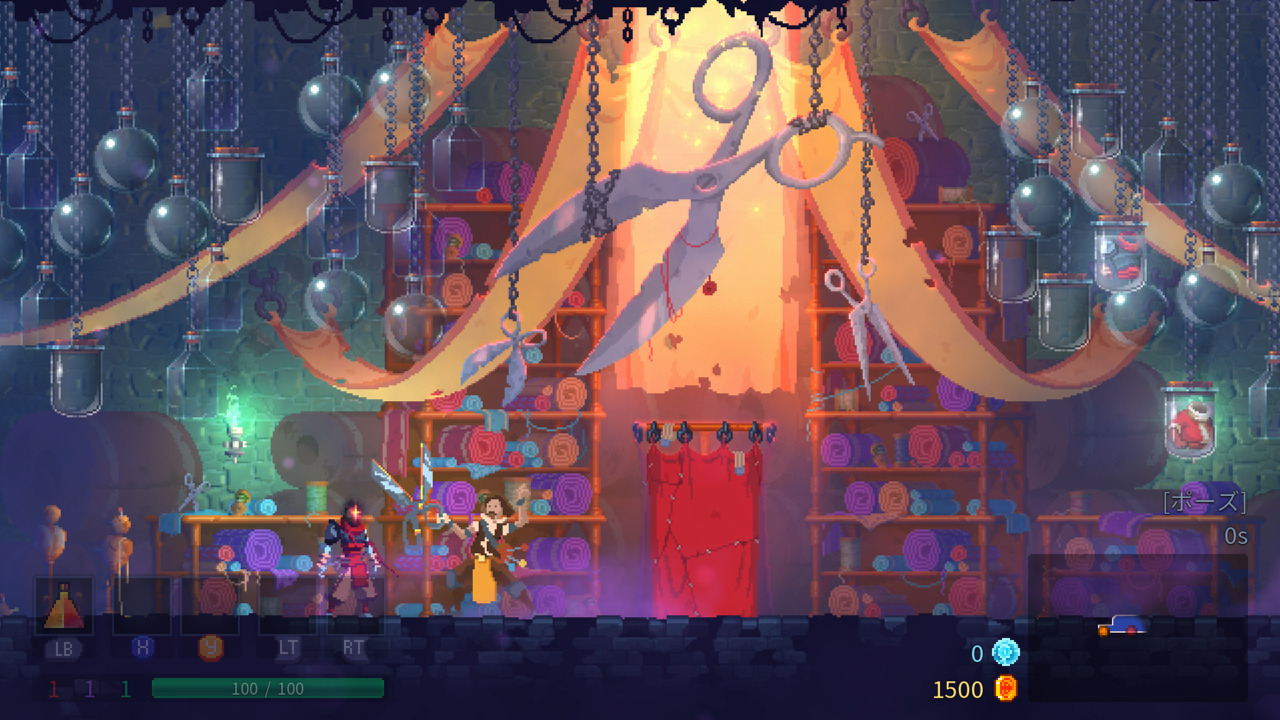
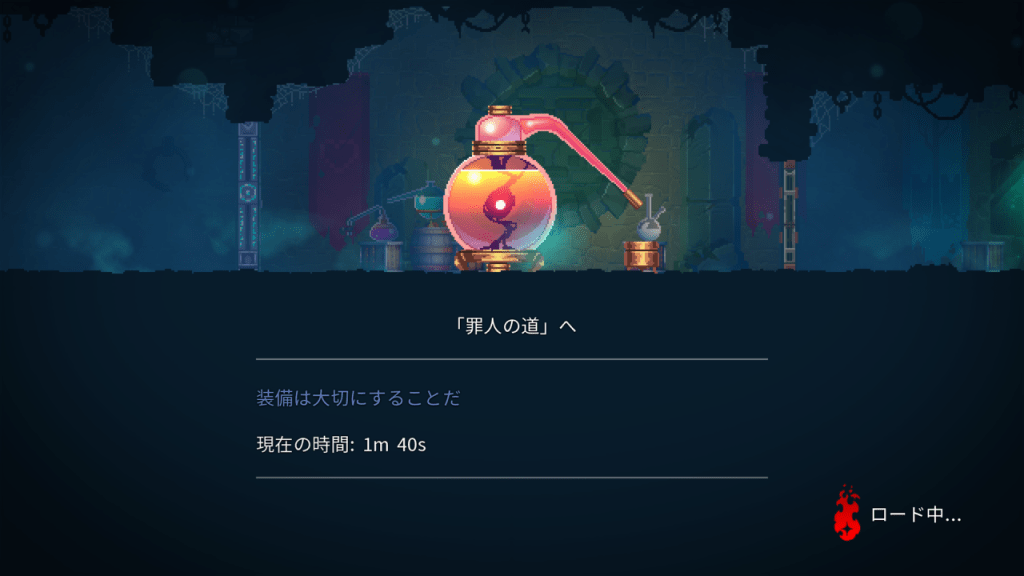
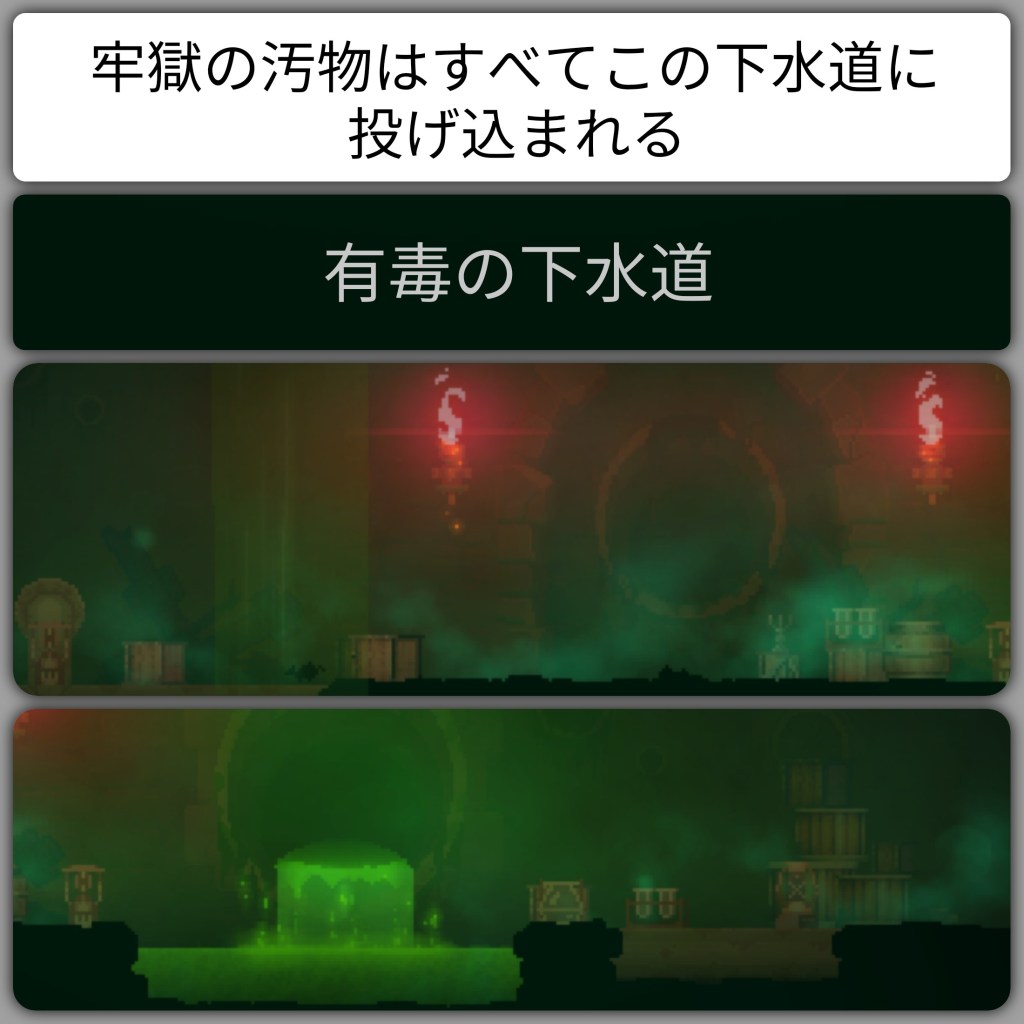
It doesn’t even stop there as you also receive stat bonuses and permanent upgrades between areas which can completely vary your playing experience and, of course, come with their own breakdowns and descriptions. This all comes with the advantage of being able to pause your game at any point and review your currently equipped set up, allowing for you to set little tasks or games for yourself while you study; see more below. These upgrades and weapons can also be seen at the shops throughout each floor and at the Safe regions as you transition from area to area. These areas in particular pause the clock for your run meaning you can run back and forth interacting with the NPC’s, menus and points of interest at will. Last but not least, during the loading screens, as you move from one spot to another, you will see a short excerpt of the area you’re heading to explaining more about how it relates to the previous area or the overarching role of the kingdom. This comes with useful location based vocabulary for the many sewers, towers, castles and caves you’ll be crawling through.
The game is almost perfect when it comes to acting as a learning tool. I personally don’t know of any rogue-like that I’ve played that has the same volume or frequency of language (however I’m more than happy to find out I’m wrong) and I have spent many an hour learning the words for status effects, numerical vocabulary and medieval synonyms for death and disease. There is not voice recordings for the dialogue but I will say that I think that is befitting of the style and setting so I can forgive this. The biggest obstacle is easily the gameplay as it’s highly addicting and if you don’t control yourself or ensure you’re in a location with lots of reading material you can run and kill without learning anything. I can promise you will get easily hooked on both the language and lore, as well as the playability of Dead cells. I will be using this to strengthen my language for the ongoing future and don’t see any sign of stopping.
Challenges and Method – 8/10
Inventory review
As you start your run you will have very few weapons, support items and upgrades. so what I tend to do, and encourage you to do, is to open up your equipment screen and read everything you can see. This may involve looking up some new vocabulary but that is actually beneficial for this method. Once you’ve read everything (out loud, if you’re feeling brave) play through the stage you are on, collecting things as you normally would. When you have reached the hub and have upgraded yourself as much as possible get ready to leave but review your inventory again. This is an opportunity to revise the vocabulary you learnt before and learn an ever increasing menu or terms. By the time you get to the later stages you will have theoretically engrained the vocab from your favourite weapon into your brain!
Previous Posts


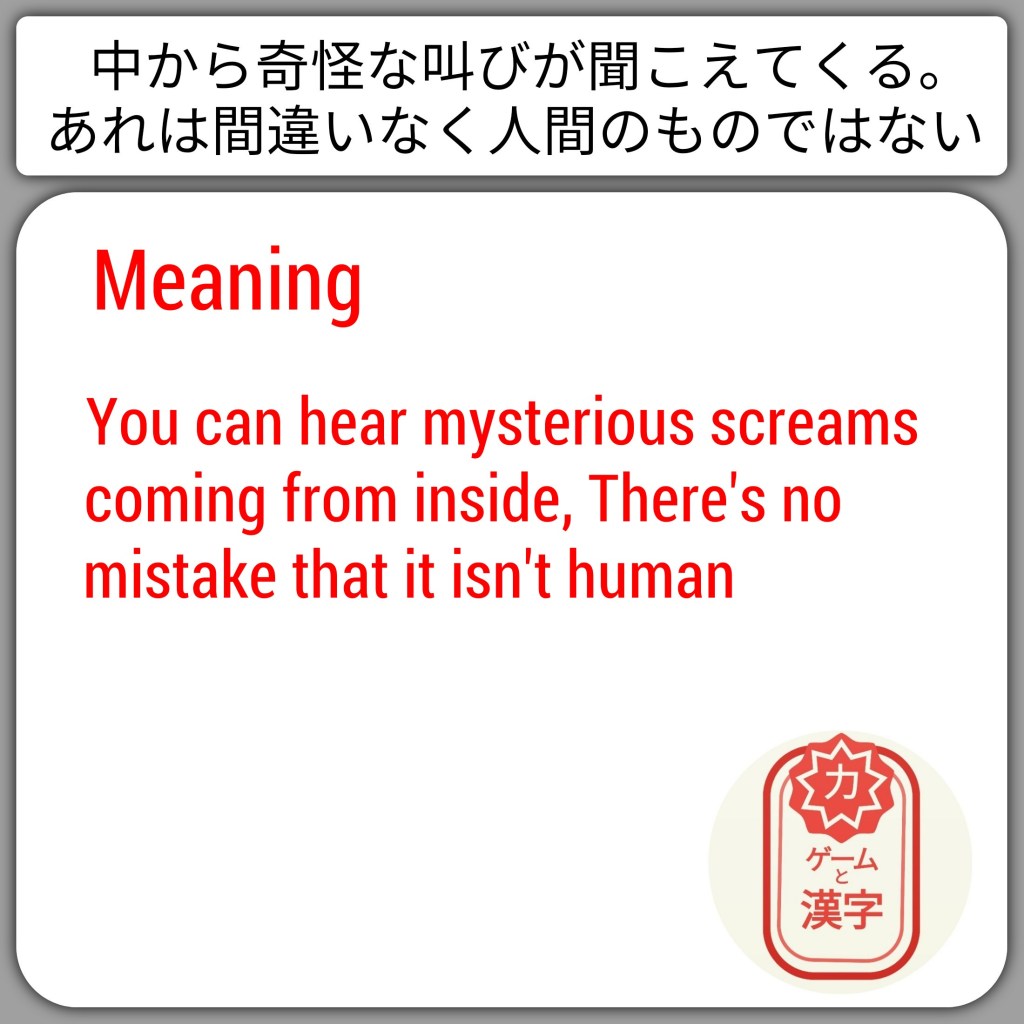
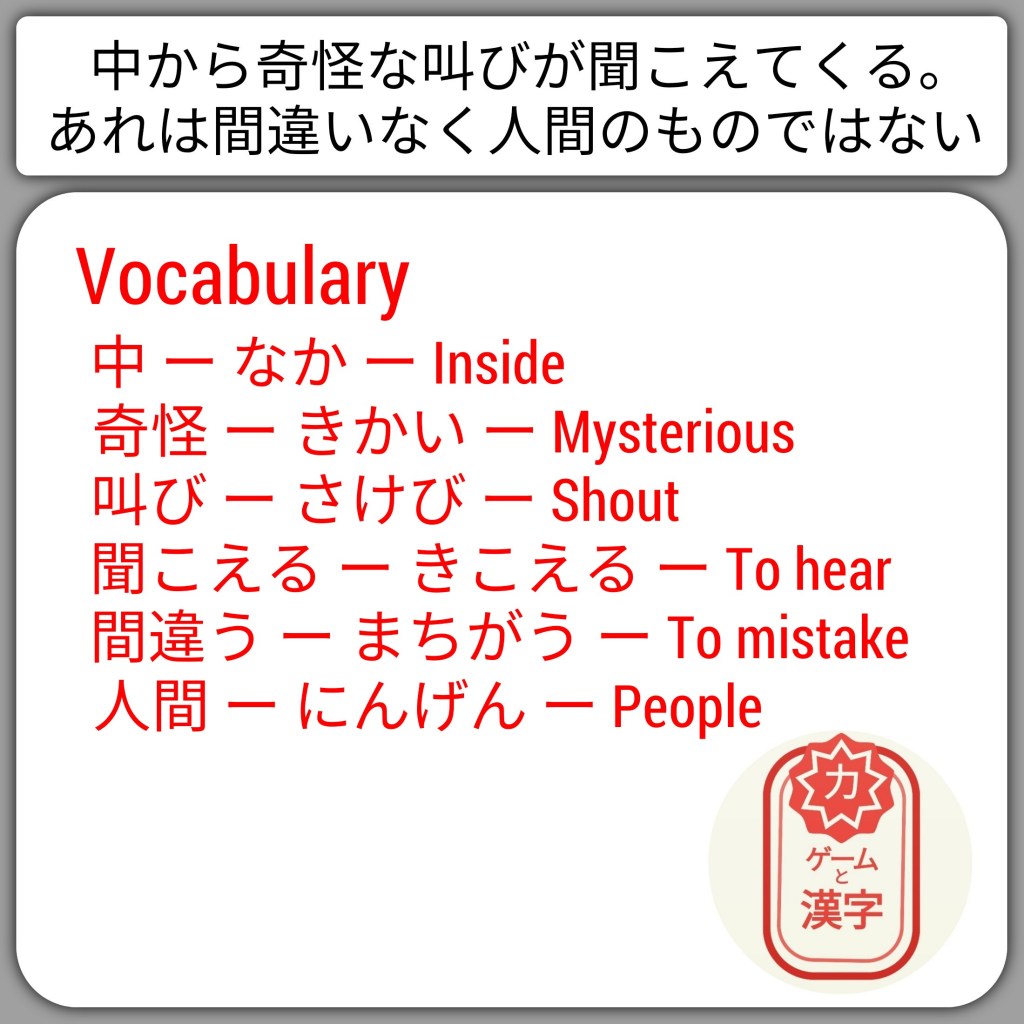
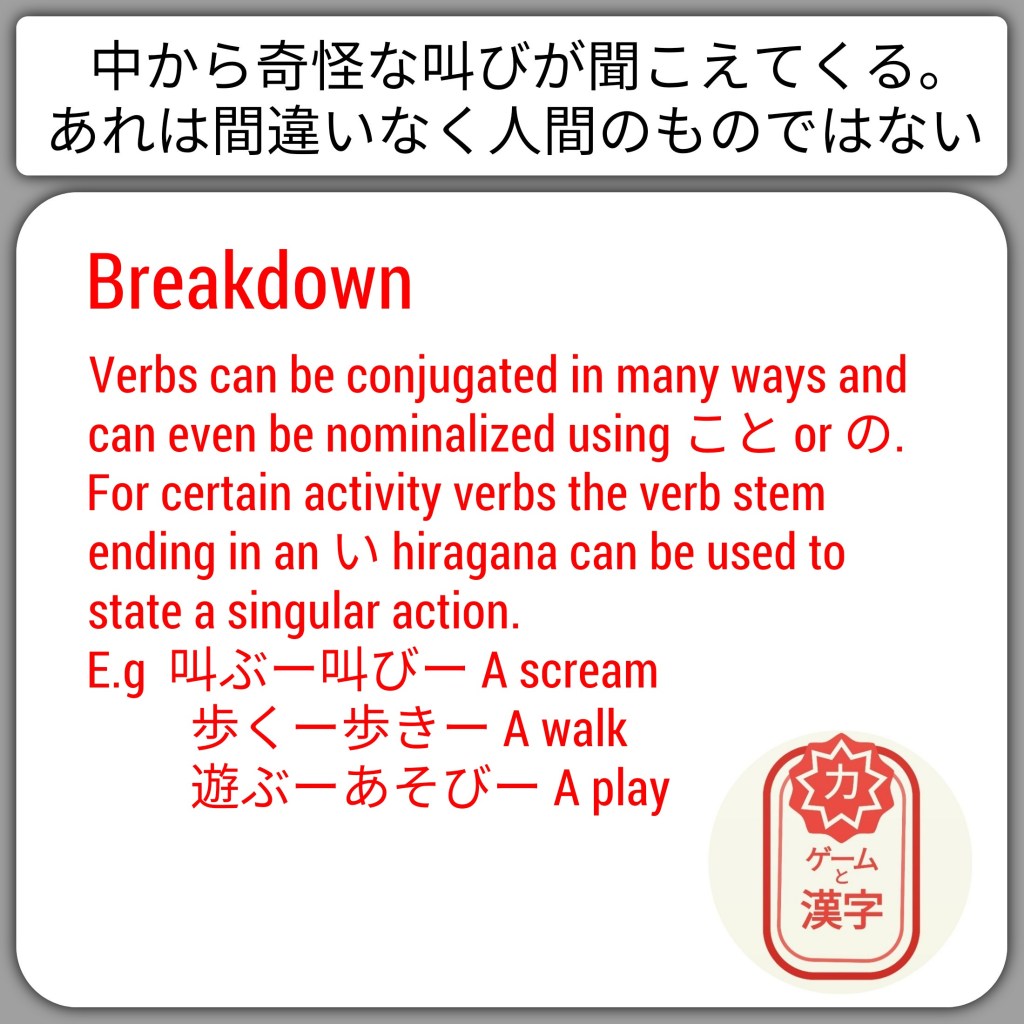
 Games & Kanji
Hi there to every body, it’s my first pay a visit of this
webpage; this blog contains amazing and genuinely good material in support of visitors.
LikeLike