
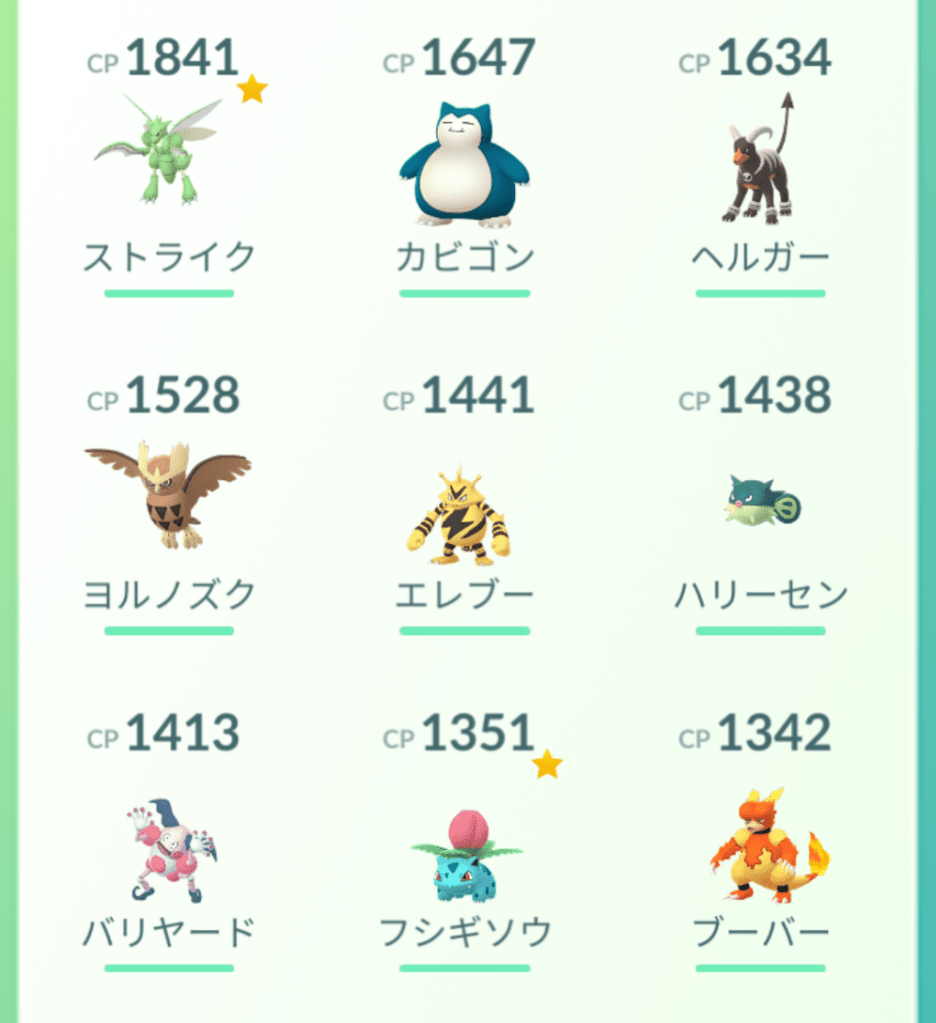
Since its inception back in 2016, Pokémon Go has made looking after your digital critters a wide spread trend akin to the old days of Tamogochi™. For those of us that grew up with Pokémon and now perhaps have less time on our hands it also makes for a great way to keep up with the ever increasing Pokédex entries and adds a bit of levity to the 9-5’s. Being able to catch Pokémon from all regions, coupled up with the brilliantly integrated return of the Poké-buddy system, makes enjoying your adventure with your favourite pal at your side all the easier!
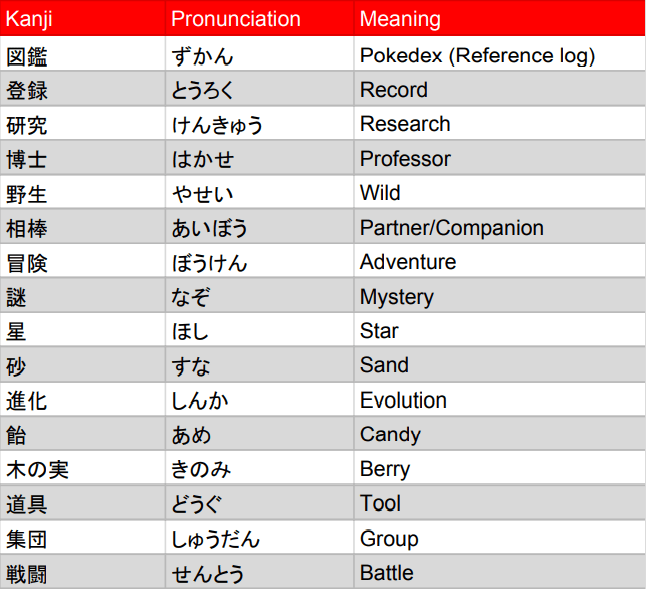
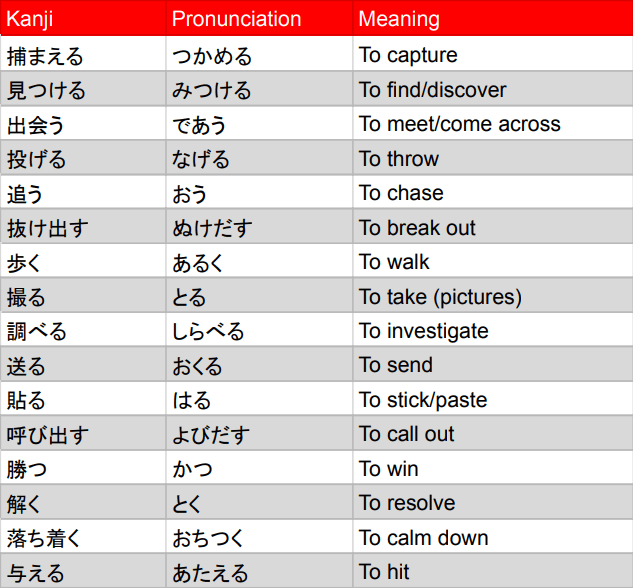
Glossary

Platforms and Language – 3/10
Pokémon Go is only available on Mobile devices although does have some integration with other Pokemon titles including Let’s Go Eevee™ and Let’s go Pikachu™ . The game itself is free to download however it does support microtransactions for items and an increased Pokédex capacity.
The language settings cannot be changed within the app and as such you will need to amend the language settings of your device in order to play the game in Japanese.
Usability – 8/10

By the very nature of Pokémon games, you can expect a lot of repetition when it comes to capturing, battling and raising your Pokémon. This comes with a myriad of advantages, mostly relating to what I would call “Metric vocabulary”. This would be items such as “this Pokémon has been caught”, “that wild Pokémon has appeared” and the usual stats including size, weight and characteristics. The vocabulary found from these menus isn’t overly vast and can be learnt relatively quickly. These items also use beginner to intermediate language and grammar so is beneficial to early learners.

The wider expanse of dialogue and more descriptive text comes from the daily tasks and their descriptions, Player medals and the abundant Pokédex entries. Firstly the tasks, these come with a snappy and to the point title, which is often 8 words or less, and a brief instruction of the parameters to be met. As these change daily (or weekly in certain cases) it can be a good way to see a variety of instructive language. For a bit more challenge to this you can also interact with characters such as Professor Willow or Team Rocket and get a more conversational dialogue about the reasons behind the task at hand. Dependent on the character, this comes with with a touch of comedy in some cases and variety to the manner of speaking. For instance you’ll find that Professor Willow, while polite overall, can be quite colloquial compare to the bulk of text.
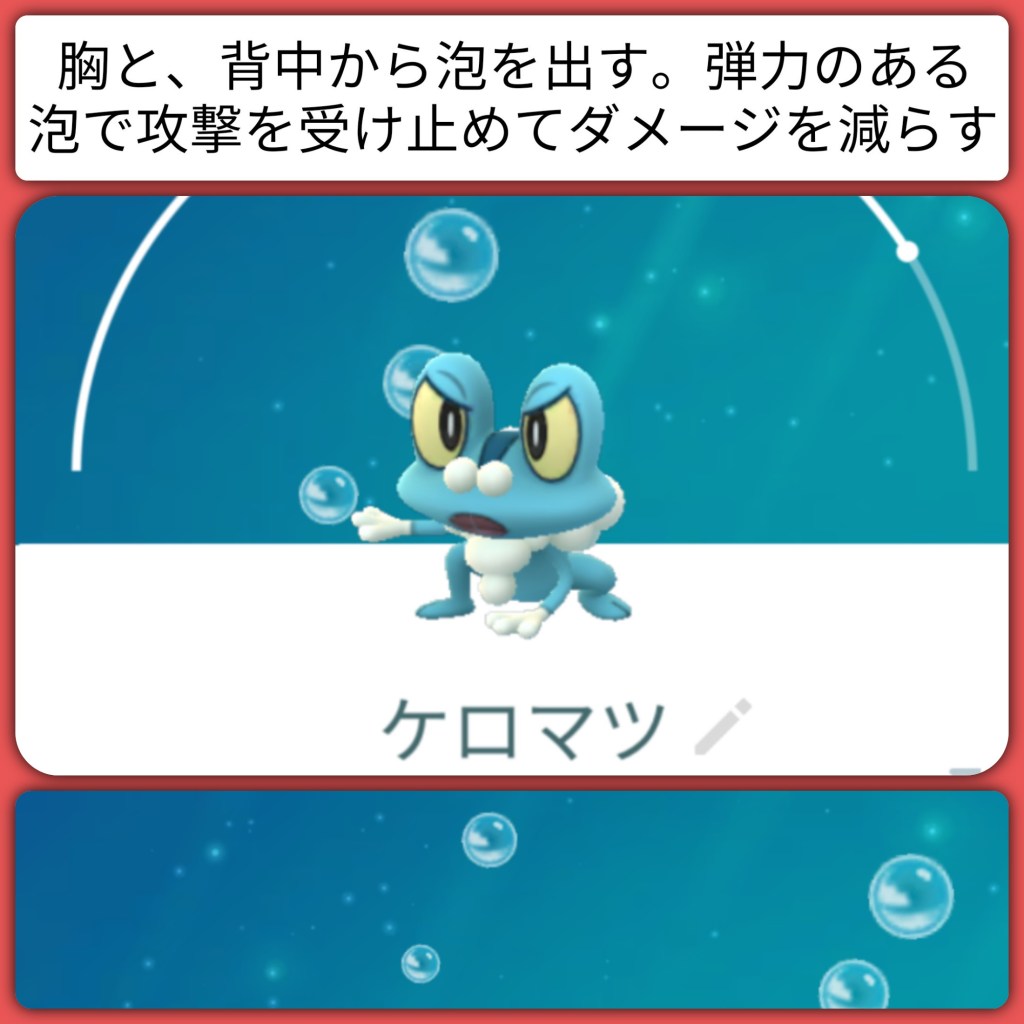
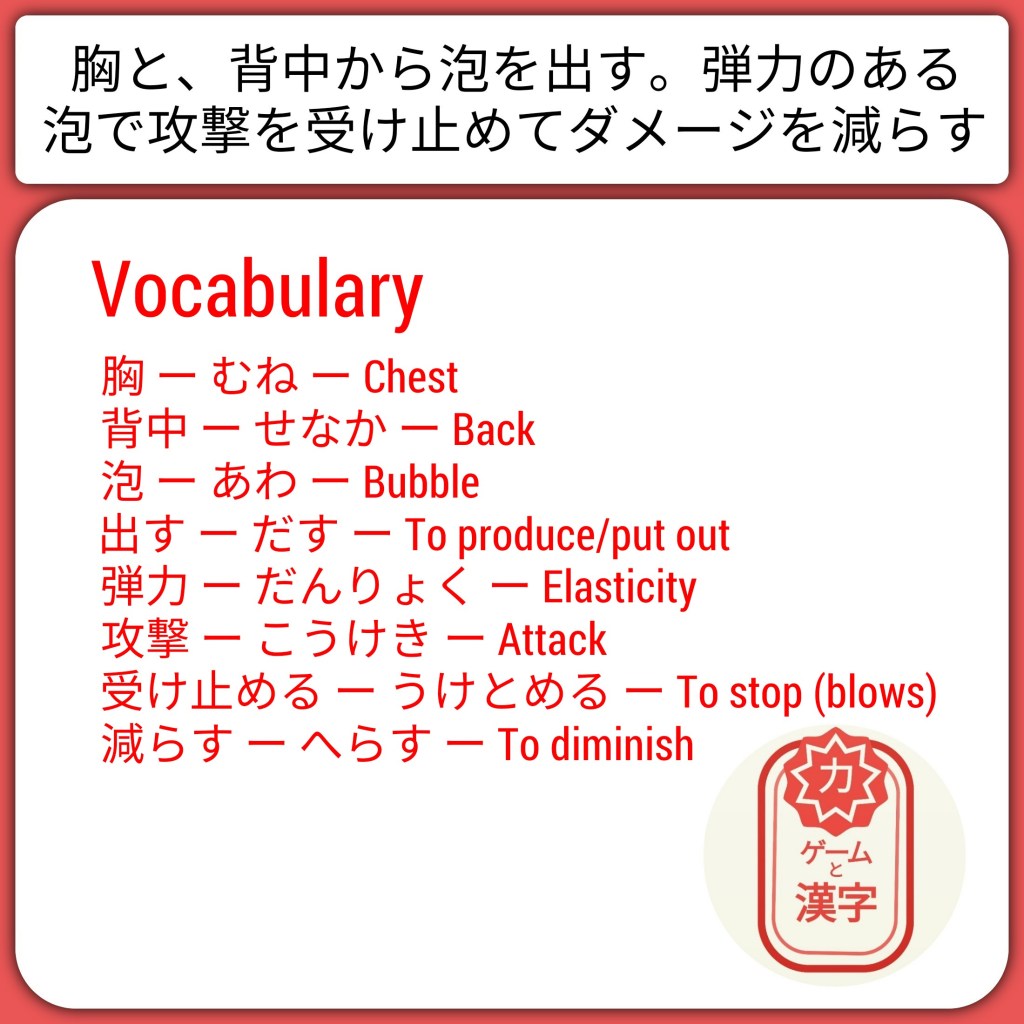
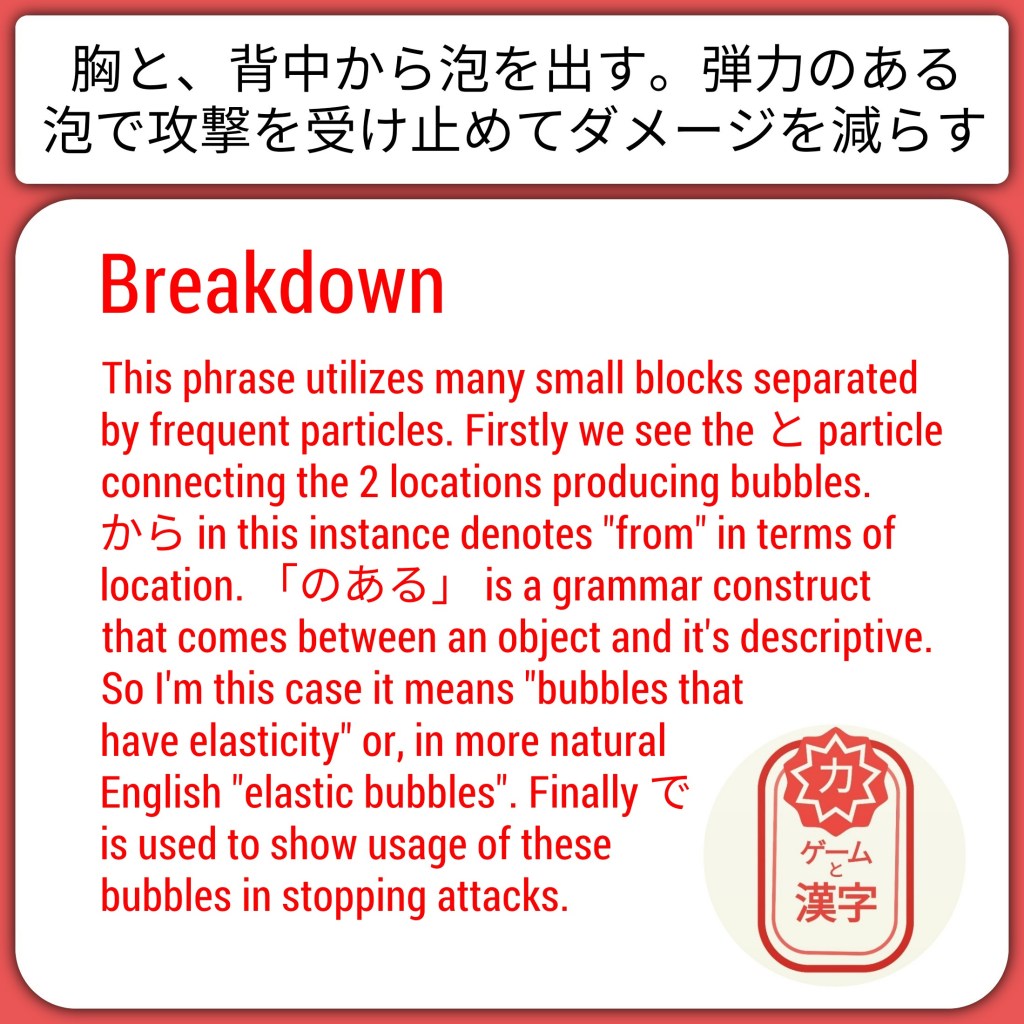
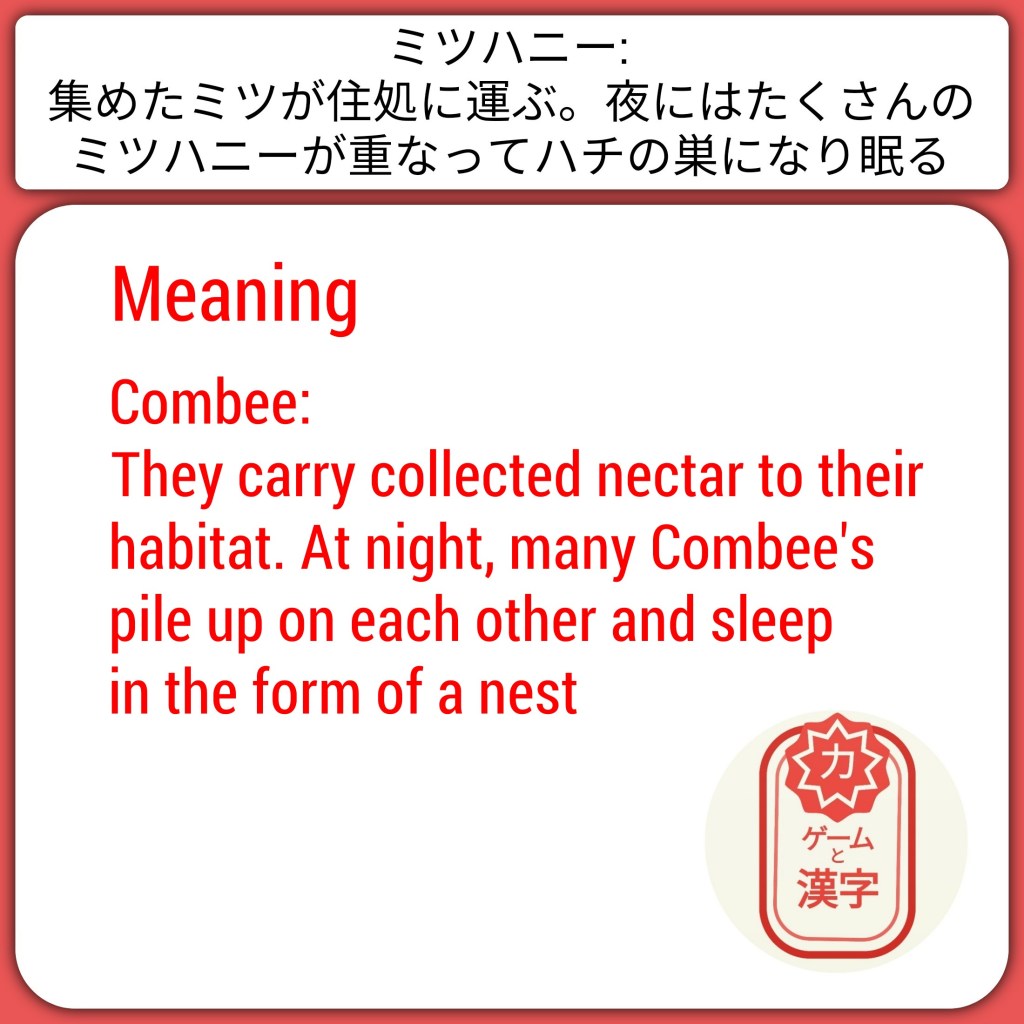
By far the most prevalent and advanced aspect when it comes to learning new words and phrases is the Pokédex entries. Each and every Pokémon will come 2 to 3 lines describing their elements, environments, folklore and all manner of anecdotes about what they do for their trainers. This means that descriptions starting from water can lead to vocabulary for bubbles, waterfalls, whirlpools and more. Grass Pokémon are compared to the plants that inspired them and how they interact to the weather. Each and every region and type has a short story that can be logically followed (especially if you already have an understanding of Pokémon) meaning you can enjoy building your understanding piece by piece and in certain cases find reused words for similar Pokémon in order to strengthen and revise your vocab.


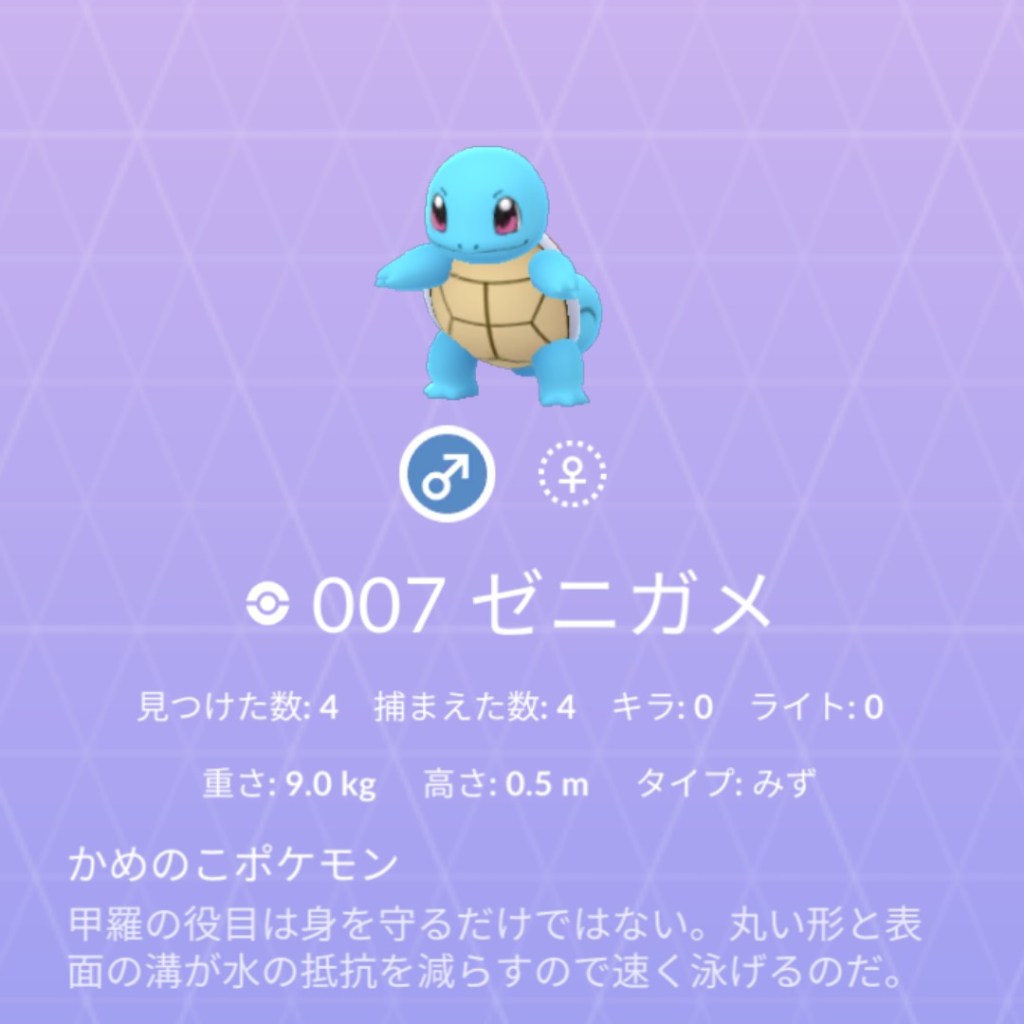
The overall presentation of Pokémon Go is clear, vibrant and easy to follow. In certain areas the text can become quite small but not to the point where it becomes illegible. All areas have good contrast making reading easy on the eye and the quantity of text rarely exceeds a few lines. As such, even with the expansive vocabulary it’s rare that the reading ever becomes cumbersome. The nature of collecting Pokémon while out on your travels, ready to read later on, also adds a level of excitement and pre-planning that can motivate you to make it a daily ritual. You will find that, after mastering the recycled words, the more intricate vocab you see is still applicable to the real world and even some conversations as it relates to biological or physical inspirations in real life. Those of you who have an interest in elements, fantasy or science alongside your passion for language will find this to be a near perfect addition to your studies.
Challenges and Methods – 9/10
Medals Galore
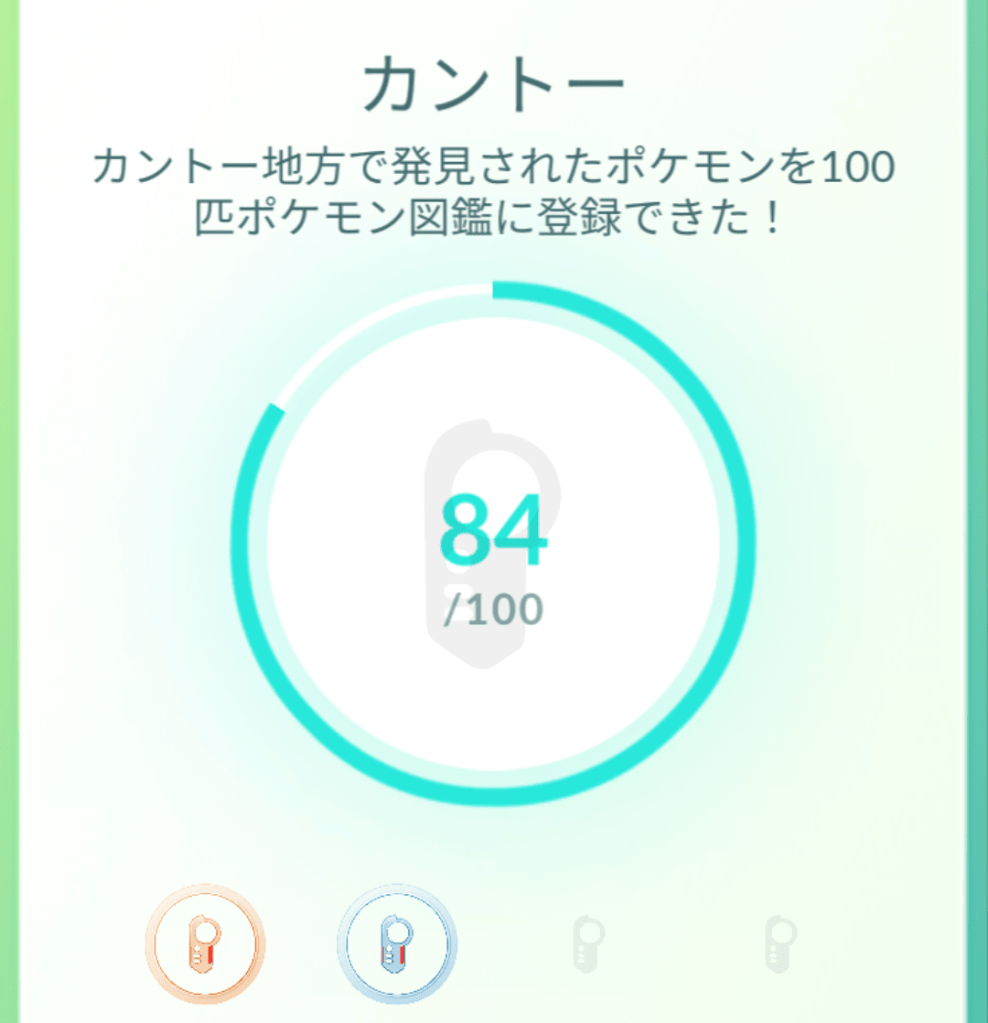
As mentioned above, the medals in this game are prevalent and varied. They are essentially the achievements of the game and come with additional perks such as making Pokémon easier to catch for each milestone. These medals can be found by tapping the player icon and scrolling to the bottom of the page. The challenge here to attempt to read through all 48 medal descriptions and titles. This is recommended for people fresh to the vocabulary as it will build a foundation for the words you’ll see most. For additional assistance review the above glossary to give you a head start. If you want to make this challenge more difficult and arguable more effective, see if you can read through all the medals in one go without consulting a dictionary.
How many Pokémon?
This is the big boy challenge, possibly one of the more difficult or maybe even the most difficult I can and will think of. Pokémon Go has in excess of 700 entries, not including regional variants and other event Pokémon. I would encourage reading each new entry as you catch new Pokémon, the added bonus is that the game makes this easier by highlighting your newly caught Pokémon when you check the bag. This challenge can be attempted at any point and I suppose would be easier if you’re new to the game and will become progressively harder. I will be in awe if anyone can read through all the entries without assistance in one sitting, I hope to attempt this myself once my Dex is full so watch this space if you’d like to see that in future. Happy Catching!
Previous Posts



 Games & Kanji