Playing games can be a mindless task at times. At the end of a long hard day it’s far too easy for a lot of people, especially childhood gamers, to pop on a video game and play through the evening in order to shut down a little bit. I think this kind of habit is probably what has led to the stigma of a lot of games and gamers being related to a tired and sedentary lifestyle. However, as with books, films and many tools found online, games can be beneficial if you apply a mindset of withdrawing as much information as possible. This isn’t to say that you have to remain hyper-focused at all times but there are a few states in which you can play that will affect your uptake of knowledge. Obviously this applies to more things than just language but I’m going to focus on that here and breakdown how each one works.
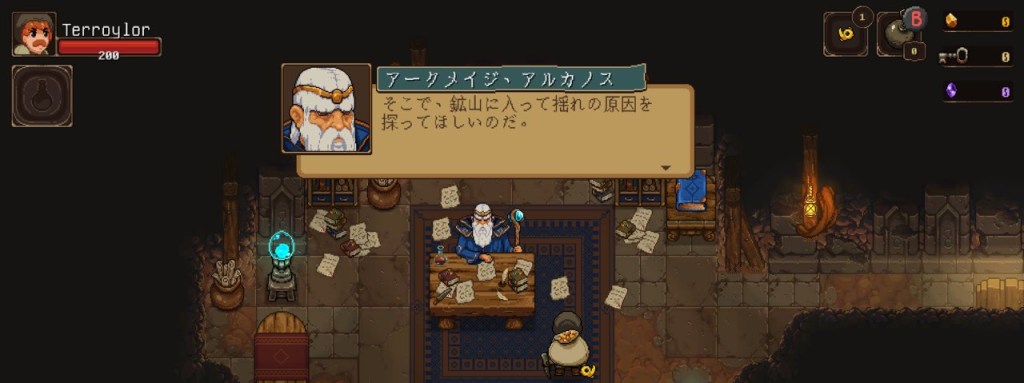
Muscle Memory/Low intensity
For many games the primary objectives may differ slightly but for the most part they follow a similar route and outcome. Not only this but in most cases you’ll have to carry out these actions a handful of times too. If a game is not particularly story or dialogue based, such as rogue-likes or shoot-em-ups, then you may not even need to understand the quest in order to complete it. If you do need to, it may be a matter of seeing the keywords from the quest giver and “winging it” based on habits. Over time this will develop gaming muscle memory, which is fantastic for speed running and online multiplayer games, but not so good when you want to learn. In this state you can often find yourself playing for an hour or longer without really investing in the language. This doesn’t have no benefit but you shouldn’t expect to develop conversational fluency from it; maybe just a few words an hour if you’re lucky. Games that encourage this sort of play can often have long stints of no text at all getting you into a fully game-centric playstyle. Even if the text and conversations are good, these large open spaces of gameplay only make it almost impossible to maintain a strong focus. Examples of this that I’ve seen so far are Celeste or Cuphead, both fantastic games but not ideal for studying.
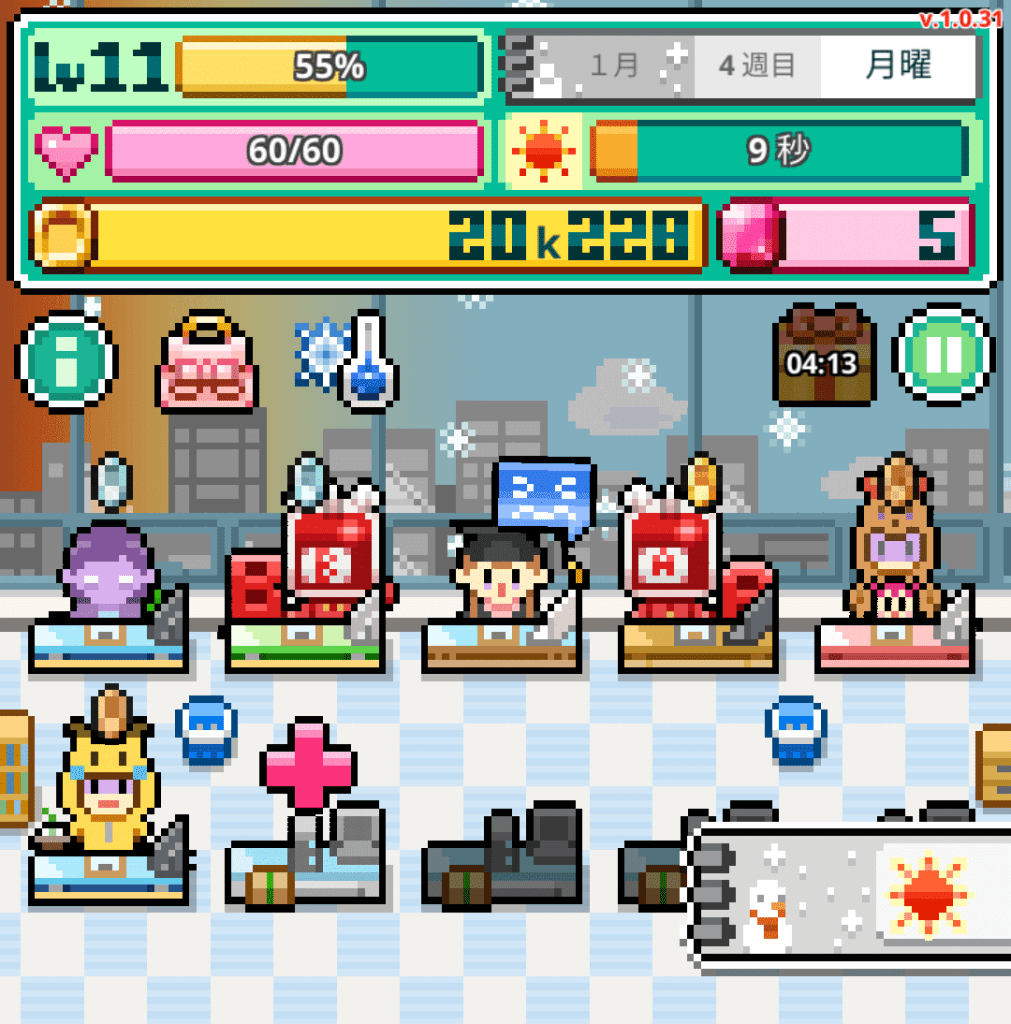
Muscle Memory/High intensity
As the name implies this state is very similar to the above but is brought about for a very different reason. Rather than having to clear frequent objectives with relative silence between, certain games tend to have a lot of language and other stimulus going on all at once. One thing that is infinitely valuable to people trying to read anything is the ability to stop and either focus on one aspect or look it up to better understand it. Due to this, games that are either time based or progress automatically at breakneck speed can be draining to play and read at the same time; so you’re brain does the natural thing and slows down, only doing what is necessary. You’ll find notifications flying back and forth on the screen but as you can complete your objective without them, and you’re against the clock, there is no incentive to focus. A prime example of this style of game is Workemon. It is jam-packed full of readable content but you are given no opportunity or incentive to better understand the text. As such you’ll find yourself in a state of just playing. Again this is by no means wrong or bad, as any time spent with your target language is beneficial, but if you would like to encourage progress there are more recommended ways to bolster your language.

Invested/Objective reading
You’ll be hard pushed to find a game that doesn’t contain words, but in certain scenarios you’ll find a game that relies on them. Games that are predominantly text based will have this feature but it also extends on to titles that use a lot of lore and narrative in order to guide the player. In these cases you can likely force your way through without understanding but your gaming experience would be better if you knew what the developers wanted you to do. When you come across these games it nudges you towards reading with a bit more focus and intent. You can likely get by just knowing keywords only but the context and grammar of the text starts to become more important towards completing the game. Here you may find that you want to note more of the vocabulary down, pause frequently to ensure you understand each textbox or data entry and then progress from a more educated position. Again these games don’t require you to be 100% invested at all times and you can play them on a lazy Friday afternoon just fine but you’ll find that the requirement to understand will build your understanding of the language quicker, even in casual situations. Prime examples of games that encourage this state are Phoenix Wright, Doki Doki Literature club and Junes Journey.

Stationary/”Nothing better to do”
All games have to load at some point, maybe that won’t be the case as consoles get better and better, but at least for now there will be occasions where there is nothing for you to do but sit and wait patiently for the next level or area to load. In many cases, especially with games that have good world building, you will have a brief dialogue describing characters, tips, regions or history of the game. If you’re lucky you can even interchange these phrases to read multiple items in one loading screen or even have a picture representing the text to add context. In these moments you may not be applying a lot of attention to learning but you will find that through the curiosity of the brain and the nature of reading itself you will be able to pick out the meanings of words and phrases you have learnt previously. I wouldn’t say it would be worth extensively looking up phrases in loading screens as they aren’t meant to stay around forever but if you would like to study them further than you may be able to screenshot them for later use. This state also applies in some ways to cutscenes in games. Cutscenes often don’t require input (QTE’s aside) so you haven’t got many options other than to watch, read if there are subtitles and passively digest the content. Cutscenes in particular give more incentive to pay attention to the dialogue as it will add weight to objectives both before and after the scene.
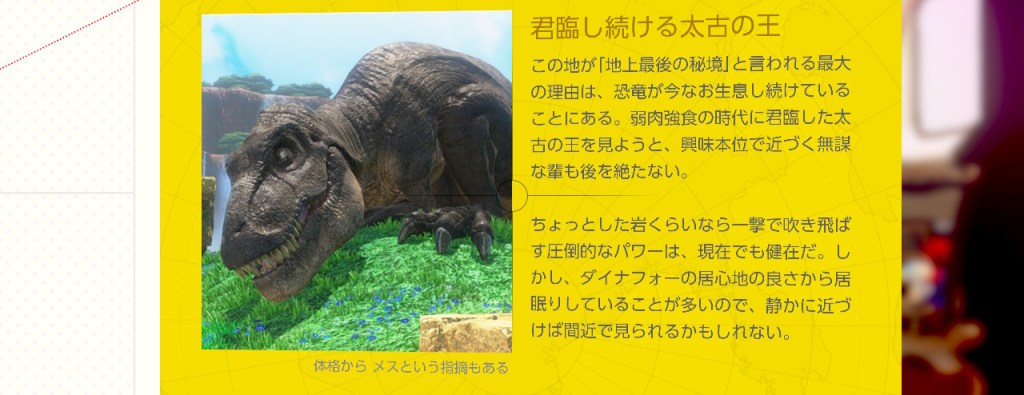
Full Study/Leisure Reading
More and more in the gaming industry games are coming out with backstory, lore and descriptions to read into. Even simple games such as Mario have expanded their usual contents in order to include juicy tid-bits about the world you’re playing in like in the above example. If the game is based around a topic or world that you enjoy you may want to invest into learning more about it, and as such, may find the thought of reading logs and entries in the back menus enticing. There is rarely anything within the games themselves that requires you to read these files so the only purpose for you reading them is for your own knowledge and enjoyment. Depending on your reading ability and enthusiasm you could either skim read or even read aloud. In terms of leisure you won’t need to use any tools to browse items out of interest, but this state does suit itself well to an actual study environment. This can include using a notebook and dictionary, laptops or whiteboards among other things allowing you to jot down potentially difficult phrases of vocab you would like to retain in order to improve. It does take willpower in order to maintain a consistent focus and not lose track of your objective but if you can overcome this and discipline yourself (less needed the more enjoyable it becomes) the results are worth the work put in.

Regardless of which games you play and which states of mind you are in while playing them, taking in media in your target language will hold many benefits. However if you do want to make the most of your opportunities to learn try to recognise which games encourage certain states of learning for you and which states yield the best results. The more intensive styles shown above my be better for someone who likes to read excessively whereas a passive uptake over a longer period may be more comfortable to others. The most important thing is to give it a try, enjoy yourself and use progress at your own pace. If you would like any tips or methods, or even some challenges that may get you into a studying mood, then either contact me on the tutoring page above or visit a game review for a title you enjoy in the libraries page.
 Games & Kanji