
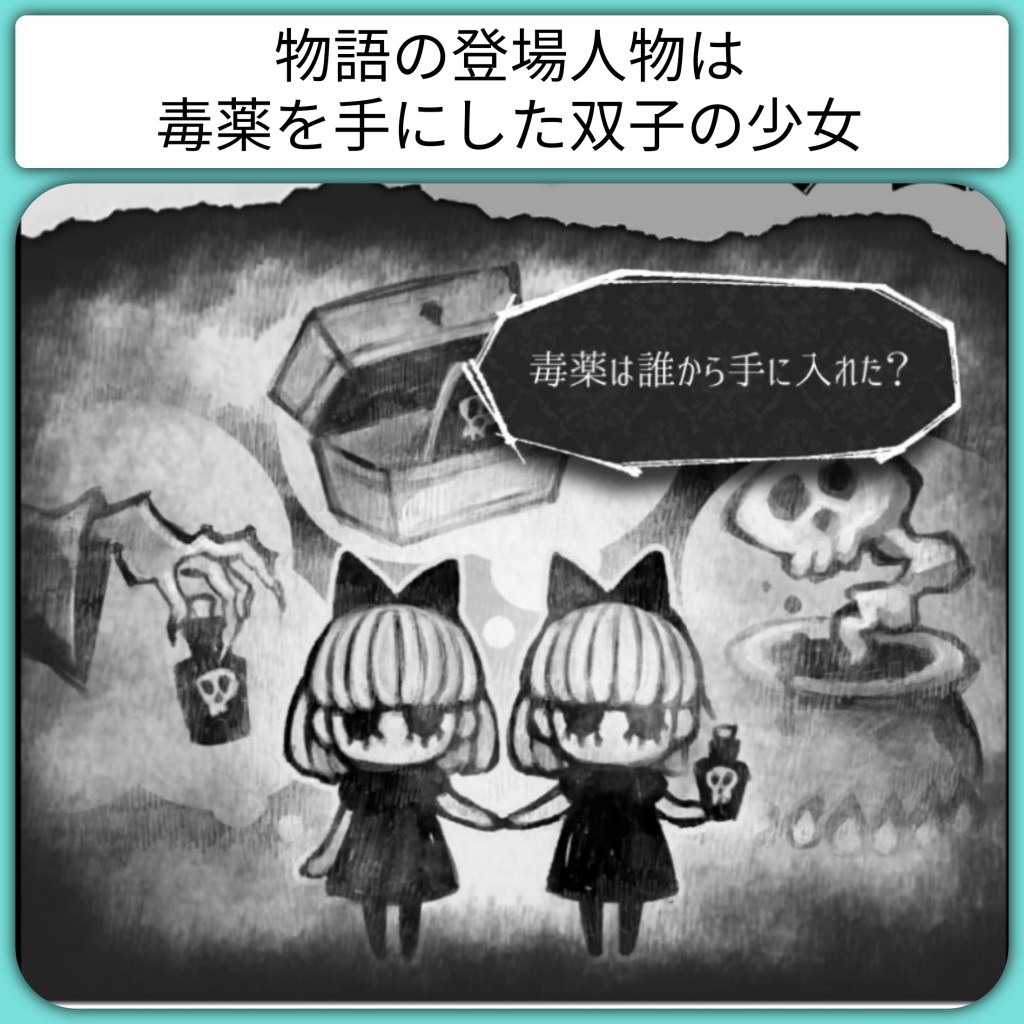
As far as games go, Alter Ego is mostly unlike anything I’ve played before. It shares parallels with games such as Killer 7 and Hotline Miami in terms of the inward reflection of purpose and sense of being but with a much softer and ethereal undertone. The playstyle of the game and the environments you spend your time in are monotonous and dreary but this is beautifully utilized as an aspect of the story rather than a hinderance. Time feels unending here and I suppose if I had unlimited time in a closed environment I can think of no better use of my time than to study while I’m there.

Glossary
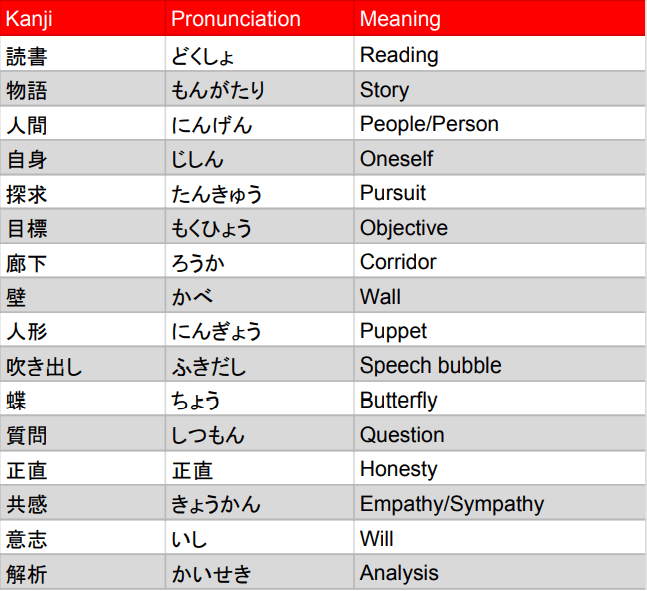
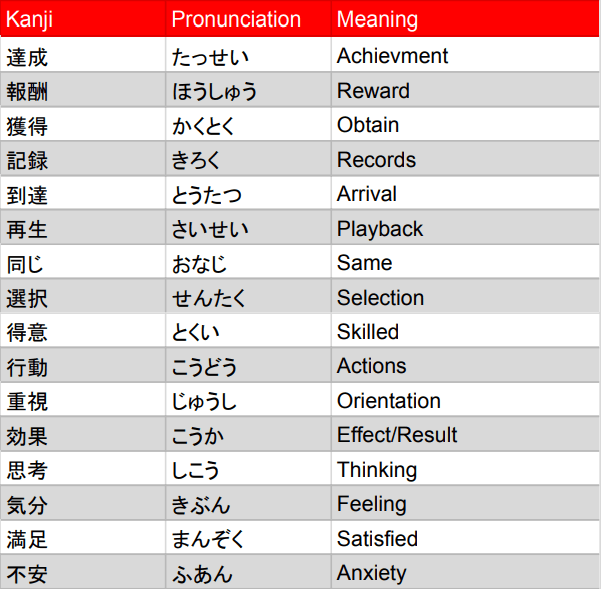
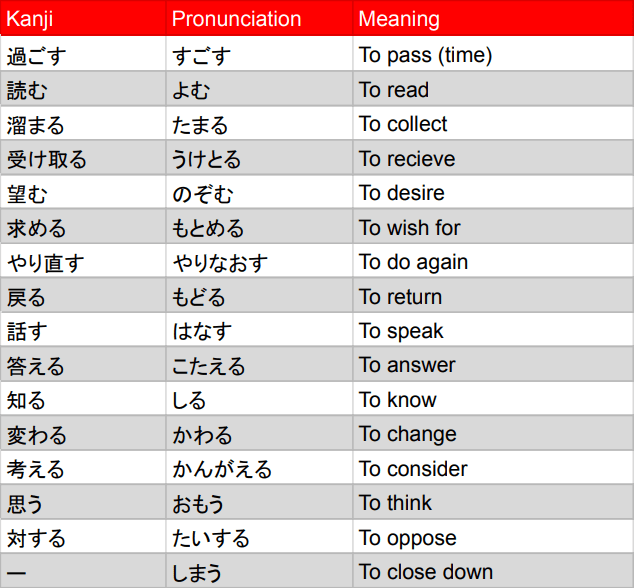
Platforms and Language – 4/10
Alter Ego is available on mobile only currently but is free to download both on Apple and Android. The language can be set in game between English, Japanese and Korean but only on the First menu, if you are in game and would like to change these settings you will have to close the application and reload to reach this menu.
Usability – 7/10
As stated above, Alter Ego can be a repetitive game. This is in part due to the fact it is a clicker game at heart. The story is based around collecting in-world currency, known as EGO, through reading pages and passages of books. The kicker is that reading isn’t entirely necessary for the most part and the game suffers little to no playability consequences for not taking in the language. However, if you are willing to invest yourself into the dialogue and reading it will aid with your immersion and overall learning in the long run, proving to be quite an effective experience.
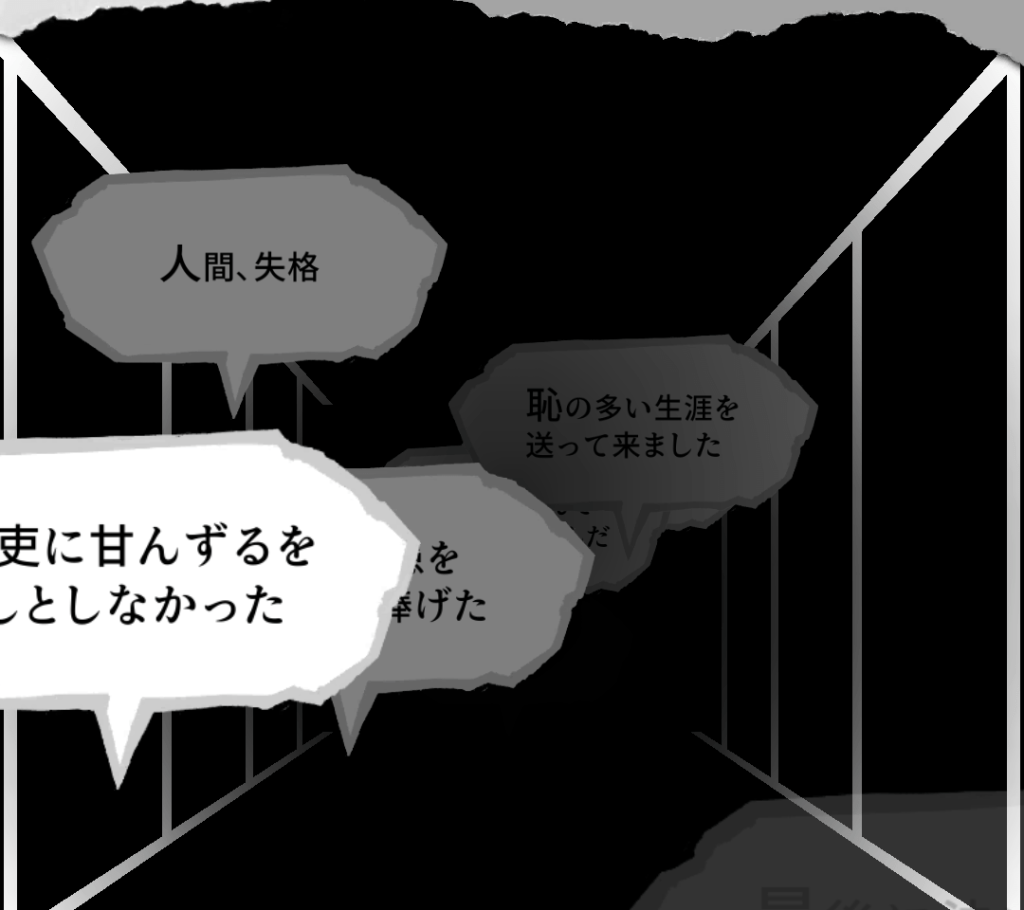
The first aspect that can be used is the main “play” area. This will have you proceeding down an endless corridor collecting speech bubbles of self-reflective notes. These speech bubbles move relatively quickly but are short, typically no more than 2 lines, meaning you can train your ability to read quicker. Helping with this is the fact that these phrases repeat from your available pool of book excerpts. If required you can prevent new phrases from appearing in these text bubbles by not opening further pages until you’ve familiarized yourself with the available ones. Each book can be opened when you have gathered enough Ego and holds a total of 4 phrases at set milestones. This means that as you naturally accumulate more books and pages (easily done if you want to experience more content) you have to train your mind to both read, remember and understand more phrases, almost like a natural short term SRS (spaced recognition system) in game.

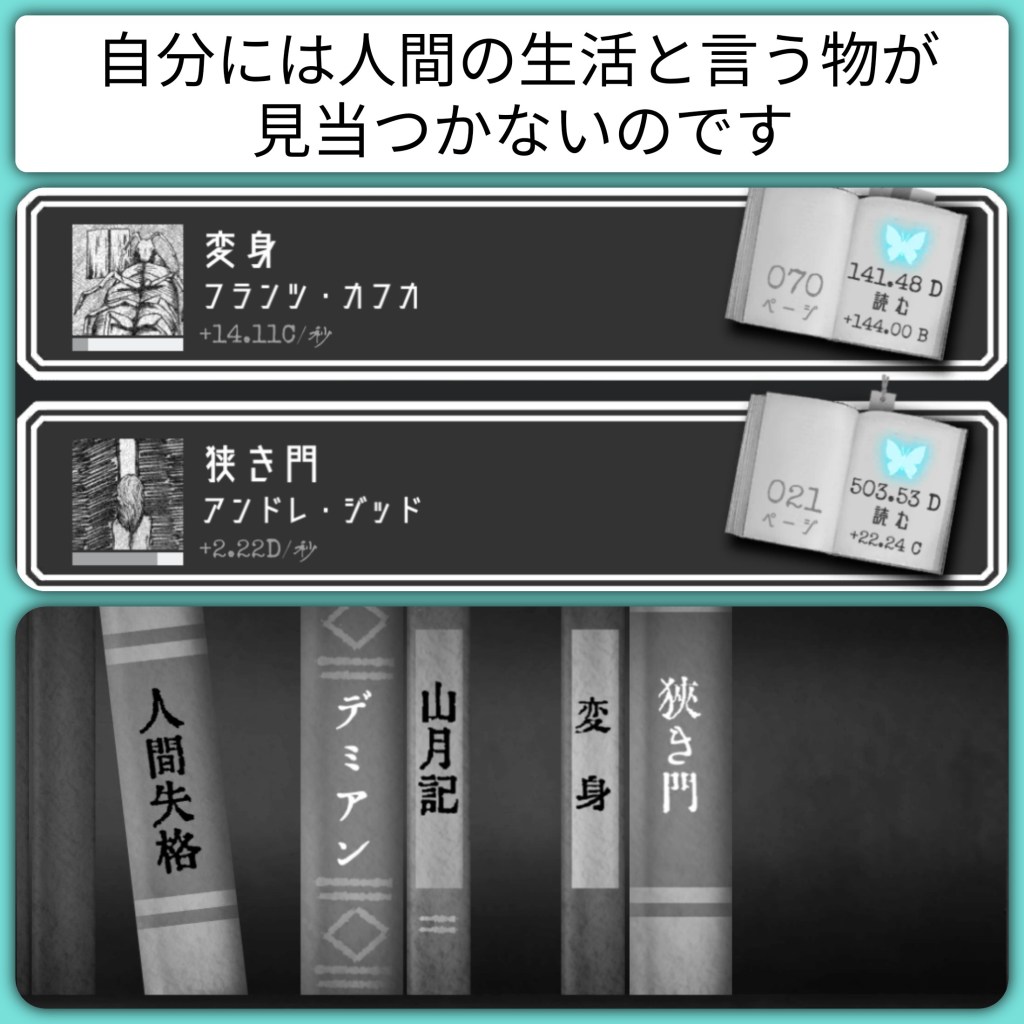
As you unlock these books you will find that they are stored in the library tab for you to read at your leisure. Here you can see the phrase associated with each unlock with no time constraints in order to master any tricky vocabulary. You can also read further into the stories behind each title to further understand the Freudian analysis that inspired the content. These books range from poetic and brief to more in-depths queries into the human psyche and the environment that causes it. The vocabulary isn’t especially difficult and due to the nature of the library it can be learnt steadily over time but you may find that the grammar for the more poetic aspects requires a bit of deciphering.
The other large aspect of the game is your interactions with Es. As you gather EGO you’ll be invited by Es to partake in a discussion where you will evaluate what you are, where you are and your reason for being. This will either be through direct queries of your viewpoints on existential questions or your perception of hypothetical and ethical scenarios. These instances come with multiple choice and push-to-progress text boxes meaning you can review both Es’s speech and how you want to respond to it. Following each of these intermissions you will receive a breakdown from Es discerning your disposition. These sections are a combination of descriptive language, both in the scenarios and in your reviews, and conversational dialogue. These interactions are also repeatable at the watch of a video meaning especially memorable or useful scenarios can be revisited at any time.
All text in the game is clear and shows nicely against the monochrome backdrop, the only aspects in which legibility suffers slightly is in the library books where the font can be small but is still clear enough in most cases to make and educated guess if the kanji is hard to make out.

Additional to the above mentioned sections you do also have an objectives tab that details your accolades and the benefits from them. This part of the game is small and won’t add much learning but will add to the playability of the game. All in all, Alter Ego is an interesting game to play, it is very much a reading-centric game however I feel that the incentive to read may not be enough to keep people investing for the long run. It’s a beneficial game to play during breaks or whilst commuting. I would recommend playing to a point where you have a good number of books unlocked and start to either feel diminishing returns or become uninterested.
Challenges and methods – 4/10
When there’s books, read the books
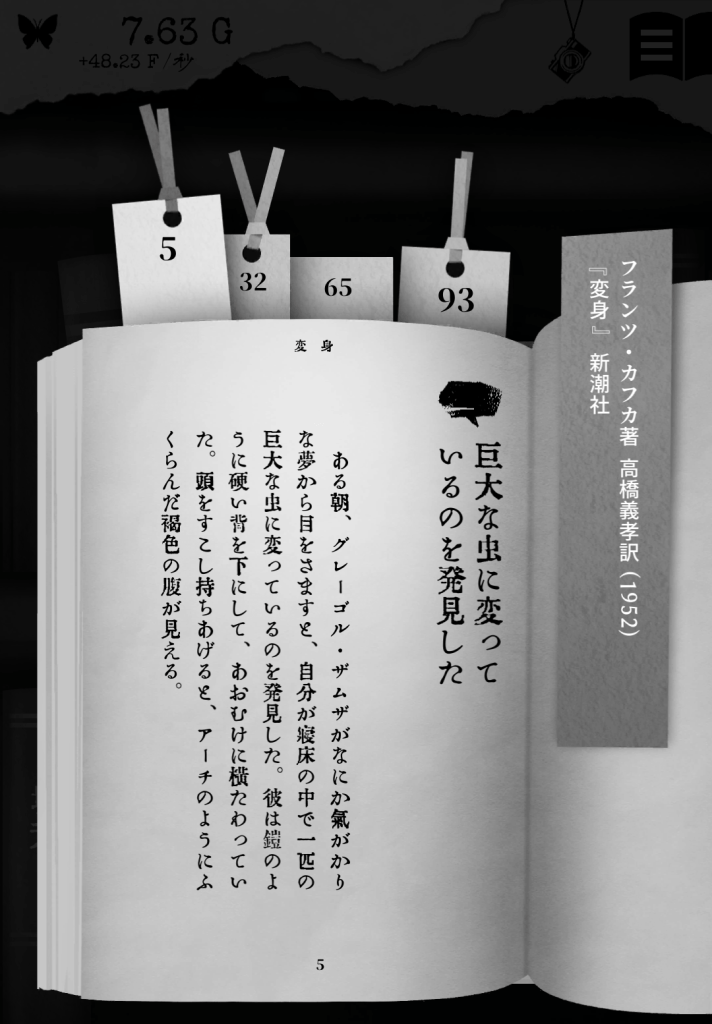
There are multiple benefits to reading the short paragraphs within each book. You’ll find that the vocabulary, even if unusual, can be picked up relatively easily in any dictionary. You’ll also have the added advantage that if you understand the books in the library you should be more comfortable in following the text bubbles in the corridor. I personally feel that investing in these books make the heart and soul of the game. The idea that all you have left to do in this world is to work out why you’re in it feels meta enough for you to want to delve into understanding the mentality, this tied with understanding the weight of the words in a target language form strong bonds into developing emotional use of your language.
An extra added bonus too is that the vertical structure of the writing is good practice for many novels you may read outside of gaming. It’s typical of a lot of games, especially western translations, to have horizontal Japanese so this is a nice opportunity to get more comfortable with this style of writing without having to carry a book round with you.
Previous Posts

 Games & Kanji