Pokémon has been made into all manner of iterations since its inception. From the ever famous photography simulator to the likes of Pokémon Go and Mystery dungeon. For all of this variety I was still surprised to come across Pokémon Café mix on the Nintendo store (for free too!) and I have to say it was a pleasant surprise. Not only was the gameplay simplistic and relaxing but the UI was beautifully clear and the art style was adorable. All in all it made for a treat for the eyes and a new way to enjoy some of the more cherished Pokémon favourites. This is one for lovers of cuteness and coffee in particular but don’t let the sweet visage fool you, there’s a lot to be learnt here.

Platforms and Language – 8/10
Pokémon Café is available for free on all mobile platforms and even on the Nintendo store for Switch. Of these choices I would definitely recommend the Switch port over the mobiles simply due to the hardware being smoothing and the visuals really being shown off. There is no DLC as far as I can see but you’ll find microtransactions for in-game currency for all versions.
The language can be set at the press of a button in the settings menu through the actual food menu button in the bottom left. There are 8 language options in total including Korean and Chinese.
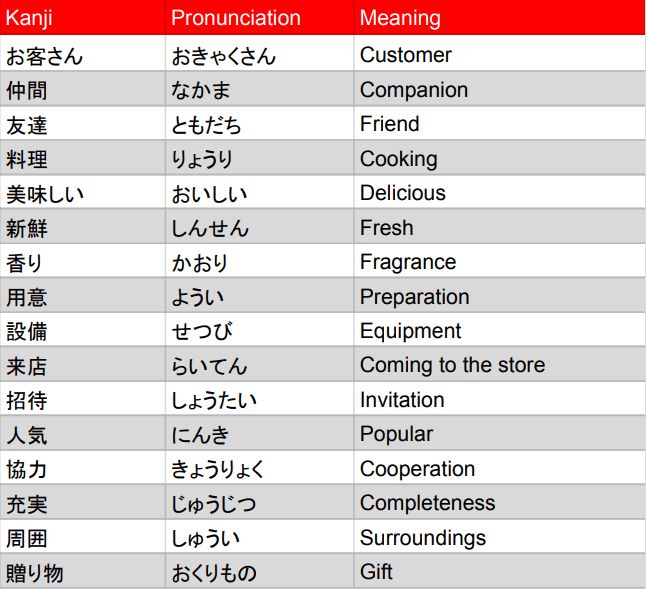
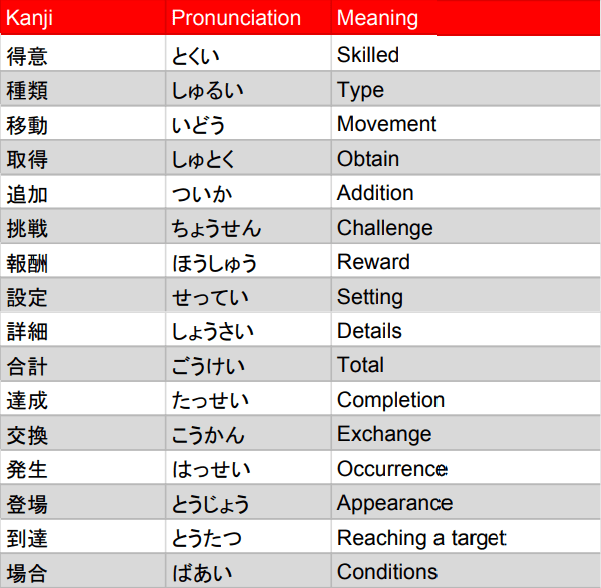
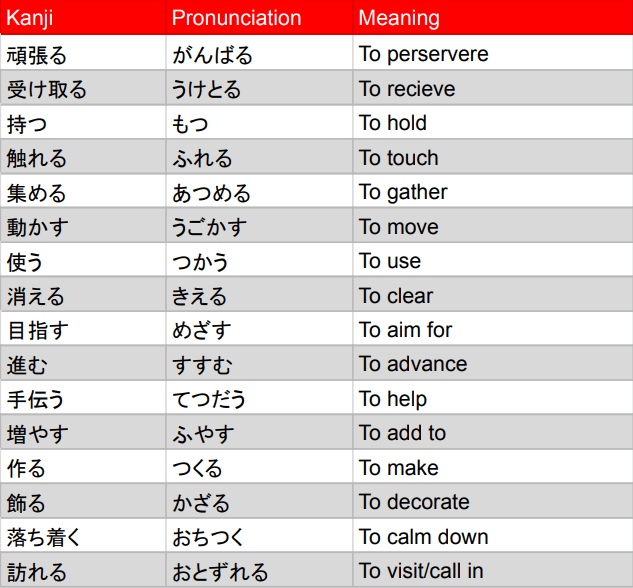
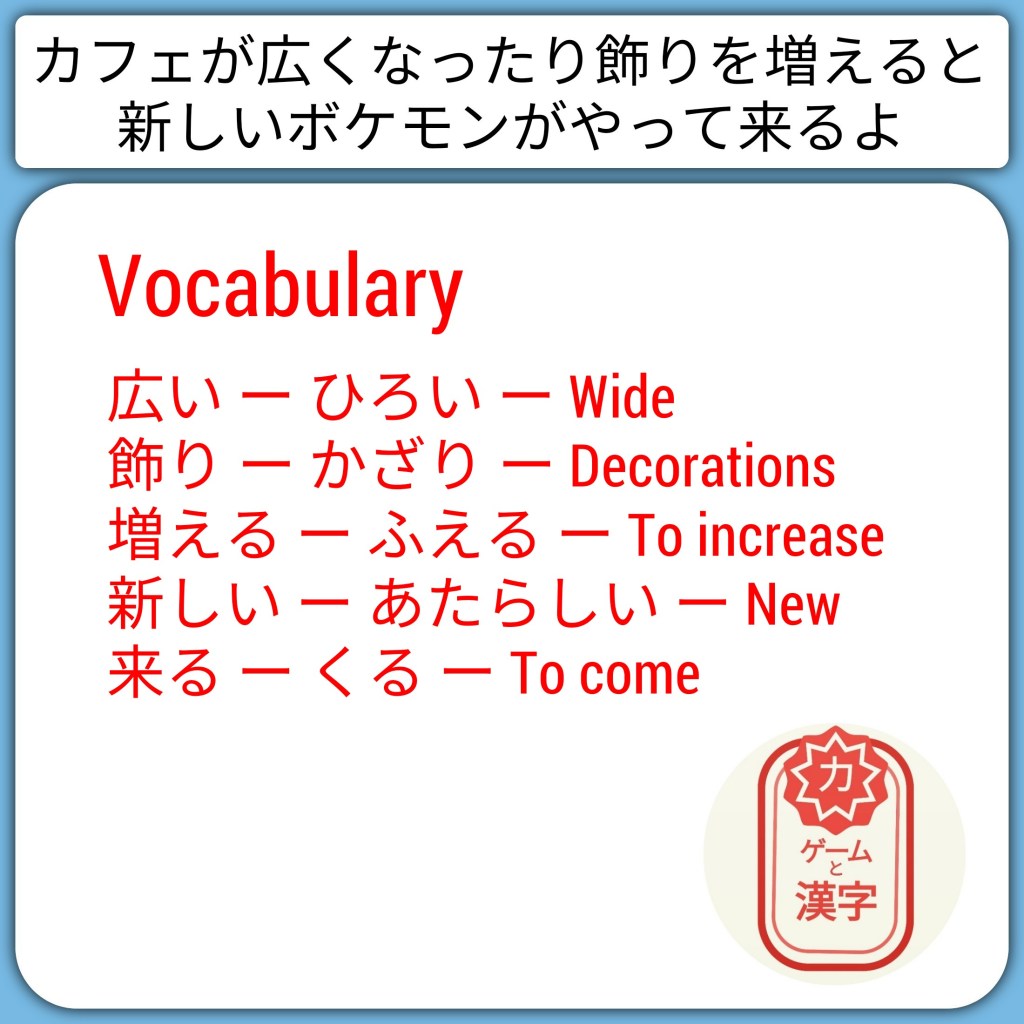
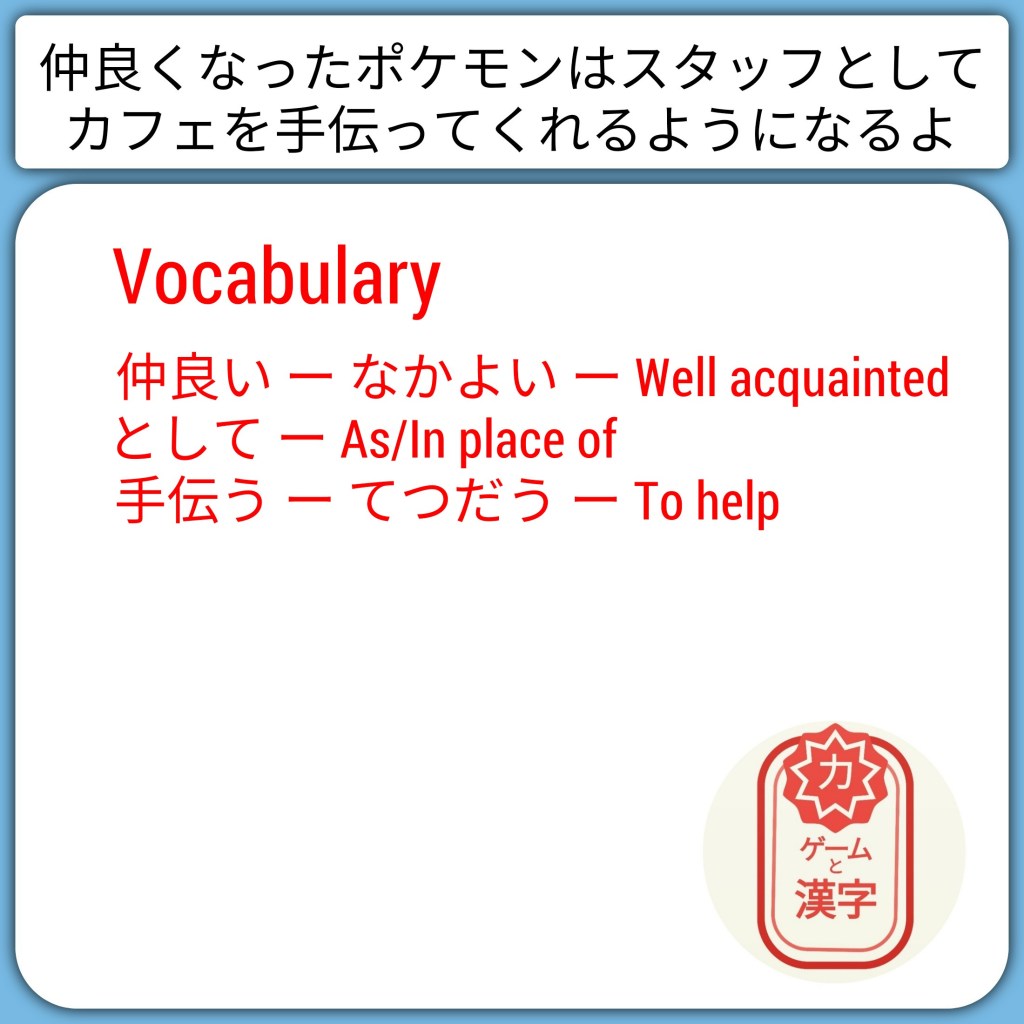
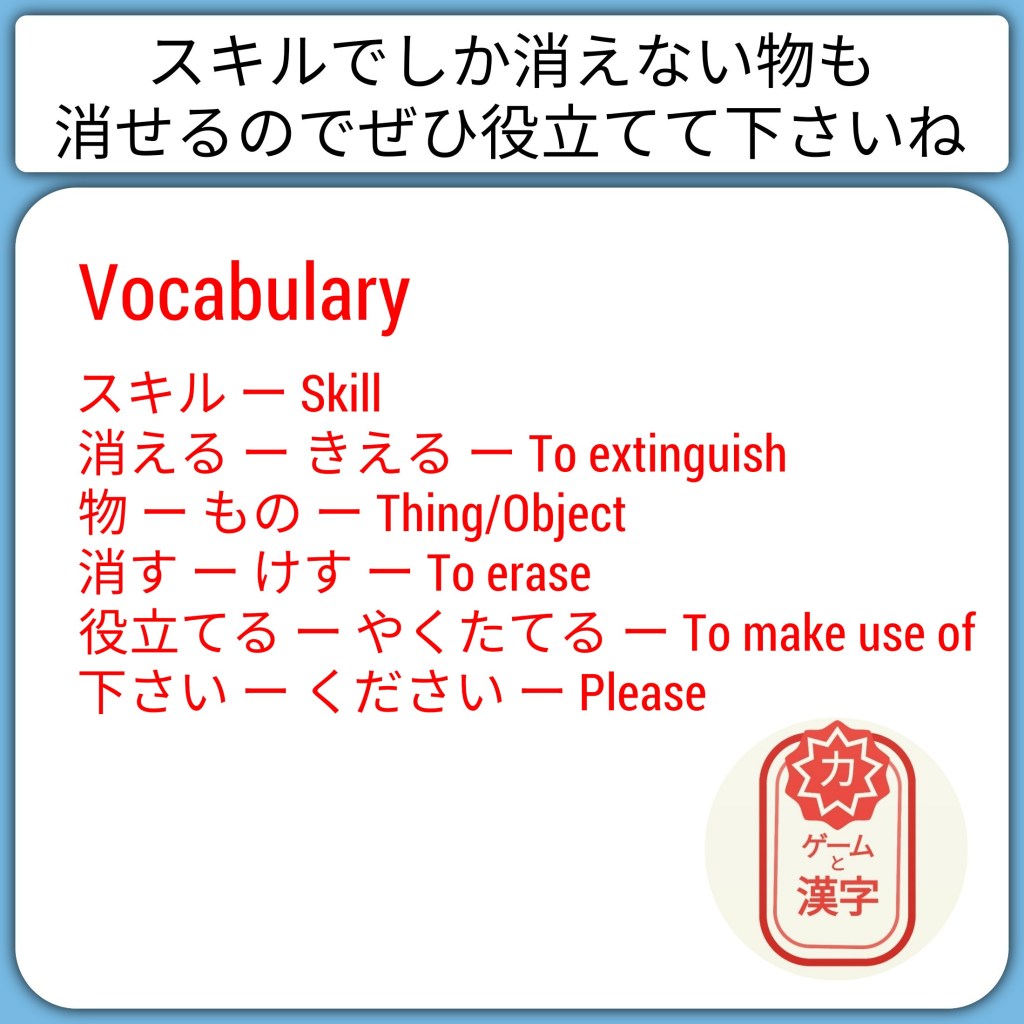
Glossary
Usability – 9/10
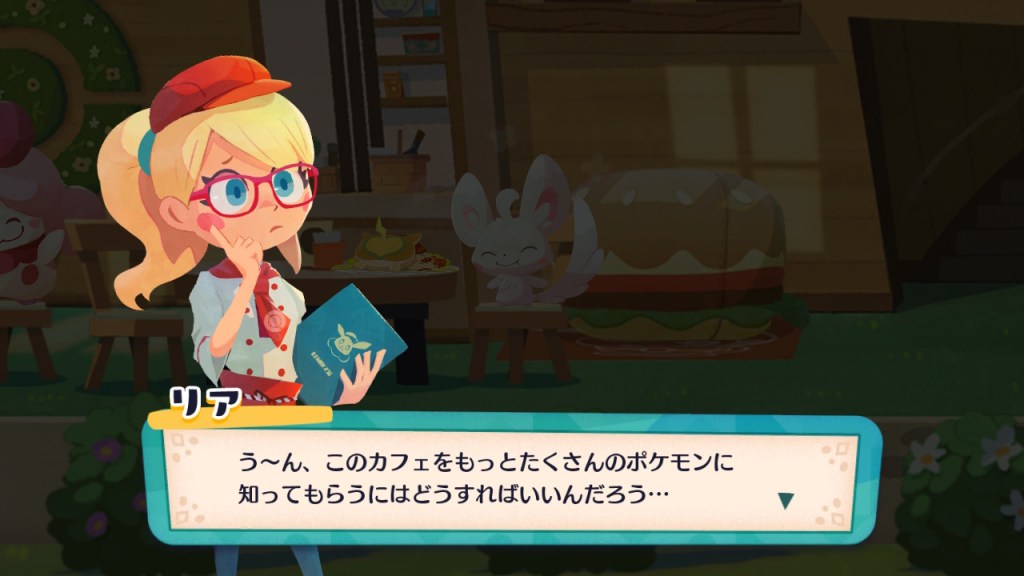
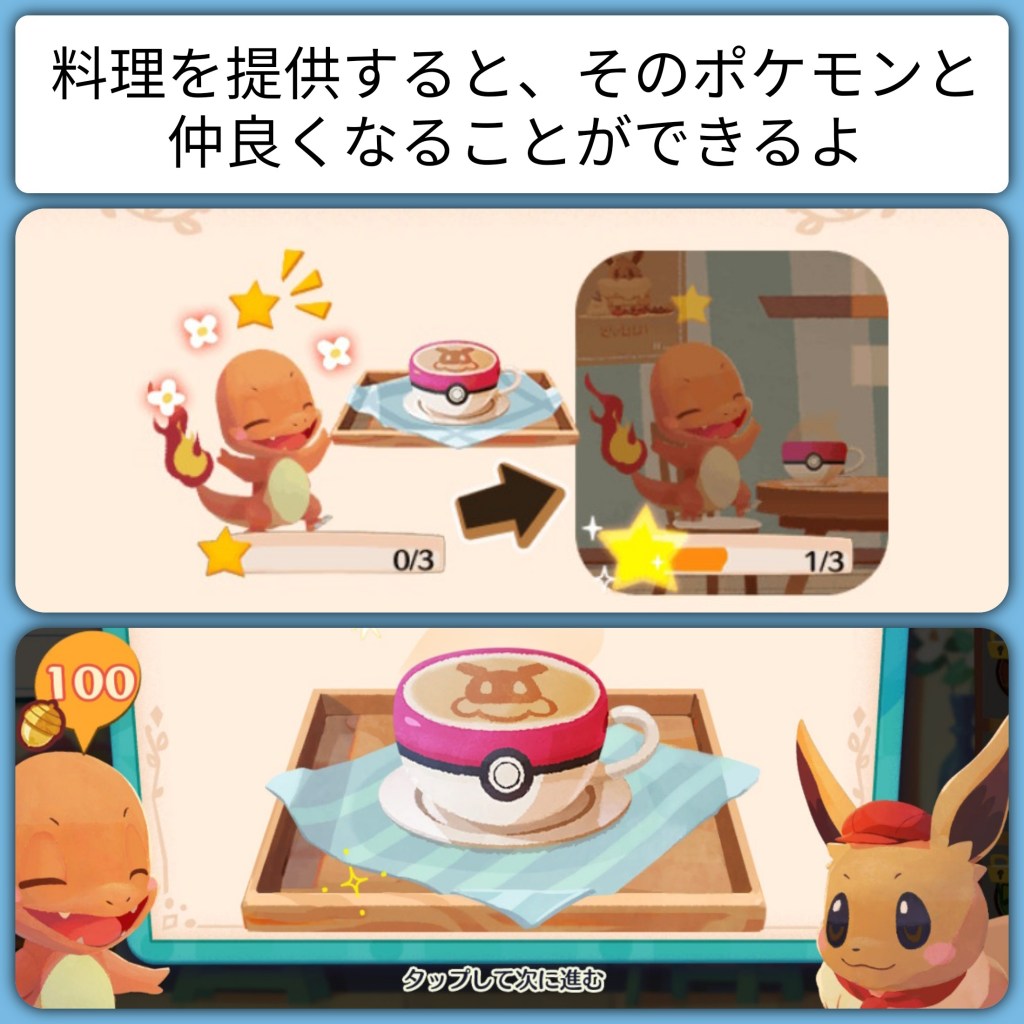
I was pleasantly surprised by Pokémon Café. I always expect good things when it comes to Pokémon titles but I think due to the nature of the gameplay I was expecting all aspects of the game to be quite simple. From the get go you find that there is a narrative that ties each level and the development of the café together. Each new visitor that comes along is joined by a few text boxes from Leah, your café assistant, where she will describe new dishes, flavours and preferences of each guest. The dialogue is not overly complicated. It was rare that I ever had to check a word and the balance of kanji and grammar never became cumbersome. The dialogues are also short enough that it’s not a slog to read through them. These event appears after every few levels too which, with the speed at which you can clear most of the levels, makes for ample and quite satisfying breathing room while you’re studying. I felt like I spent a lot of time playing the game but never felt as though I was dumping loads of time into the more distracting aspects of the gameplay.
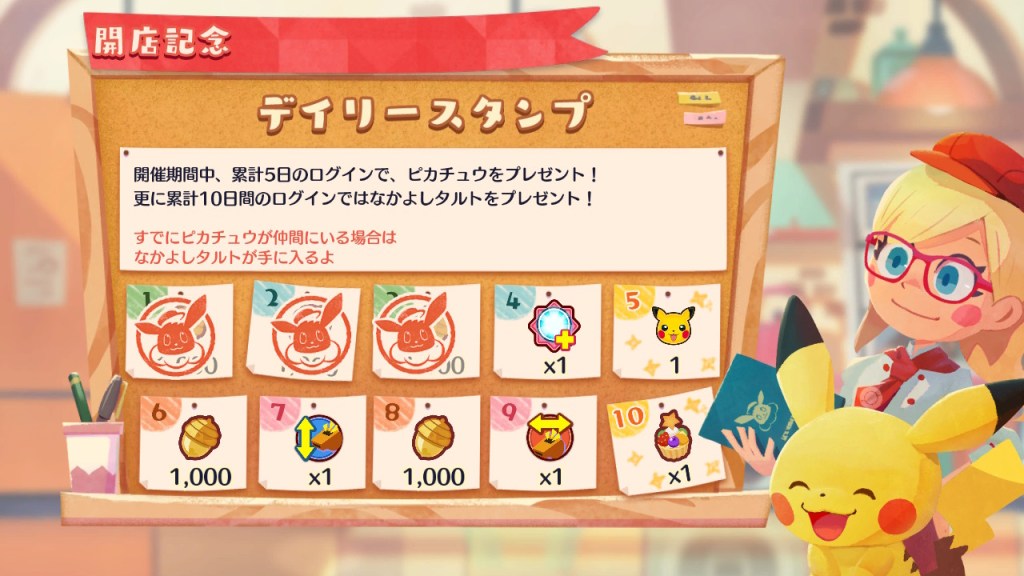
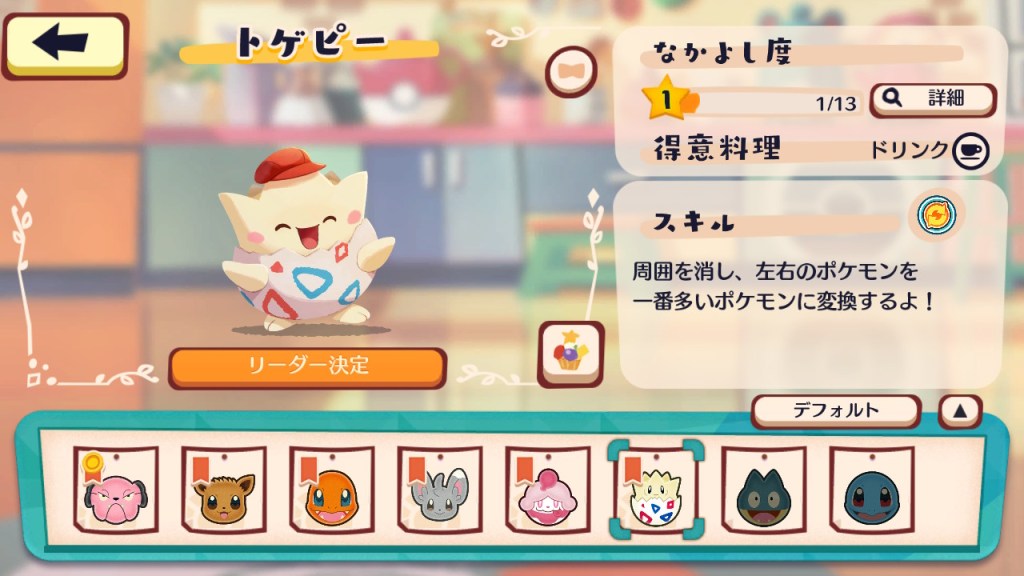
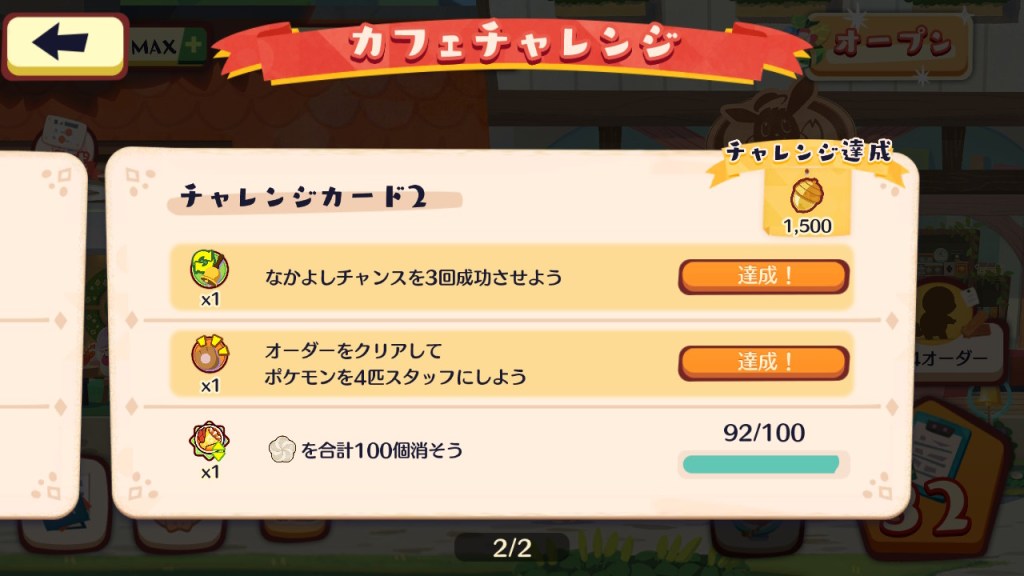
If I were to pick one word for the overall interface it would be “polished”. Each and every menu was super clear, the font was unique and yet easy to read, the colours were soft on the eyes and everything invited me to read more. The menus themselves very much had a mobile feel to them. You have a lot of daily rewards and weekly goals, as well as a clan-style friendship menu later on in the game, but all of these were diverse enough that it was engaging to take in the additional content and actually be interested in what needed to be done to progress. For the most part these menus used instructive language so the sentences were direct and used formal “ます” form grammar, making it easy to take in for beginners. There are also more extensive areas for reading and what was really entertaining was that they cover a wider variety of reading levels due to what they show and their complexity.
Firstly, for each new staff member that you manage to acquire you will have a staff card to read though. in total, there is typically 20-30 words here and as it describes their abilities and strengths the vocab isn’t too varied allowing beginners to differentiate the changes in the languages, direction of effects and verbs depending on the action. The next step up from this is the recipes menu, which comes with slightly longer and more descriptive blocks of text using more adjectives and sense vocabulary. The addition of images relating to the recipe is also more beneficial in this instance as you have an indicator for any words you either can’t remember well or don’t understand right away.
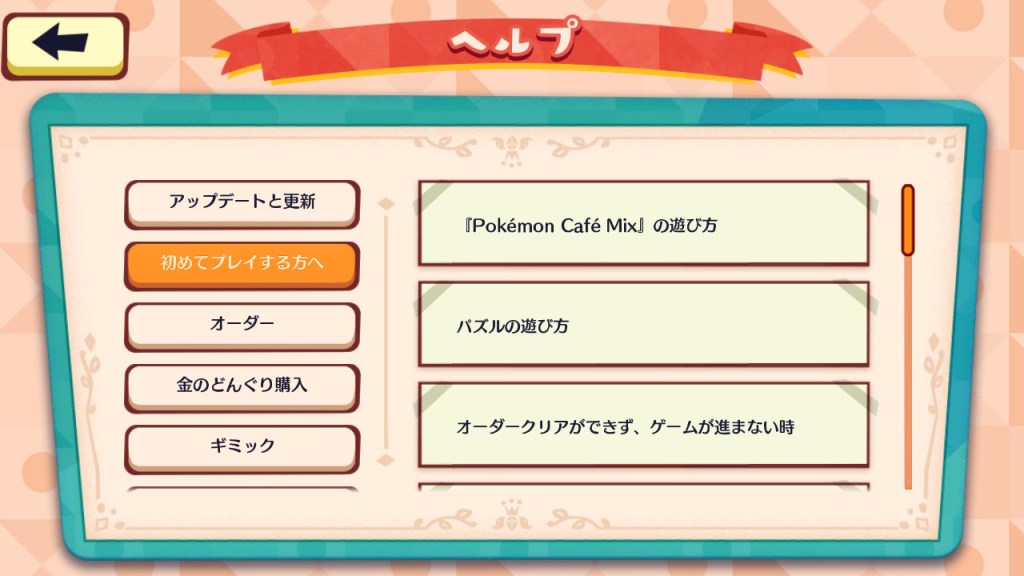
Last but definitely not least is the help menu. This is a comprehensive breakdown of the gameplay mechanics, terminology relating to characters and orders and the finer details of different modes and challenges as you progress through the story. Here you’ll find the longest and most intricate sentences by far and a larger variety of compound kanji words and phrases relating to success, failure and completion conditions. This area has the most “gamey” language, talking about achievements and scores, which may not be fantastically useful for day to day life but is beneficial for a large majority of other games. Reviewing this menu frequently will really help your language and revision as the vocabulary used is often seen in the hints that pop up throughout the first few hours of the game. This will not only reinforce your learning but will also allow you to relate the wording to a real in game situation.
I think for me the best aspect of this game is that it was consistently pleasant. At no point did I feel like I was too tired or couldn’t be bothered to play. It was approachable enough that I could play and learn through osmosis if I wasn’t feeling a hard study session but it had enough detail that if I wanted to grab my notebook and drill down into the grammar I could. Again with the switch port in particular you are forced to play in touch screen mode, meaning you either snuggle up in a nice armchair and chill with a good game or you can have your switch propped up on your desk and easily progress through the story while you make notes. The entire game can be completed with one finger and it is actually a joy from start to finish. Would highly recommend to anyone who likes Pokemon, especially as it won’t cost you a penny.
Challenges and Methods – 5/10
Push to take it all in
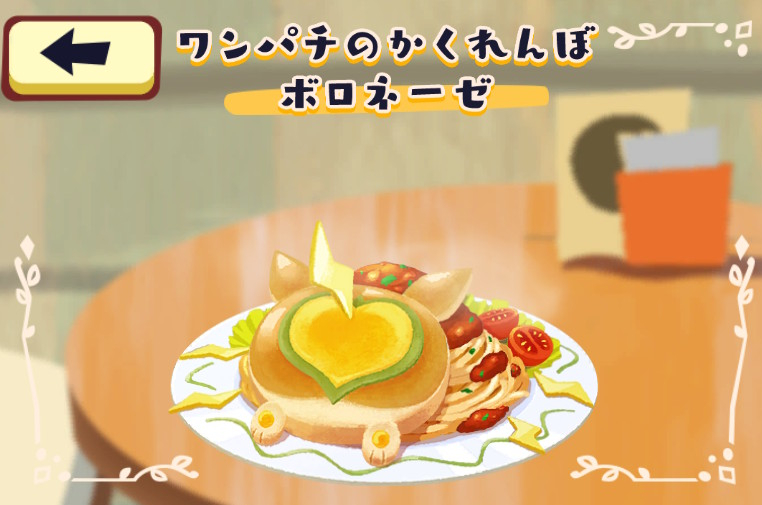
Although there is a lot of content to read through here, I find that the biggest block or archive of text isn’t really based around an engaging topic. The game mechanics are interesting and worth a good read but, taking other Pokémon games as an example, usually you may have an interesting fact or lore filled Pokédex to trawl through which would incentivize you to catch more mons.
As an alternative here I would say that this is a game that anyone of any reading level can approach with the intent to really take in all of the vocabulary. Even while making the glossary for this game I found that the number of unique words is surprisingly low, meaning if you start strong and make lists of the words you learn as you meet them you should be able to read 90% of the game by the time you hit levels 30 and higher.
Previous Posts


 Games & Kanji