
Homescapes is a fantastic example of a potentially dull premise executed very well. Since the release of Candy crush in 2012 the tile matching puzzler has become frequently imitated, often underwhelmingly so. Homescapes is a mould-breaker in that it throws in an good balance of story and uniqueness in order to make the usual tedium of monotonous puzzles more inviting and rewarding. Having grown up with games like the Sims I am a big fan of sandbox home building, and although Homescapes is more limited in its option it is a nostalgic hit of decorating and designing a homely environment. The added incentive of helping Austin convince his parents to stay in their sizable and extravagant home (I wouldn’t need much convincing) makes for effective motivation to progress through the twists and turns of the farfetched story.
Platforms and language – 5/10
Homescapes is a mobile exclusive for both Apple and Android but is free to download. It comes with the expected microtransactions for items such as energy but no additional content. In total there are 11 language options that can be interchanged from the options menu without closing the app. This includes Spanish, Korean, Chinese and Russian, all of which have well considered clear and legible fonts.
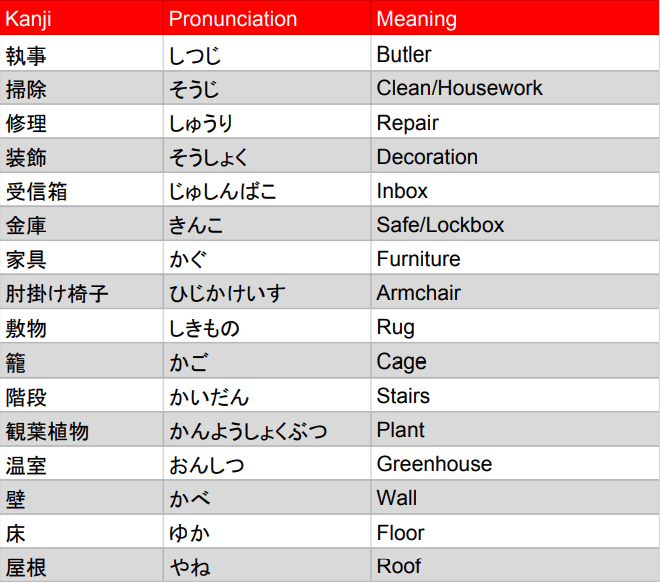
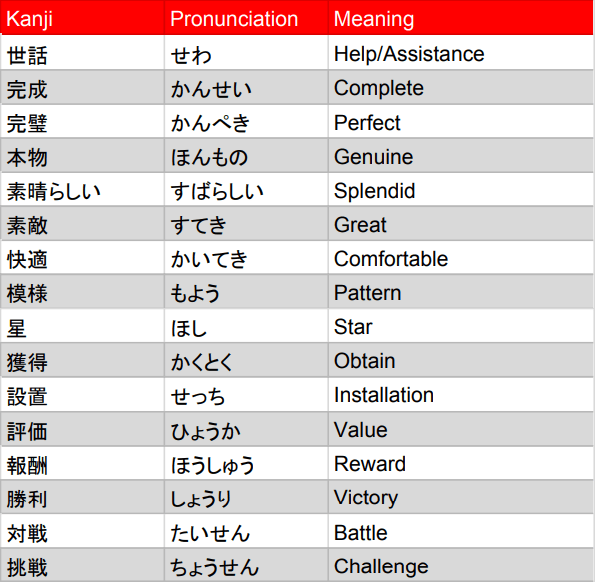
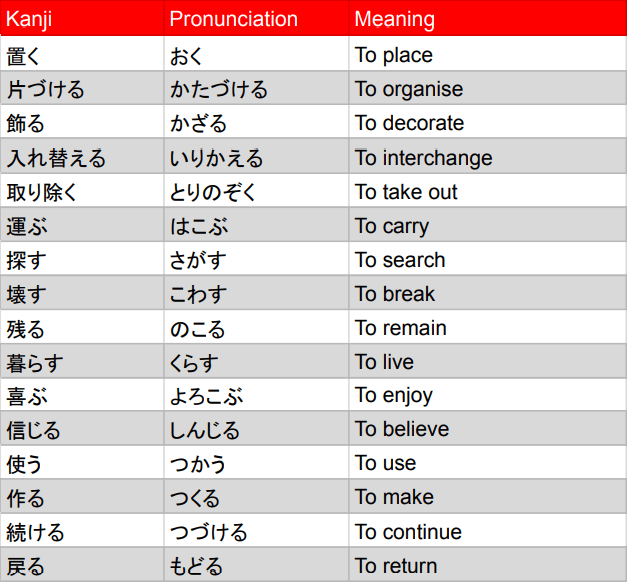
Glossary
Usability – 8/10
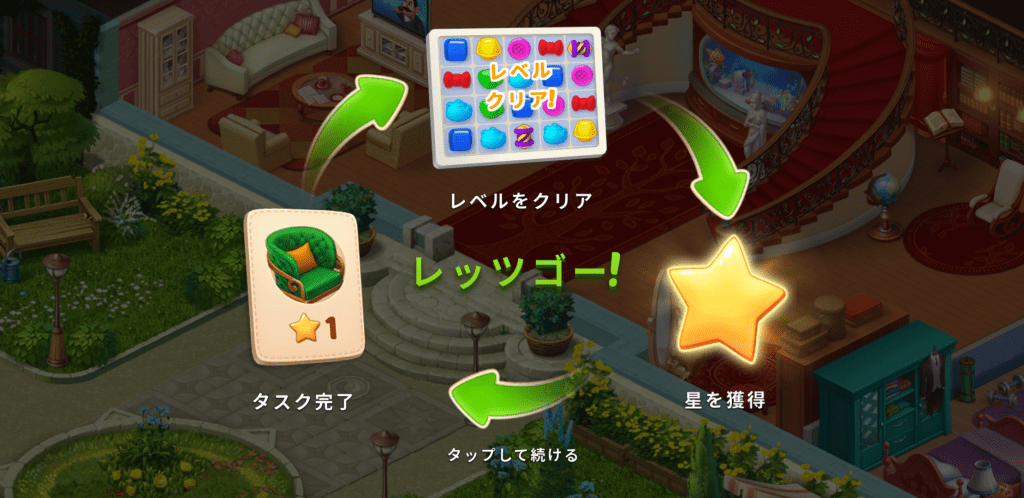
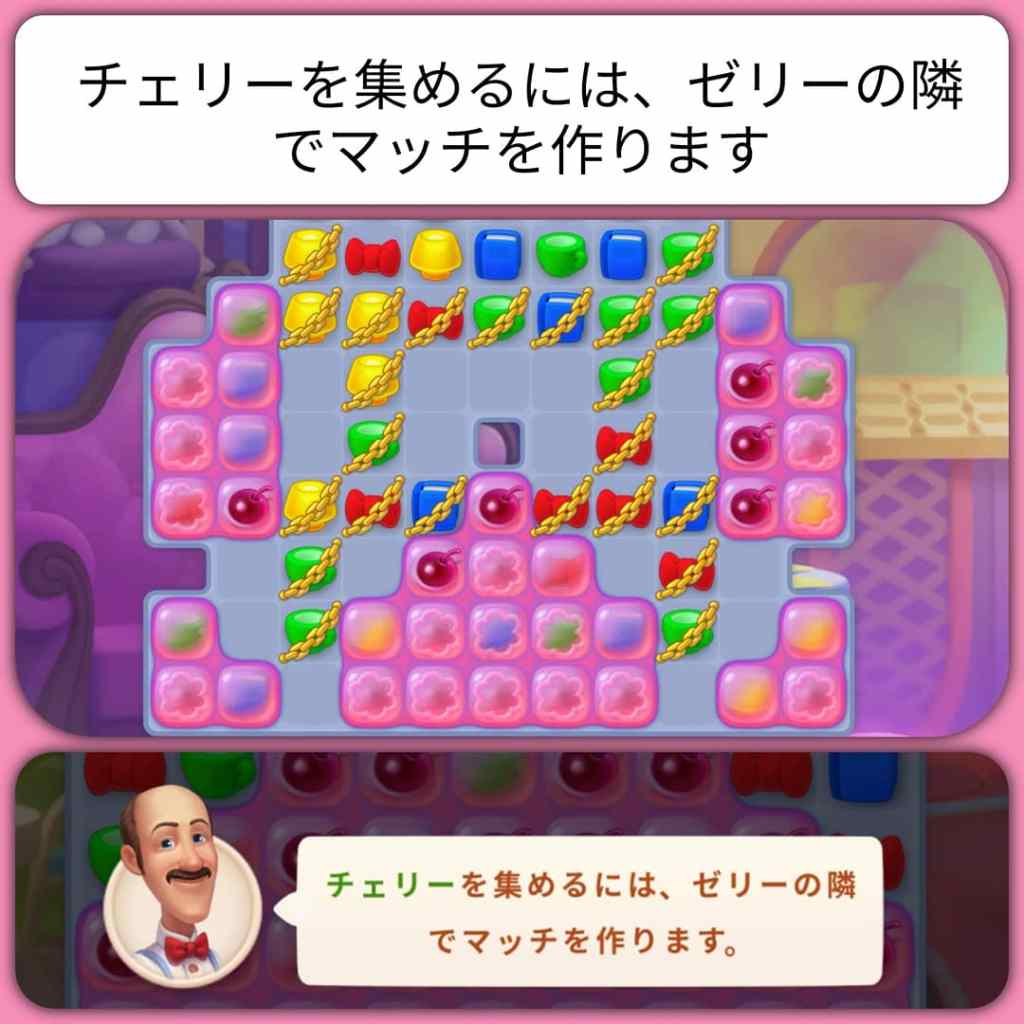
The gameplay for Homescapes consists of two major parts. Firstly the tile matching puzzle aspects and secondly the Homescaping itself where you organize and select furniture for Austin’s family home. The tile matching, which inherently is a fairly word free environment, does pose a lot of benefits alongside the more wordy aspects of the game. When you initial start playing you will receive a healthy amount of tutorials for how to carry out the basic goals, these extend to each power-up and special block that unlocks as you progress. As such this does mean that the readability of the “gaming” aspect does diminish ending up with just very brief but repeated statements before and after. If you do want to read more of this descriptive or instructive language you can find FAQs and more detailed tutorials in the options menu. This will take you to a page more akin to an online guide but can be beneficial for helping you bolster language you can think in while you play.
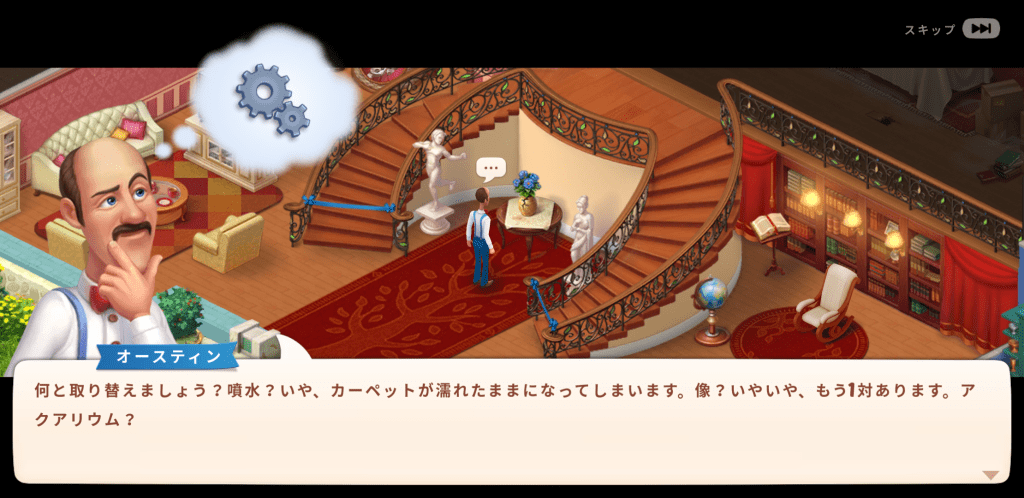
Outside of the puzzles things become arguably more interesting. Your role is to use the puzzles to get stars, each of which can be used to clean and upgrade your home. Each task you need to complete will show in your objective menu with a brief one line breakdown of what needs to be done and a small image to indicate the objective further. The magic happens when you pay the required star limit and receive a dialogue between the characters talking about the new feature and typically pointing out the next task to be carried out. This is often interlaced with emotive expressions, light comedy and frequent use of the vocabulary relating to the item. As such you can use this to take in a lot of natural conversational language while learning and revising words for furniture and chores in an interesting and engaging manner. As you progress through the story you’ll be introduced to more of Austin’s wider friends and family as well as new mini-games to get yourself on social leaderboards. The gameplay of the home building sections requires a surprisingly small amount of skill and interaction from the player meaning you can put your focus into reading and noting down vocabulary. The separation between these sections and the puzzles is clean enough that you can apply a good amount of attention without too many distractions and then when the time comes for rest or reward you can do a few more puzzles to fuel your interior design itch.
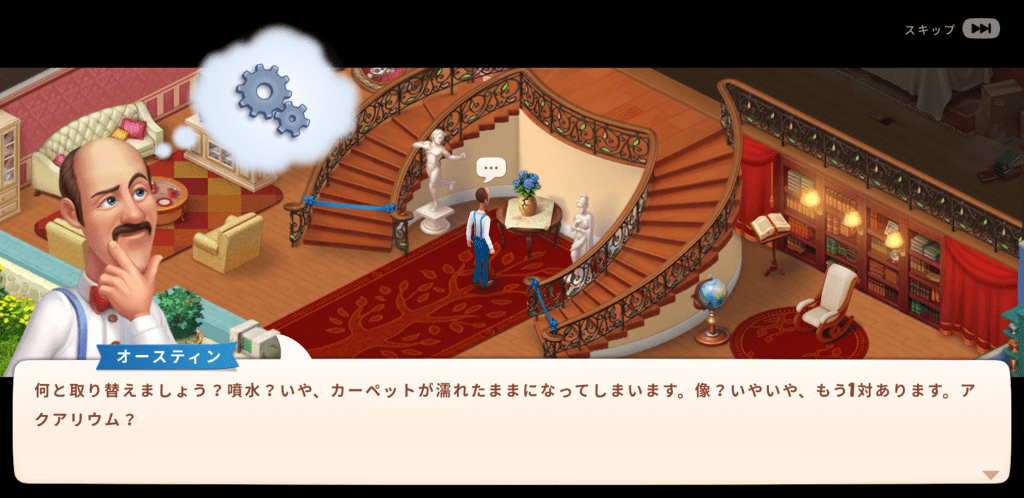
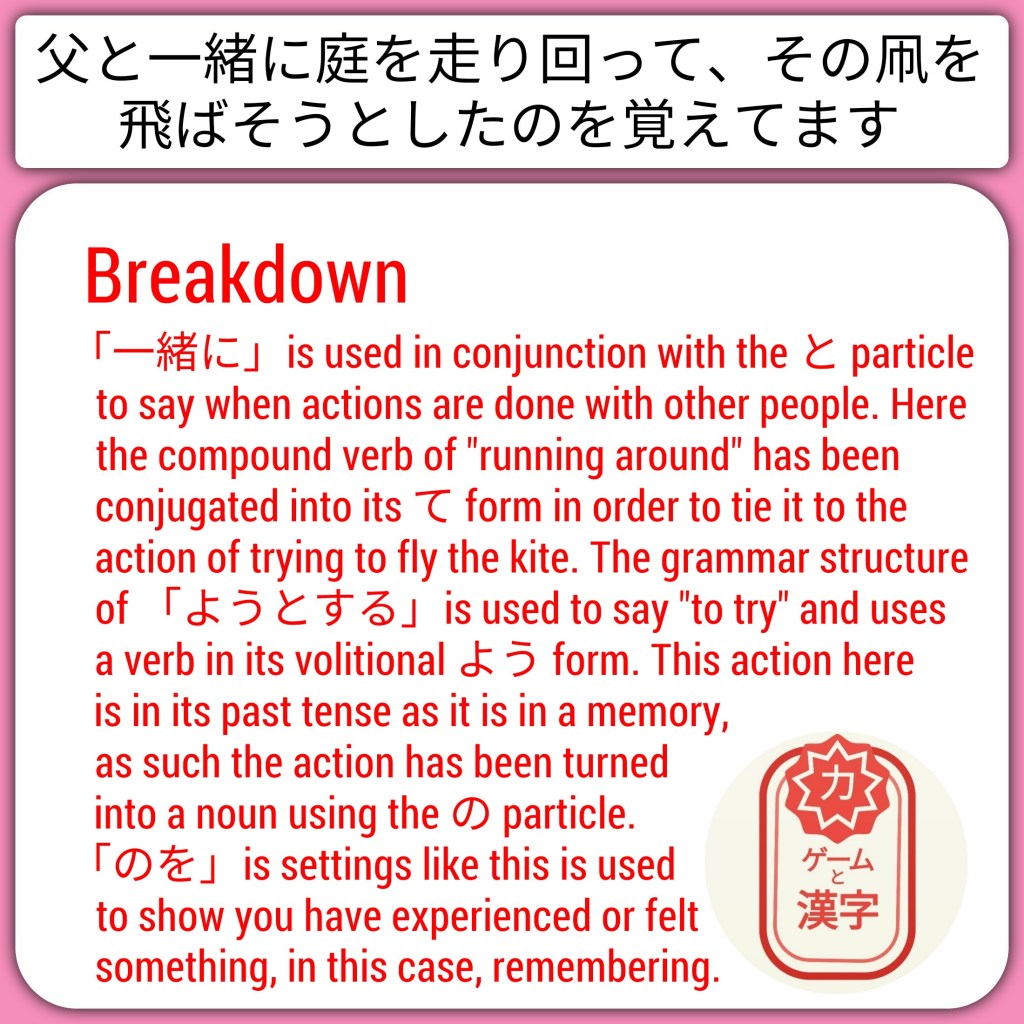
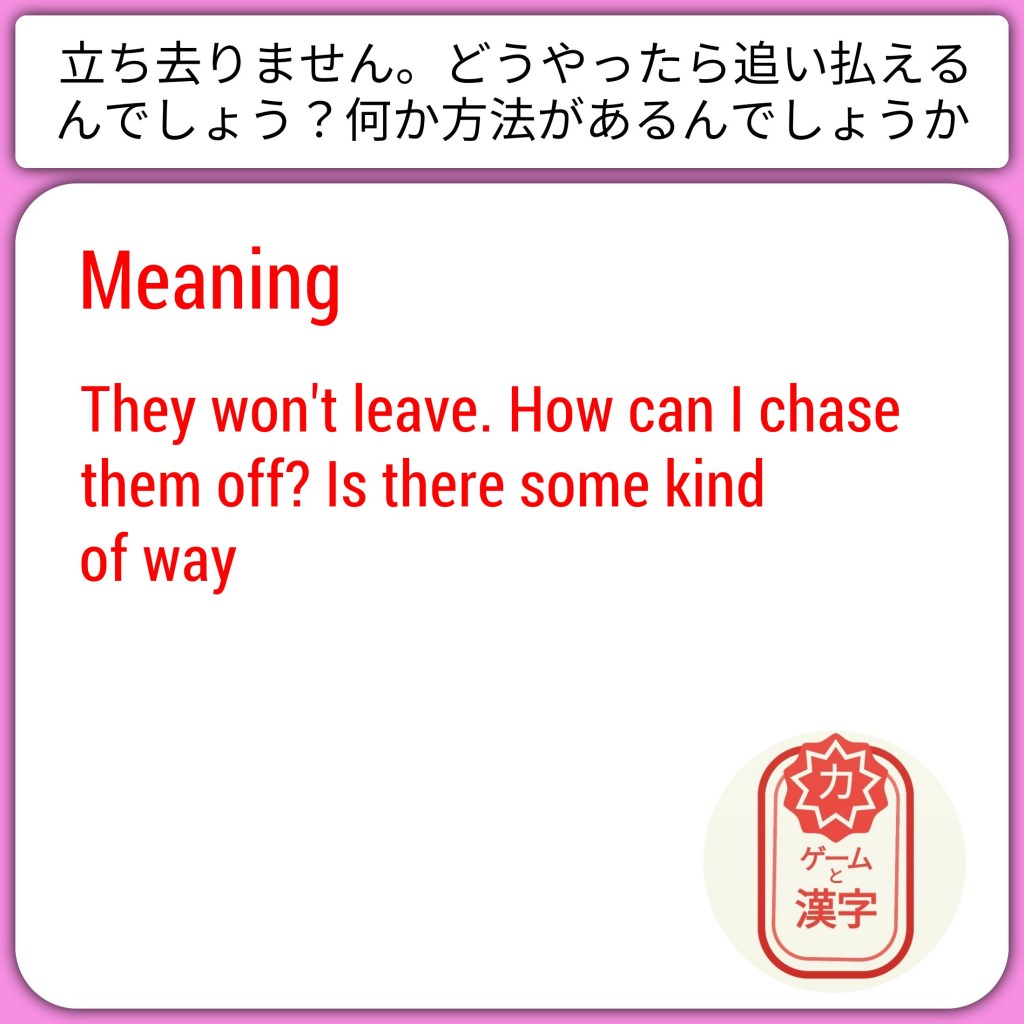
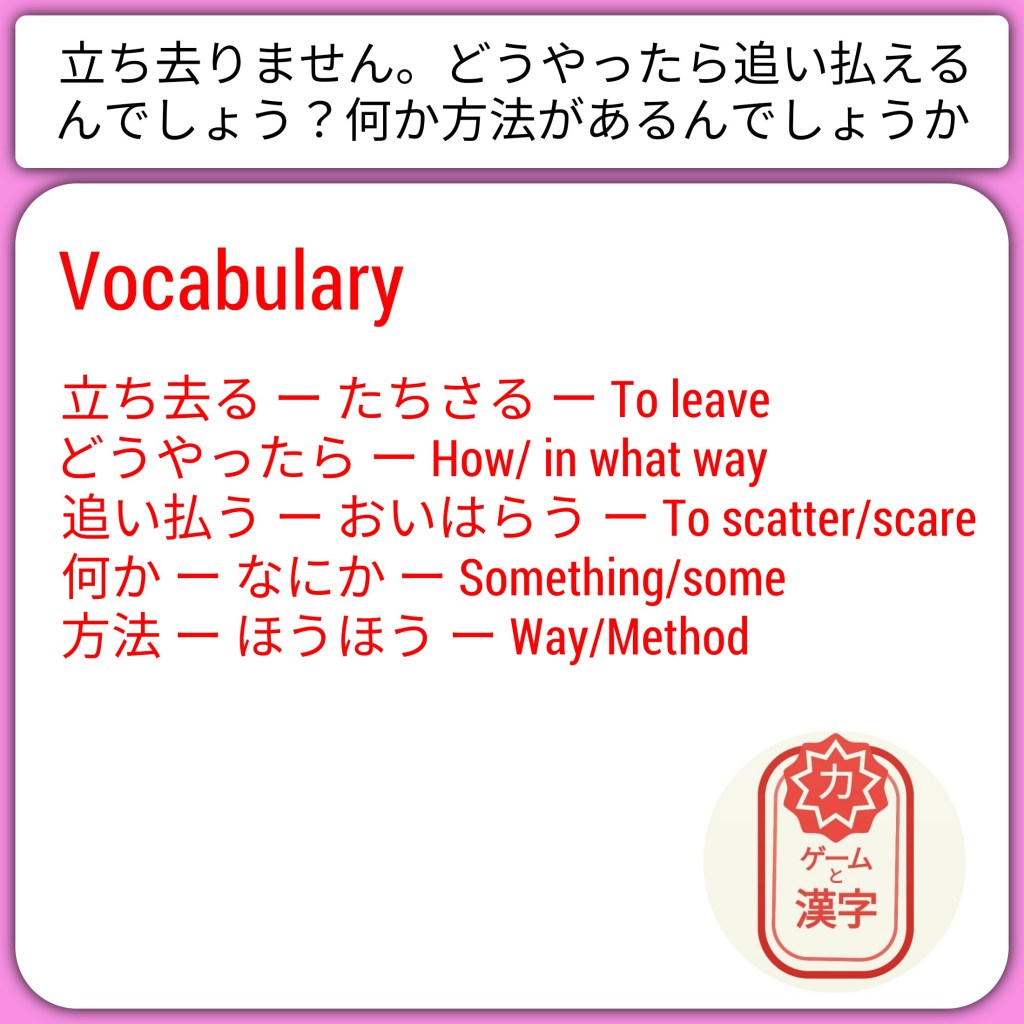
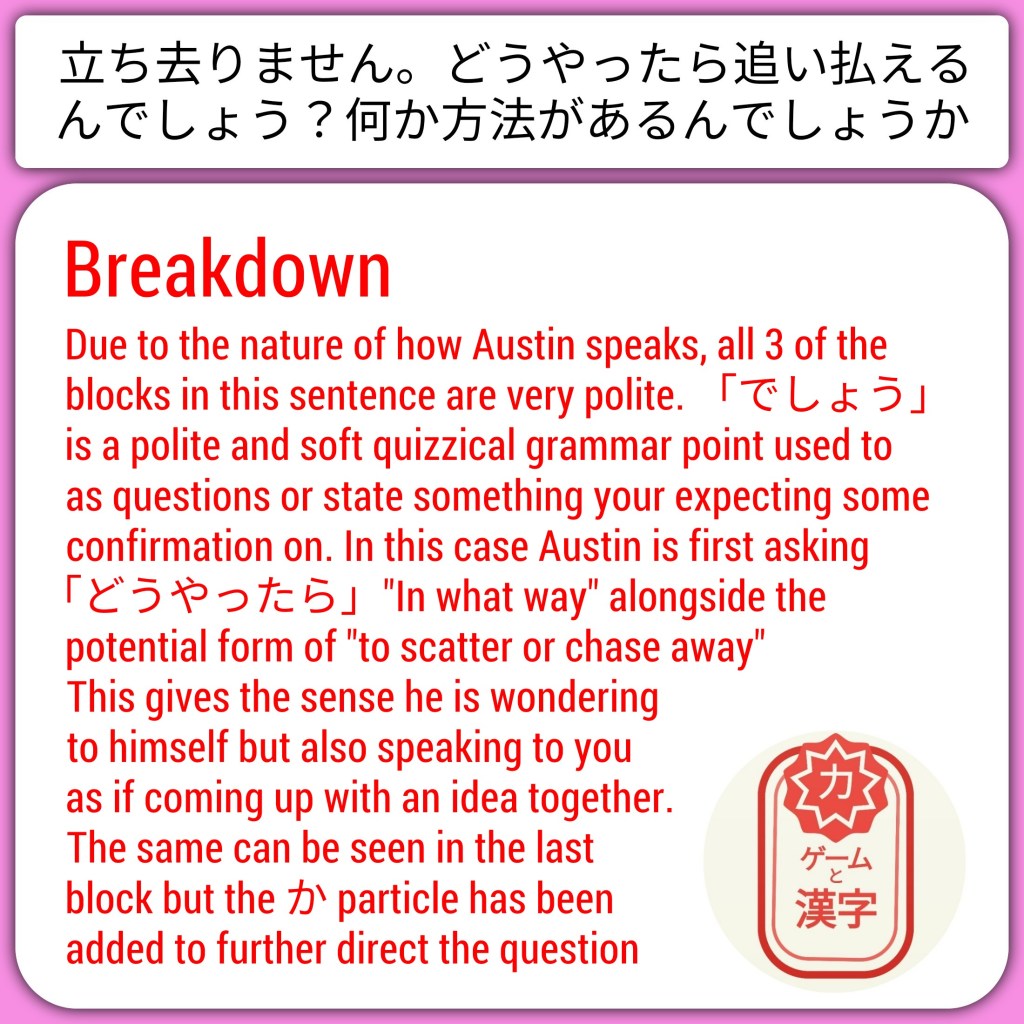
The gameplay so far would be more than adequate to keep you reading a learning but Homescapes also treats you to additional features that exist solely for reading and entertainment. At any point simply by tapping your lovely new furniture you can encourage Austin and his family to pop out a short speech bubble commenting on the item. These are a fun little test to see if you remember the relevant vocab as well as seeing if you can read them quickly enough before they disappear. The speech bubbles often feature light comical quips or call backs to the previously broken state and Austin’s childhood memories. By opening your objective menu you also have access to a few extra tabs including the newsfeed which is a Facebook-esque timeline of the community’s goings on and photos. Other than being much more formal/polite than a real internet comments section, this is comparable to what you may see online and as such adds a new perspective to read through. They also cover your recent actions in many cases making for further revision. A bit more random but still just as useful, you will often see pop ups when you open the app showing you which events and rewards you have received that day. As these change seasonally it makes for more added variety and topical vocabulary for you to use for up and coming holidays.



Homescapes has many strengths as a game for study. The strongest and most prevalent being its familiarity and setting in a real world. The overall topics of furniture and cleaning aren’t inherently interesting on their own and yet the story and characters are fun enough to keep you motivated and playing on . This makes for good passive learning of the environment around you, even simple tools such as being able to name and describe items within the rooms of your own homes. The various sources of reading material throughout are different enough that they don’t tend to get repetitive and yet due to their central focus they almost trick you into revising the same words again and again just by playing. The balance of wordy content to low intensity puzzling is also effective and incentivizes frequent breaks to keep you from burning out. The biggest potential downside is that many of the items found within Austin’s home aren’t also likely to be found in your own, but I would argue that learning these words would not be a detriment to studying. You may even find that these unusual features prove to be more memorable and interesting. All in all this is a game I will keep downloaded and will likely play day to day as it keeps on giving. The convenience of short story interactions and puzzles makes for easy pick up and go gameplay.
Challenges and Methods – 6/10
Perfecting your reading

Homescapes doesn’t feature too much in the way of catalogues or directories of types of items. As much as the items feature a lot repeatability there are very few aspects that remain for rereading throughout your gameplay. What I would recommend is truly trying to read each sentence in a dialogue as you see them before moving on. The textboxes are all push-to-progress and as such you can take as much time as you need in order to learn each word. You can even use this to your advantage and couple this method with your dictionary of choice. This will be difficult to start with but you will find that by ensuring you know the reading and meaning and even by reading each sentence out loud you will quickly improve your familiarity with the vocabulary.
How to play
The how to play menu is found in the options selection to the top right of the screen while in “house mode”. Upon opening this feature you will notice it doesn’t follow the same format as the game itself and seems a little disjointed, however it is an effective tool worth putting time into. Although I didn’t do this myself I would even wager that it would be effective to read through this prior to starting to play making the words and instructions you covered previously easier to digest in the correct context and more enjoyable. Rather amusingly, one of the sub-menus also shows a written tutorial for completing some of the more pesky levels prior to you reaching them.

Previous posts


 Games & Kanji