
The Nintendo DS was a fantastic hand held console and for the large majority of my teenage years it would be no more than 20 foot away from me at any one time. The variety of games for the DS was pretty impressive and along with the new touch screen feature new and interesting mechanics were abundant. One of the most memorable games for me at that time was Cooking Mama released when I was just 13, and surprisingly for a kid that had very little interest in cooking, I became absorbed in the incredible world of pixelated, overly simplified cuisine. More and more we see classic titles being revived onto the mobile platforms and it was an absolute pleasure to seeing Mama’s happy face again!

Platforms and Language – 8/10
Let’s cook! is exclusive to mobile but can be found for free on both Android and IOS. There are microtransactions for in-game currency and recipes but there are no notable additions that contain language that can’t be found elsewhere for free.
In terms of the language options we are spoilt for choice as there are almost 30 languages to choose from with notable distinctions between Hiragana only Japanese or Kanji usage. This can be set easily at any time through the options tab on the second page of the main menu.
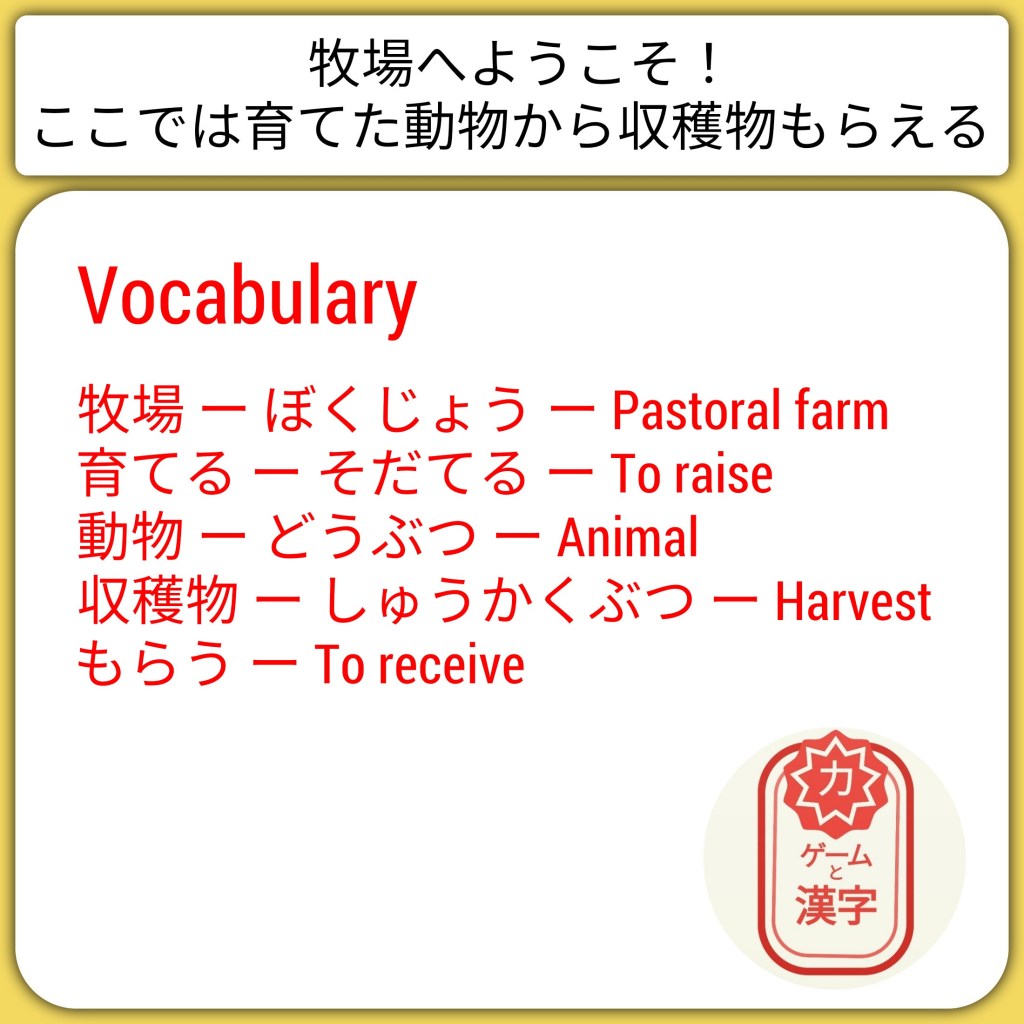
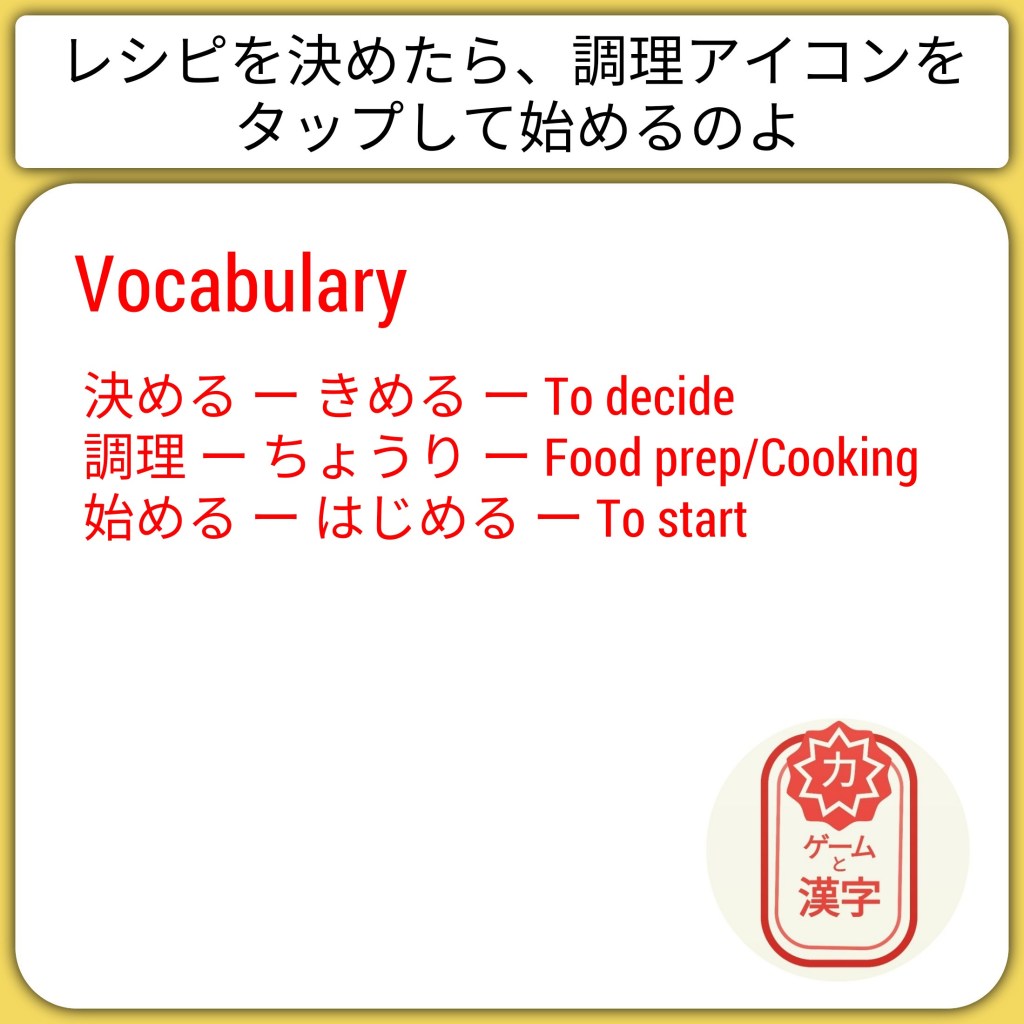
Glossary
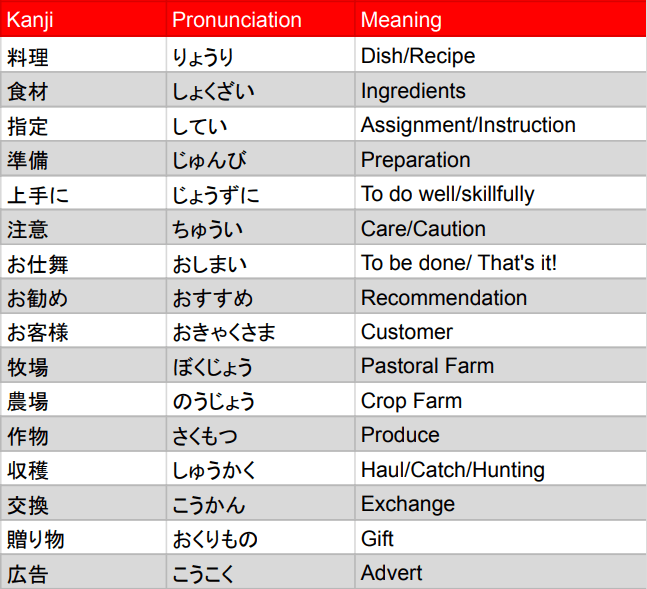
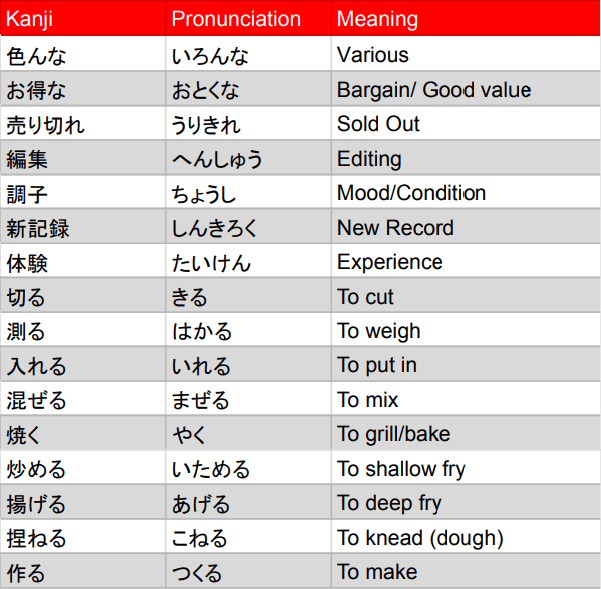

Usability – 7/10
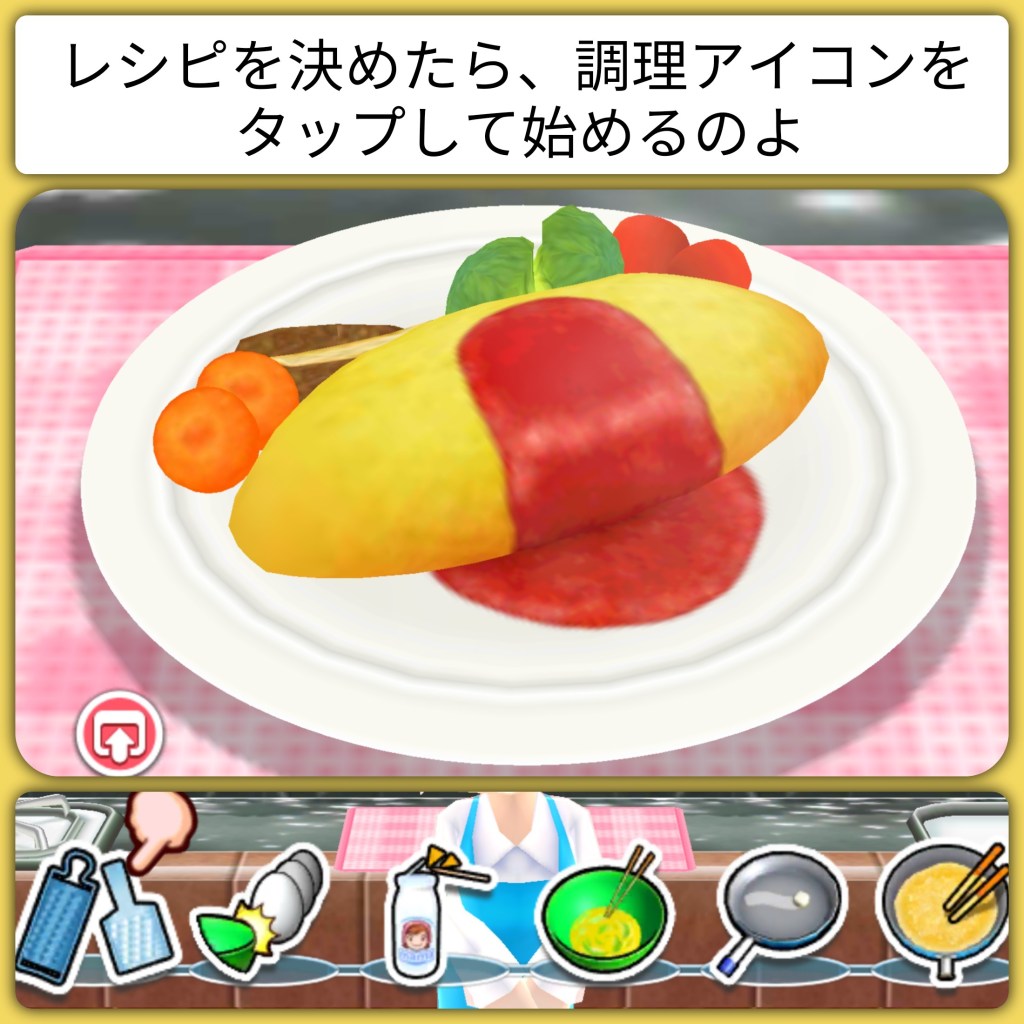
Let’s cook! literally mixes thing up when it comes to vocabulary. What you would expect to be a simple culinary adventure comes with a slew of additional features, tasks, challenges and more to be discovered and replayed. First and foremost, the thing we’re all here for is the cooking. As you would expect there are cuisines from all across the world and, although the method of making them doesn’t compare to the mastery that qualified chefs put into their craft, the single, step by step instructions make for handy visual guides to the short instructions given. Even with the language set to include kanji you will find that the intermediate steps that make up a complete recipe are described in hiragana. I initially thought this was a negative but on reflection it wasn’t really a set back to learning the readings as I would always have a dictionary such as Takoboto to hand on another tab in my phone. These simple tasks will likely come up frequently in your day to day meal prep so it’s remarkably easy to add new verbs to your daily routines. The second huge aspect of this that will benefit all you budding chefs out there is vocab acquisition for ingredients. The beauty of being able to integrate your language regularly will make for better retention and maybe even more incentive to cook and meal prep between study sessions!
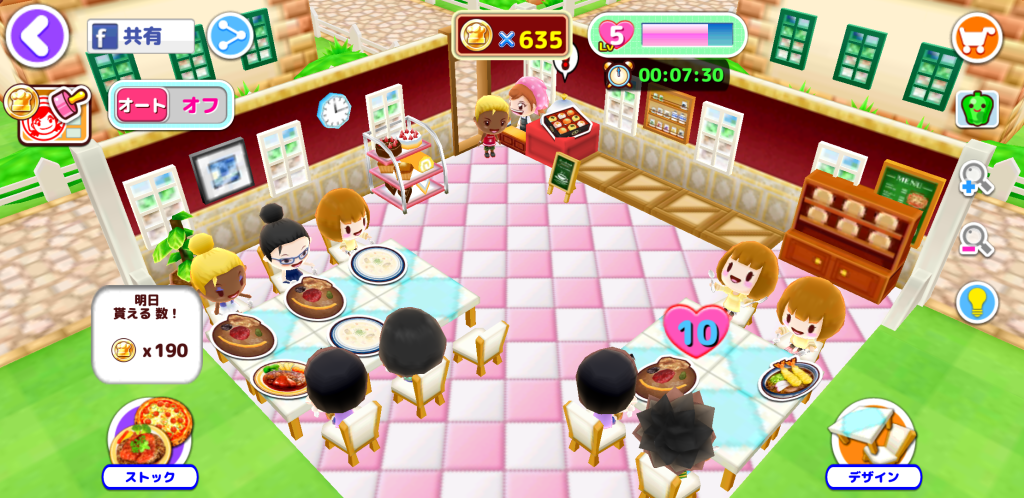
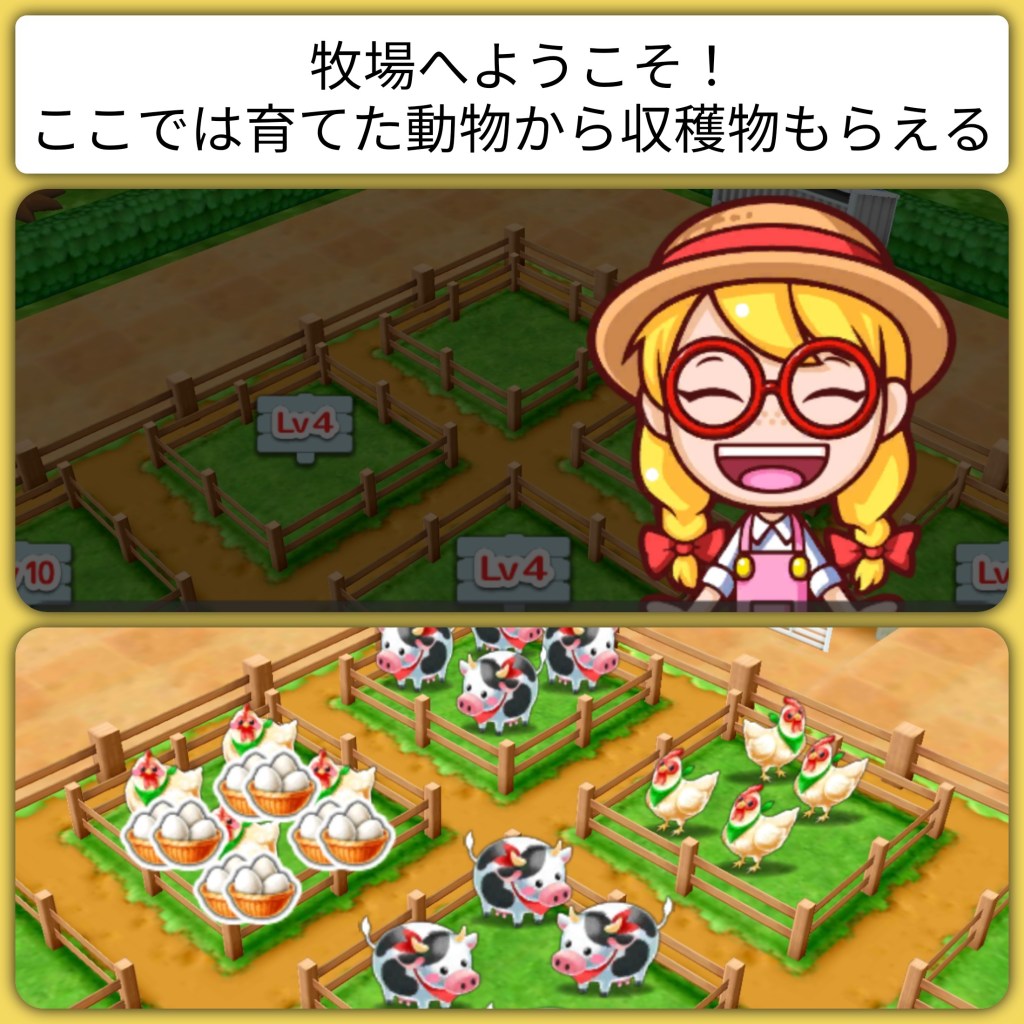
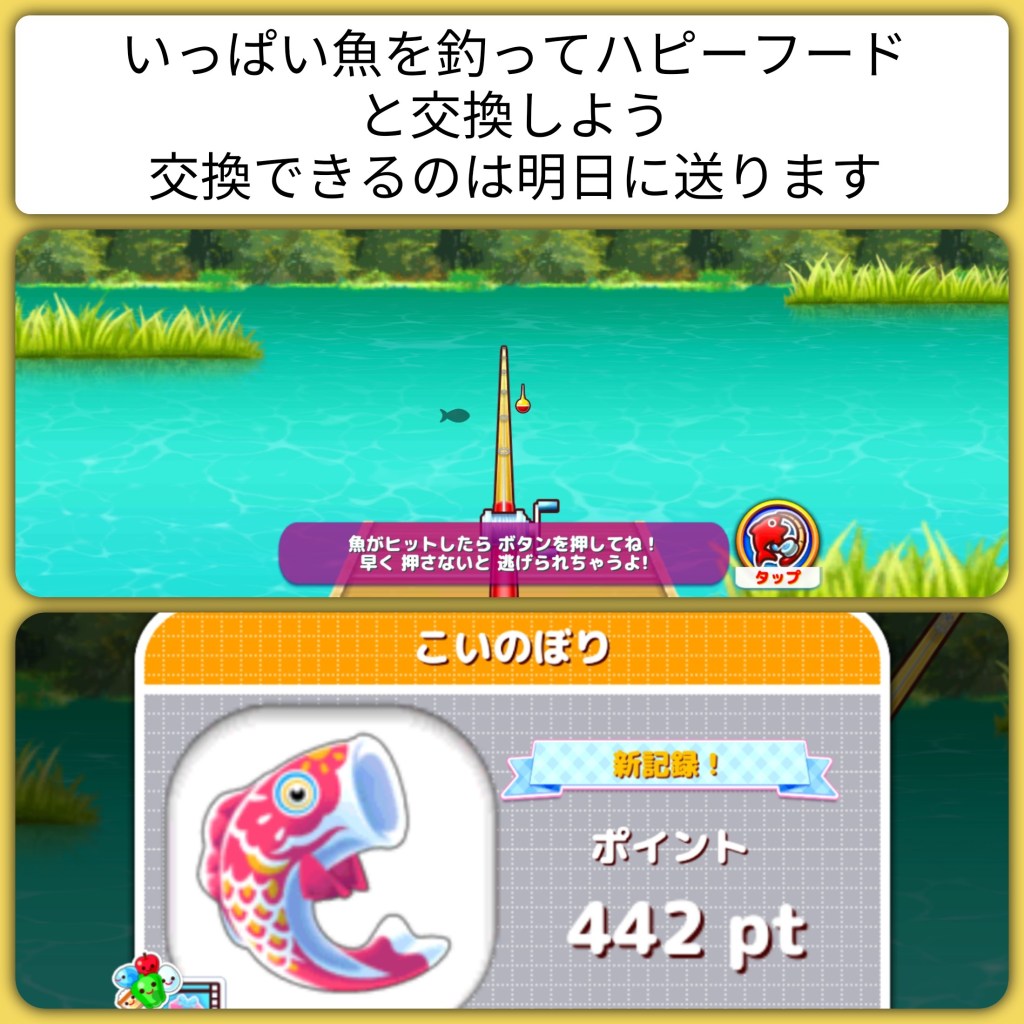
Aside from making your meals, in Let’s Cook! you will also need to serve your meals in your very own restaurant. This is coupled with maintaining the farms and stores that the base ingredients come from too. These features add variety to the vocabulary but have a congruent enough thread throughout that you can bulk different aspects of the same major field of language. Reading about the ingredients in a farming environment and then utilizing them in your next recipe makes for a strong link in your memory that may otherwise be forgotten. As if we needed more, you’ll also find a variety of mini-games in the challenge menu that are a combination of subsections from the above games and complete separations from cooking such as party games or puzzles. These tend to be less word based and more visual but again are different enough that you can try different aspects within the same game to prevent your studying/learning from becoming stale. The reward for these trials also means you can develop new recipes, decorations and styles throughout the game adding a touch of spice (ha, pun) or a few new words under your belt.
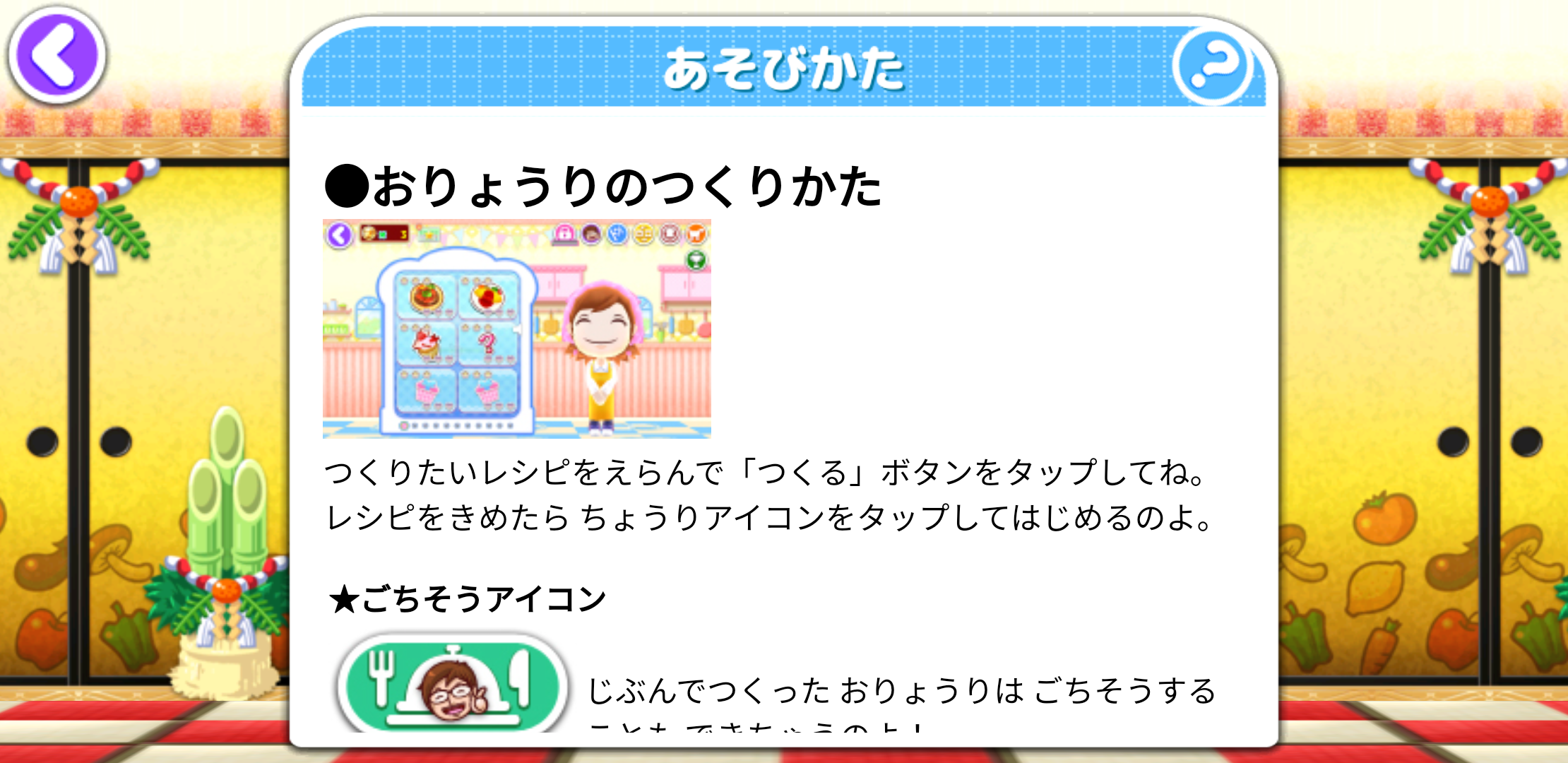
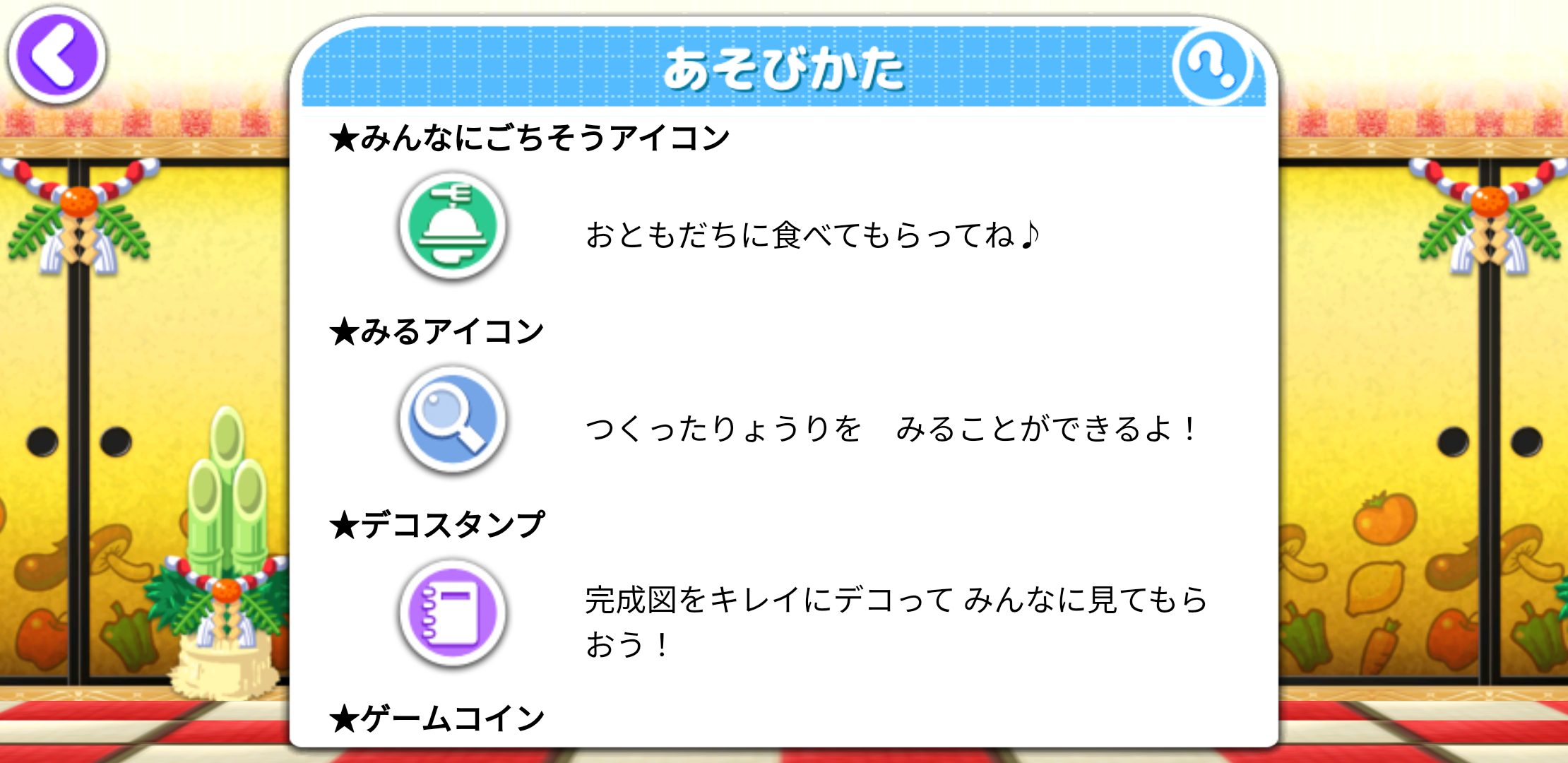
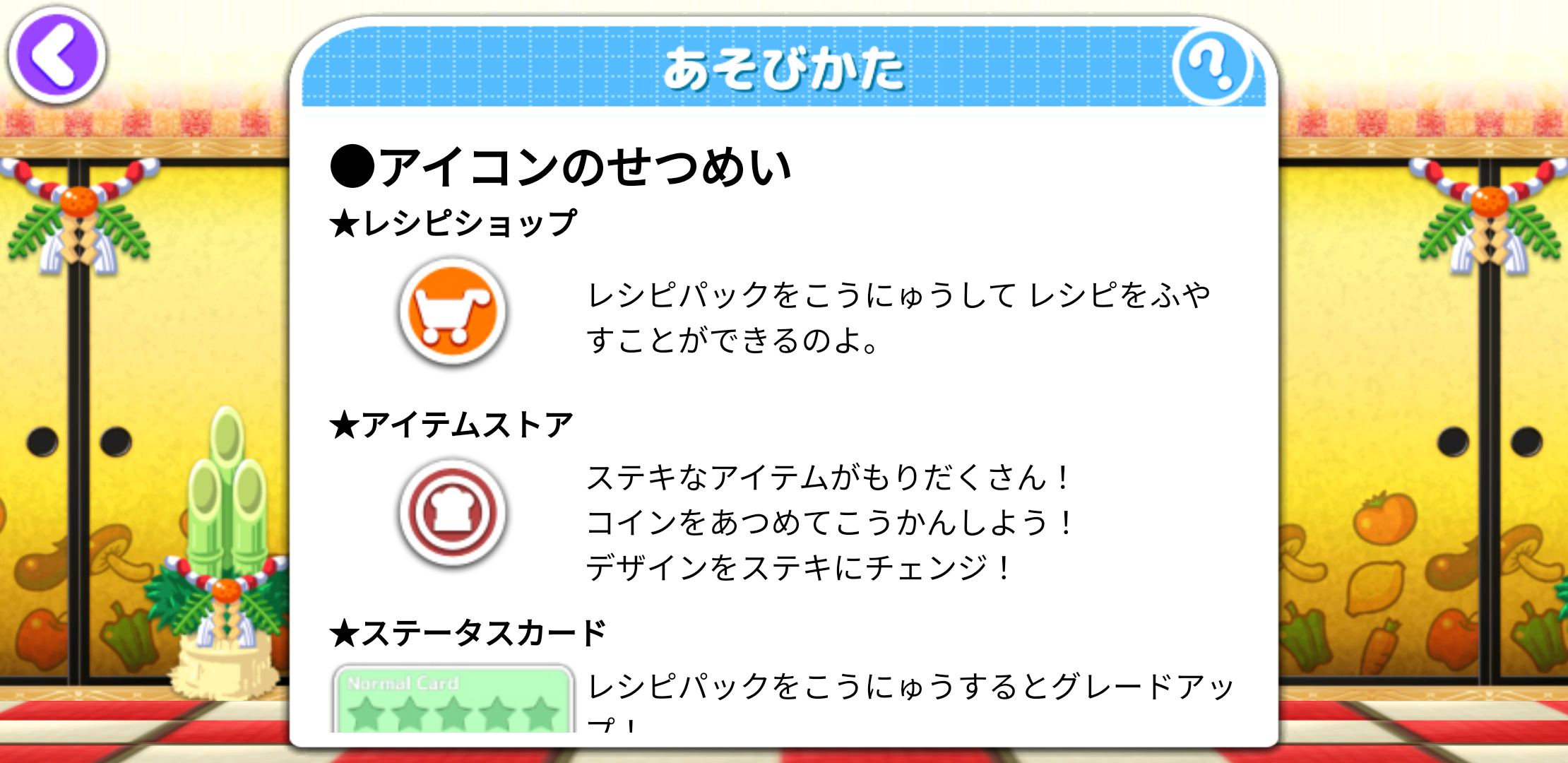
For those of you that like the topics of Cooking Mama but fancy something a bit wordier you can find a complete “How to play” in the options menu. This feature holds longer sentences and more robust grammar than your daily tasks but is unchanging and unfortunately limited to a few hundred words. I would recommend finding this either in the first instance when you download the game or relatively soon after trying the game out as it will strengthen your knowledge and introduce the full range of what can be done as you play. The playable sections throughout do not give you much incentive or time to write and study whereas here it’s very easy to read through and jot down notes of any new language for you.

The game isn’t all good unfortunately and the major point for me that makes this game less workable as a study tool is the relentless pop-ups. If you are away from the game for any amount of time, or as you complete daily tasks you’ll find numerous messages and speech bubbles popping up. This makes the cutesy and vibrant visuals become more of a nuisance over time. They do have their benefit in that they remain on screen until you have finished reading them but sometimes you don’t want to hear about the daily recipe sale 4 or 5 times in one play session. Some people may not mind them so much but this was one of the primary reasons I rated this game lower on my list. I also imagine that if you were relatively new to reading Japanese then you may be intimidated by these pop-ups as they often hold longer and more intimidating dialogue than found elsewhere in the game.
Overall the advantages of Let’s Cook! are abundant and, to the right person, this game would be a stellar tool. Although grammar isn’t a focal point due to the lack of lengthy conversation I gathered a lot of vocabulary from this one. The only hinderances for me personally was the business of the overall hub and menus and the repetitive nature of the main features. If you love reading recipe books and collecting accolades then this is a definite win for you.
Challenges and Methods – 5/10
Master the recipes
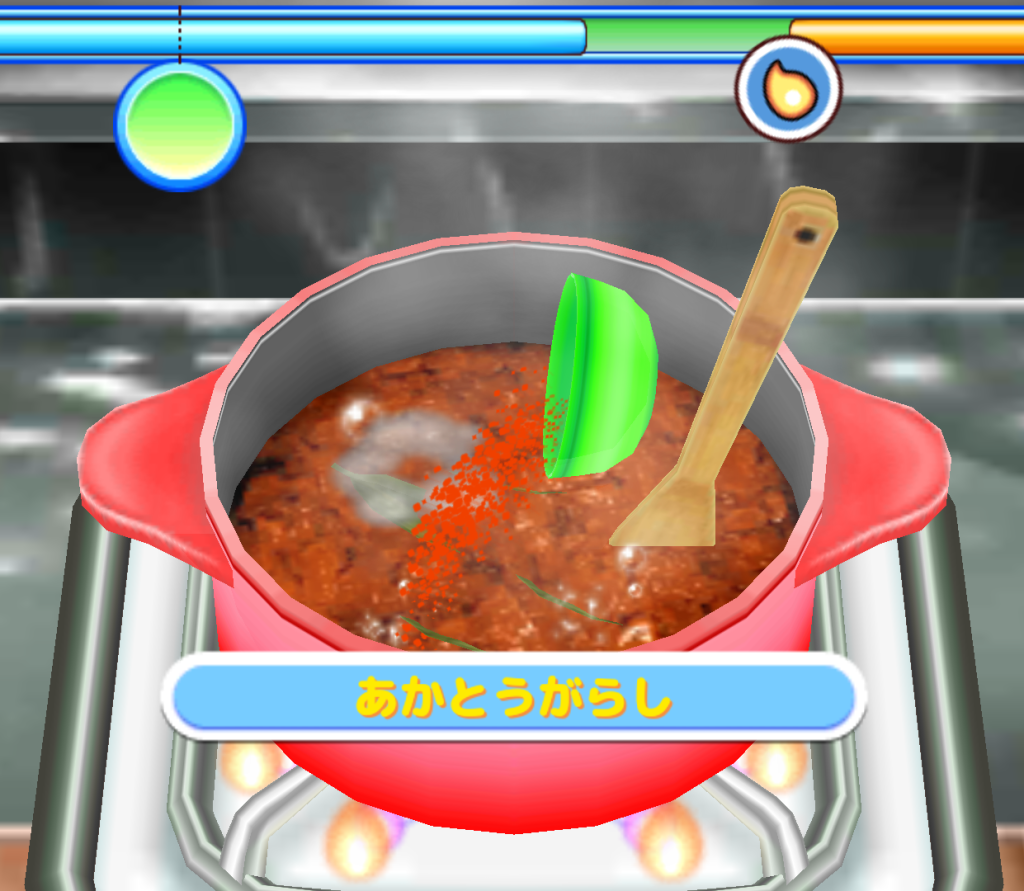
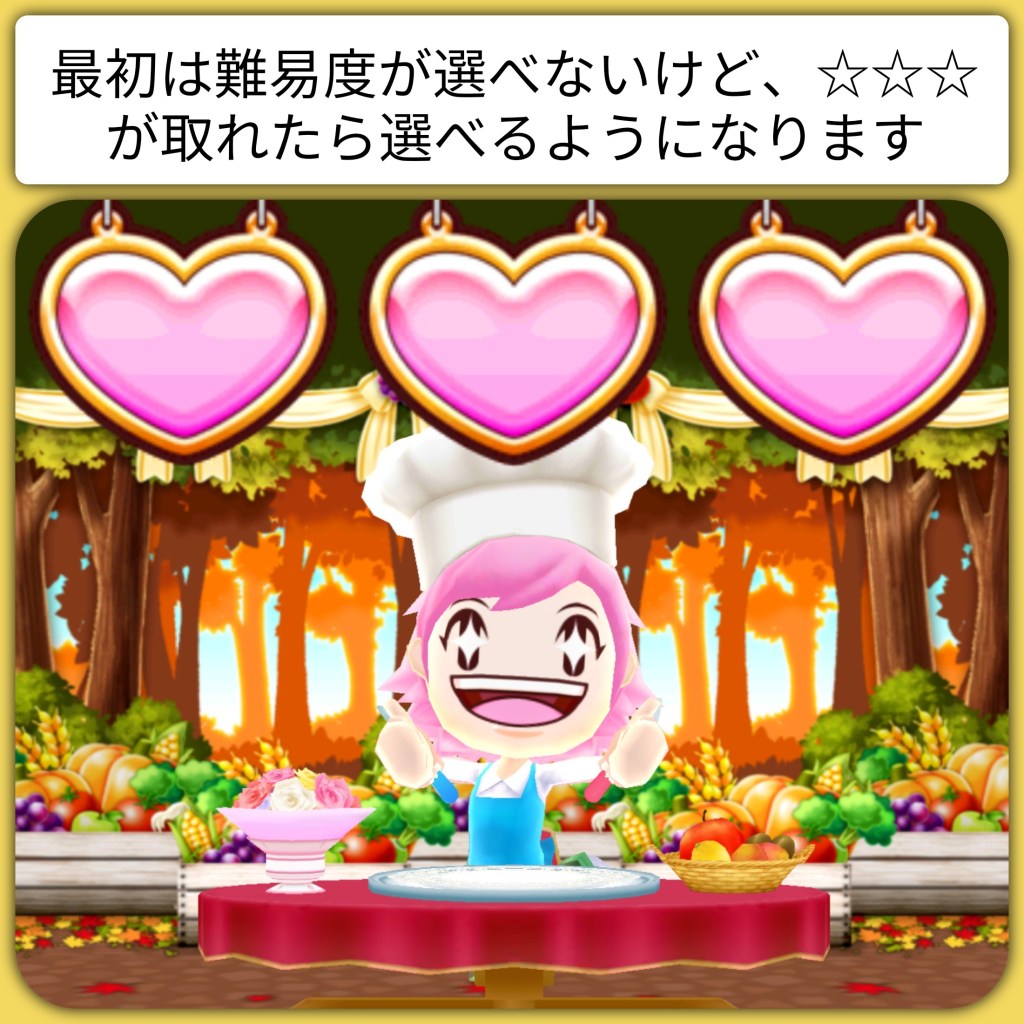
In order to get three hearts on a recipe you will have to complete it a minimum of 3 times (by all means do as many as you need), this gives you an opportunity to repeat and memorize the steps. Use this as an incentive to either speak aloud or write the steps prior to cooking in order to commit them to memory. Visualizing the steps during this exercise, while you complete the recipe and potentially again if you cook the recipe in your actual kitchen will create a strong connection and understanding as opposed to just wrote memorization.
Previous Posts
 Games & Kanji