Whether or not studying is meant to be mundane or not is a debatable topic. It is said that hard graft is what gets you to where you want to be but at the same time it is also said that enjoyable topics are more easily learnt. Both are correct but I would also argue that it’s possible to find simple, passive learning that you may not have considered that can be equally beneficial. Many items in our day to day life are either tedious or uninteresting to the point we probably wouldn’t consider thinking about them, however when you introduce a target language it can turn anything into a puzzle to solve. Whether it be unusual or not, I personally love the feeling of finding and reading even the most seemingly boring items or reading about a topic that may not even interest me in English simply because it’s in another language and I think this is a trait that is massively beneficial for maintaining your learning momentum. Immersion is often talked about but rarely practiced and one way for you to build that little bit more immersion is to enjoy even the most mundane of items.
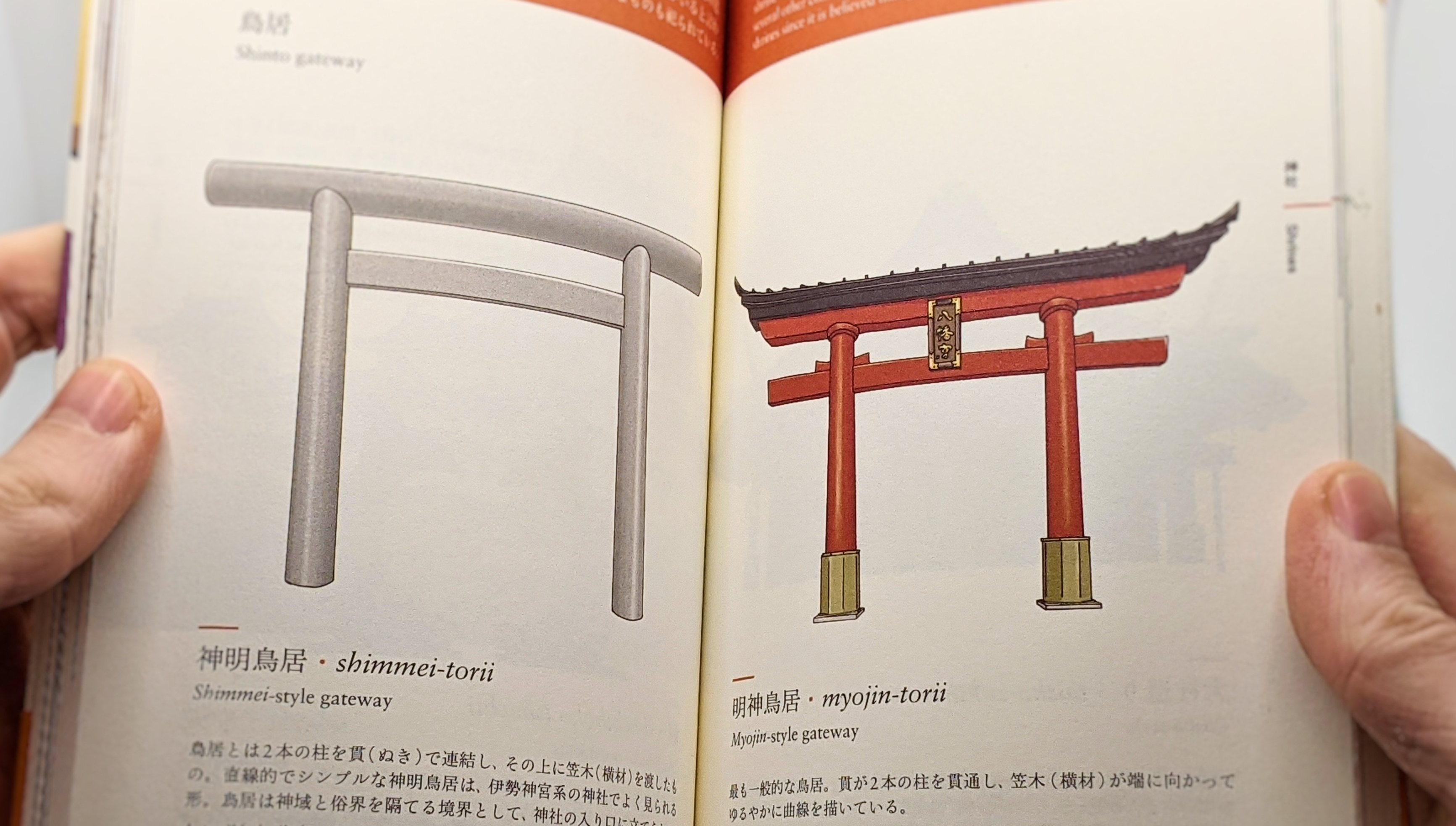
First things first, it is important to look into the feelings you get while learning any skill. Being able to achieve something no matter how small can often give you a buzz of satisfaction. This is often a driving force for hobbyist of all varieties, from those that chase adrenaline rushes to those that perhaps prefer to keep both feet firmly on the ground at home. The smallest and simplest skill in language could also be considered one of the hardest and that is simply seeing a word or phrase and taking it in naturally. The goal for all of us is to get to that point where understanding is effortless but the irony is that it takes a lot of effort to get there. By introducing day to day objects with miniscule amounts of wording you can bring about this joyful phenomenon more frequently and as such I choose to surround myself with all things Japanese wherever I can.
Anyone who knows me also knows I’m incredibly easy to buy for. If I am gifted so much as a T-shirt with a single kanji on it I’ll be content. I’m very open about my passion for language learning and as such the myriad of gifts I have received since the start of my journey is forming a lovely little collection. Along with many other bits I have collected myself I have had some fun and beautiful items over the years including figurines, games, puzzles, countless books and many food items and all of these amazing things come with everyone’s least favourite tag-alongs; instructions, labels, packaging and receipts. To most of you out there this may seem like it’d be useless but I make a habit of collecting and reading through these throwaway pieces with as much passion as the goodies they came with. I even keep them in a folder for future reference.
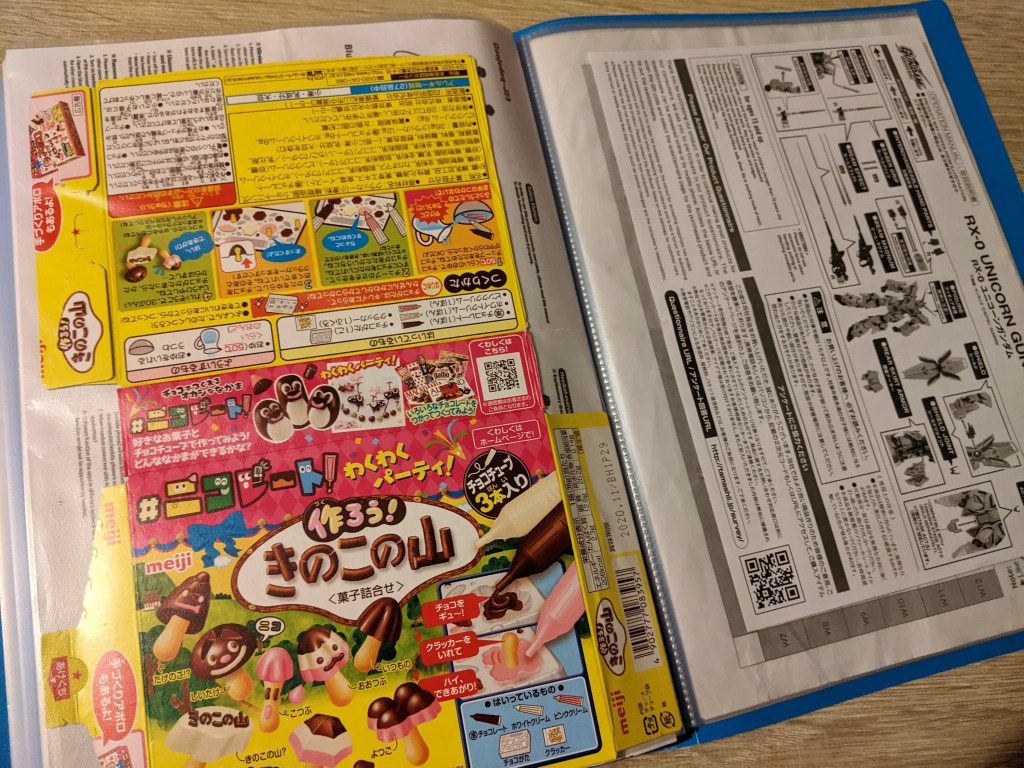
I am perfectly aware that this habit is extreme, not in the sense that it’s harmful to my lifestyle but just in the sense that some people may think it’s excessive however it does come with a bonus that you don’t get in many digital media formats and books; variety. That’s not to say you can’t find variety within more popular media it’s just that items such as packaging rely on much more out-there and eye catching methods in order to get your attention. The variety of topics, fonts, writing styles and target audiences changes drastically depending on what item you’re reading resulting in a well rounded understanding of the language. Product designs can utilize stretched or warped kanji characters or even integrate imagery into the lettering to build their logo and this is something that you may be use to seeing in your native language with out much of a second thought. The reason you can take this in so readily is familiarity. Being able to recognize unusual features in each isolated situation will strengthen your recognition of characters going forward meaning you are better equipped to take in all the weird and wonderful fonts out in the wild.
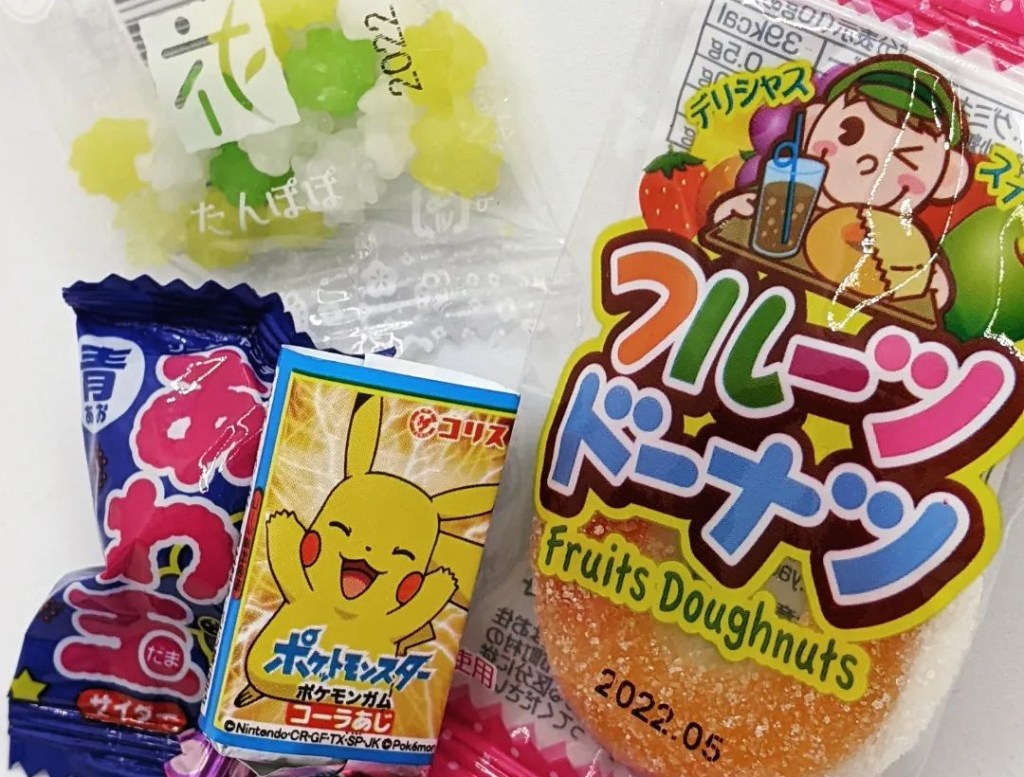
In my afore mentioned collection of goodies, I have a large number of Japanese sweets (You can find some of them here on my second instagram). The packets for these sweets feature some zany kanji characters, descriptions of the goodies inside and all of the usual safety and dietary information you would expect. The benefits you can find from this aren’t huge (after all the size of most of these snacks is small enough there’s likely less than 100 words in most cases) but they are distinct from the typical textbook language a lot of learners rely on. You’ll find puns and word-play, as well as a decent amount of katakana and onomatopoeia words, and if you do fancy more of a challenge you have more formal and sometimes scientific language too gaze over too. The beauty of small items like this however is that they are very low commitment and just a bit of fun, they highlight the joy in language for me and just having them around can spark moments of learning on those days where you don’t feel like studying.
On to the really boring now, instruction manuals are a great example of things that most people would actively avoid reading. Come Christmas time there is scarcely a child around that would rip open their new toy and dive head first into a step by step guide of how to put the batteries in but when considered in your target language they become an invaluable resource. Instructive language is something that is consistently useful throughout conversations and reading so taking the time to look over these booklets is well worth it. For certain items you may even find that the instruction manuals are just as entertaining. Although not a huge fan of Gundam myself, having an interest in Japan, and therefore by proxy, having in interest in Japan’s biggest interest has garnered me multiple build sets. These sets come with a piece by piece manual littered with simple instructive language but also facts and tidbits about the series and the particular Gundam you are building. This is an optimum case based on my experiences however the range of booklets you can find is perfect practice for similarly formal books. If you have an interest in recipe books you’ll find that the instructive language, while different in topic, uses the same grammar aspects. Non-fiction books will also have a similar level of language, using compound words with a more mature and academic feel to them. Packaging holds all manner of subtle relationships to various topics (engineering, chemistry, cuisine etc.) as well as a full spectrum of politeness and vocabulary.
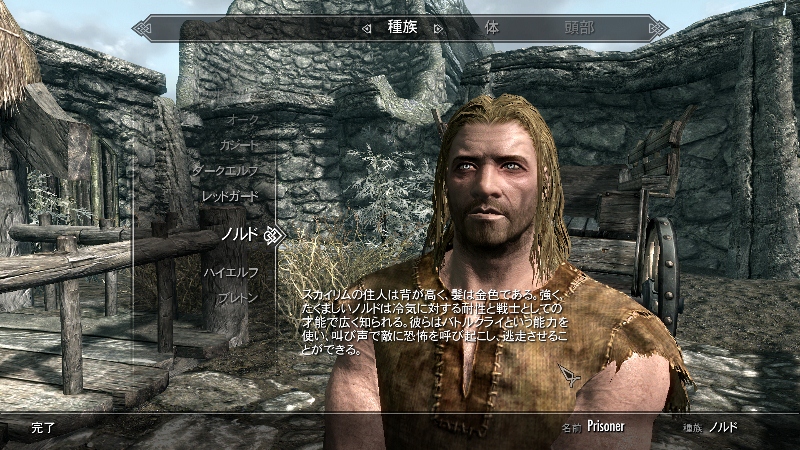
As with all thing with Games and Kanji, this ties back nicely to video games. The culmination in finding joy in the little and typically uninteresting aspects of the world means you can extract more joy from those aspects in video games too. Often disregarded features such as menus, loading screens and UI features can become interesting tools, the added advantage being that you will see many similarities from game to game. Most menus will feature the same headings, all of which hold relevance in day to day life, such as brightness, volume and sensitivities but more involved menus like character creations open up a world of interactive learning where you can move sliders and see the impact alongside titled headers. Outside of the digital game you may even find more content to read through. If you’re a lover of collecting games and you’ve ever bought an international foreign copy you may be be lucky enough to own an instruction manual or some merchandise bundled with it. When I play games nowadays I often supplement my reading and knowledge in my down time in order to better understand it when I return to playing. If you don’t have physical content available then there are always guides, wikis and forums online that can fill that gap.
The crux of this is that there are many different ways you can add to your learning and you may not have considered a large proportion of them. Try looking out for already existing bits of language around your house and if you can’t find any, buy some toys, food or non-fiction books in your target language. It’ll help build your passion and motivate you further towards your goal. Simple tools such as Amazon or eBay mean that you are never too far away from experiencing more of the world you’re interested in. See what you can find and let us know what sparks joy in your language learning journey.
 Games & Kanji