
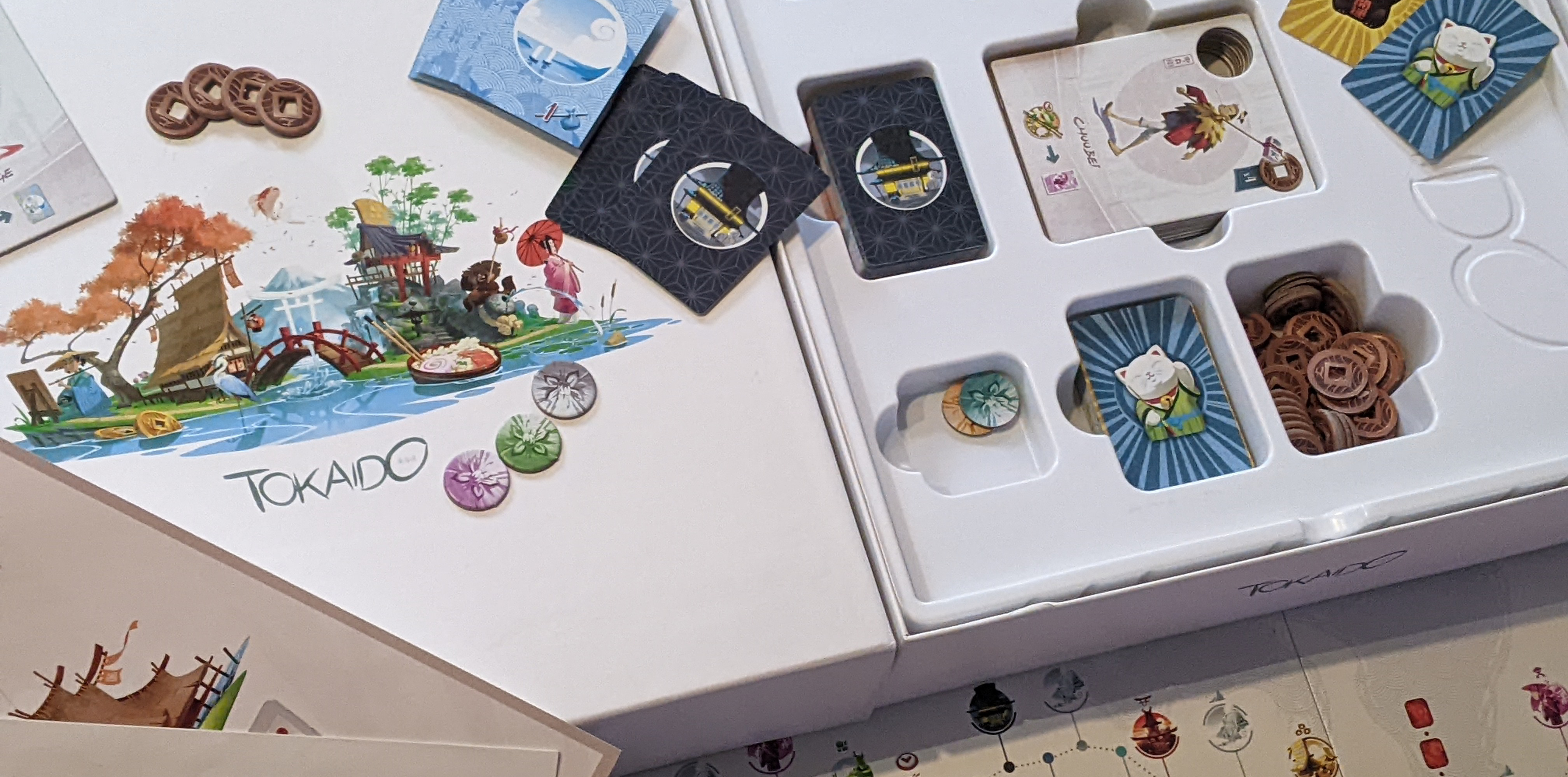
Tokaido is a picturesque and beautifully characterized portrait of the region of the same name. Your role, as one of the many travelers along the eastern region of feudal Japan, is to traverse a multitude of sites, resting sequentially along the way, and get to the goal with more points than your opponents. The game is by no means fast paced and is as delicate in nature as its art style. The rules are simple and yet the intricacies of overcoming the other players depends entirely on how you’d like to play, how aware you are of the progress of others and which character you would like to choose. As a board game lover I owned a physical version of Tokaido first (Alas an English copy) and had played it to death before I even knew there was a digital version so I was elated to find this on the app store on one of my many excursions for new Japanese games.
Platform and Languages – 6/10
Tokaido is available on mobile for both Android and Apple, PC via Steam and even online in free browsers. You can find a link to a free site to play the game and even a full tutorial here. The Steam and Apple versions of the game are paid, at roughly £7 ($10) and £2 ($2.50) respectively, however the free versions hold just as much content to the same quality if not better in the case of the browser version.
The language options can be changes at the push of a button from the settings menu at any point within your playthrough meaning if you are struggling with any aspects and need a bit of guidance in your native language you can change in and out at will.
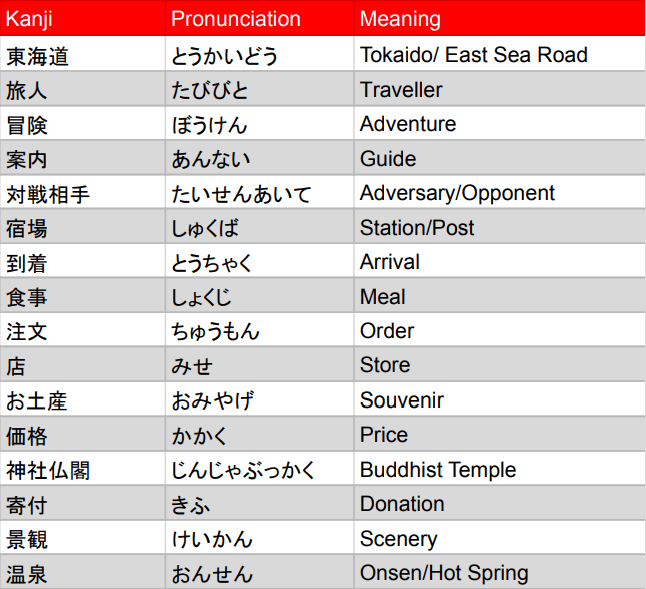
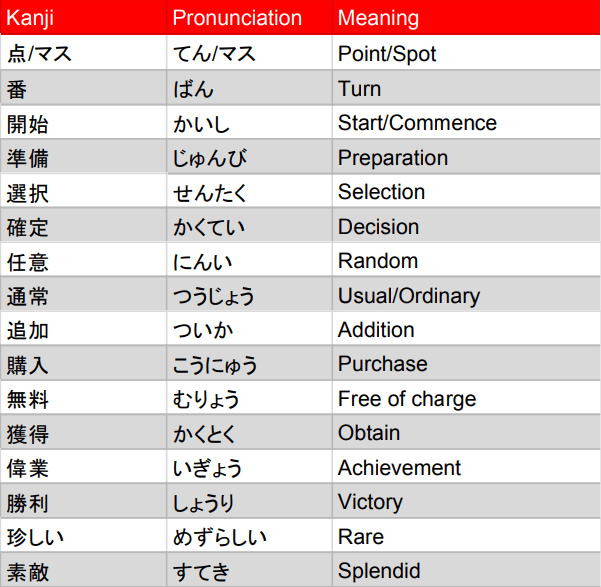
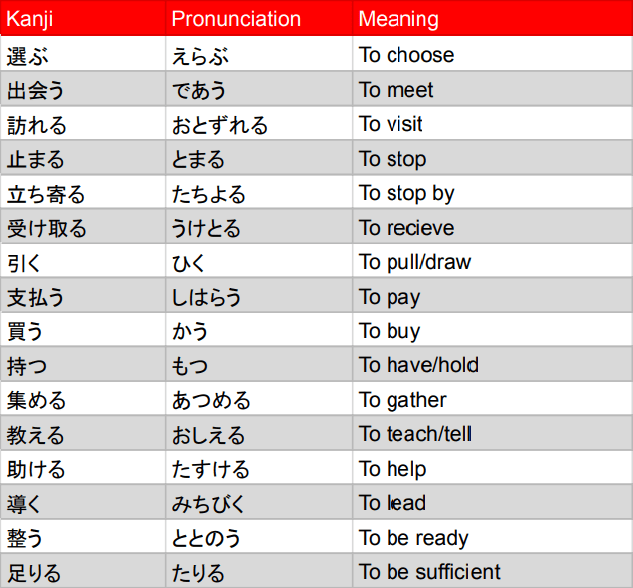
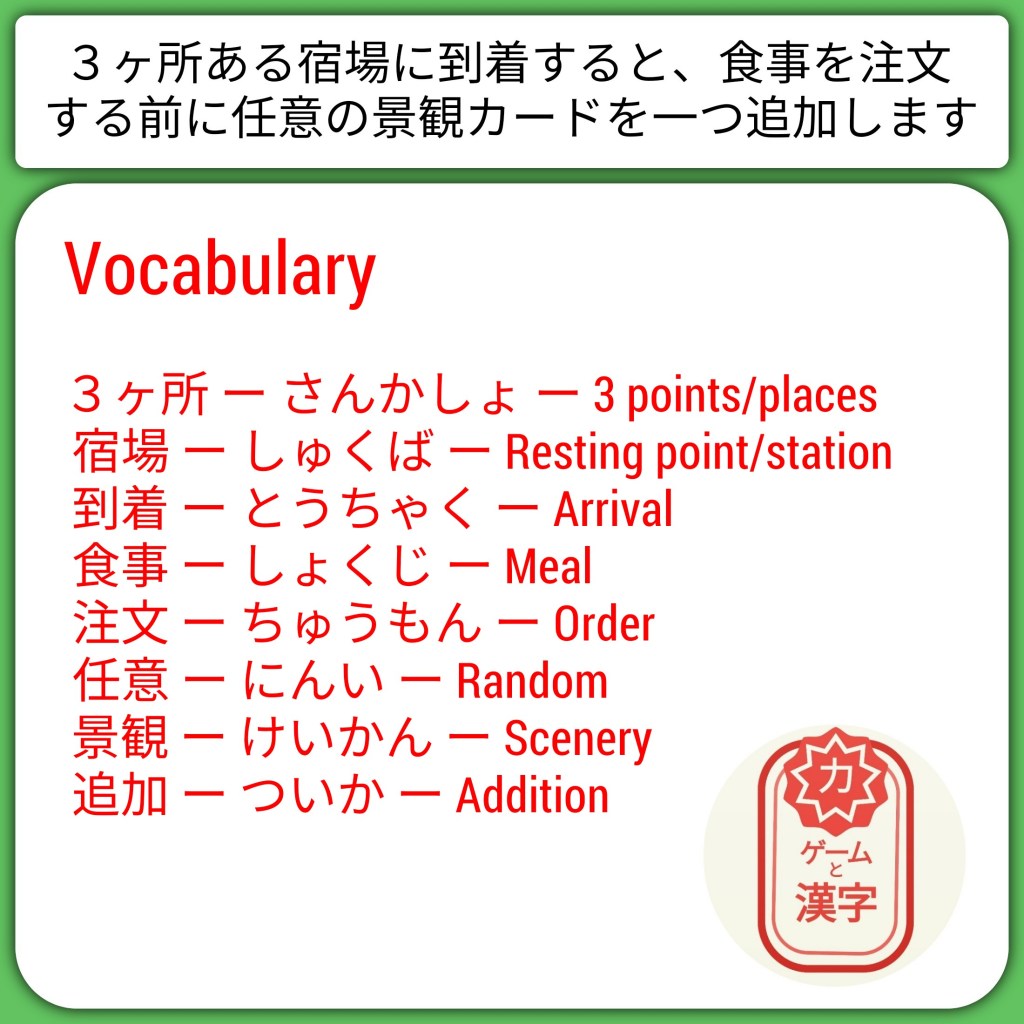
Glossary
Usability – 6/10
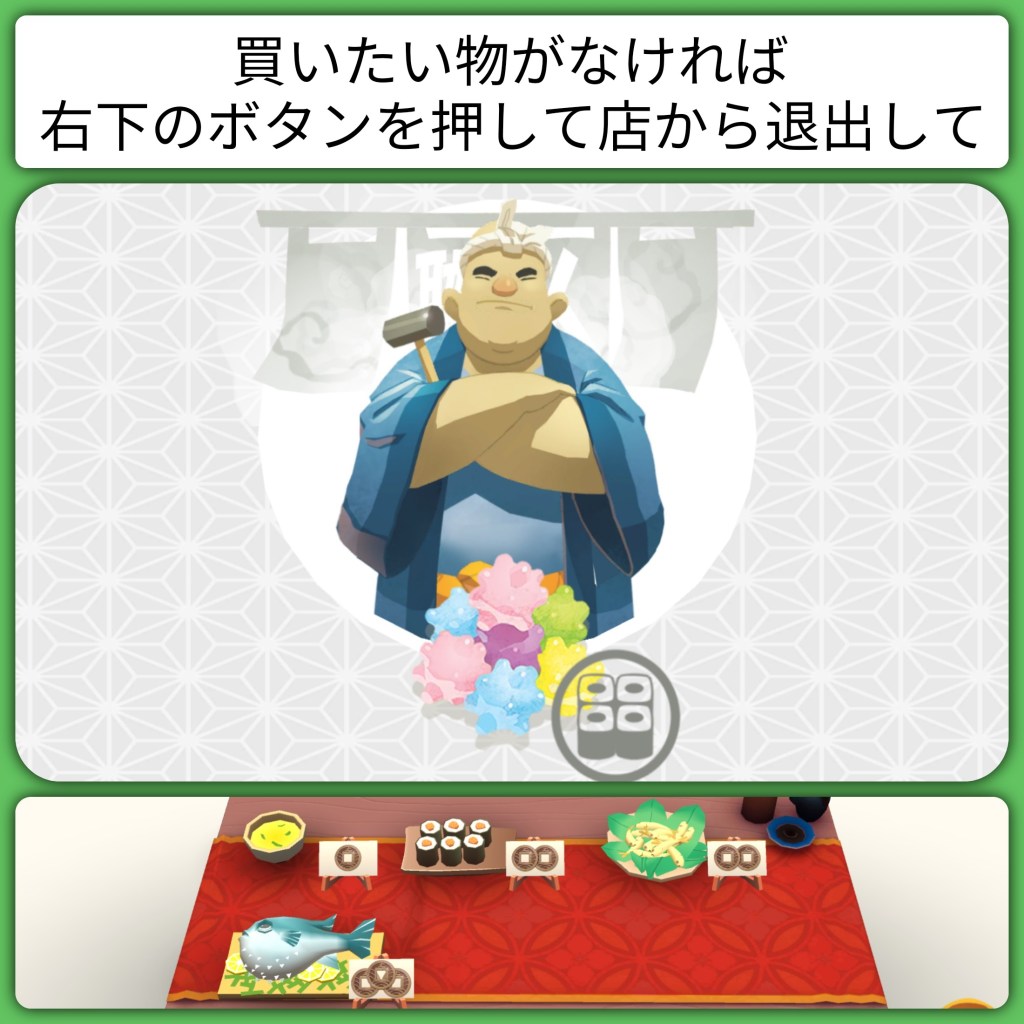
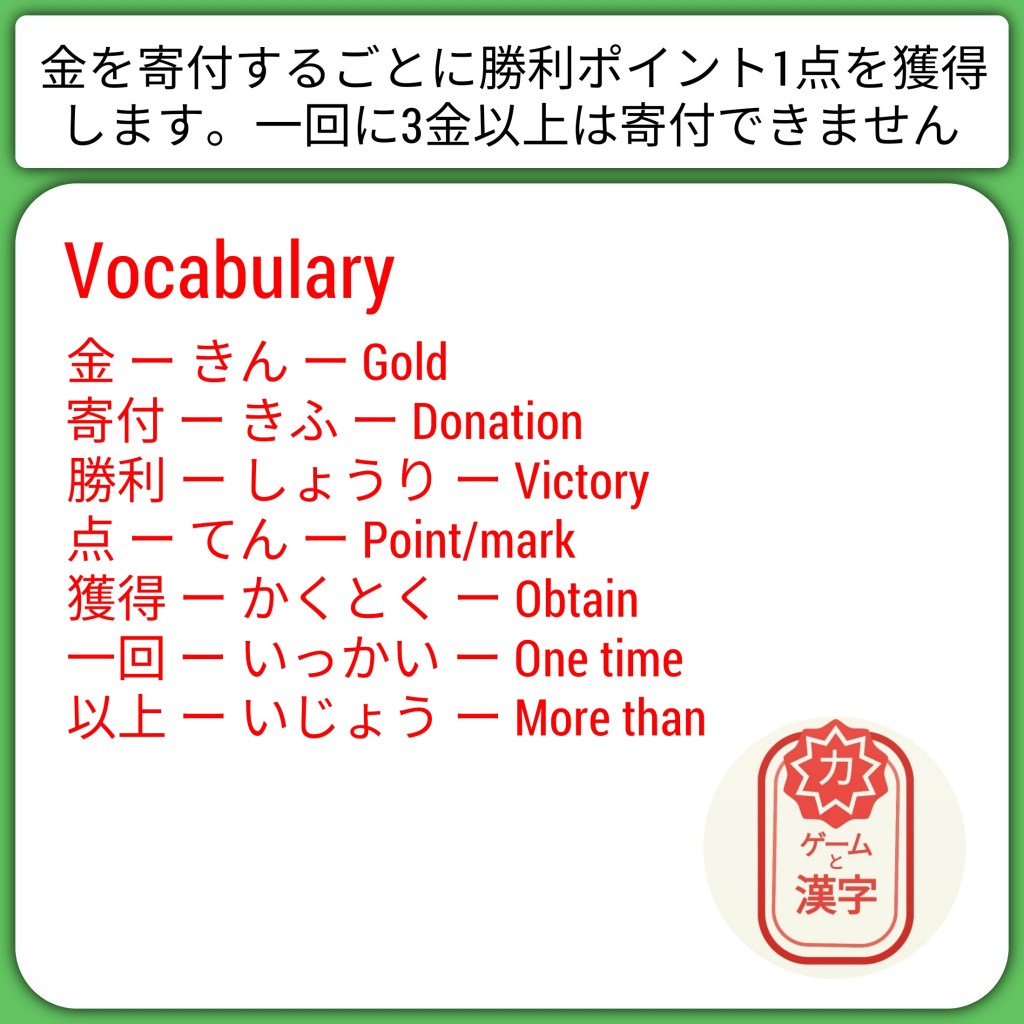
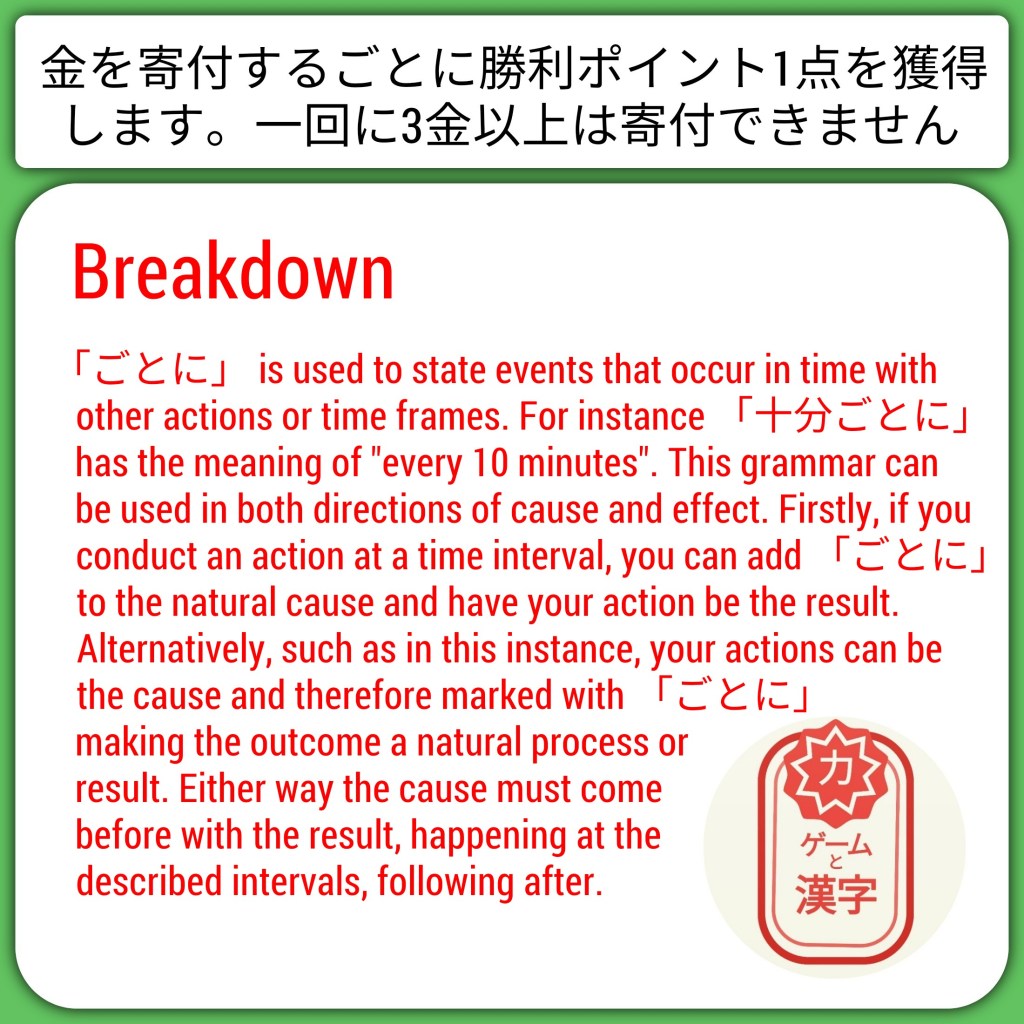
If it weren’t for the browser version of this game being readily available I would have likely reviewed this game more poorly than I intend to now. That’s not to say that Tokaido is a bad game for picking up vocabulary, just that the language itself and the volume of it is scarce. On your journey from Kyoto to Edo (Modern day Tokyo) you will come across only 4 different types of spot on the map that include language in any form; the souvenir store, the temple, the random encounter and the inns. The rest of the points, although beneficial in your tactics to win provide no additional dialogue. The text that you find in the wordier areas of the game are brief, often repeated and hold little relevance to conversations you would hold in modern day to day interactions. Unfortunately it’s not often you will be speaking about making donations to the local temple although you could also argue it is better to have this knowledge and not need it than the other way around.
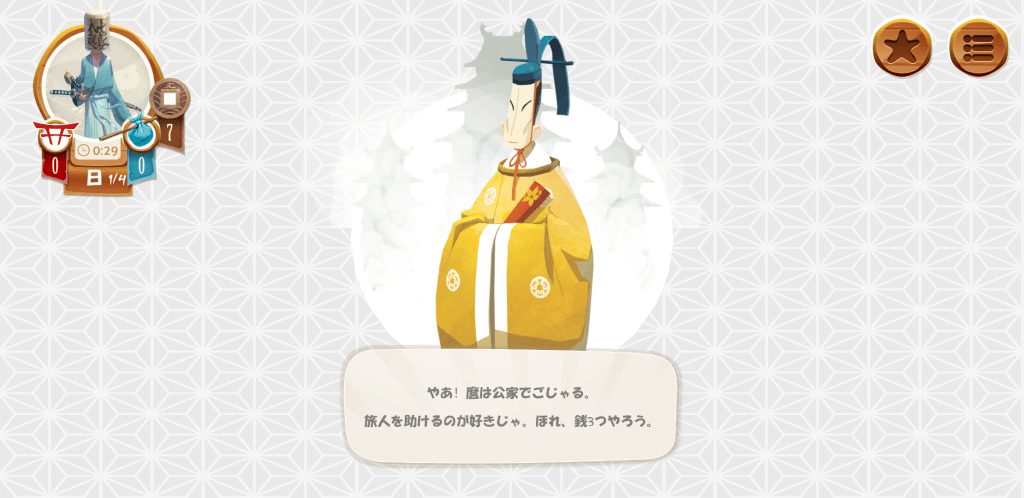
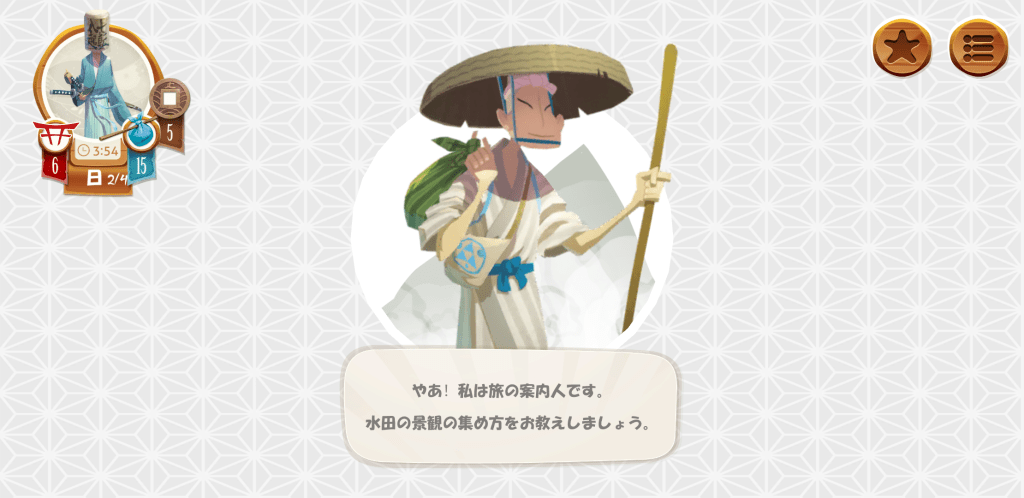
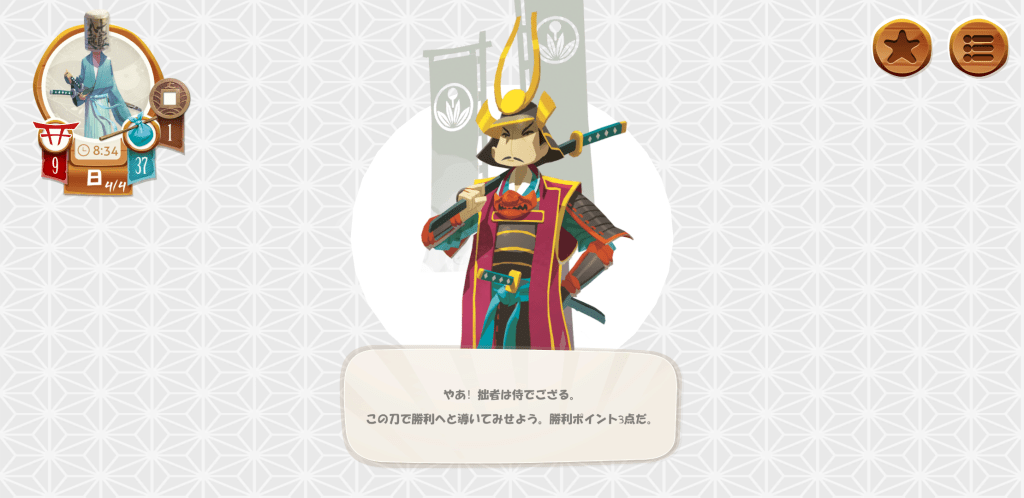
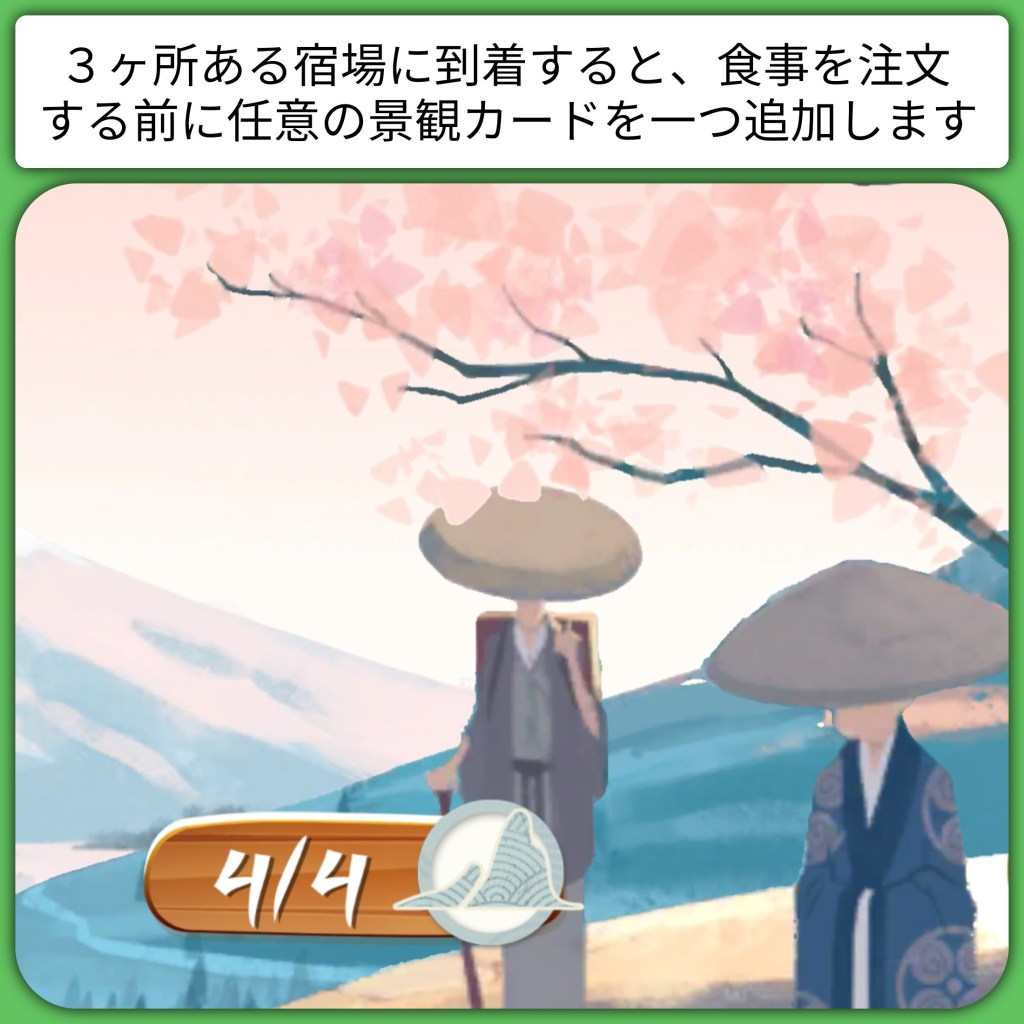
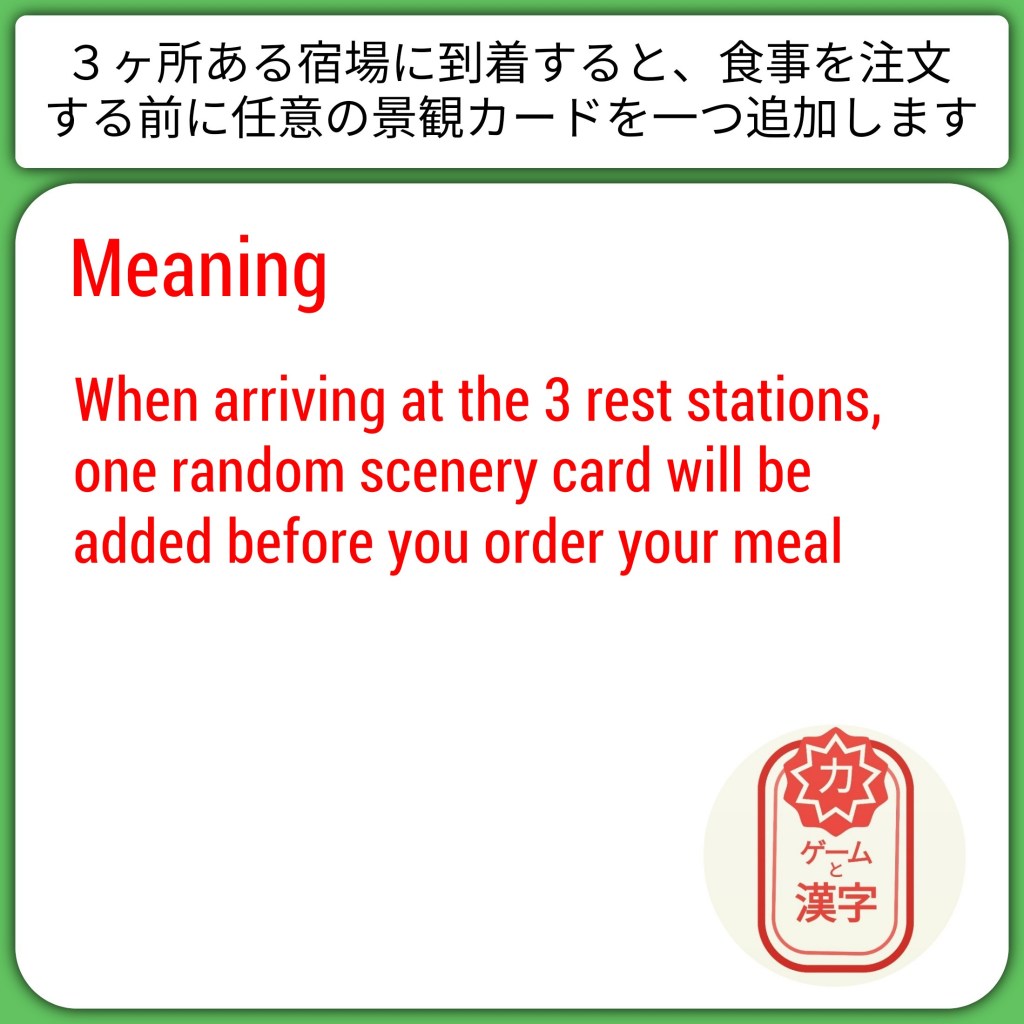
The benefit to Tokaido’s brevity is that you could genuinely spend an afternoon and learn all of the vocabulary. I struggled to put together a glossary for this game, not because the language was difficult but because there was so little of it. By learning a few tens of words and playing a couple of rounds you will mostly be caught up and able to read along comfortably which would give a feeling of satisfaction for anyone who enjoys completing or mastering a game. For beginners in particular this is an opportunity to delve into a game and fully understand all that can be found within a short space of time. Also, items such as the random encounters and the character skill descriptions hold comparatively more usable grammar and terminology making them worth your while to invest time into. I am obviously quite stringent with this game as my goal here is to find and use as much language as possible however I feel that Tokaido has a place in your phone because of its simplicity. This is a title where you can play 2 or 3 complete rounds in a short commute or you could even play with your friends online and learn together (in multiple language simultaneously, I might add).
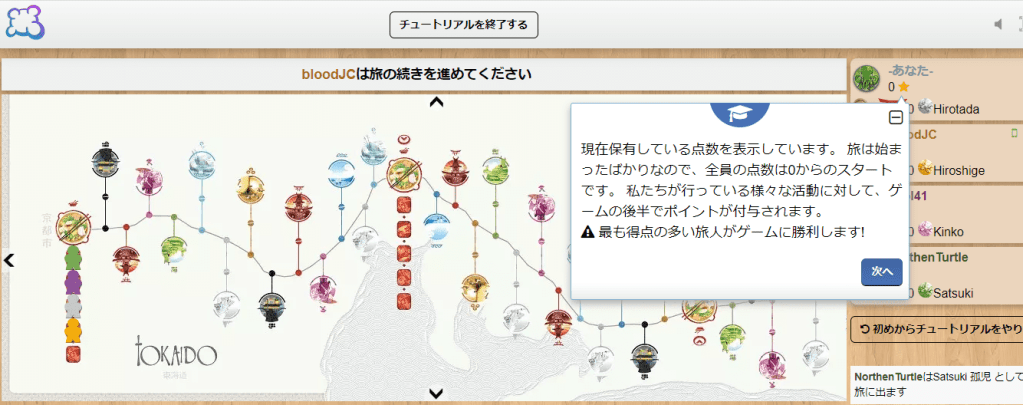
I am a sucker for any supplementary reading as I find it beneficial to read more and more around a subject in order to widen my knowledge of it. The linked browser version of Tokaido is just as valid and viable in my eyes and the tutorial makes the already included language feel more digestible and expansive. The tutorial uses much more explanatory language and relatively simple terminology, and even though the volume of text is far greater the benefit you can garner from it is significantly better too. Depending on your preferred method of study the previously quite casual mobile version can be treated as a desk based study session, or better yet, after reading deeper into the rules and growing your understanding you can dip back and forth into either version to think, write or speak aloud in your target language.
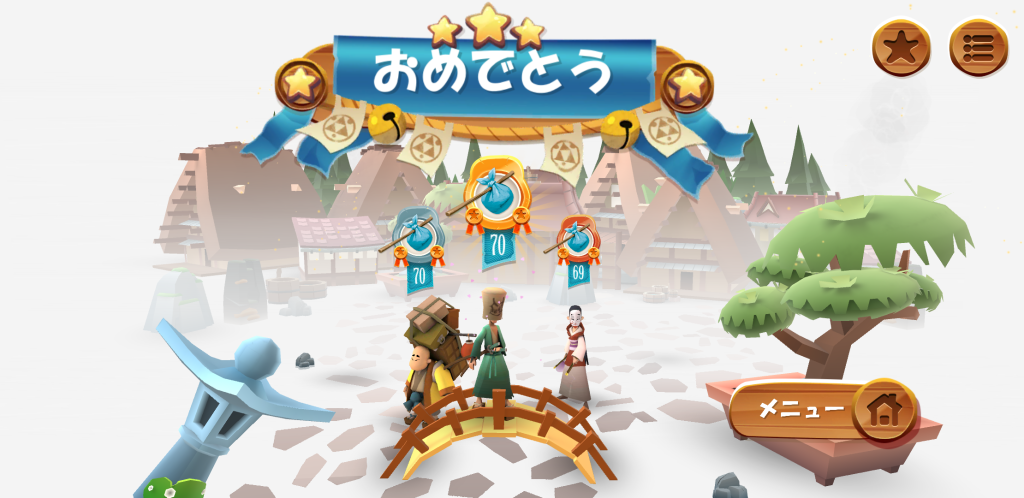
Overall, Tokaido is like this review, short and sweet. While it holds a personal place in my heart this game won’t make you fluent. It may however be a gateway into other board games in your target language or even just a casual little time waster and supplement to your daily language drills. All I can say is I love the art style, I love the feel and the ties to Japanese history and I’ve loved the journeys.
Challenges and Methods – 2/10
How to play
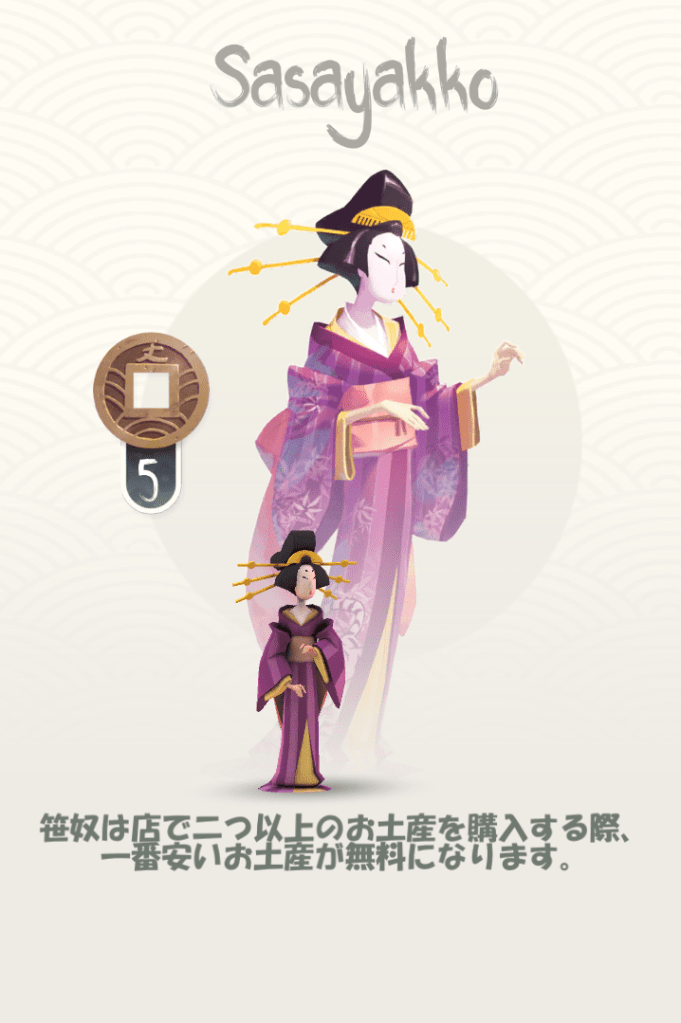
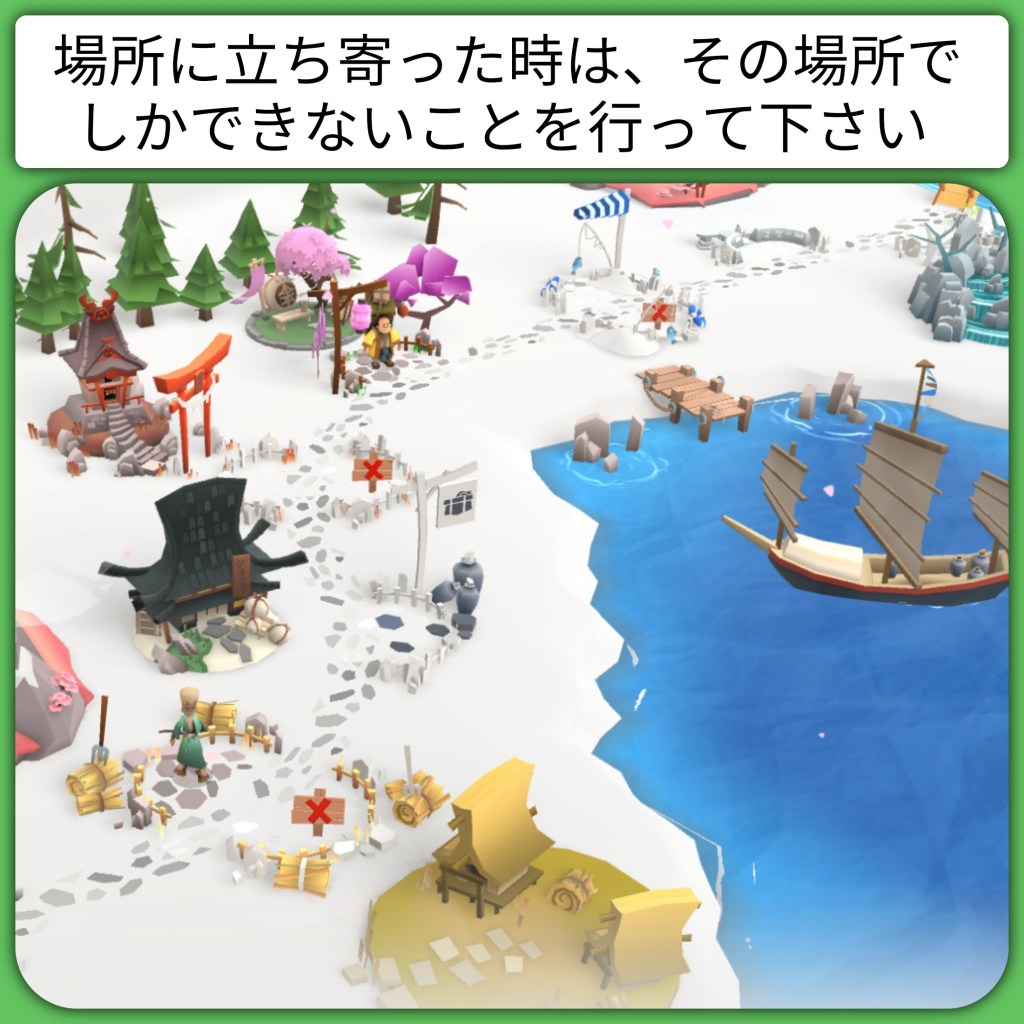
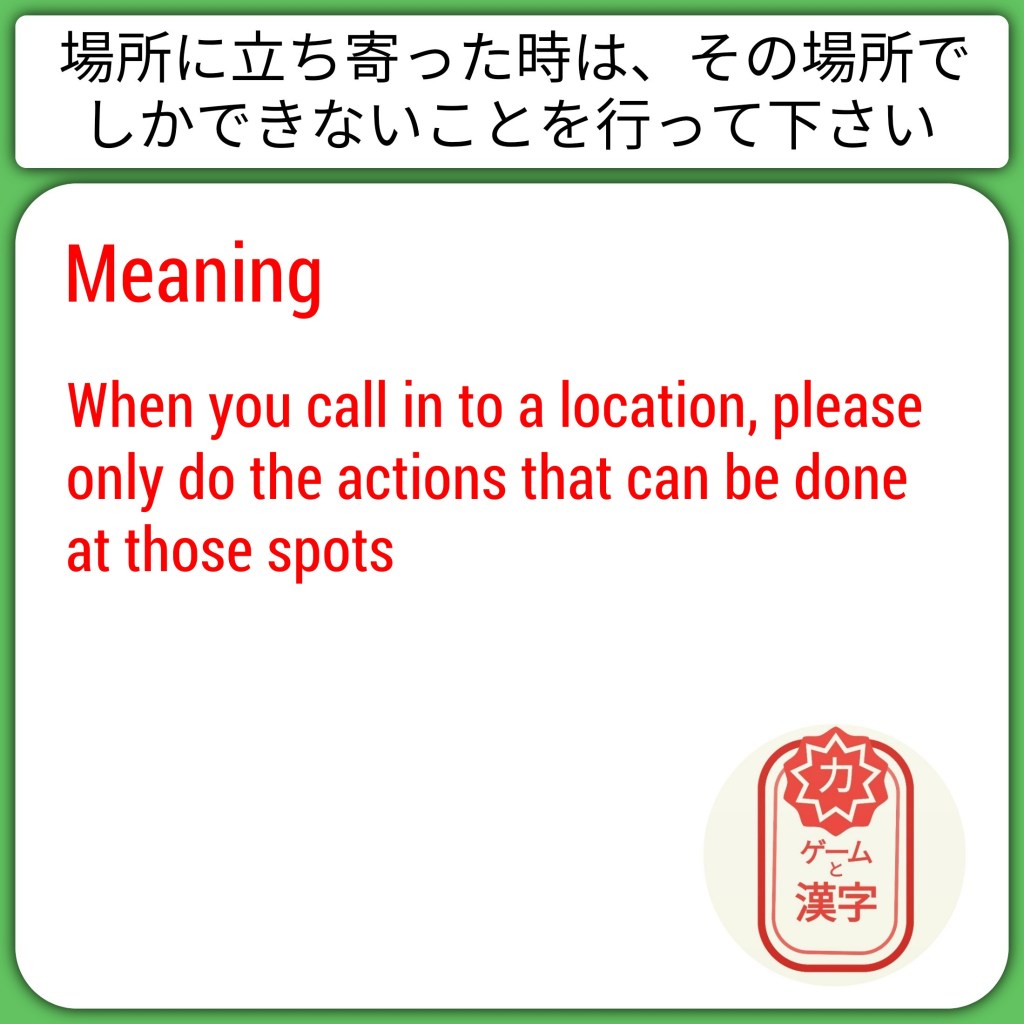
While playing Tokaido I could formulate a challenge from a number of things, take the character selection screen and their respective skills, however a few factors make this less and less viable. For instance, each character skill, although distinct, shares a lot of relevant vocabulary meaning there isn’t so much challenge any more even after memorizing or writing only the 3rd character. Other points in the game are also either to random or too brief to be able to set yourself a hard goal. As such it falls to the only aspect discussed here that has a reasonable volume; the tutorial. I fully believe it would be a benefit to many beginners of Japanese to write through the steps and maybe speak aloud at the same time in order to build their confidence with statistical language and instructions before playing through a few rounds and seeing what vocabulary you can maintain.
Previous Posts
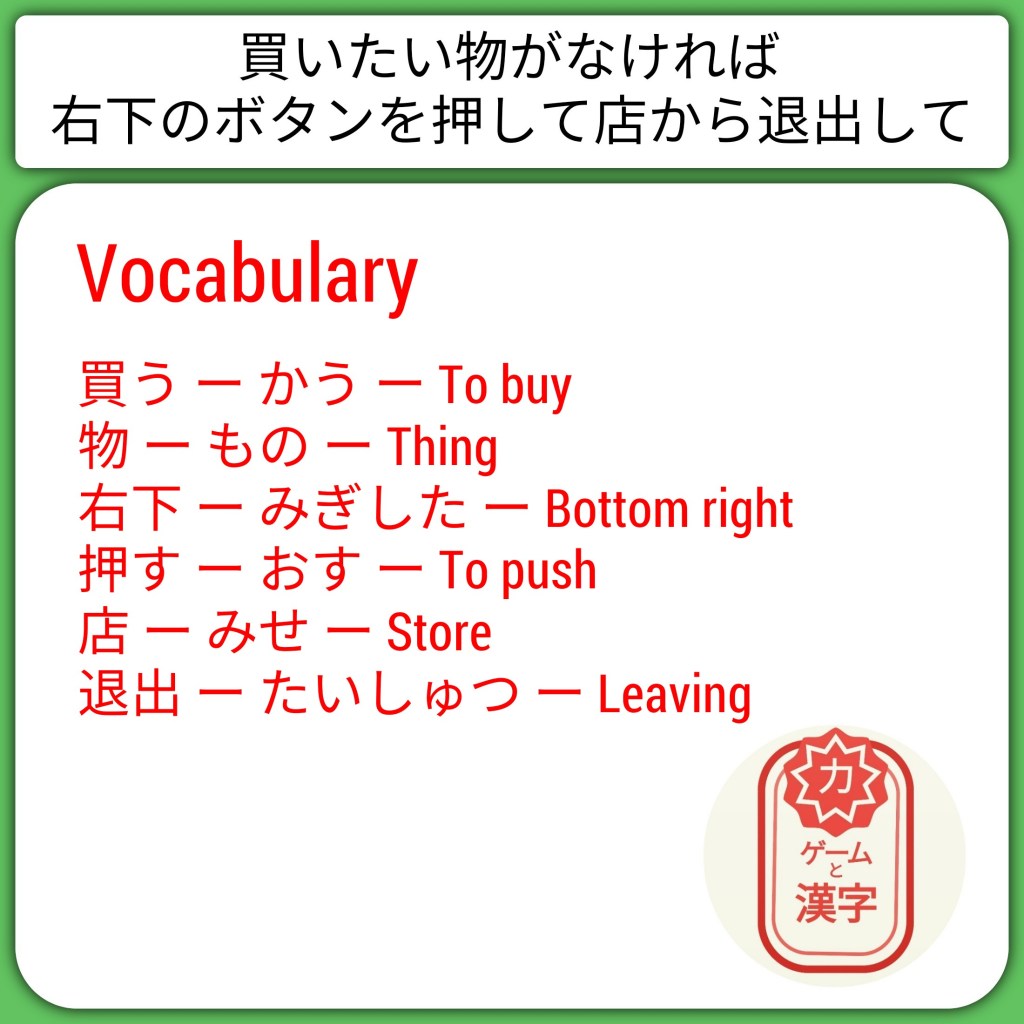
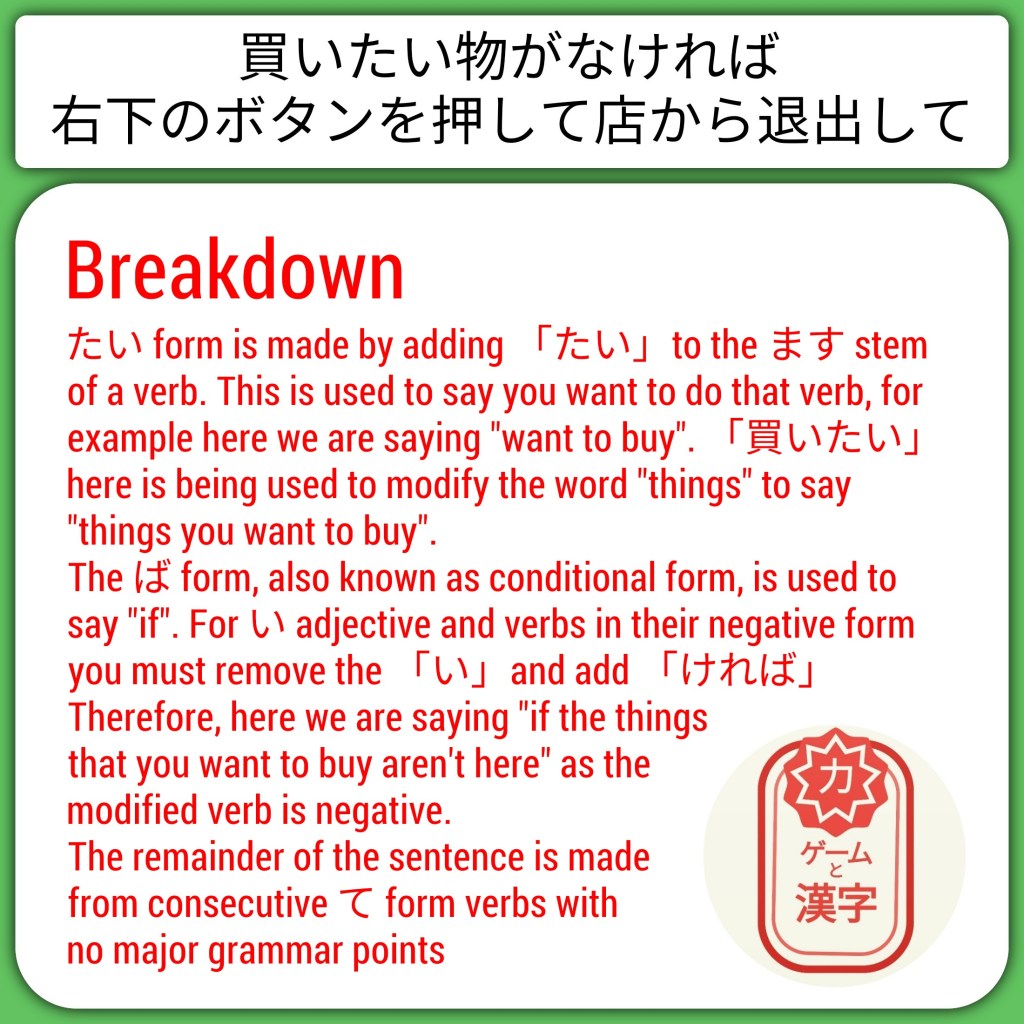
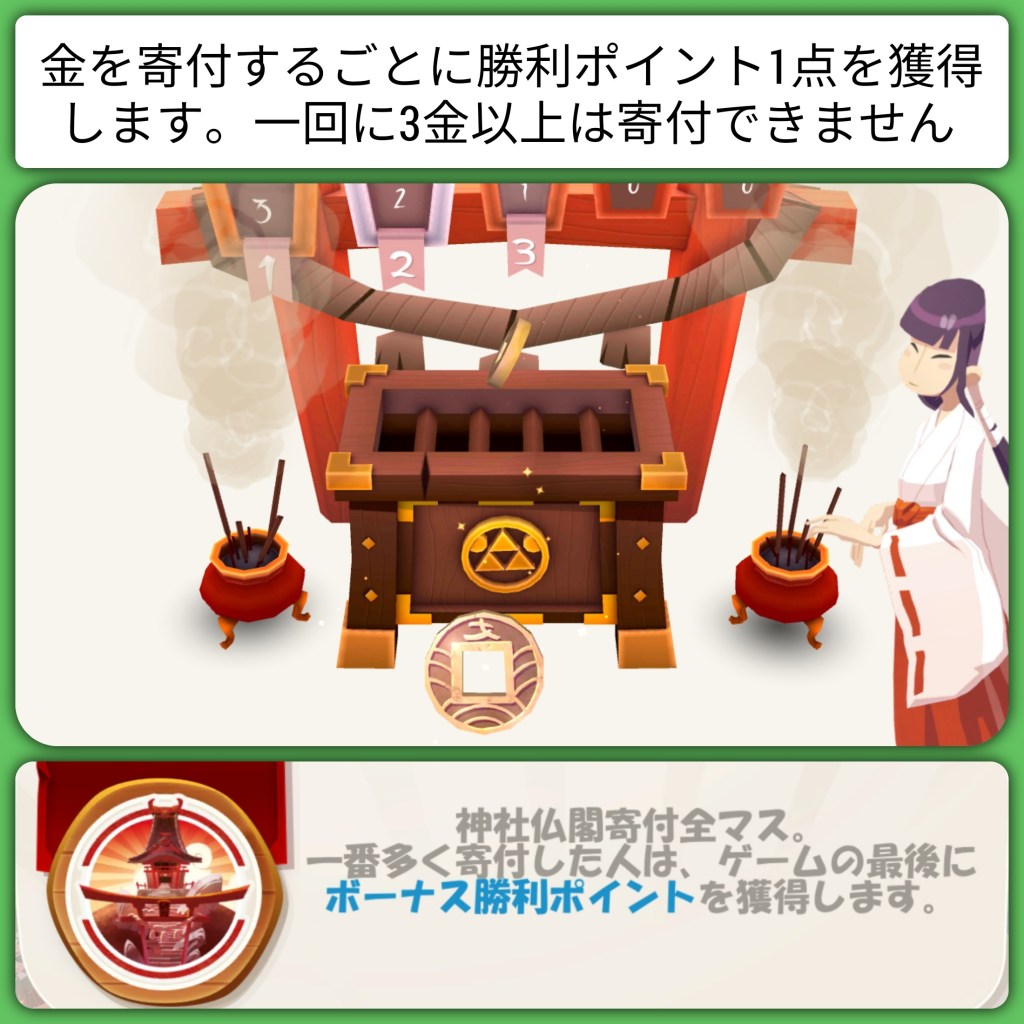
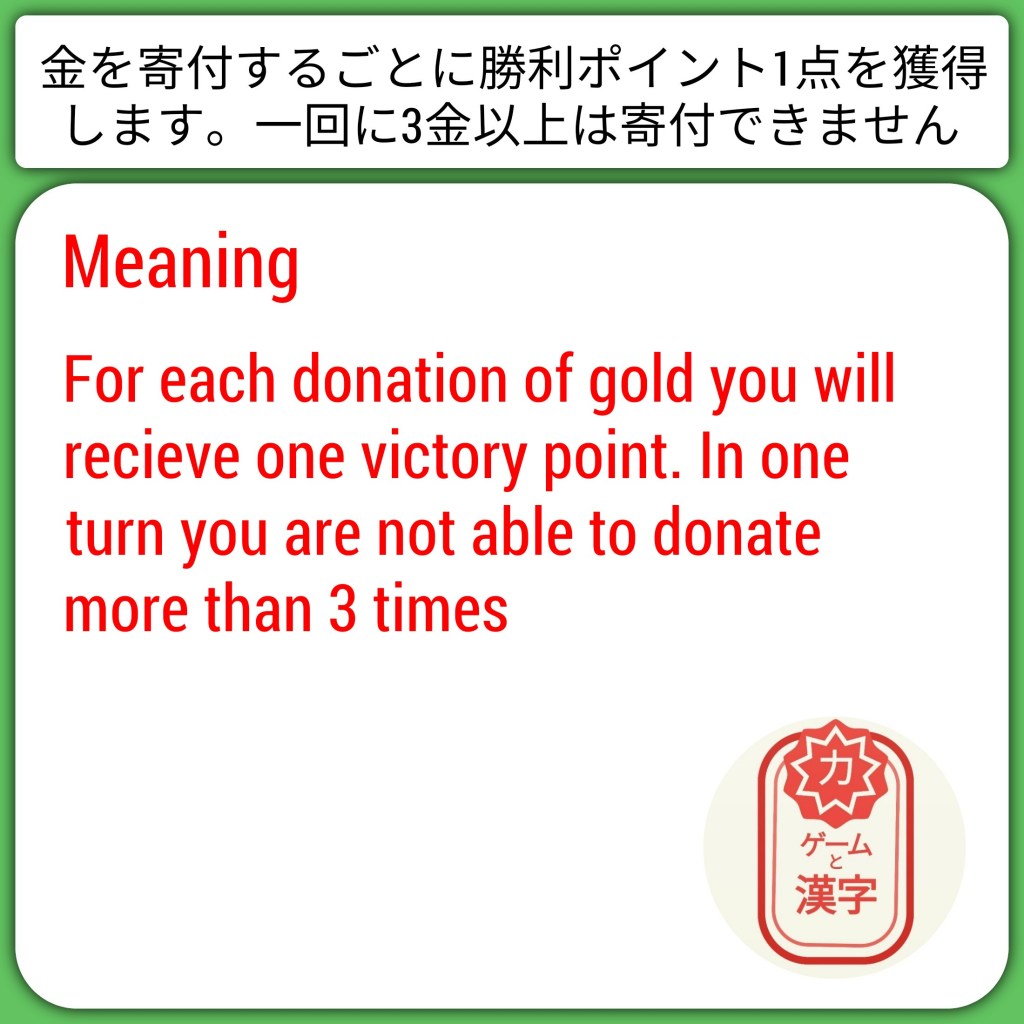
 Games & Kanji