
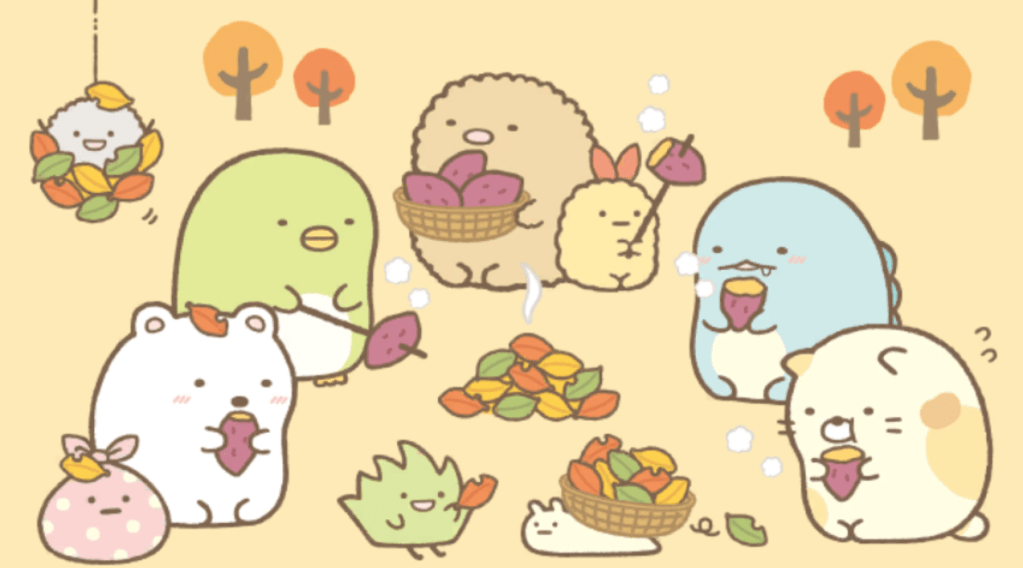
If you’ve ever been into a store that sells Japanese goods, or if you’ve been on any sort website based around popular Japanese media, you’ve likely seen the Sumikkogurashi crew. These guys, much like Gudetama and Anpan-man, are Japanese staples. What you may not have know is they also have a few games up their sleeves. Sumikkogurashi more directly translates to “Those who live in the corners/nooks”, which is a sweet way of calling the characters reclusive and awkward. Nowadays sims are a popular genre of games; farming sims in particular make up a healthy proportion of those and they come in a near endless variety. “Gunna make a garden” is a very cutesy, very Japanese take on the well established model. The game oozes character and charm while utilizing all of the tropes you’d expect from the big hitters. Seasonal decor, minigames and customisable characters, so you can dress up your little, anthropomorphic pork cutlet while he harvests his crops…
Platform and Language – 2/10
“Gonna make a garden” is available on mobile only across either Android or Apple devices. The game is free but comes with the usual tropes of being able to purchase in-game currencies and time skips.
The language options are more limited in this title, only including English, Japanese and Chinese, however these settings can be changed at will through the main menu or the settings menu in game.
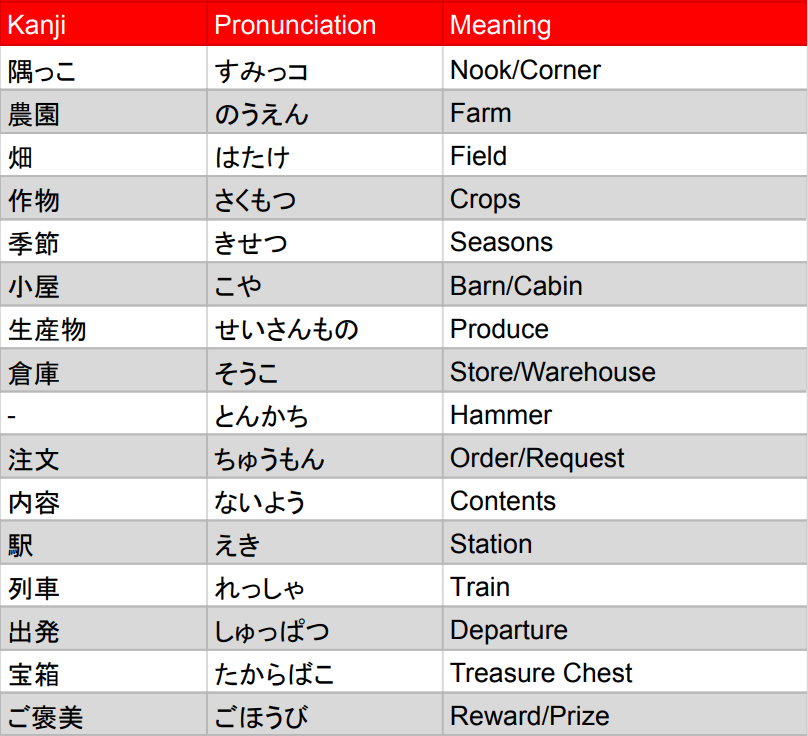
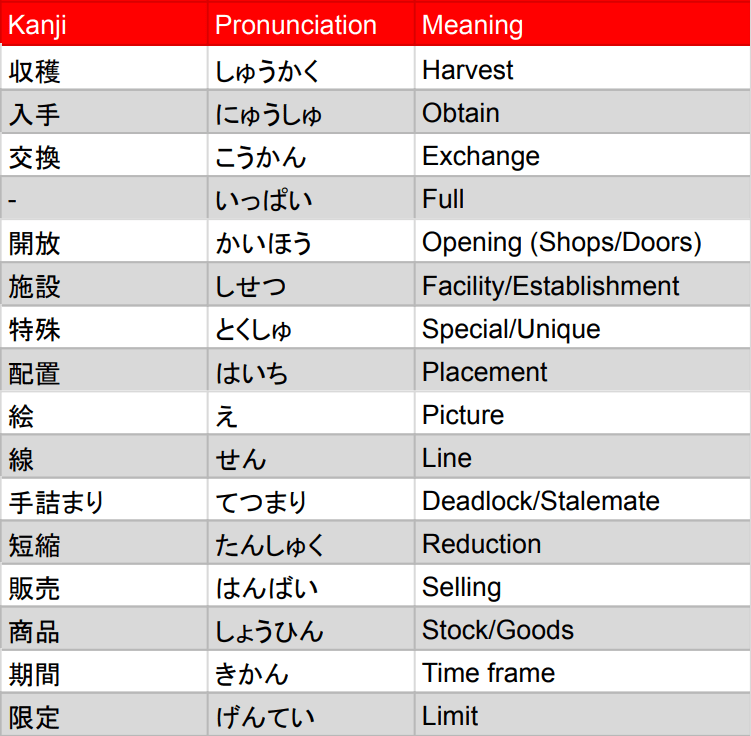
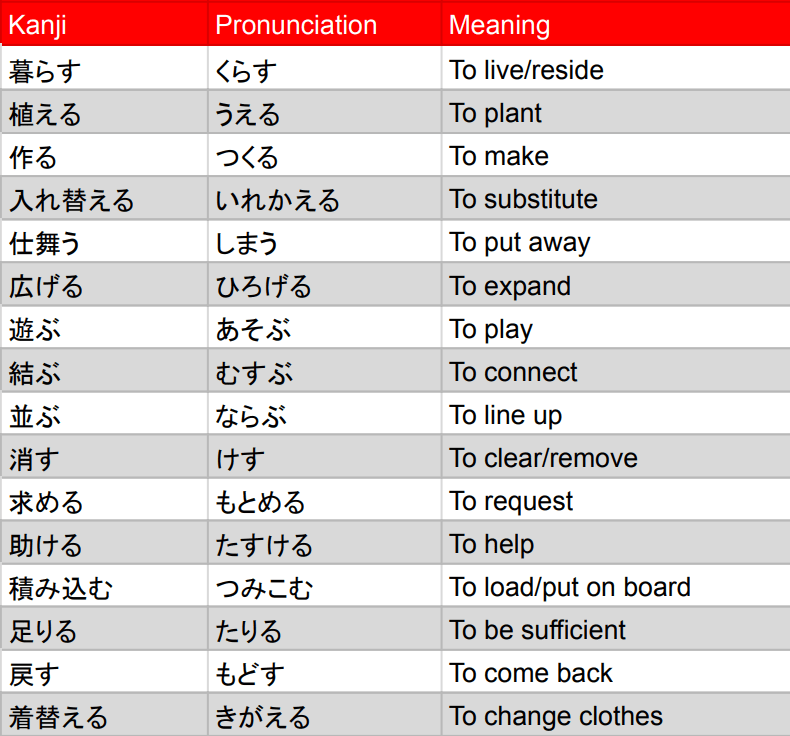
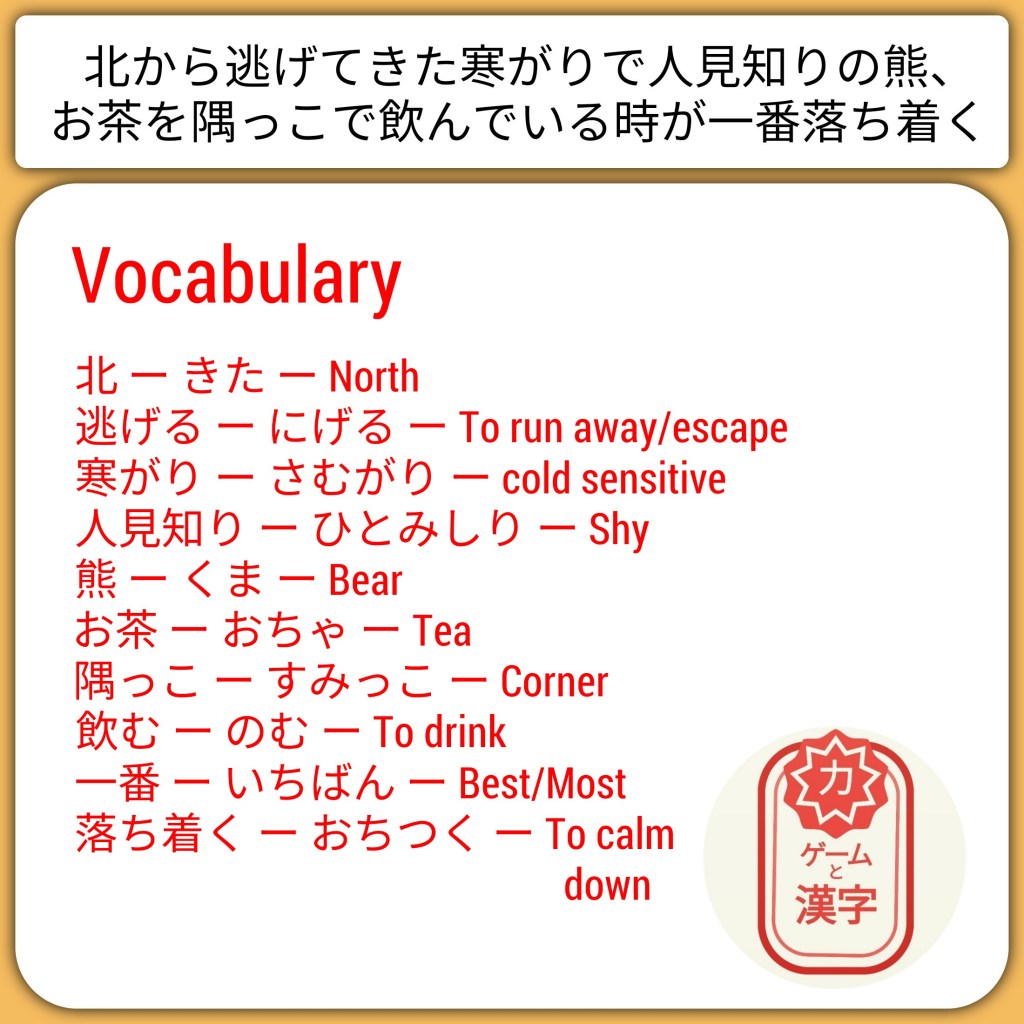
Glossary
Usability – 5/10
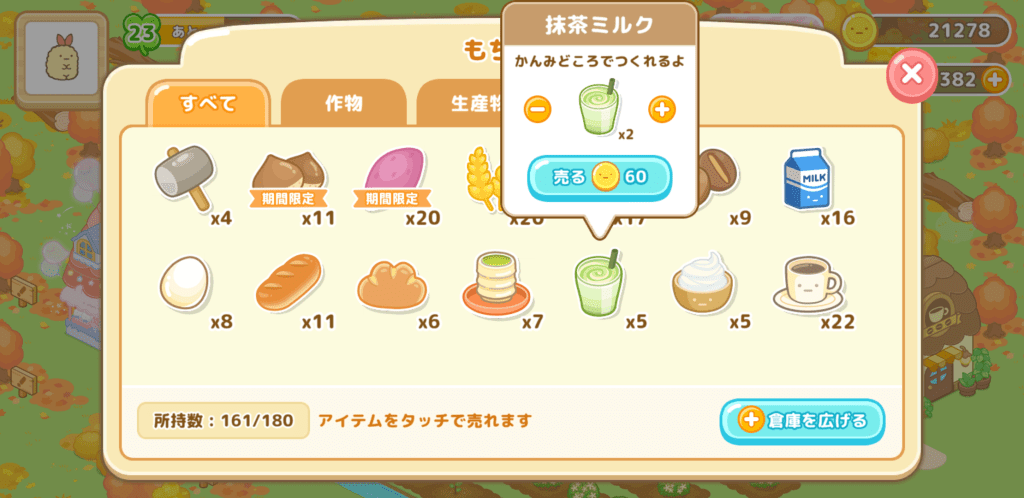
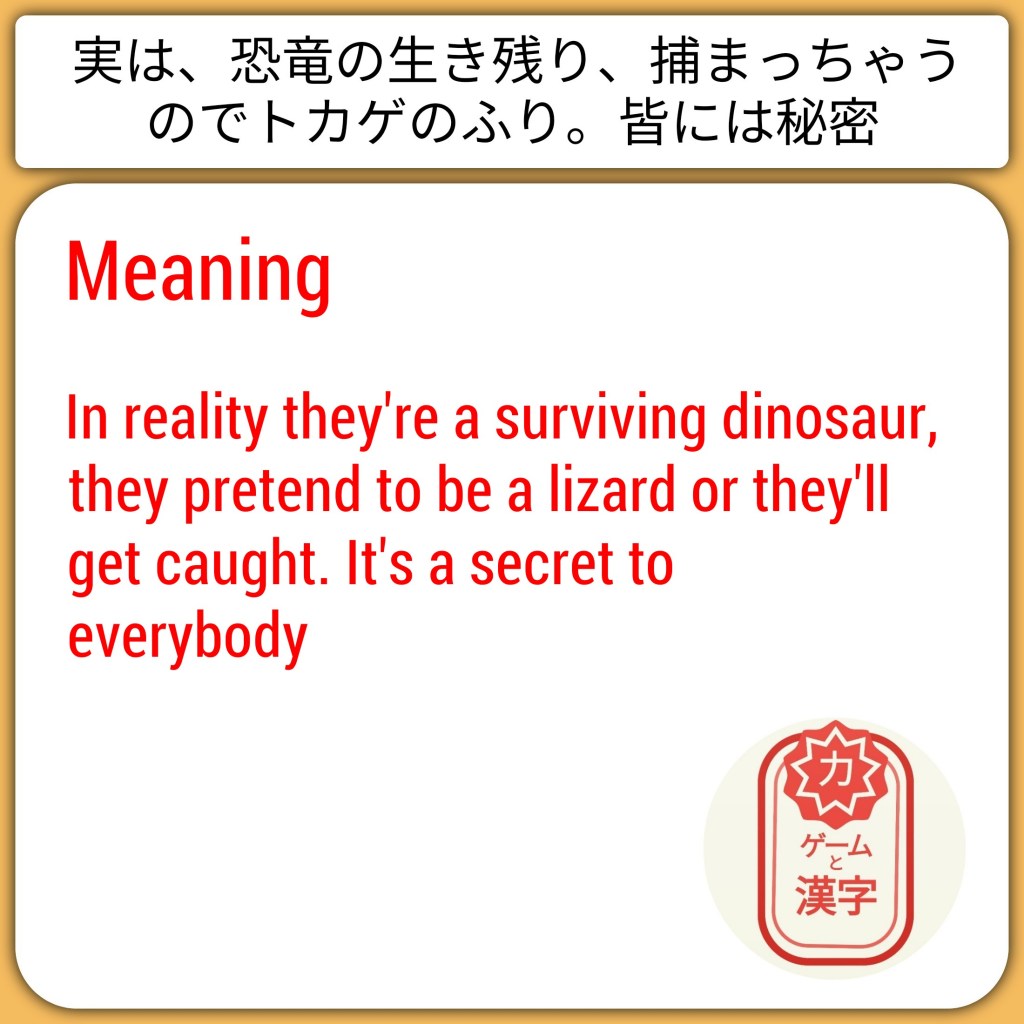
I was surprised by the aspects of this game that were usability throughout my play through. For a farming simulator such as this you’d expect the bulk of the output would come from a variety of crops or day to day activities around your vast farmland, when in actuality this is probably the smallest aspect to read through. The crops and products you have at your disposal are varied to a certain degree, ranging from natural produce, like eggs and wheat, to recipes, such as matcha milkshakes and elaborate coffees but you’ll find this is not necessarily the most useful vocabulary. The language you find here is either words you’re likely to already know or infrequently used items. This isn’t necessarily a bad thing but when it comes to value over time this isn’t what I would have hoped for. Also due to the arguably slow and time dependant gameplay, and the low number of items to digest, you’ll be seeing these words hundreds of times per session. This unfortunately makes it easy for your most abundant resource to become like white noise and you’ll rarely be motivated to stop and read this.
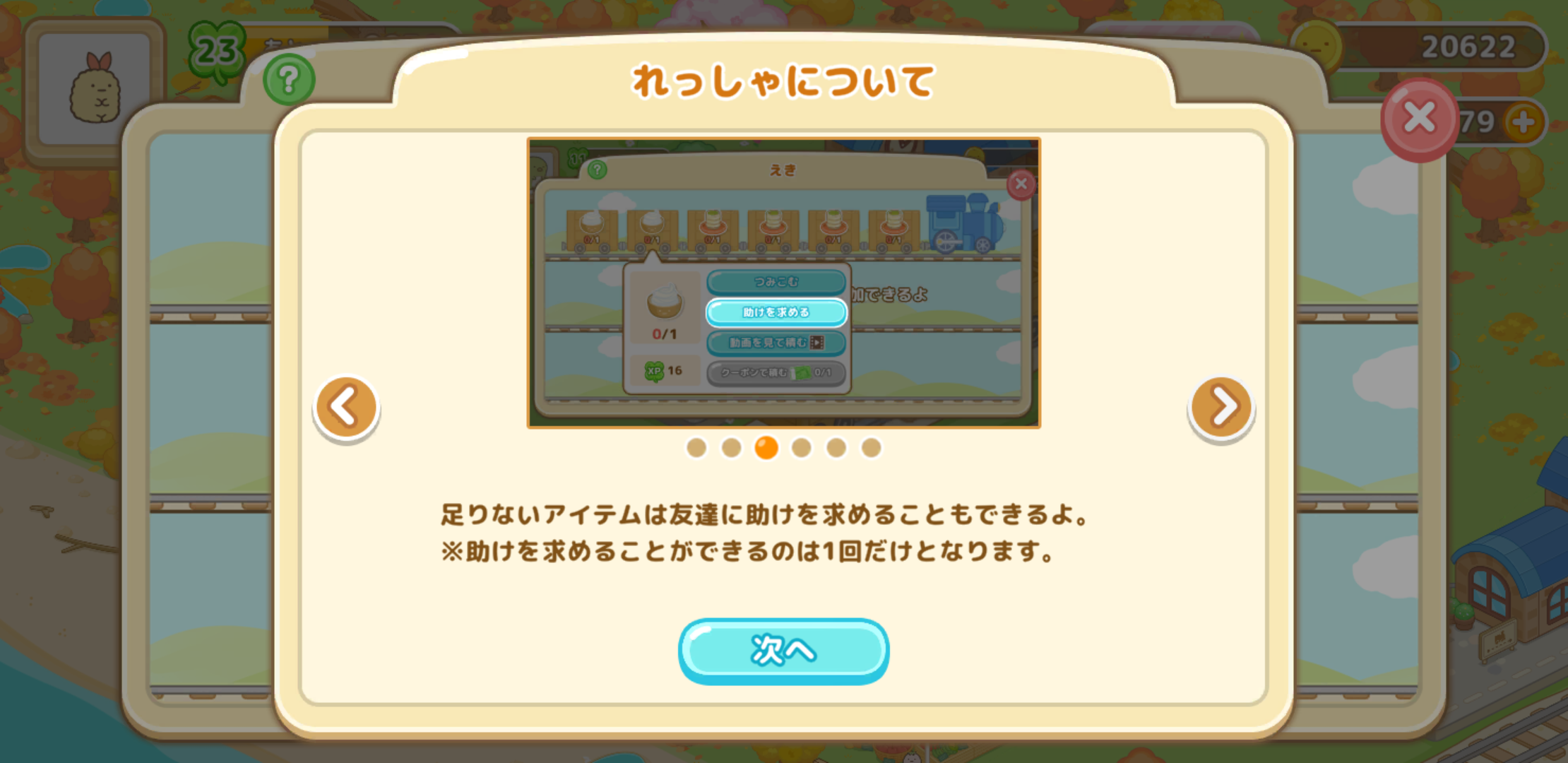
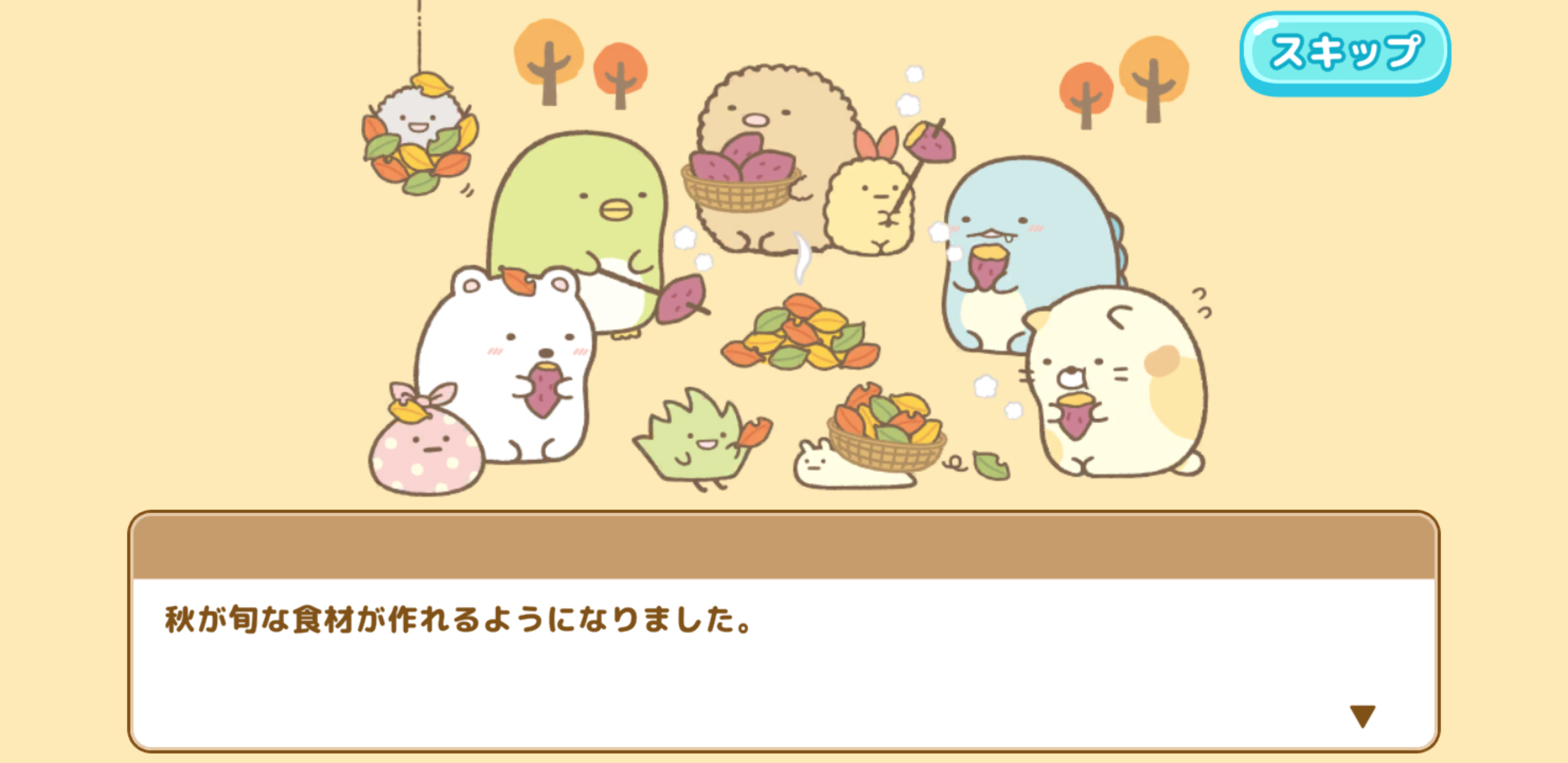
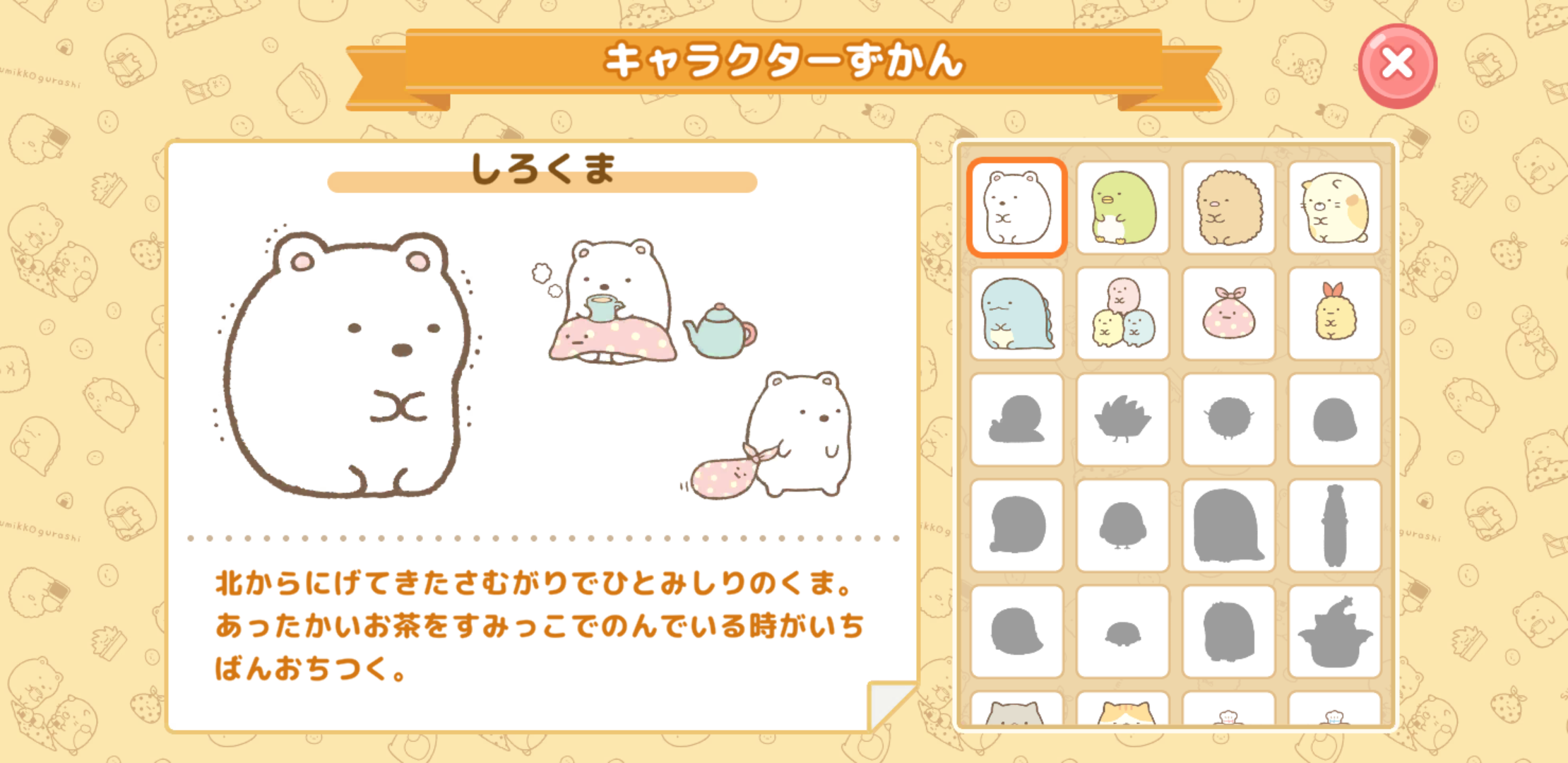
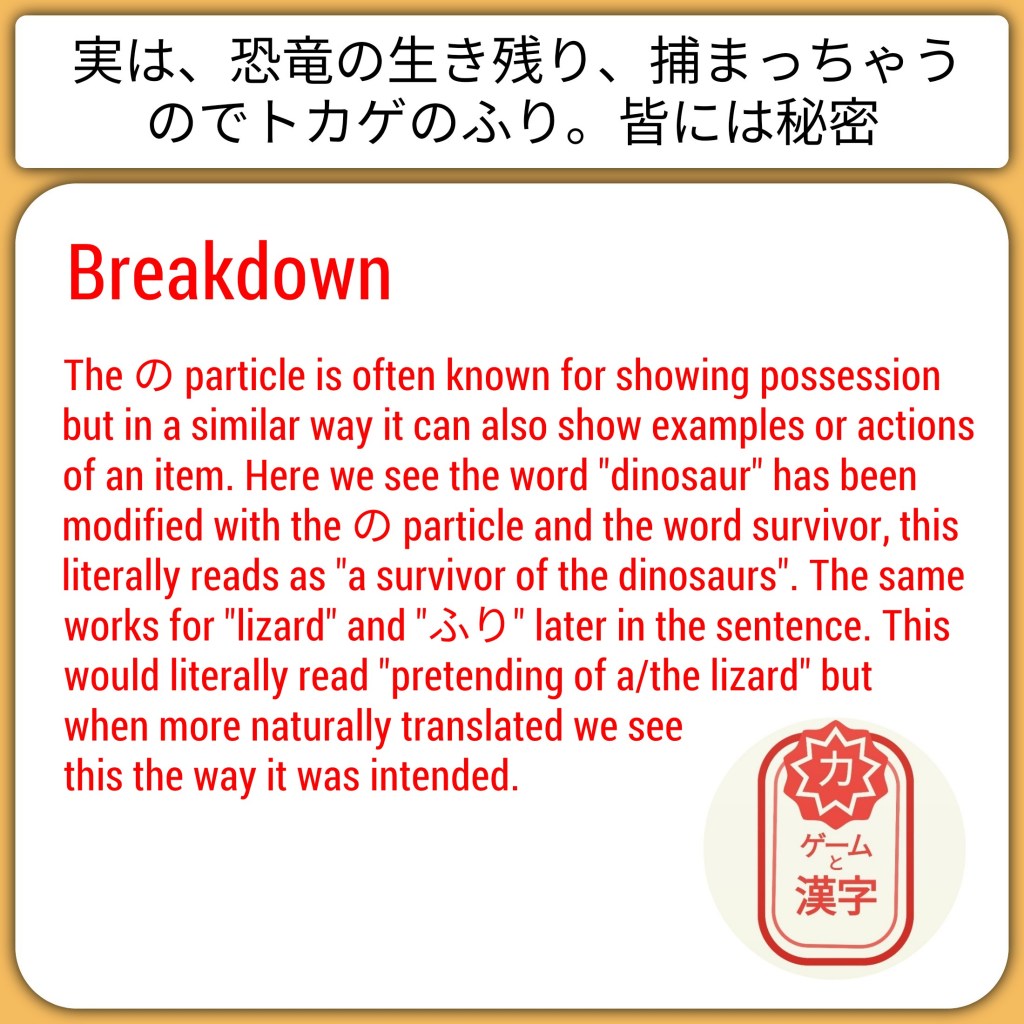
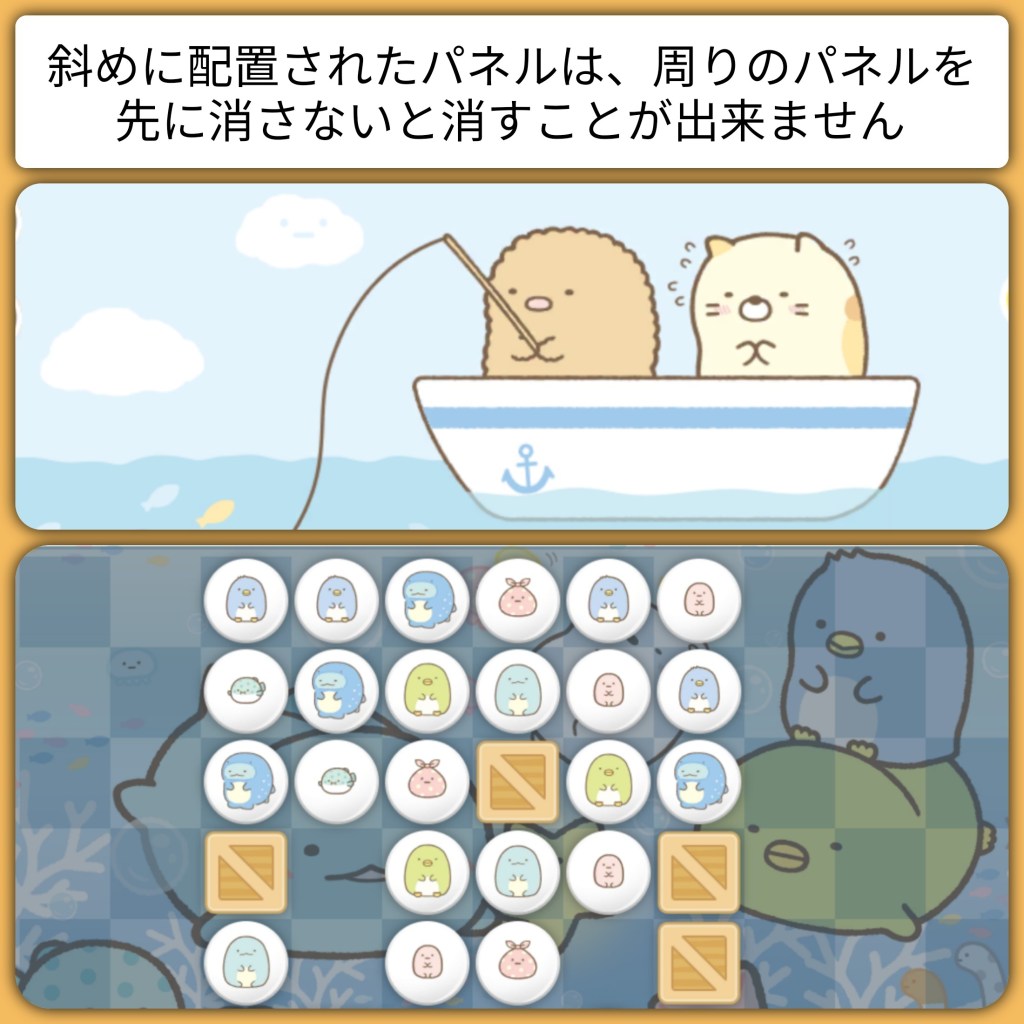
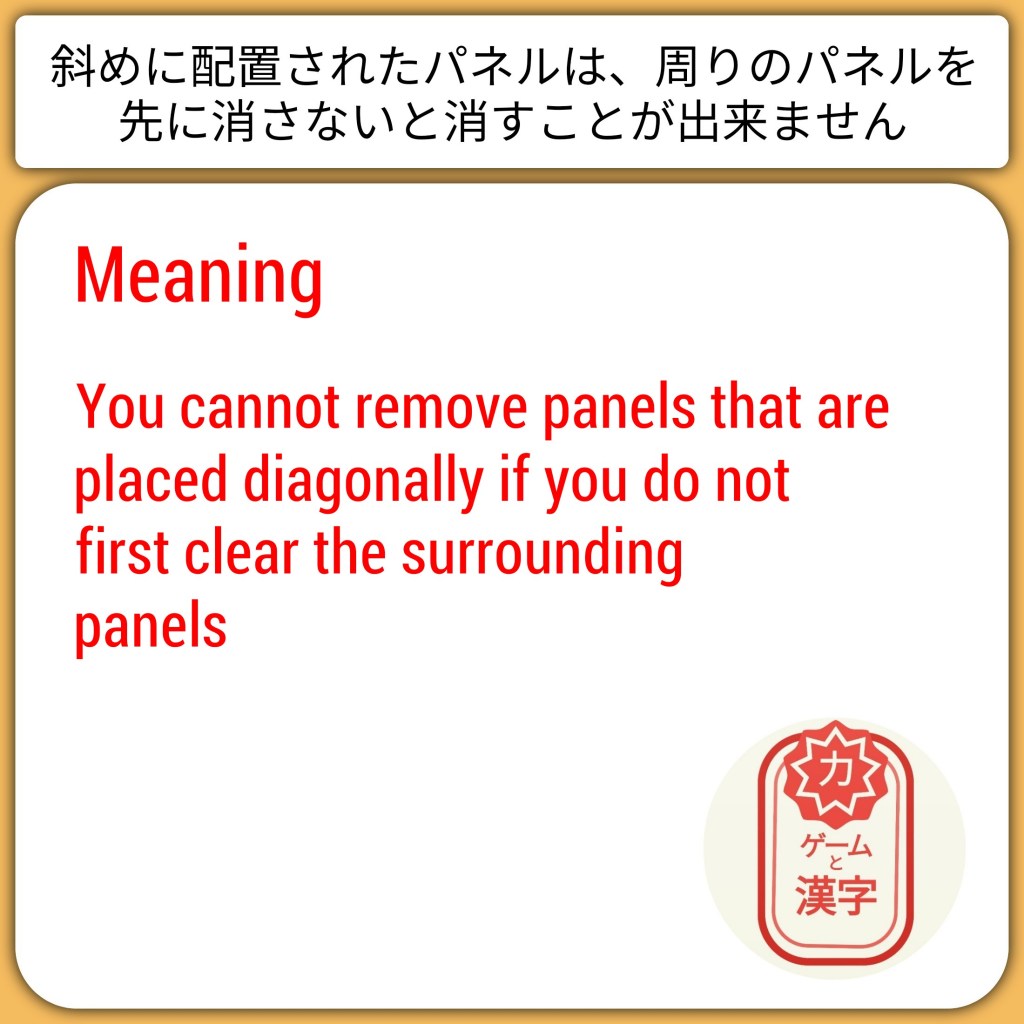
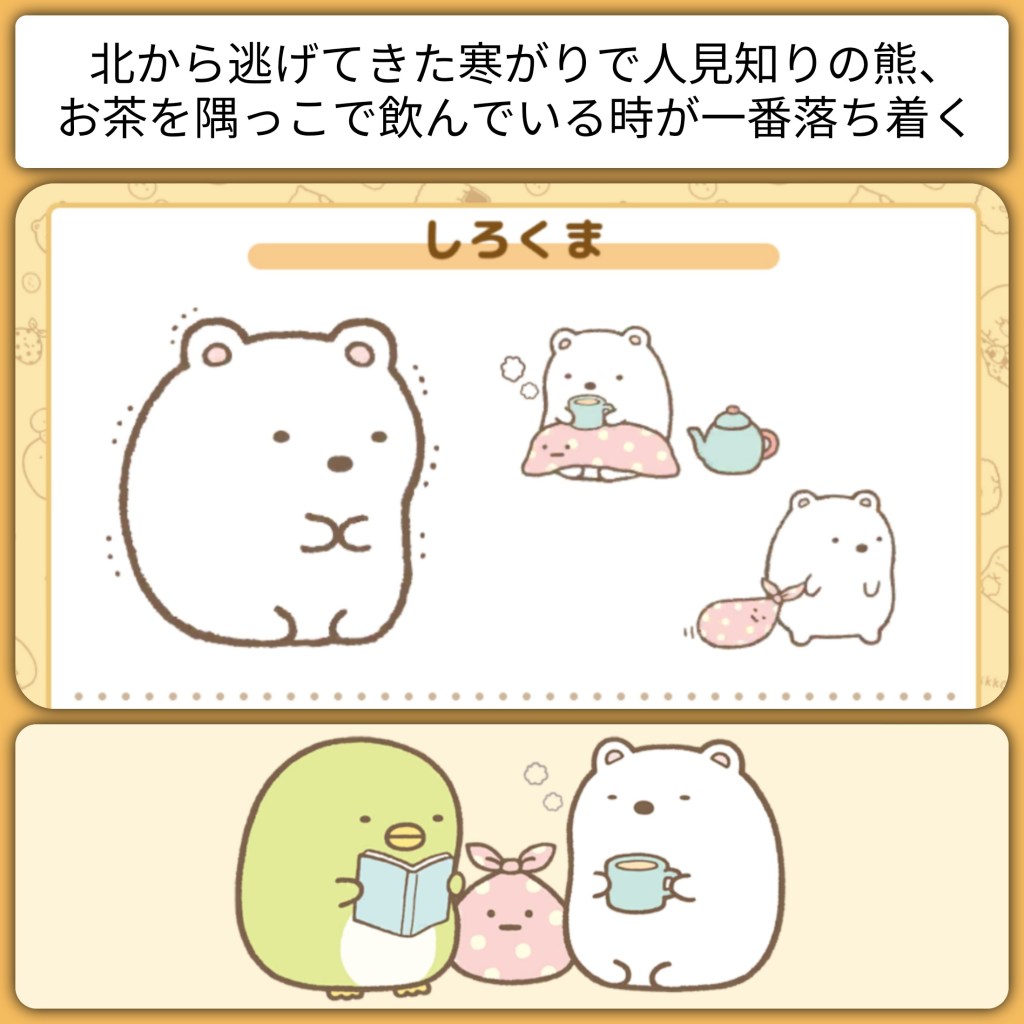
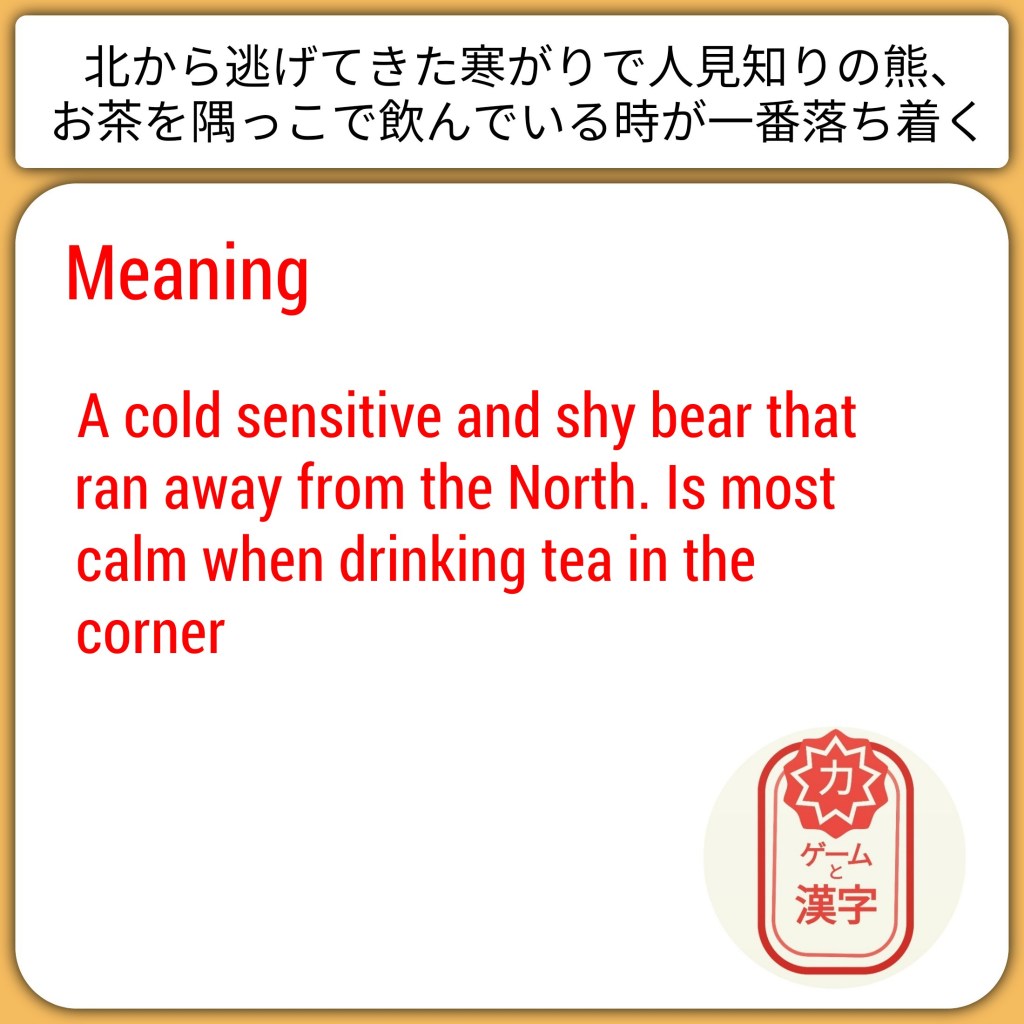
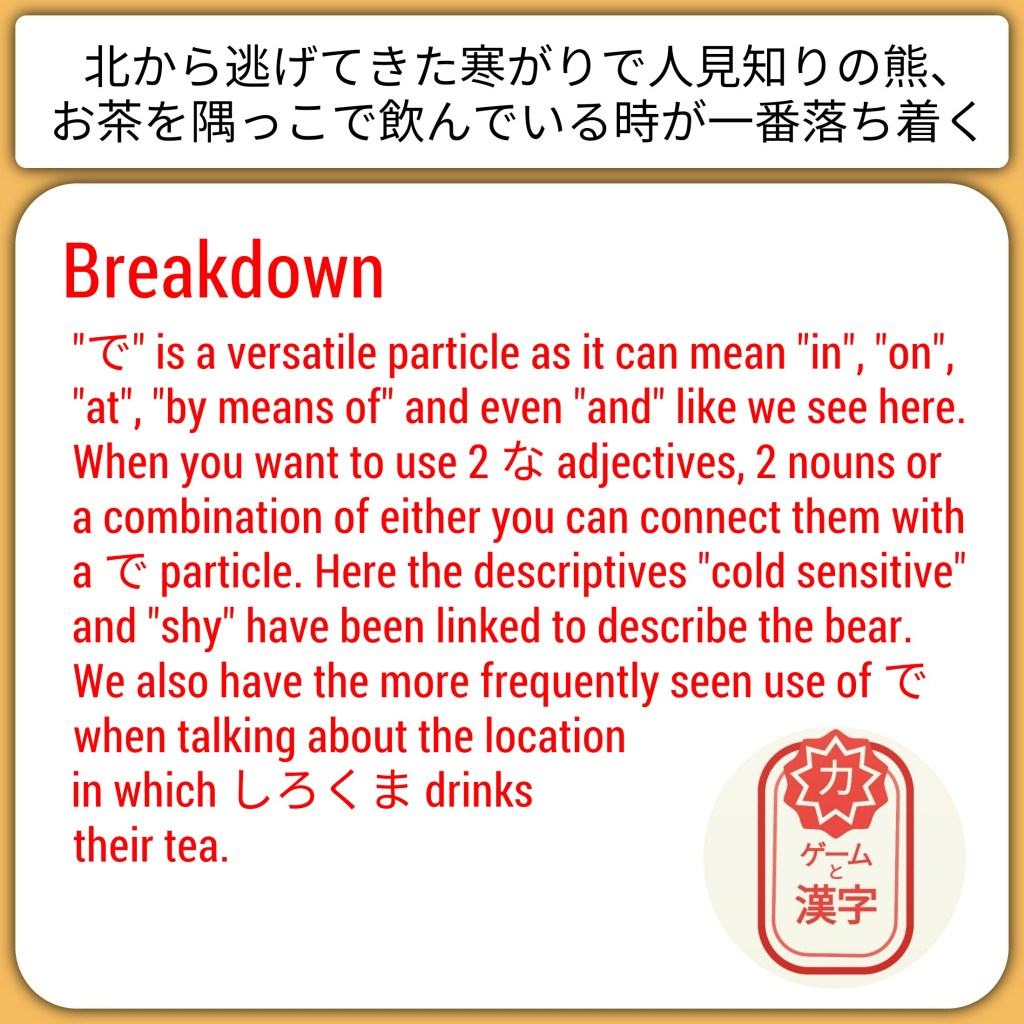
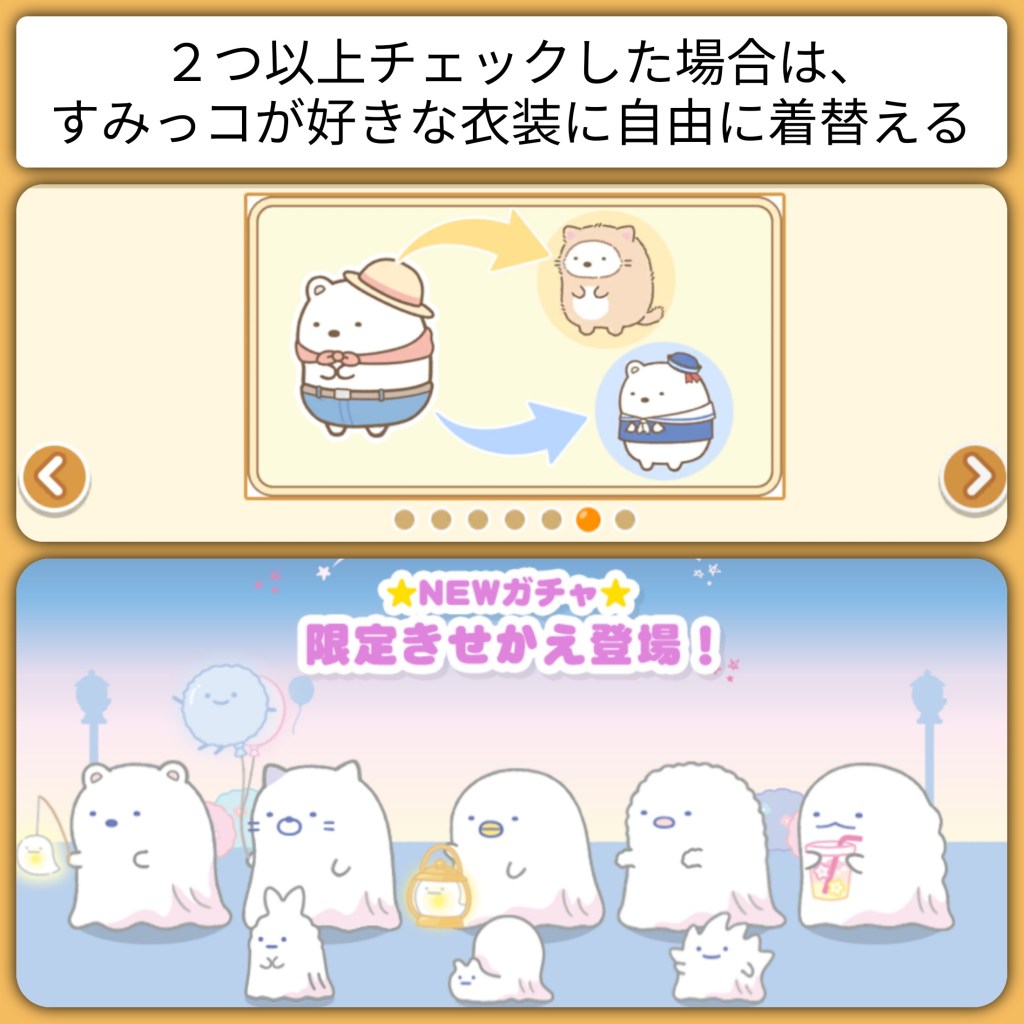
Aside from the monotony of the base gameplay you will also interact with a variety of the Sumikko crew at regular intervals. Whenever there is a seasonal event on or you level up you will be treated to a brief cutscene with “push to progress textboxes”. The sentences here are typically very simple but come with visual aides if needed and add a little spice to your reasons for playing. You will also find that the activities around the farm, while sparce, are enjoyable and beneficial for your play through. They come with more interesting and potentially more unknown verbs that could benefit you. The variety isn’t huge but the unique nature of each activity makes the wording more memorable and distinct, and to top it off the majority of them come with a few panels of tutorial pages for you to further bolster your understanding and vocabulary. The array of menus come with the expected selection of “settings”, “licenses” and “language settings” but you can also find less common additions too, like a character catalogue akin to the Pokédex, albeit for a much smaller roster of characters. This provides a brief backstory and comical breakdown of the personality of each Nook Farm resident, including a few comic-esque images, adding flavour and a more colloquial dialogue for you.
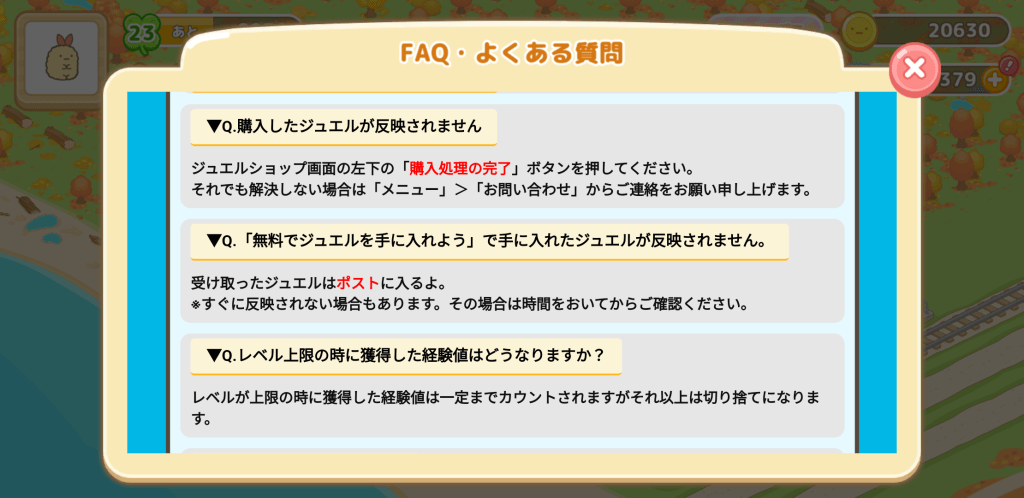
One surprisingly good aspect that you don’t often find in mobile games was a fully inclusive FAQ guide. This shows a long list of questions relaying how to use each and every aspect of the game in succinct terms. Although the questions in your native language wouldn’t be of much use I feel that for language learning this is the most beneficial aspect of the game. It uses longer, more organised sentences that are easier for a learner to follow and allows you to practice the “question and response” outline that you find often in day to day conversation. I found myself frequently using this menu in order to read more around each aspect of the game and found that the terminology was more structured as opposed to the more colloquial language found in the character pages and cutscenes. It was also a useful way to kill time between crop harvests, which was a particularly favourable win.
Overall the game is a joy to play (if not for too long) but I found that very little gripped me to continue playing. For those of you out there that are more preferable to a simple and laid back farming sim, I cannot fault the gameplay, however for me it lacked the discovery of new language and didn’t offer enough in the way of a tangible goal within reach. I feel all of the beneficial language could be experience in a “toe-in-the-water” play through so the only factor that kept me playing was the (somewhat difficult) hunt for educational content. I do recommend the tutorials and the FAQ’s so, by all means, find “Gonna make a garden”, read through and enjoy those bits and see if the slow farm lifestyle is for you.
Challenges and Methods – 5/10
Got any questions?
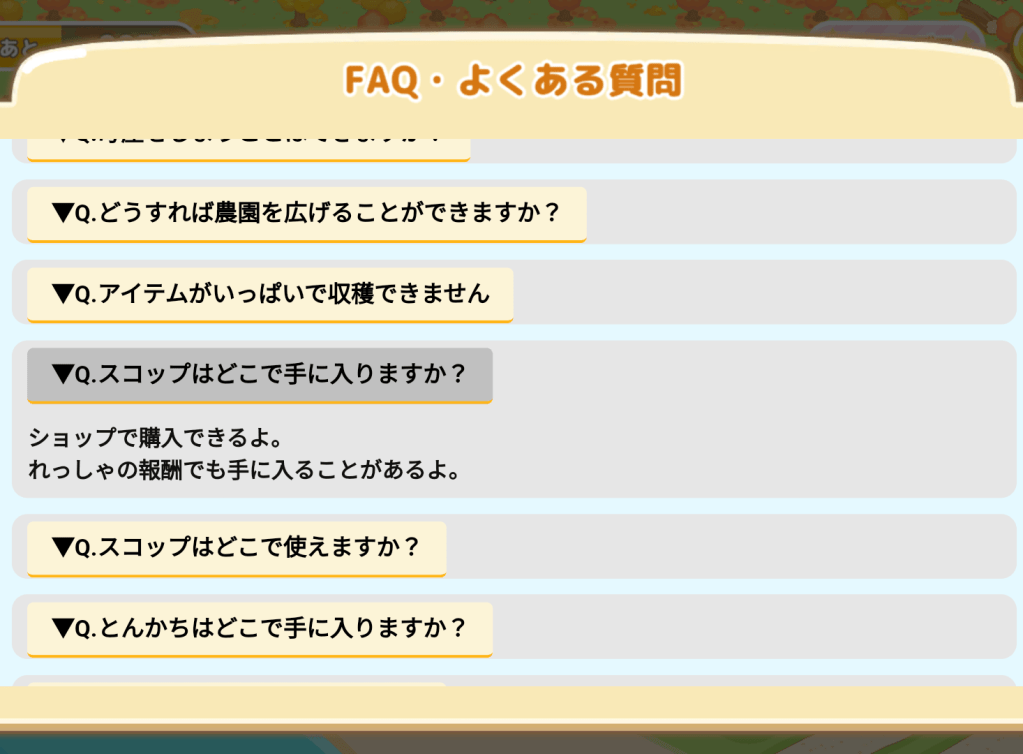
As previously stated the FAQ’s here were a surprising and pleasant addition to the game. The list is substantial but not impossible to learn in a short space of time. You will even find a reasonable amount of repeated terms within certain questions. See if you can memorise all of the vocabulary for this section and, even better, see if you can read through from top to bottom understanding all of the words and knowing all of the readings for the kanji.
Sumikko Crew
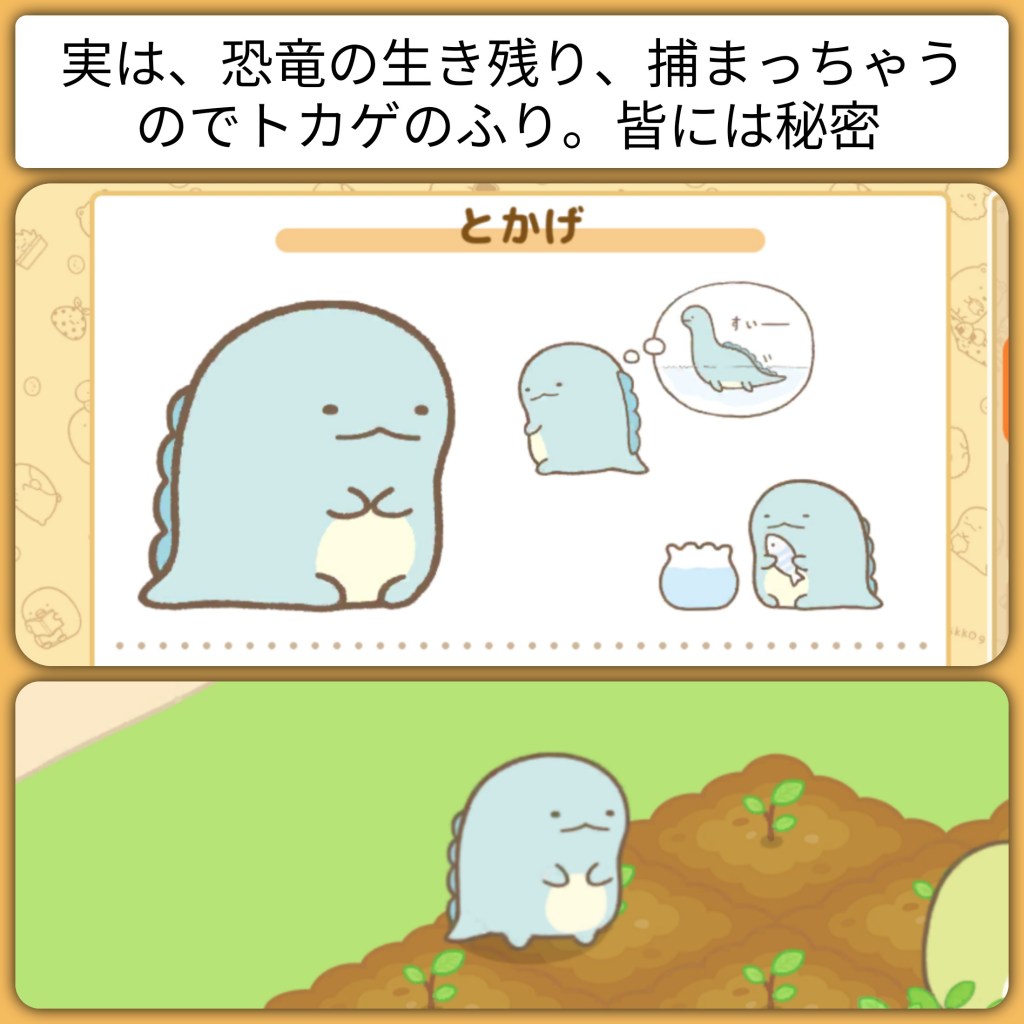
The most notable overall aspect of the game is the characters it was named after. Each animal/food item/object comes with their own personality, back story and mannerisms so it is especially inviting to unlock them all and read through their descriptions. Prewarning, it will take you a lot of farming to fill up the catalogue but take it upon yourself to learn each entry as you unlock them and, if you can, write them out (from memory or while checking) in order to build your vocabulary.
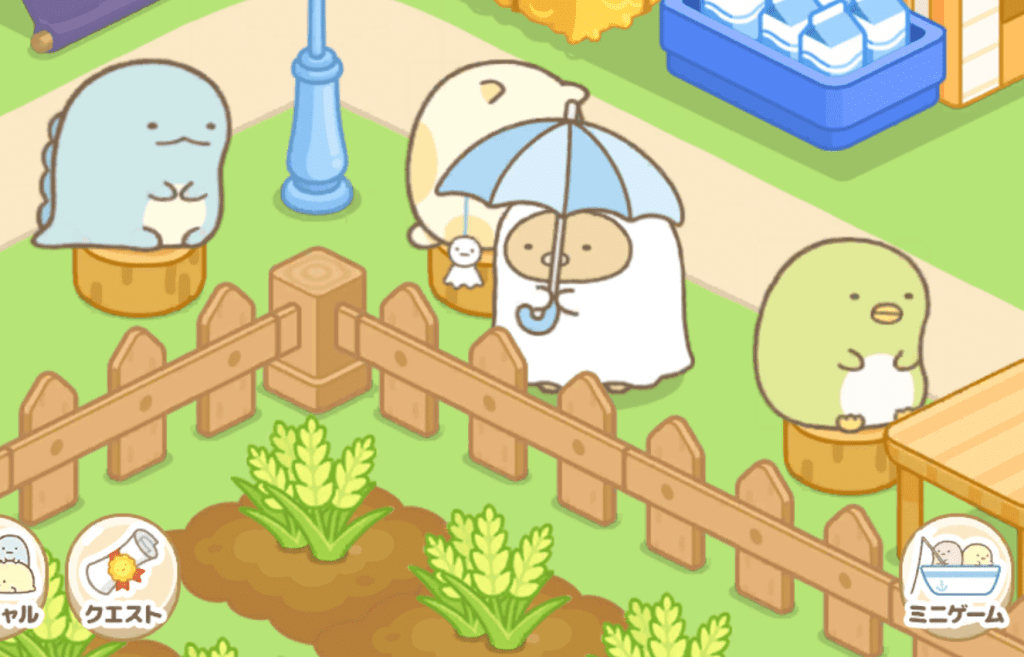
Previous posts



 Games & Kanji