Moonlighter is an prime example of mastering what is, on the surface, a simple concept. The task of dungeon crawling and selling your plunder is made to feel much more personal when you have your very own establishment to manage and develop, and these feelings are stronger still when a good-for-nothing thief tries to take your most valuable goods. Moonlighter became my “morning game” that I would pick up and play for 15 minutes before my journey to work. I found more and more I wanted to delve deeper into the mystery of the dungeons, make the strongest armour and decorate my shop with medals of my victories. Needless to say I completed the game, which I would have done anyway, but the addition of Japanese language was just icing on the cake.
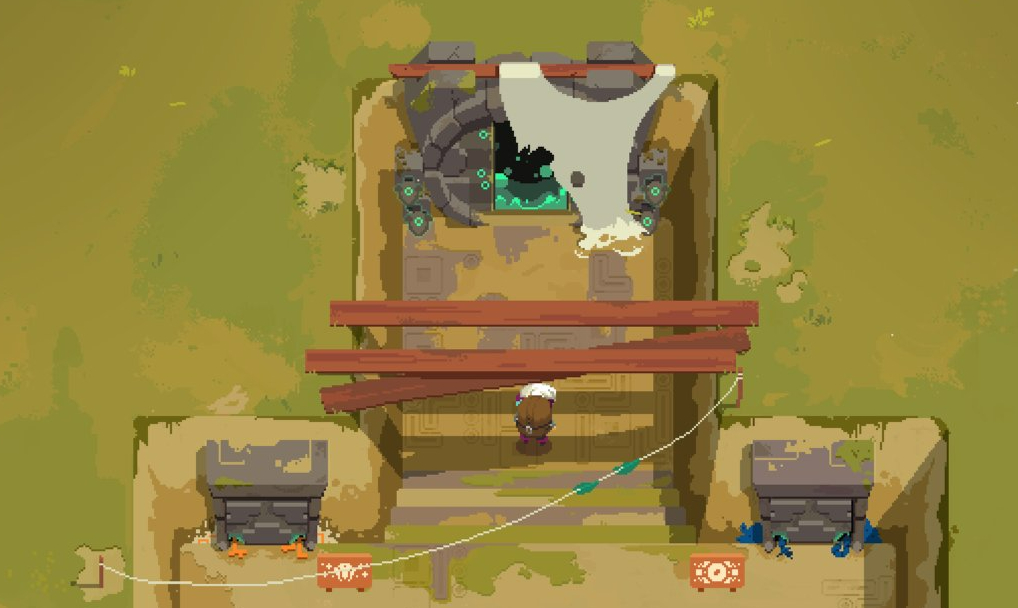
Platform and Languages – 8/10
Moonlighter is available across a variety of platforms. For anywhere between £12-25 (depending on sales and console) you can play Moonlighter on PS4 and 5, Xbox One and S, Nintendo Switch, Steam and even mobile on Apple devices. If you are a particular fan of the game there is also a DLC available for roughly £7.
There are 12 language options to choose from including Japanese, Chinese and Korean. Changing the language is quick and simple can can be set from the main menu or the pause menu. There’s not even a loading screen and you can switch back and forth between languages even while in the dungeons themselves. That’s such a rarity I had to give it an extra point!
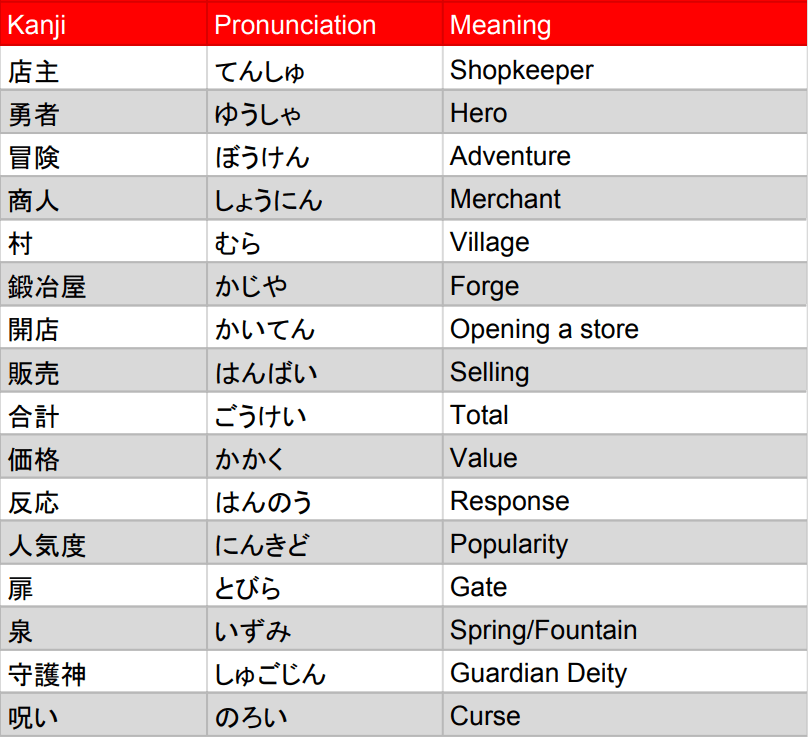
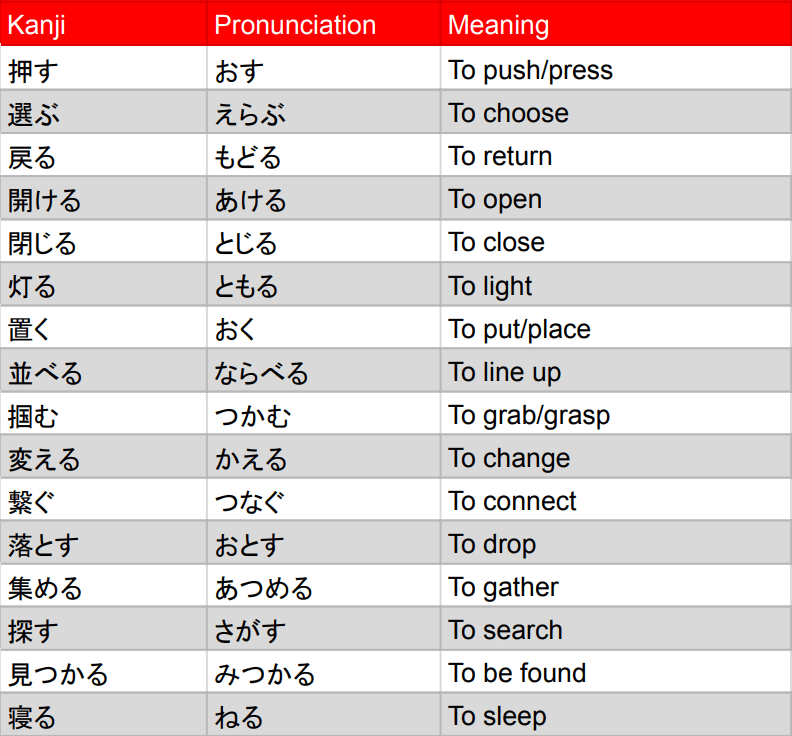
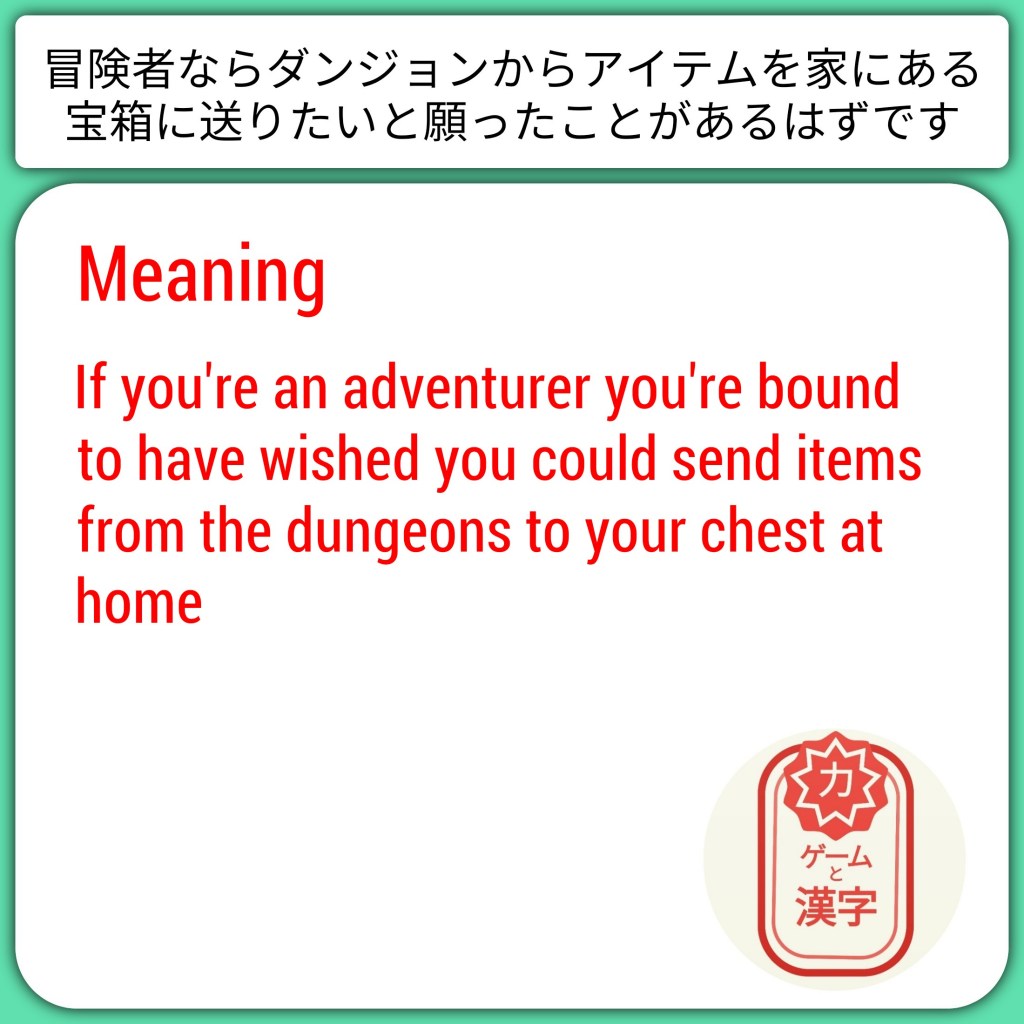
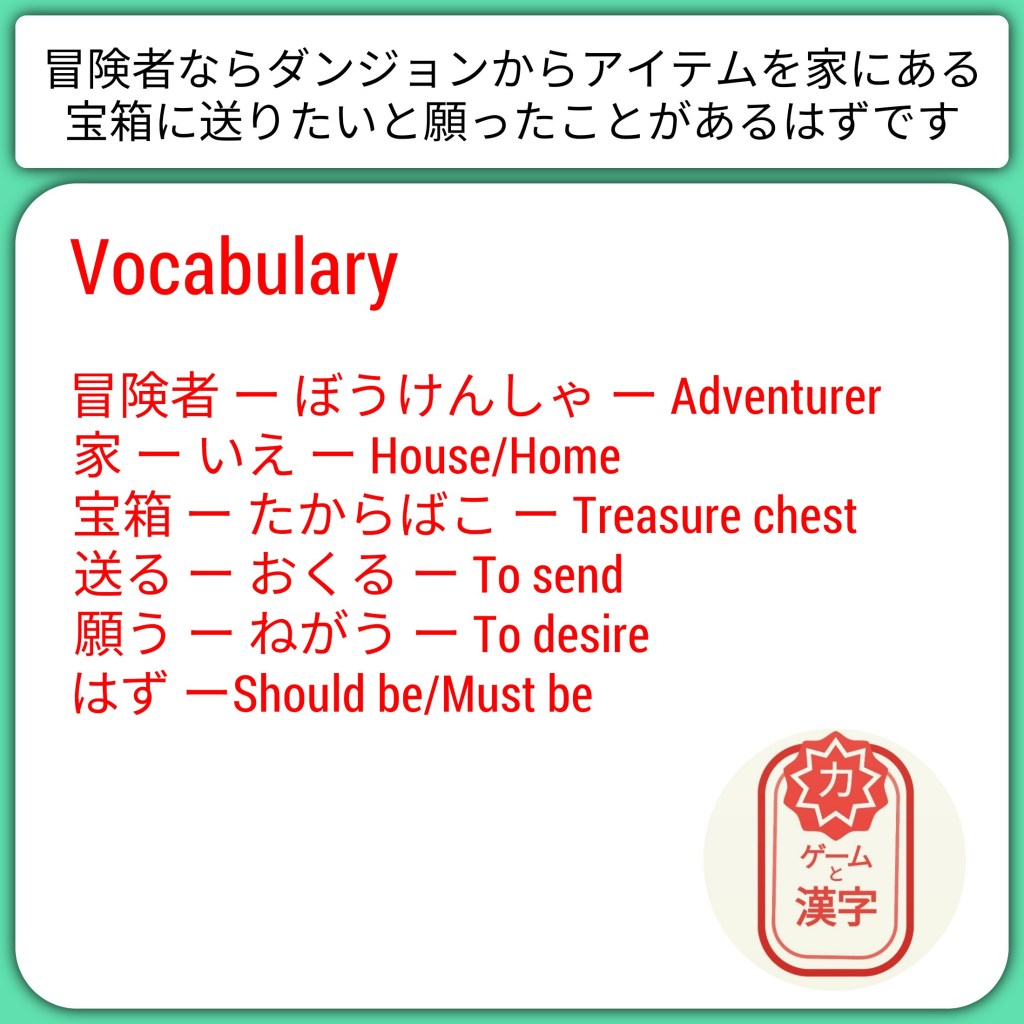
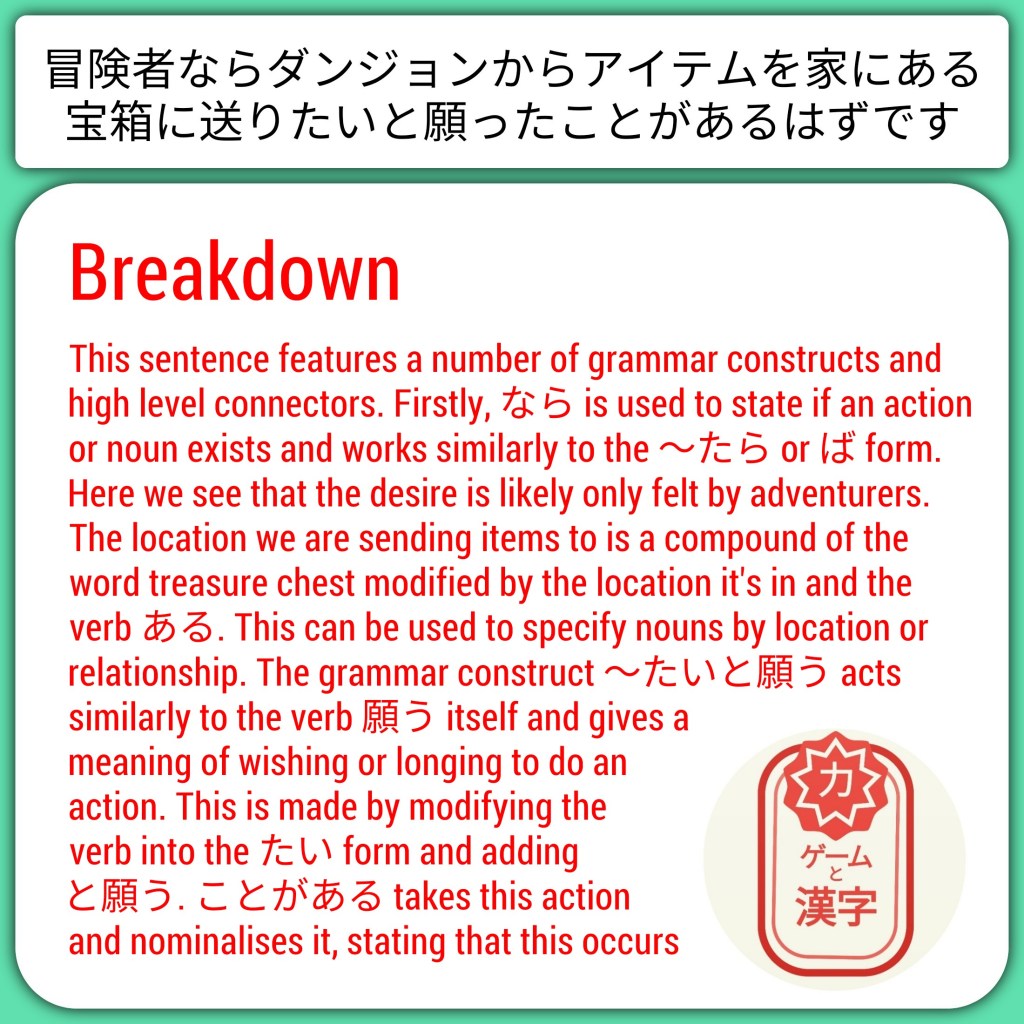
Glossary

Usability – 8/10
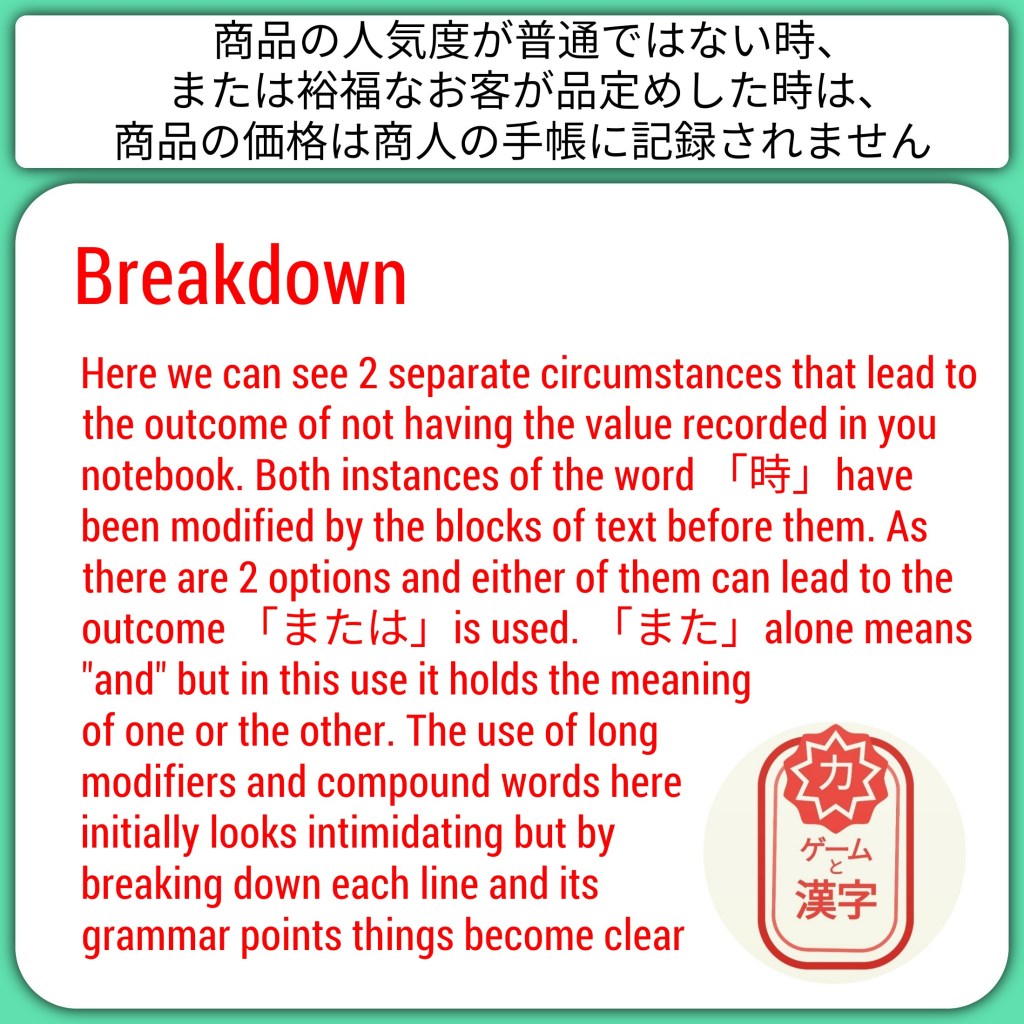
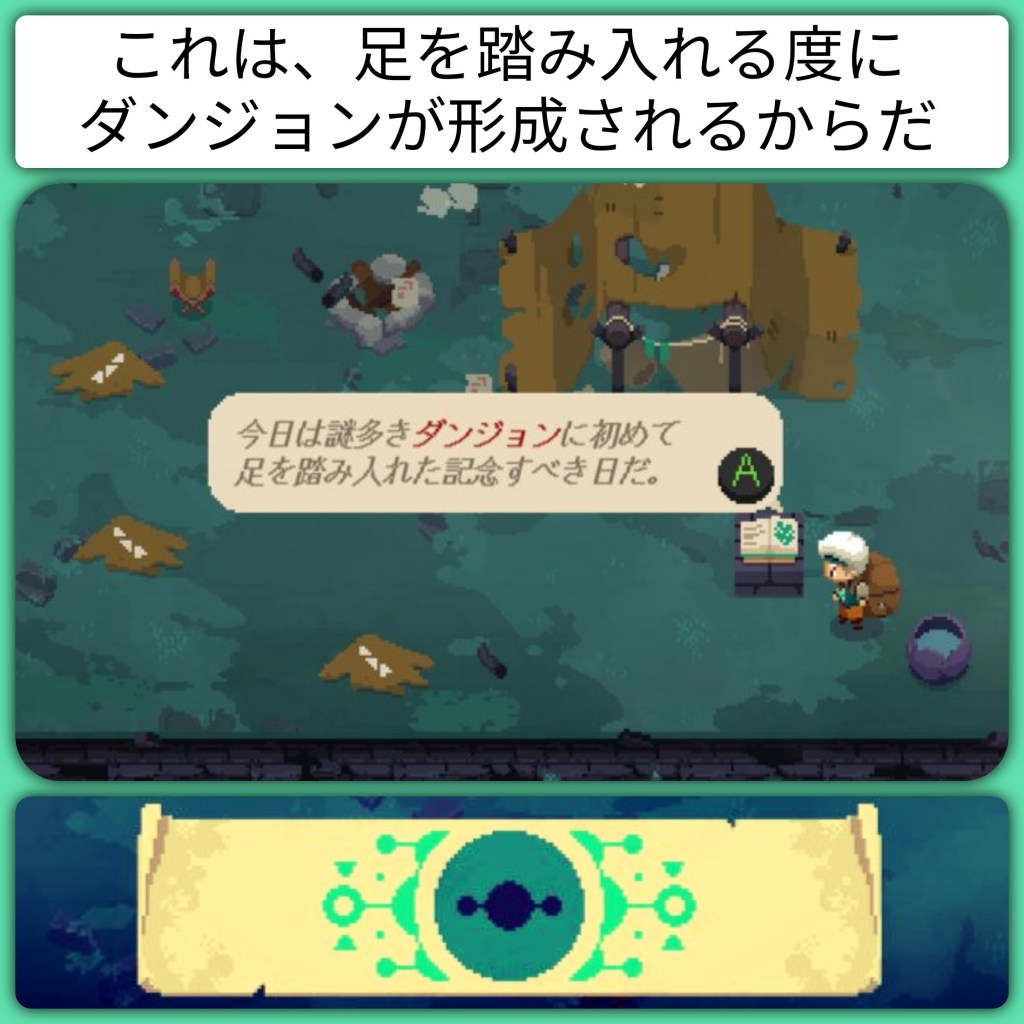
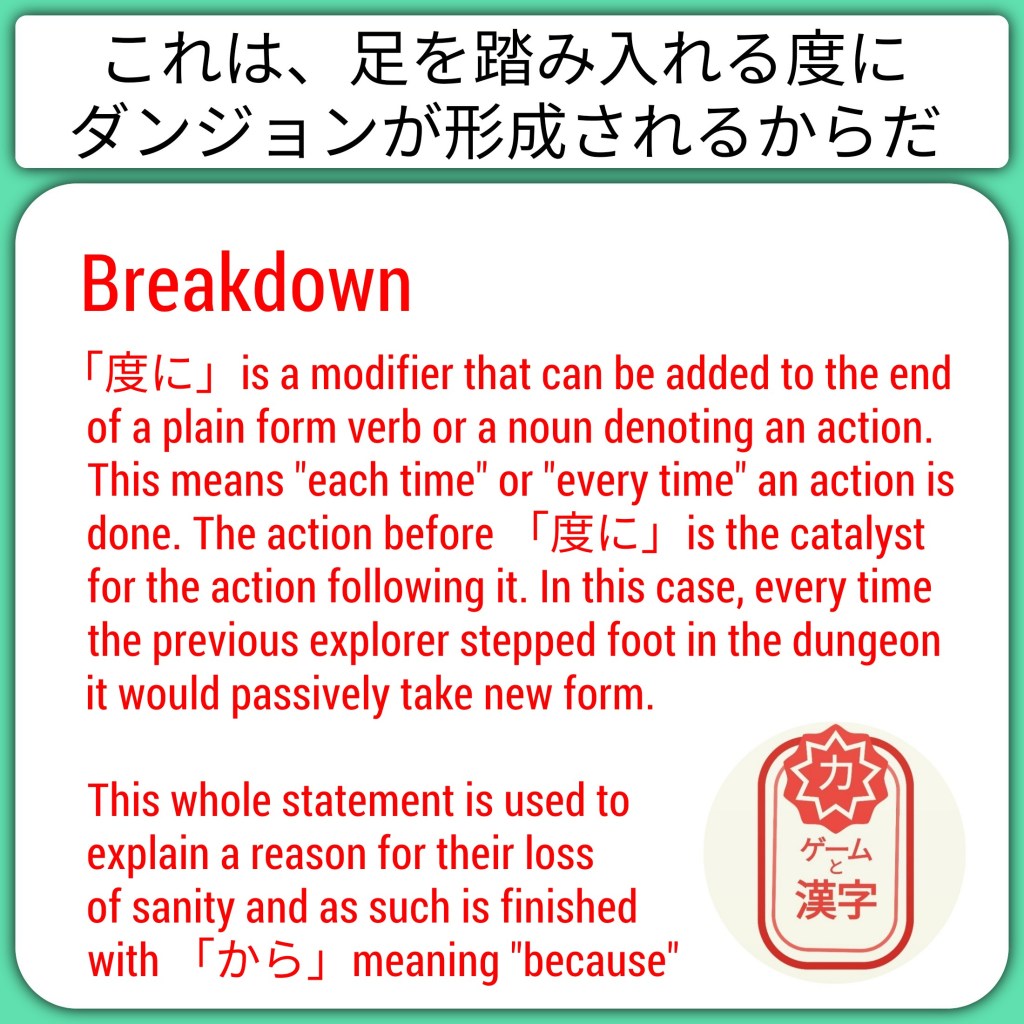
Moonlighter is one of those games that balances it’s use of gameplay and language incredibly well. From the very start you’ll notice that the story and narrative play an important role throughout. At major checkpoints in the story Zenon and various other villagers will assist you in your journey. Although there is not spoken dialogue in the game the textboxes used are eye catching and brief. They also won’t progress until you push a button meaning you can keep them on screen as long as you need to look up words or grammar. The language used is not overly complex and there is a reasonable amount of kanji to pick through and unravel but not too much. As you may notice, the text is written in a pixel font which can make reading certain unfamiliar kanji difficult. This does however come with the advantage that you won’t be seeing any monstrously difficult kanji characters, which I think we can all be grateful for.
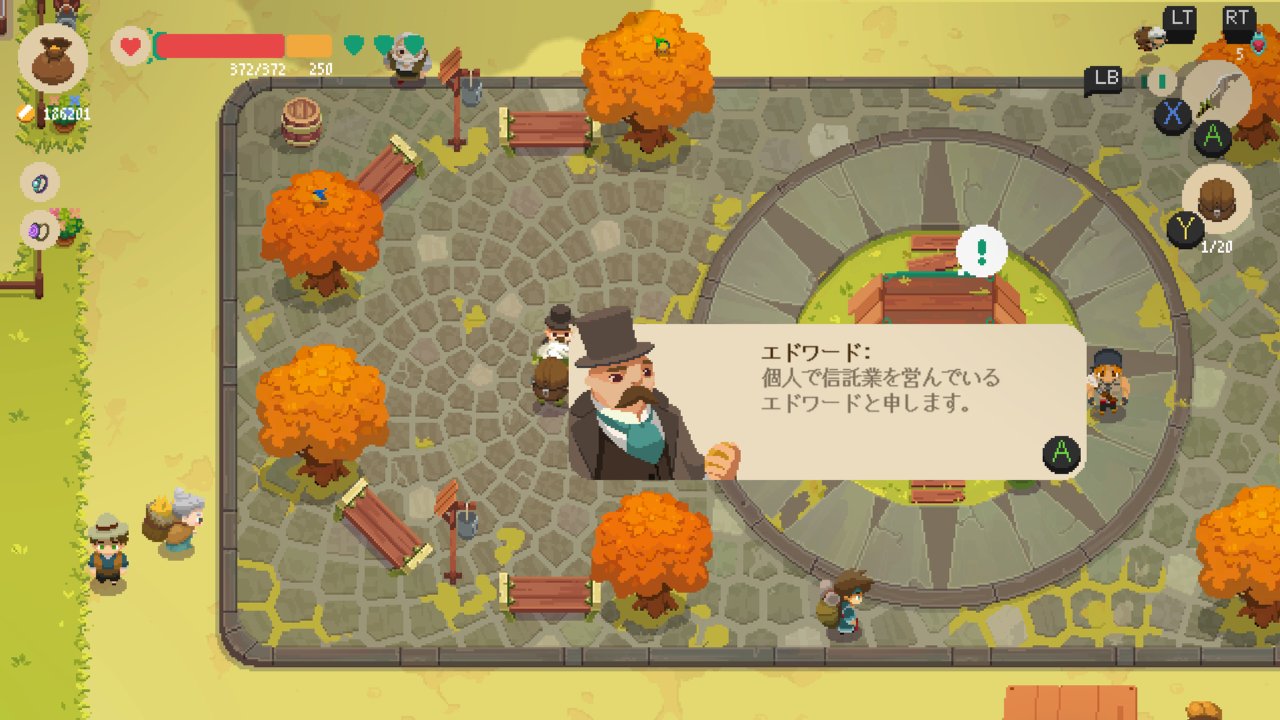

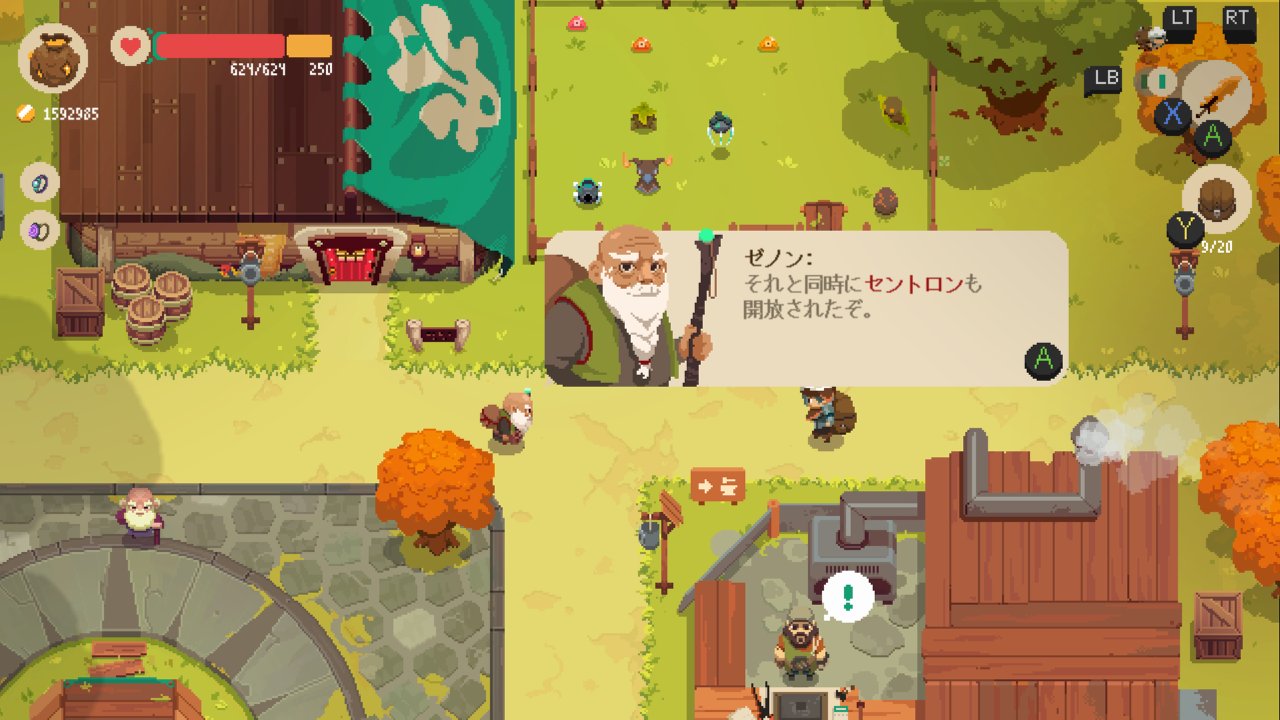
At any point while in town you can speak to an assortment of townsfolk. The vast majority will be random NPCs and share a pool of dialogue, which is a little disappointing, but the important ones are named or conveniently perched behind their stalls. You’ll find that at certain intervals the dialogue for all characters in the village will change. This is tied to your story progression so if you want to maintain and practice their current round of phrases you can. Their conversations also come in triplicate, meaning you can cycle through and even read the same group of phrases multiple times if you want to focus on a particularly helpful or tricky word that you want to practice. While the over-arching speech of the residents is almost always about adventuring or the history of the dungeons the vendors will have more selective language relating to their craft. All in all by speaking with everyone on a regular basis you can strengthen your reading ability in a large number of topics.
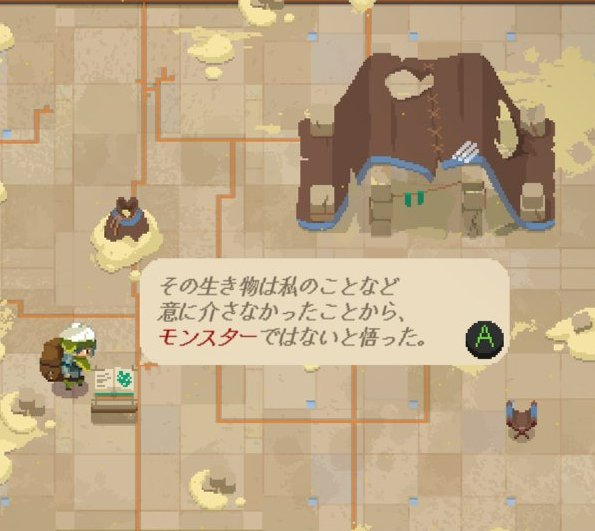
Once you’ve exhausted the dialogue in the town the next logical step is to head into the dungeons. While you’re in here the focus will be to not die so, as you can imagine, reading is more of a rare commodity. You are treated to a selection of notes found in the base camps, springs and even on dead corpses however. These notes are more of a dense breakdown of the adventurers that had come before you, so once you’ve overcome the sense of dread you can take in more robust and difficult sentences. The effects of reading pixel kanji are felt significantly more here, not just because there is more of it but also because reading in a second language, looking up new words and struggling to pick out the unclear radicals can be a little tedious.
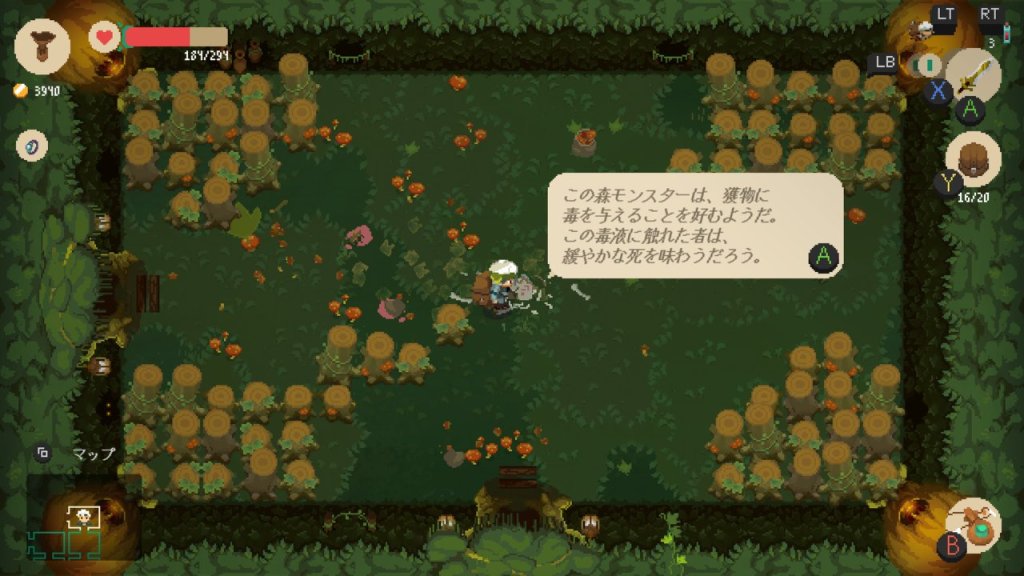
Arguable there is also more incentive to read these notes, especially if you are new to that dungeon, as they give you preparatory information about the bosses and layout of the floors you are exploring. This can be a rewarding use of your language skills and a moment of relief from the onslaught of mobs. Much like the characters on the surface, these notes do cycle between a pool of options if you visit the same floor multiple times. This is both good and bad. Good for revision and further encouragement to progress, but bad (not terrible but…) just because variety is always better. One thing that feels important to mention is that the length of a day is dependant on the total duration of an activity, so you are not timed per se, but while in the dungeon if you wait for too long or try to read a lot of things you may get visited by the wanderer. I had plenty of time’s where time passed me by and I spent the rest of the floor in hot pursuit.
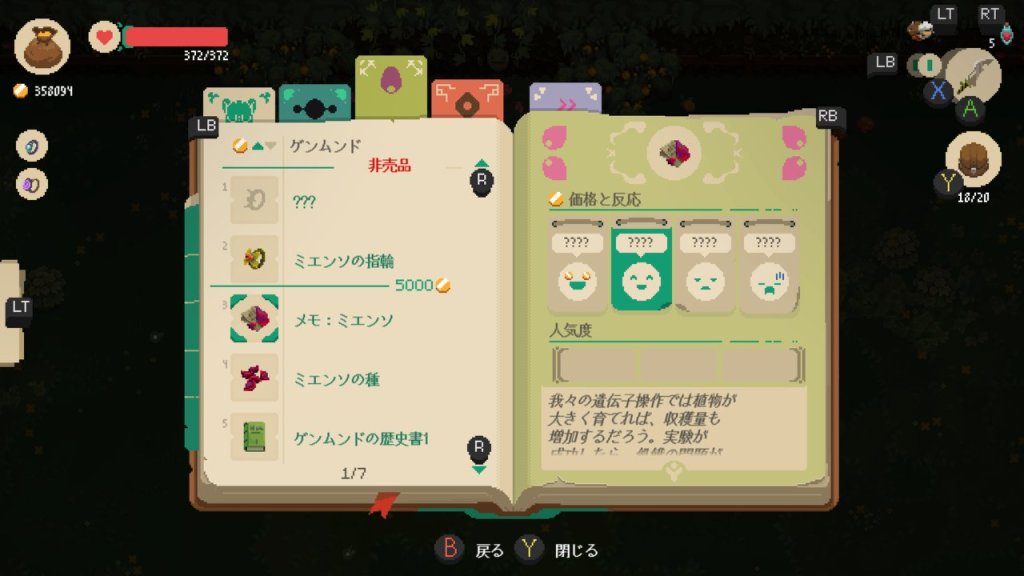
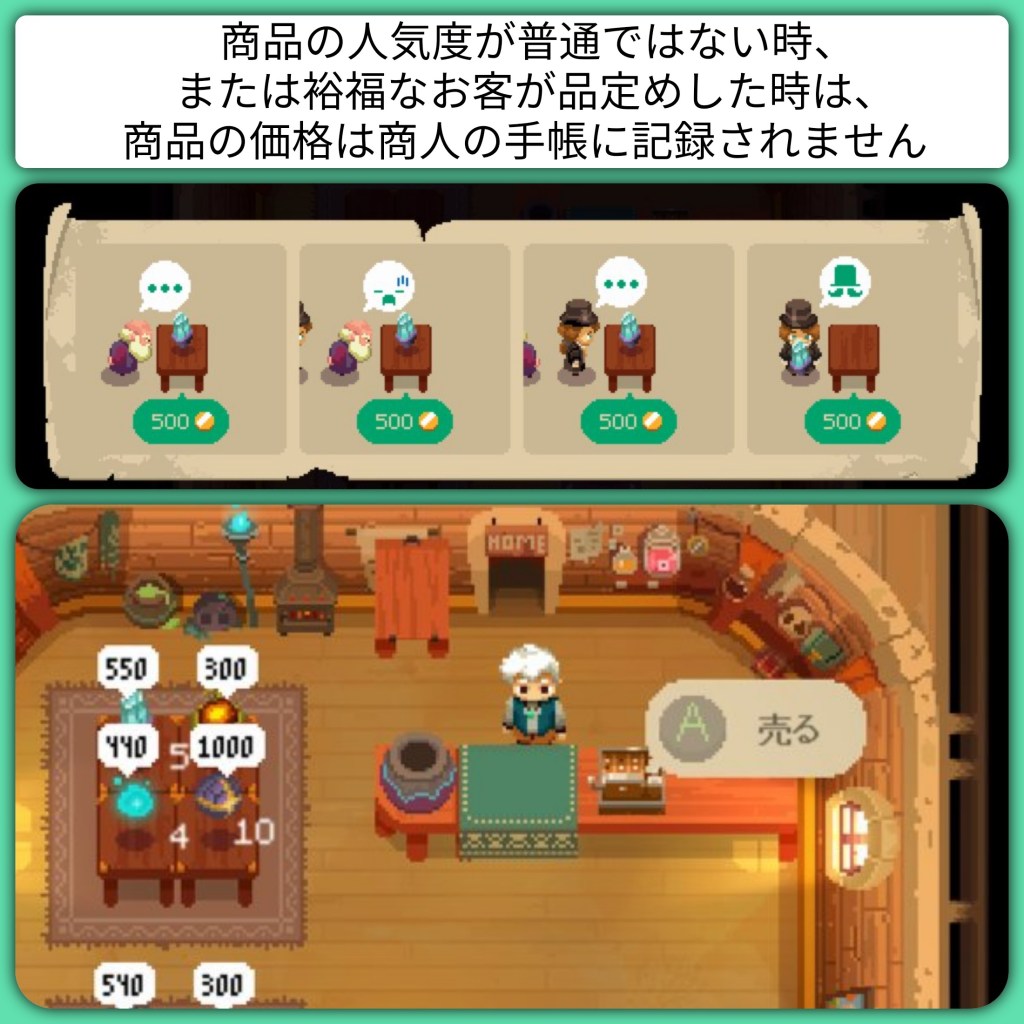
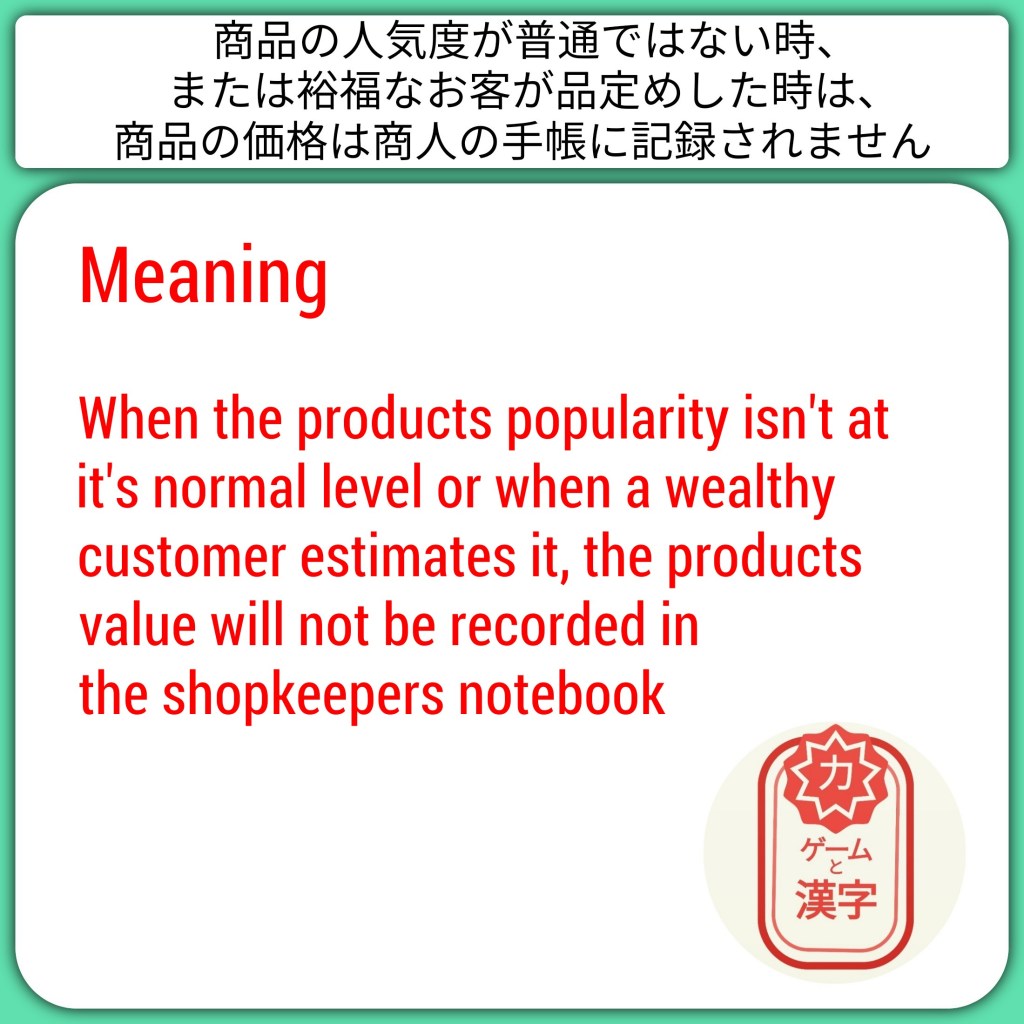
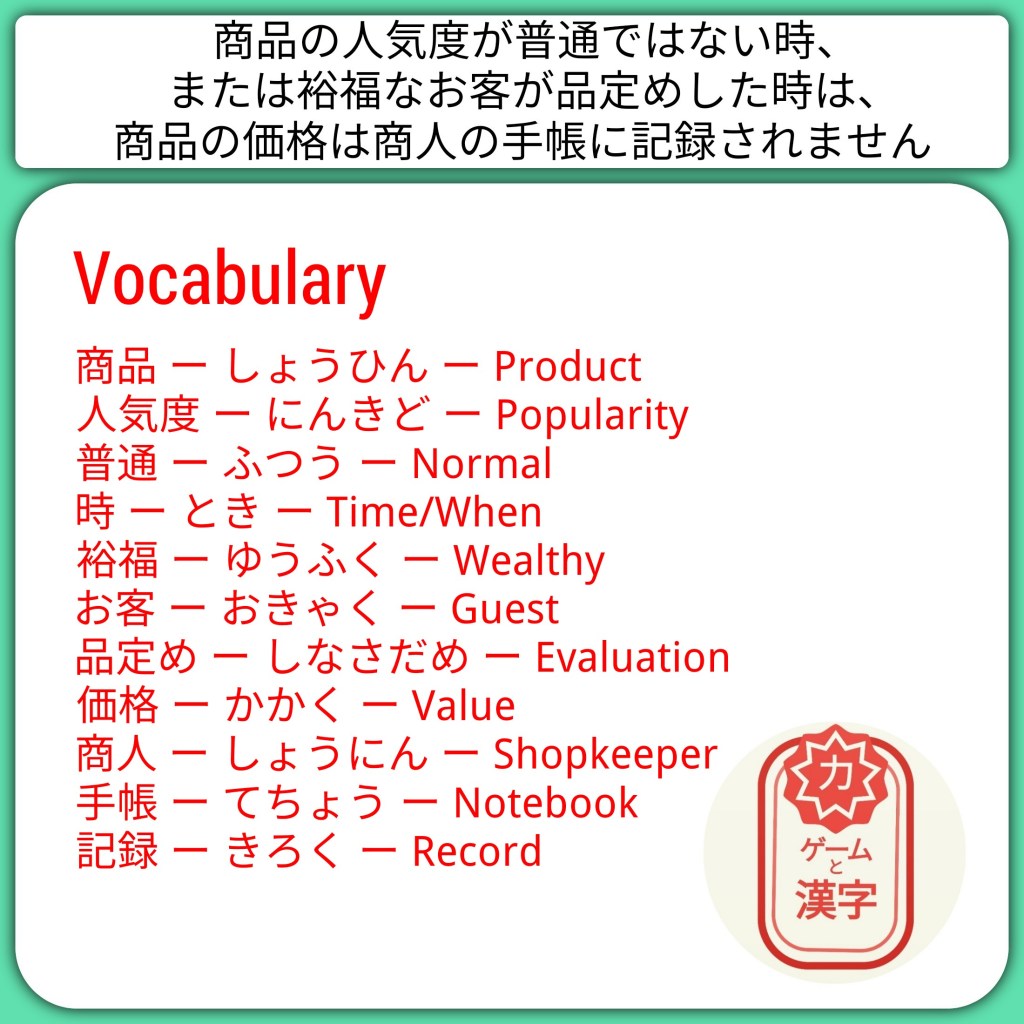
All of the above aspects, even with their flaws are fantastic, but I’ve saved the best bit for last. Each and every bit of grass, rock or monster that you can find from your escapades will be logged in your merchant’s journal. This is a bible of the selling price, popularity, location and the all important description of each and every item in the game. This sole feature was my biggest motivation for completing the game and pushing on through each area. All I wanted to do was fill the notebook, which is surprisingly feasible, so I would have a full roster of items descriptions to read. The listings for each item help you to understand the texture, shape, usage and reason behind all of the resources which is brilliant for building your descriptive language. The beautiful thing is that the menus from the previously mentioned vendors and throughout the rest of you bar menu almost rival the utility of this one aspect of the notebook meaning you’ll be hard pushed to run out of things to read.
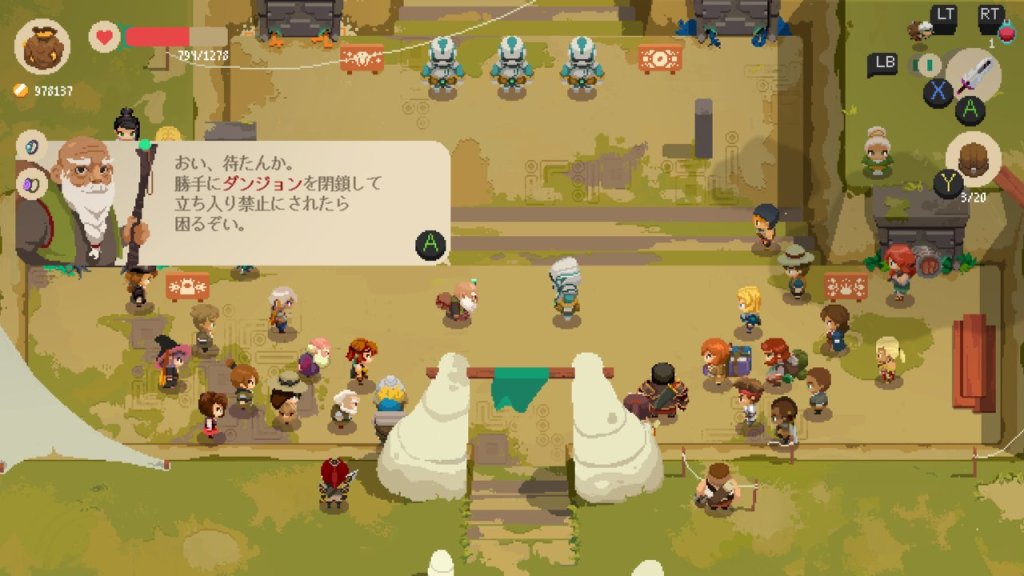
All in all, there is very little to sway me from making this a top recommendation for anyone out there who loves rogue-likes, cute indie titles or even sims to a certain degree. Moonlighter covers a lot of bases and does it in a truly in-depth fashion. I think the most important difference for Moonlighter compared to similar games is that you are spoilt for choice in reading material but it is easier for an average player to “unlock” all of the content, the content is easier to digest and the variety is huge. I haven’t seen such a pleasant selection and usability in items since wizards of legend and even then Moonlighter can be completed in a shorter space of time and is has a ton more character. There are more features that I haven’t mentioned here that, although small, add even more to the overall play experience so I guarantee you won’t be disappointed.
Challenges and Methods – 8/10
What are you buying?
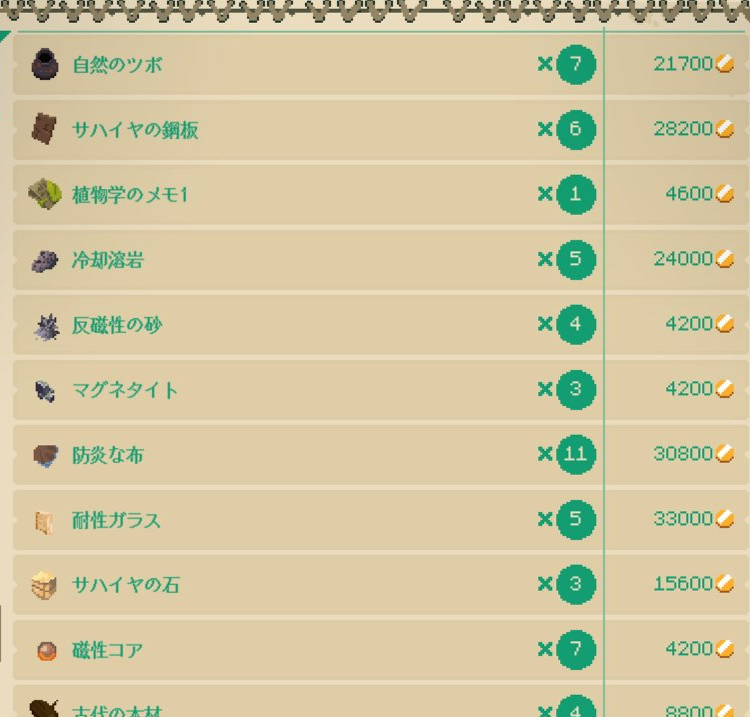
You all probably saw this one coming but reading the item descriptions was always going to be a part of one of these challenges. There are a variety of ways to use these but by far the cruellest is to only permit yourself to sell items you can read the full descriptions to. Your options will be limited to either selling a handful of items or working your way through and being proud of the full repertoire of goods you can sell. Although there is an abundance of items I assure you it is easier to go through and learn them than you might consider. Good luck.
The archaeologist
As you travel through the dungeon your reading options are lower than usual. Take your moment when you can and fully utilise the notes scattered throughout. Try reading or writing the notes in full, paying particular attention to any new or unfamiliar words and see if you can reap the benefit of understanding what bosses are to come. You can use the cancel button to close the note so maybe limit yourself to only continue if you understood everything or knew all the readings otherwise close the note and try again.
The socialite
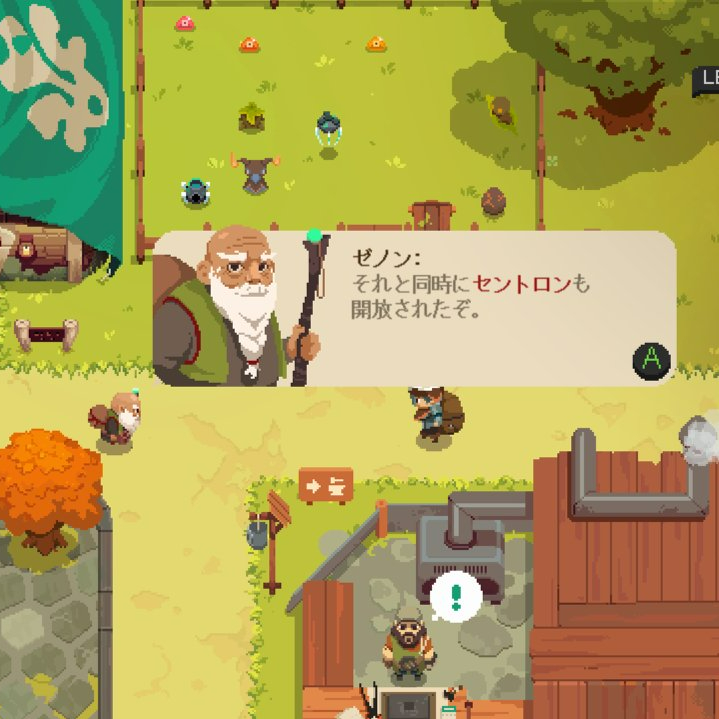
Whenever you return to the village, take a moment to speak with as many villagers as you can. The random NPCs will not offer new sentences but there are a handful of named characters including Tomo, Maury and Redmond that will give 3 unique pieces of dialogue at each milestone. Go round on regular occasions and either read aloud or write each sentence to bolster your colloquial speech about Renoka Town. For an added challenges, see if you can find Zenon at night time and quiz him for even more reading and knowledge.
Previous Posts




 Games & Kanji