
When it comes to your capacity and efficacy in learning a new language one thing that is seen as the “be all and end all” is your method. It’s very common, especially in the early stages to believe that if your method isn’t new, exciting or quirky then it may not be as effective. For this reason, many people search for the “perfect” method which, I can assure you, does not exist. I want to preface this with the fact that even my own methods are not perfect, new or special but they work for me. The reason I want to share it here today is because it may be something for you to try or even modify to your own liking. Every method will be good in one way or another but it’s important to recognise that, for the most part, they all stem down to the basics. Reading, writing, listening and speaking. The much more important aspect is attitude, with the right attitude, some interesting content and maybe even a few little challenges, games can become an even more useful tool for bolstering your language and building your confidence across all four basic skills.
First things first, what is wrote memorization? Wrote memorization is the action of writing and rewriting a topic in order to cement that learning and muscle memory in your brain. Many sources say that wrote memorization is bad (possible because of its typically academic and rigid nature), and I would agree that simply writing things over and over again is not going to make you fluent, however if applied in an engaging manner with something that actually peaks your interest it can not only be beneficial but can actually strengthen your basic reading, writing, acquisition and… speaking, if you add a little flair.
Reading is an inevitable part of playing games. Little prep work is needed in order to digest words on a basic level, however it is a rarity to write while gaming so let’s start by looking at what I personally use and what I look out for in games in order to apply this method. My go to method, and the thing that started this crazy journey, is to get a whiteboard and a variety of coloured pens. My university days were spent with games such as Minecraft (Tekkit), Kerbal Space program and military strategy games so me and my housemate would spend a lot of time drawing and writing plans out for elaborate machines, objectives and characters. Because of this I was lucky enough be in the habit of using whiteboards while gaming as well as having a selection to choose from. All you need is a cheap and easy whiteboard as it will more than do the job. You can pick one up for no money at all on online or in most stores. Failing that you can also get yourself a notebook but this loses the wipe-ability and re-writability (they’re words now, so what) that this method benefits from.

The next step is to identify usable content. On the face of it every bit of text on screen is useful but you’ll find that writing everything that appears on screen, while potentially beneficial, may not be very engaging and may lead to boredom, frustration or even wasted time focusing on incredibly peripheral language. There are times where I do play and write everything I see but this depends on the game and my mood. I would often do this for very word heavy games where I want to increase my familiarity with my surroundings but that’s likely a discussion for another day. There are 2 beneficial things that I look out for in this method in particular, frequently seen UI text and the titular lists. UI text is often good to review when you pick up a new game as it allows you to revise words for the entire duration of your playthrough and lists… they are a gold mine.
When you hear the word “list” you may picture in your mind a sequential, vertical roll of text, gaming lists in particular commonly feature an index, catalogue, log or some other form of successive data relating around the same selection of a games content. Many will be easily recognizable however they can come in all manner of layouts, sometimes not even directly connected at all, such as the market in Wizards of Legend. Some cases may be even more different still such as a cycle of dialogue or, if you’re really lucky, they may contain spoken audio adding to your listening practice. The ability to identify usable content fun and rewarding and for every new list you discover a new well of vocabulary becomes available.

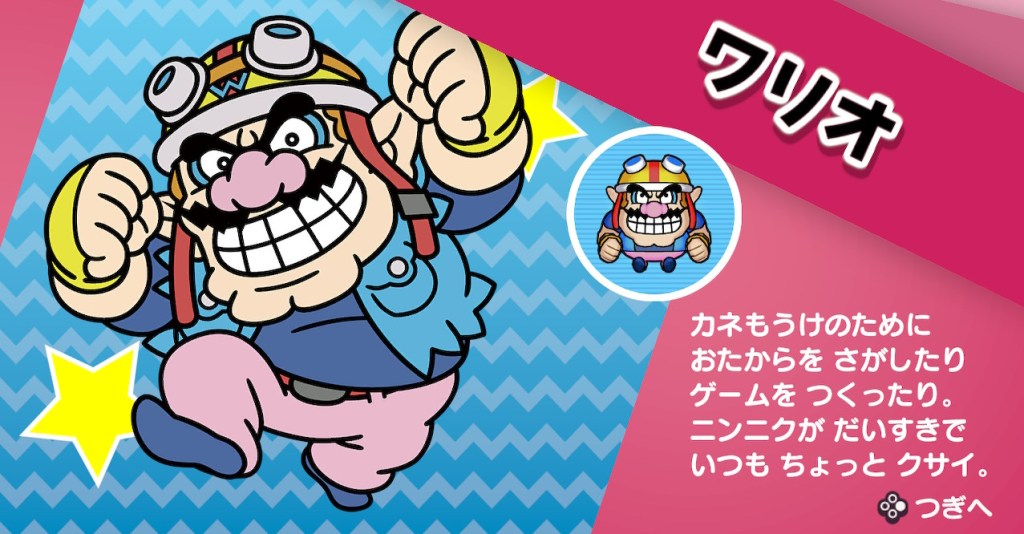
The most predominant example of this in all of our minds is probably the Pokédex from Pokémon. Every Pokémon has an entry featuring a name, stats and, most importantly, a description. The names can be a neat little mystery as they are often a play on words from either loan words of combinations of kanji readings of the Pokémon’s features. The stats include quantifiers and shared classes but the descriptions cover a ton of descriptive vocabulary, adjectives and adverbs, most of which are new and exciting. Every Dex entry focuses on the unique point of its Pokémon design, meaning you can learn and write a huge selection of language, but the overarching format, attributes and groups of the Pokémon provide a pool of more regular and multi functional words. Depending on which games you have at your disposal the amount and style of lists available to you will differ greatly so it is up to you (and I suppose me and this site) to find a game that gels with your interests, goals and ability.
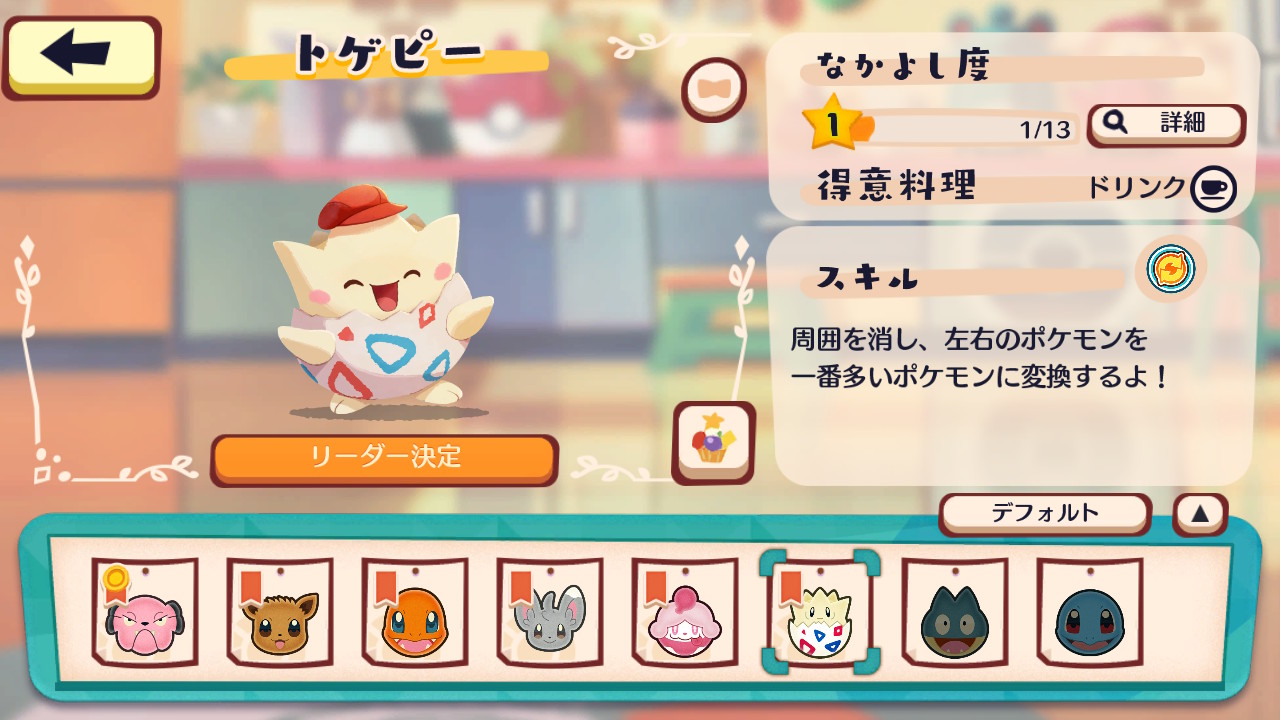
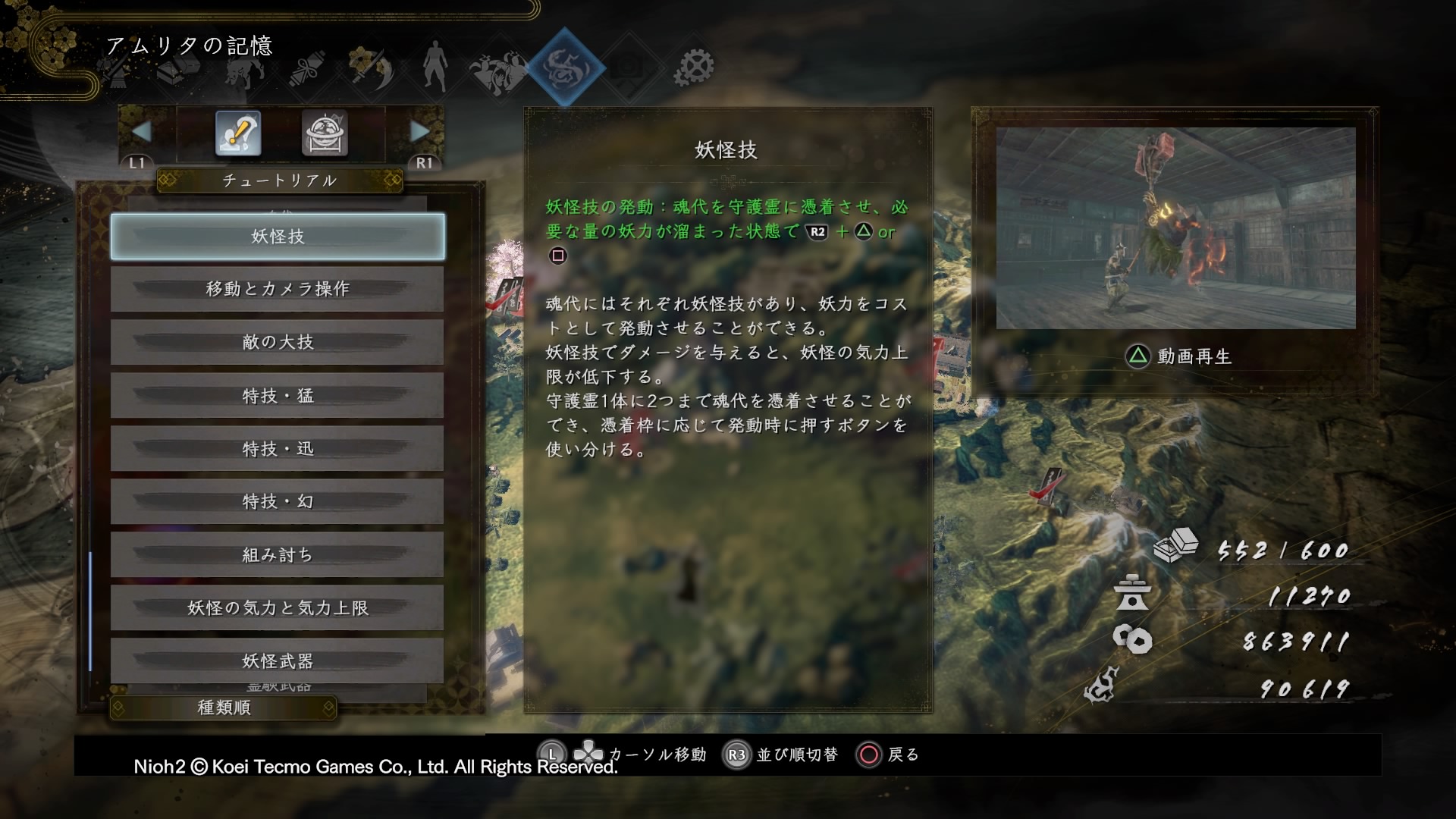
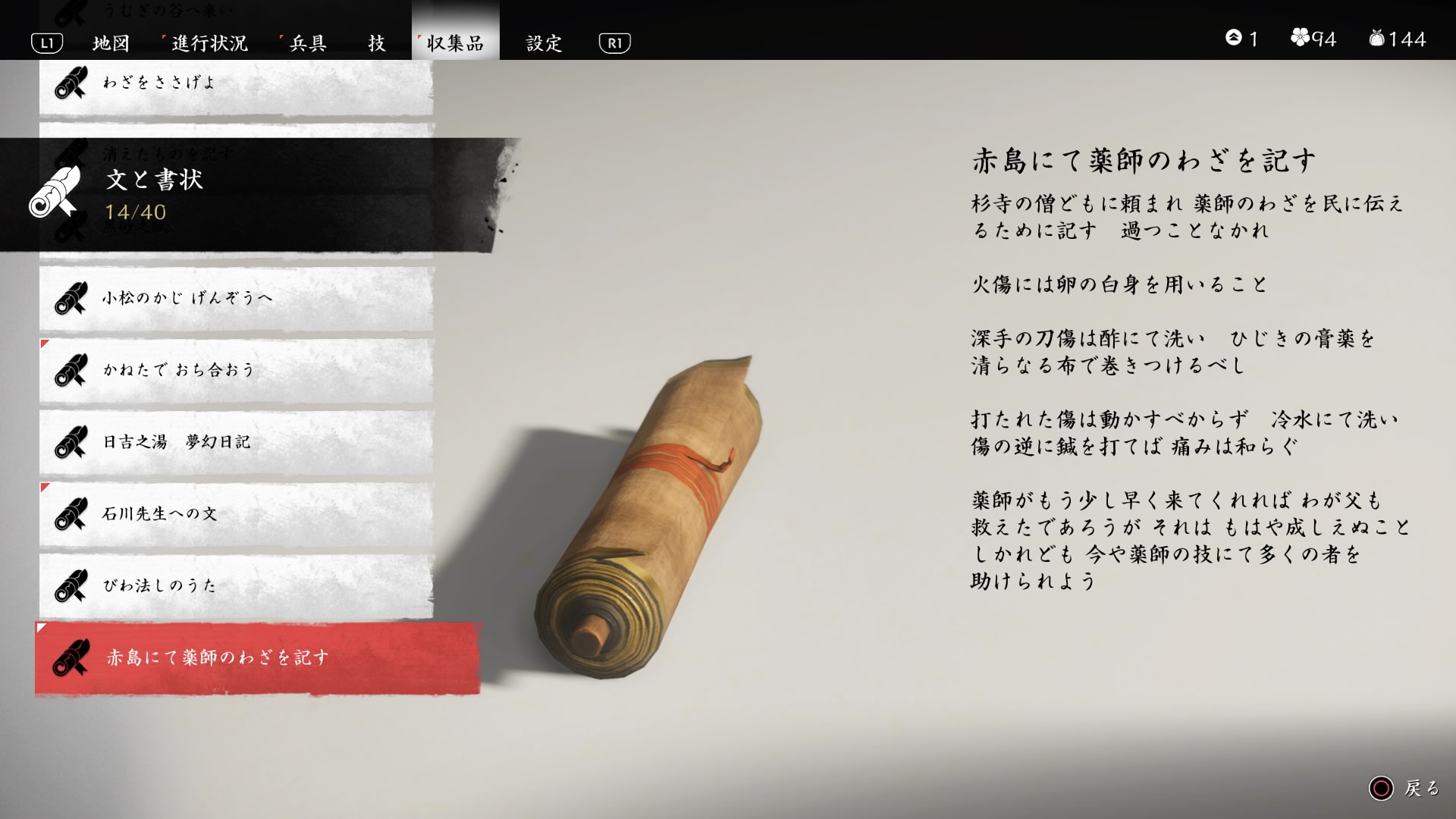
Once you have your list of interest the hard graft starts. My standard process is to start at the beginning of an entry and while reading the vocabulary, write the sentence on my whiteboard (or notebook). I will keep going until I come across a word I don’t know, or perhaps a word I recognise but am not certain of the reading for. If I stumble on the kanji or reading I take some time to look it up, practice it a few times to ensure I am confident with it and then start from the beginning again. The challenge is to complete each entry in full and move on to the next, choosing your checkpoints and strictness to suit your patience and experience. Will you restart from the previous entry or from the very start of the menu? For added points, and in order to practice your speaking too, speak out loud while you are writing. This verifies your understanding of each word, ensures that your mind is engaged and allows you to practice the muscle memory required for Japanese speech. I would recommend gauging your list both before and during this practice. If you feel you are stumbling a lot it may be that the content is too difficult or varied for you to comfortable succeed in this challenge. If this is the case, perhaps try identifying shared words between the entries for in order to improve the most bang for your buck in your reading ability and try again. If that still doesn’t work you could move on to a different list however something that will override this difficulty is how much you enjoy the topic. When I was playing through Nioh 2 the language was interlaced with feudal and little used terminologies as well as infrequently used historical, material, combat and spiritual words. The thing that kept me persevering through the extremely long lists was my love and passion for the topic. If you can find a similar field that keeps you pushing on then you will excel in your studies.

I fully understand that this isn’t for everybody. Just because it works for me doesn’t mean it will work for you too, but I would recommend trying a variety of lists in order to adjust the difficulty, find a topic that suits you better or practice smaller aspects of text. I can attest that if you can find something that works for you, and you can complete a list, there is no feeling like it. There is a reason that I hold this style of learning so dear in my heart, and it’s why I always head straight for this style of content in any game I pick up. If you have a game that you think you may enjoy look it up here and it’s a firm bet that I would have pointed out the best and most useful lists for you ahead of time. Let me know what you think and tell me your favourites!
 Games & Kanji