
I’ve always been a bit of a quiz fiend. Many days were spent in my academic years doing pub quizzes and flexing my intellectual muscles as a substitute for the lack of physical prowess. One of my earliest and most unattainable goals in life was to know everything about everything and, as you can imagine, this was as short lived as my childhood joy. It did however leave a sponge-like hole in my head that I was eager to fill with as many useless factoids as possible. Combine this with a love of languages and you end up falling in love with a game called Quizzland!
Platforms and Languages – 6/10
Quizzland is a mobile exclusive for both Apple and Android but I feel for a game of this style that is to be expected. While it can’t be played on console it is free aside from in-game purchases but these will have little to no positive impact on your learning experience. The language options are impressively abundant and easily changeable in the main settings menu with just a few clicks.
Glossary

Usability – 8/10
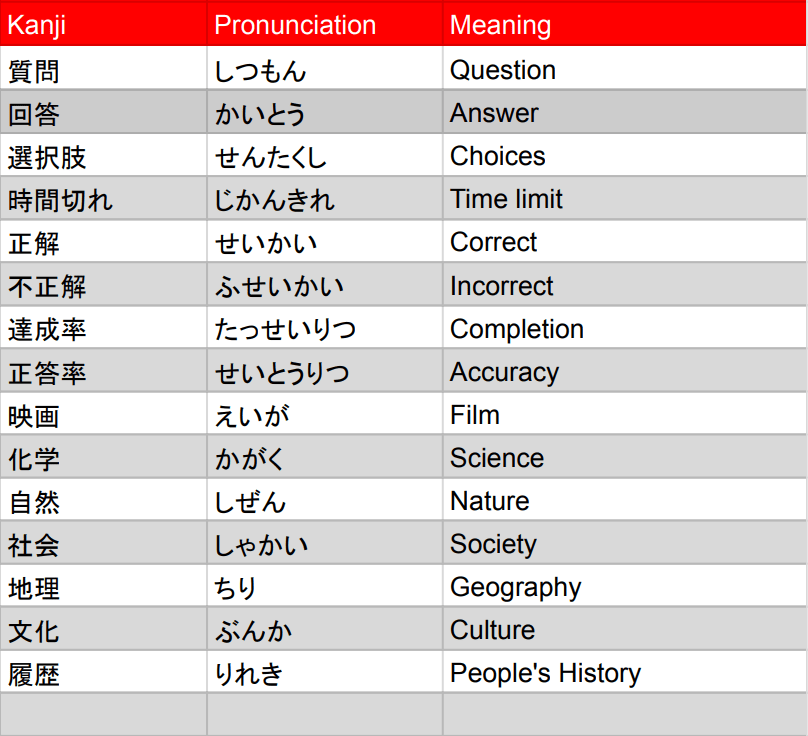
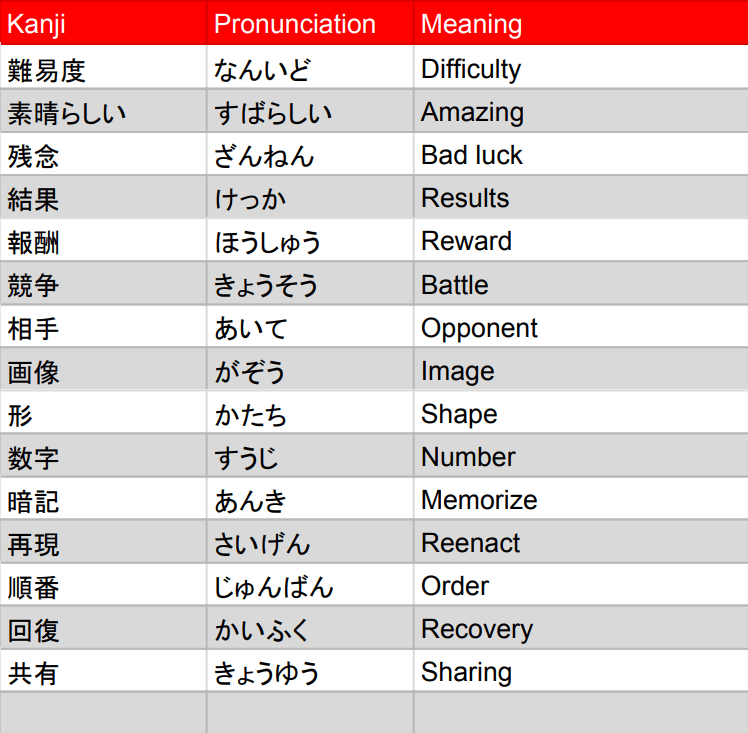
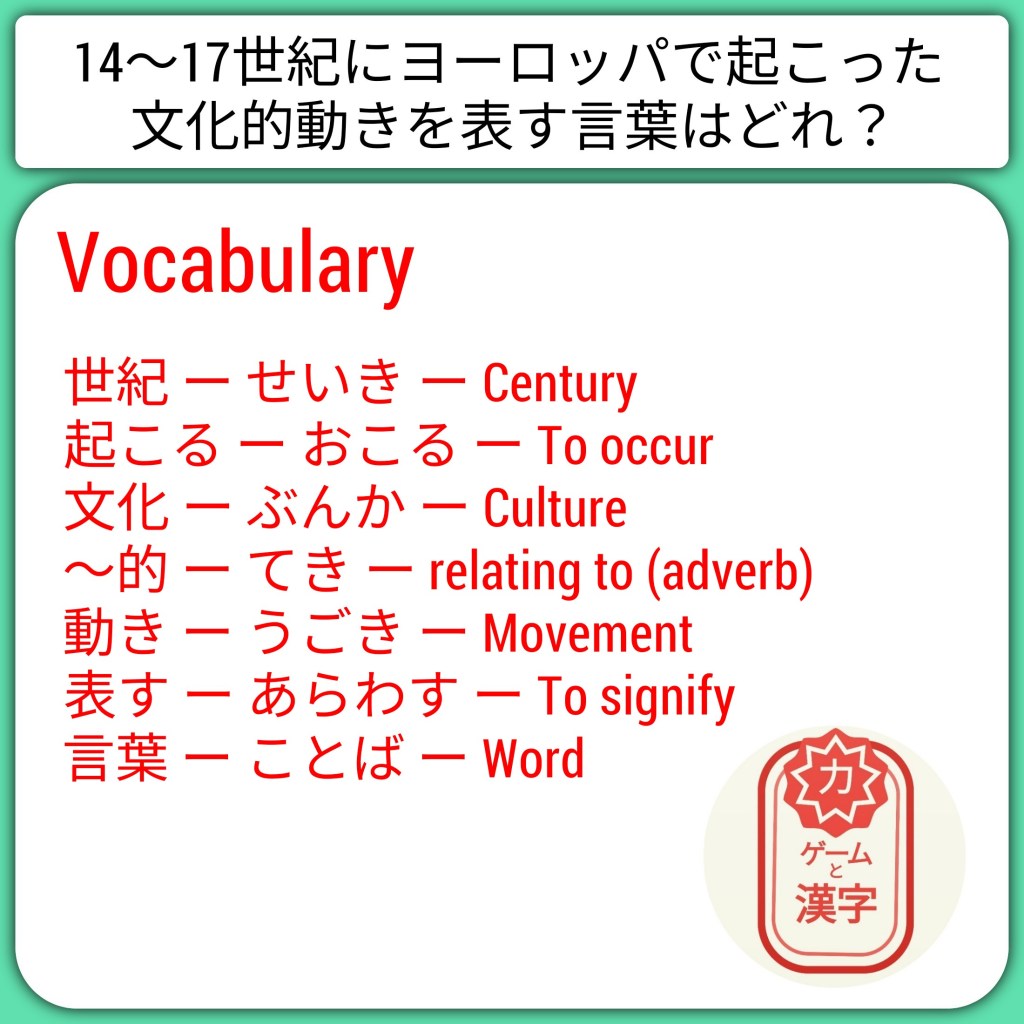
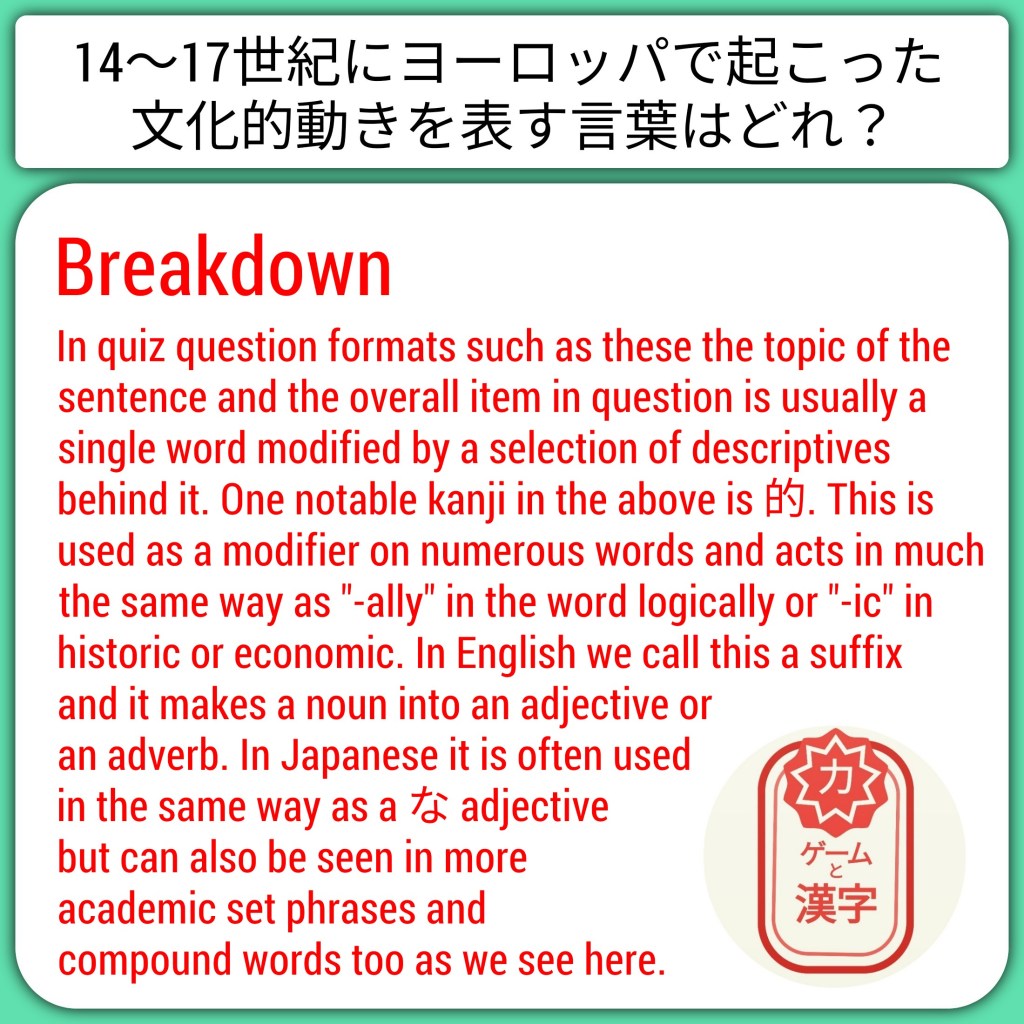
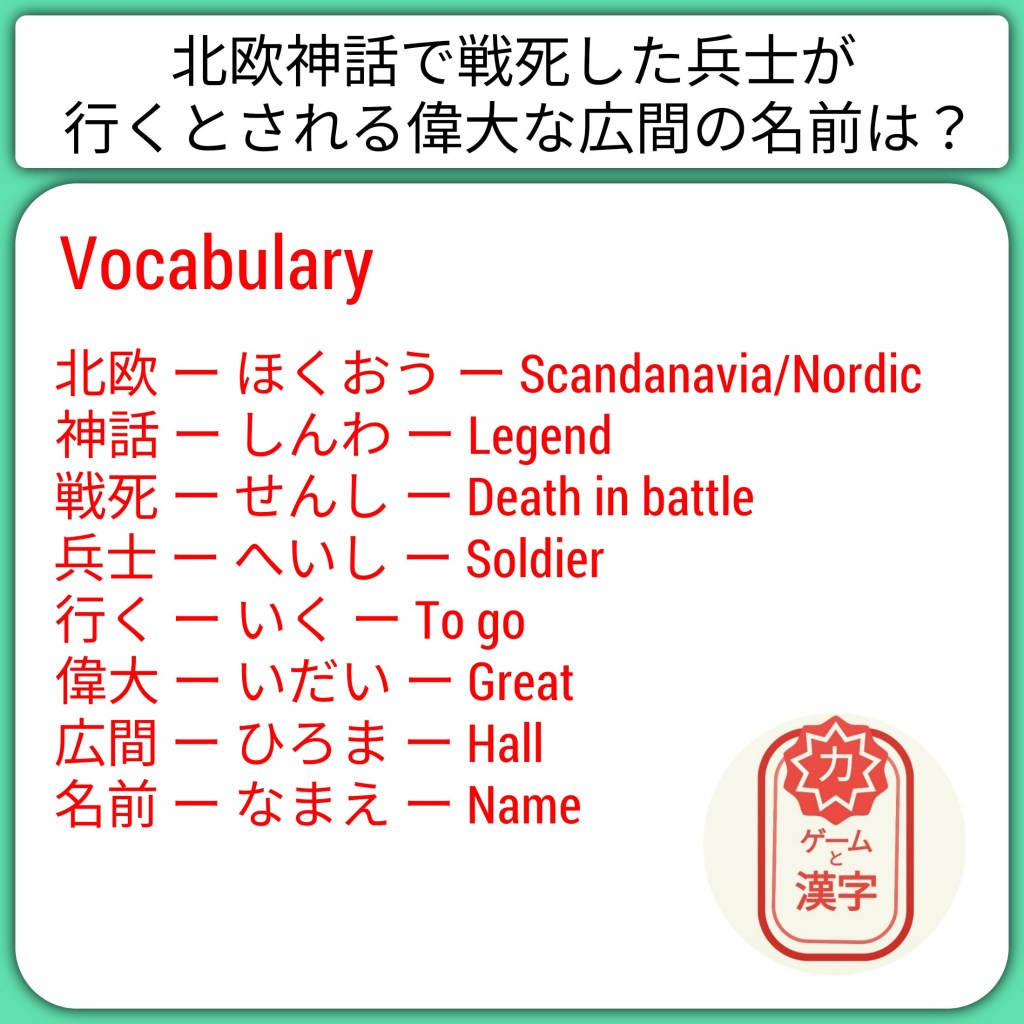
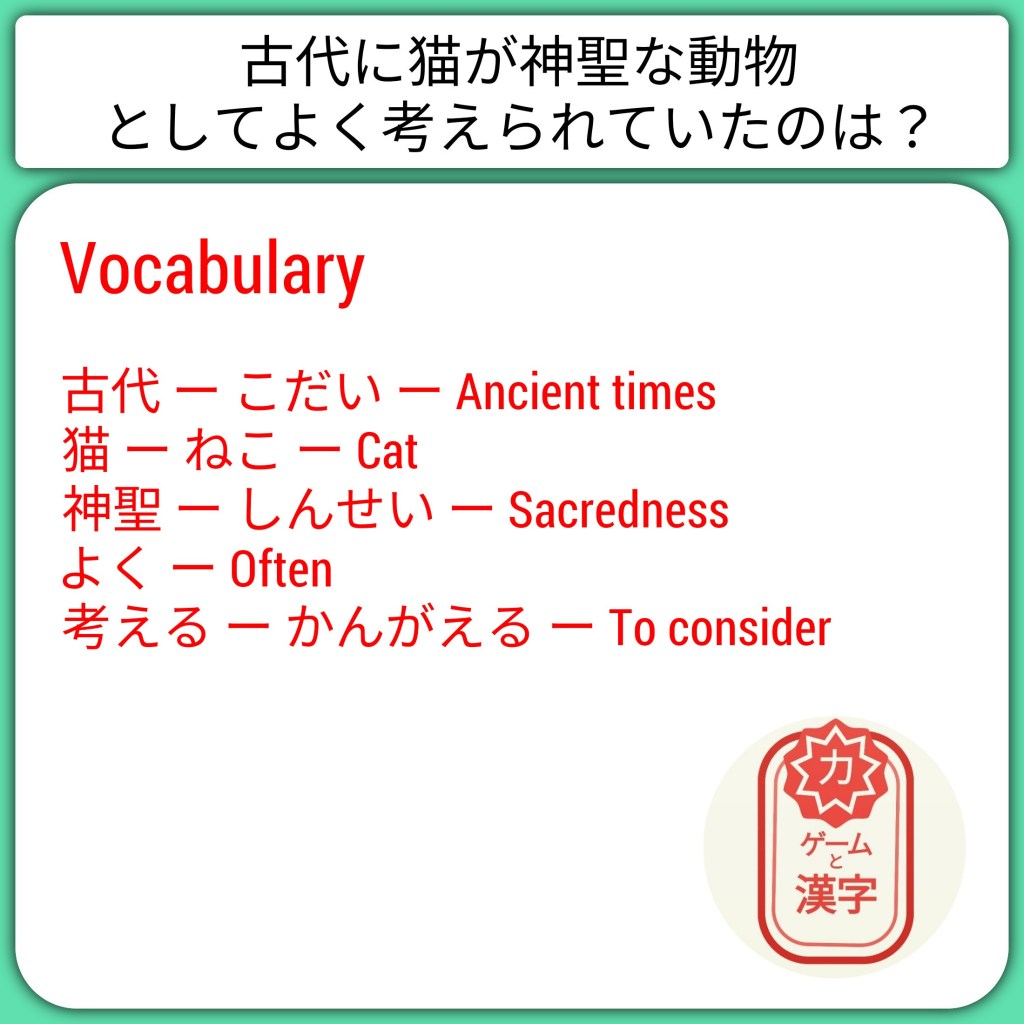
Quizzland is very different to most of the games I have reviewed so far, some would even argue that it isn’t even really a game in the traditional sense however it does come with some brilliant features that make it more than just a questions and answers database. The glossary above holds some useful terms for the UI of Quizzland however the major difference in this style of game is that the vocabulary can be unlimited (providing the questions don’t stop coming). While you have a selection of topics that follow a categorized theme the vast sea of potential questions and knowledge cannot be contained to one genre. This makes for a unique and variable difficulty that entirely depends on your thirst for knowledge and willpower.
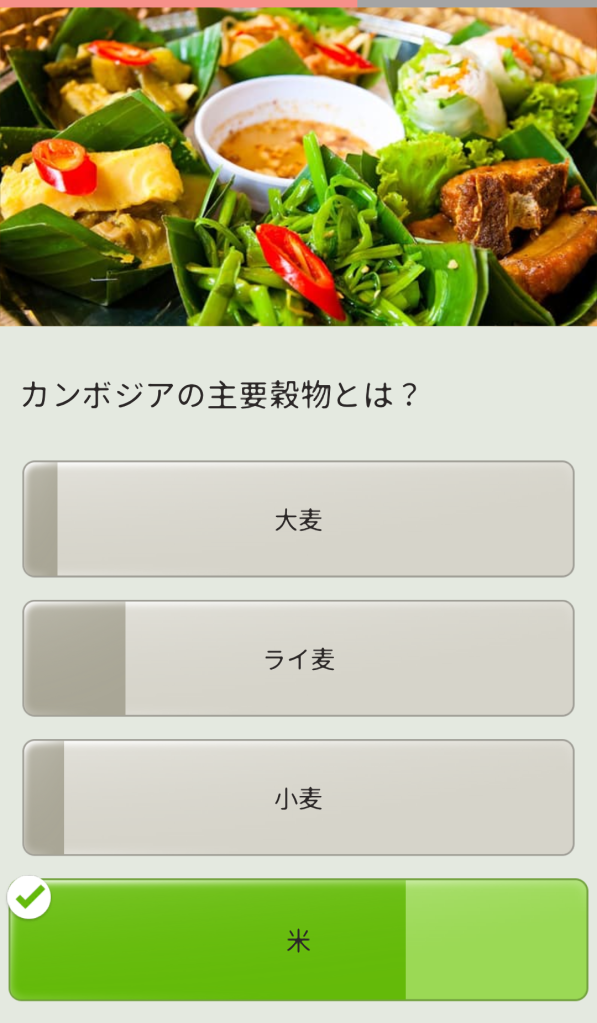
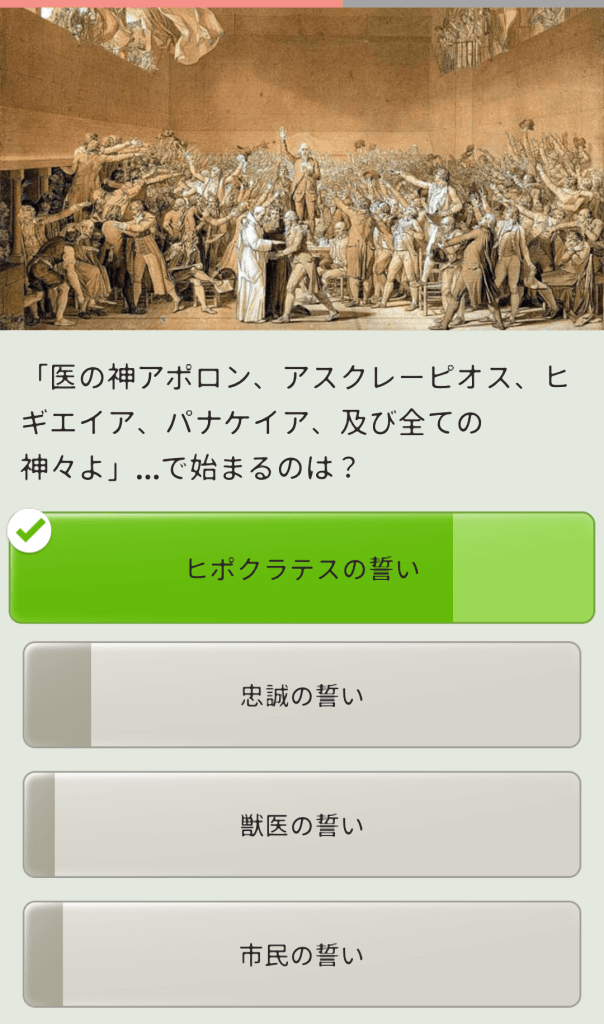
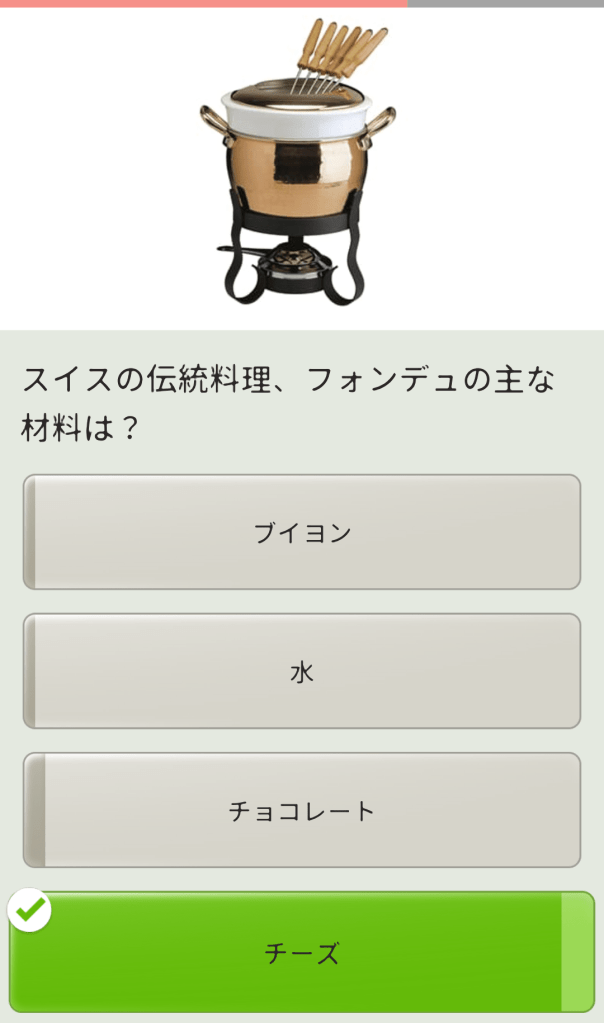
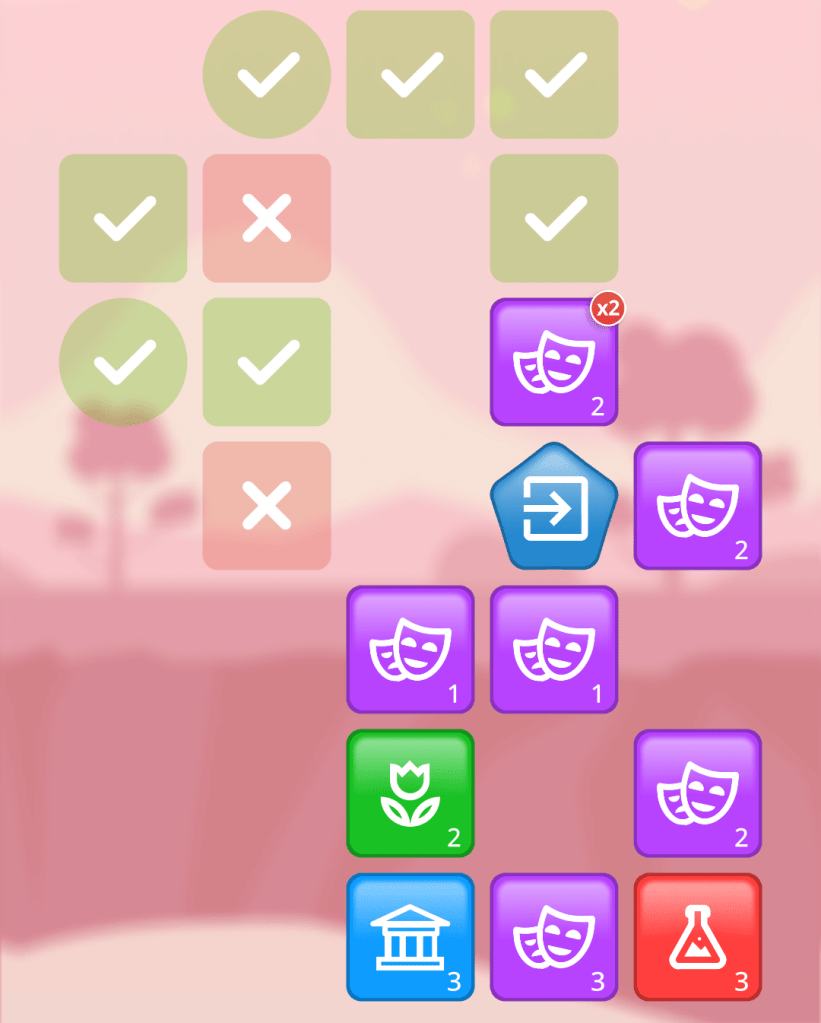
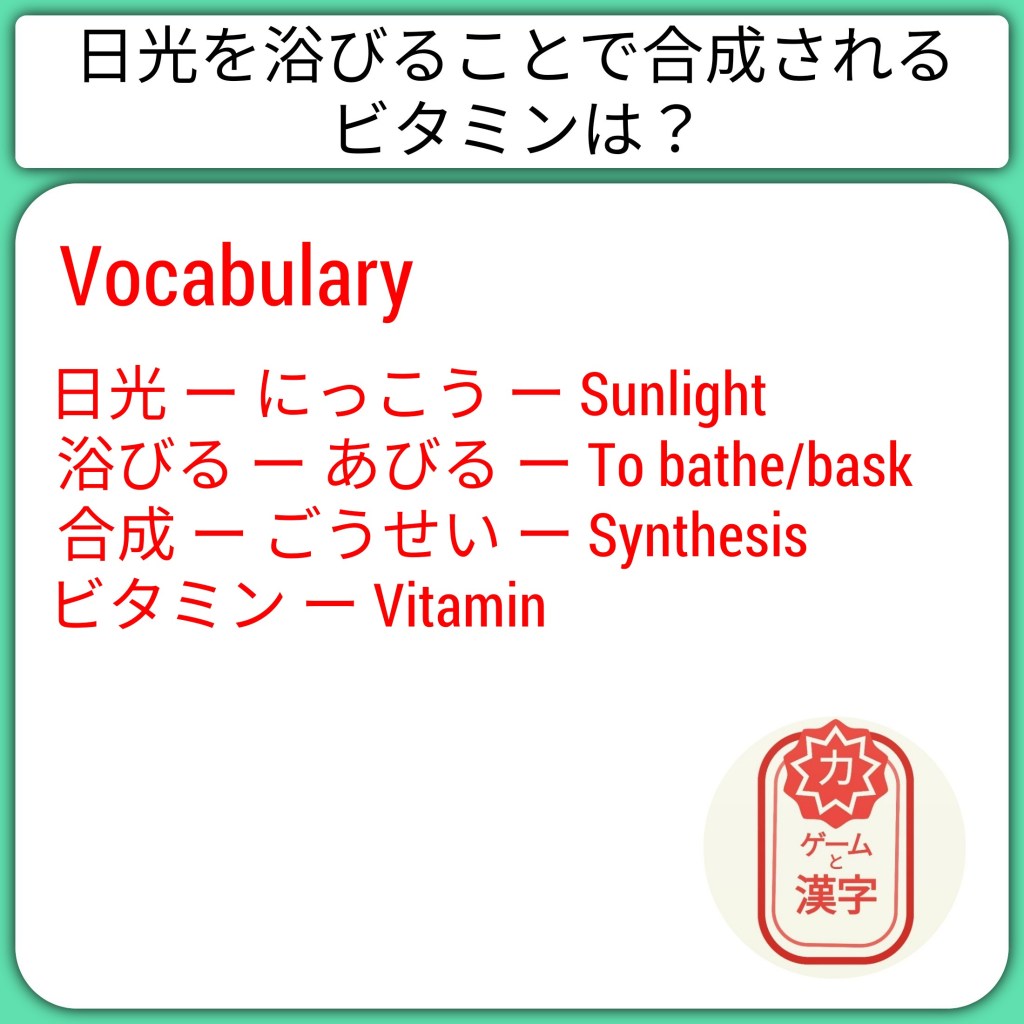
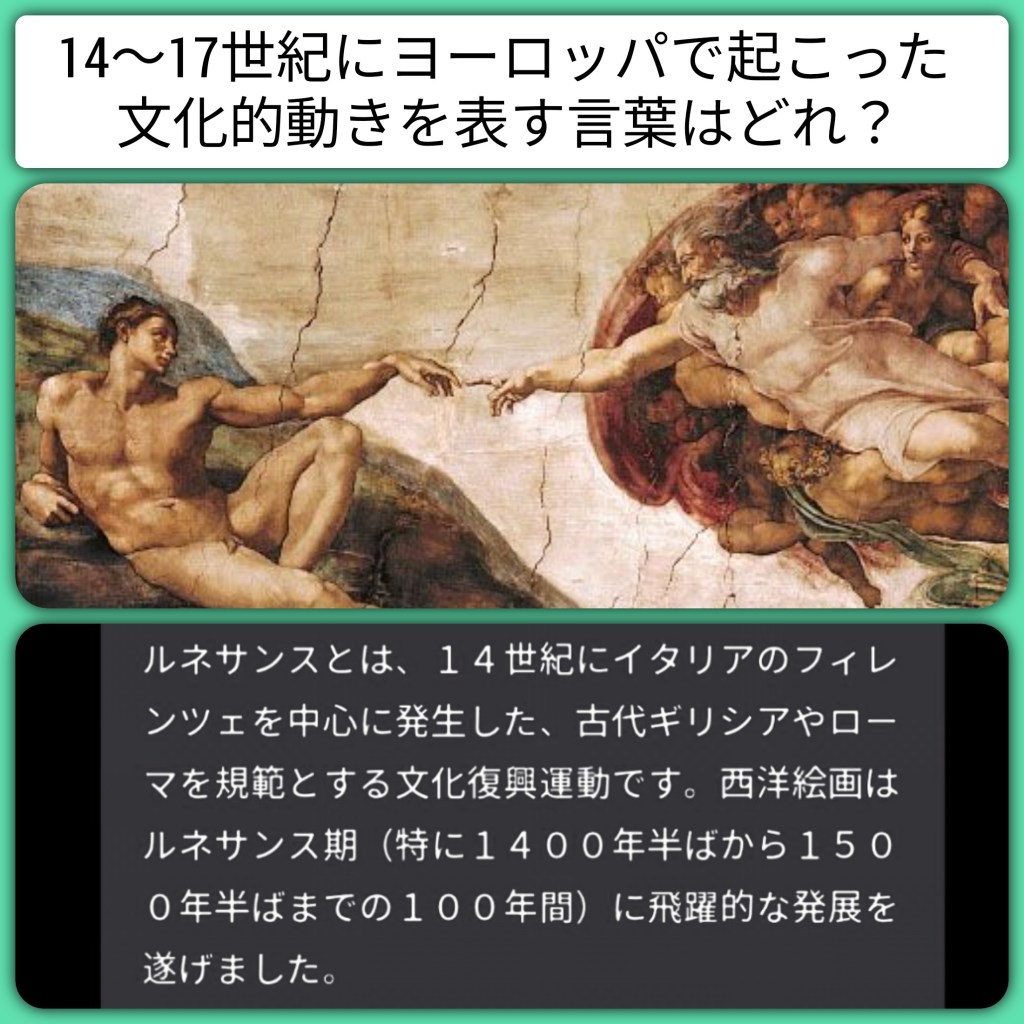
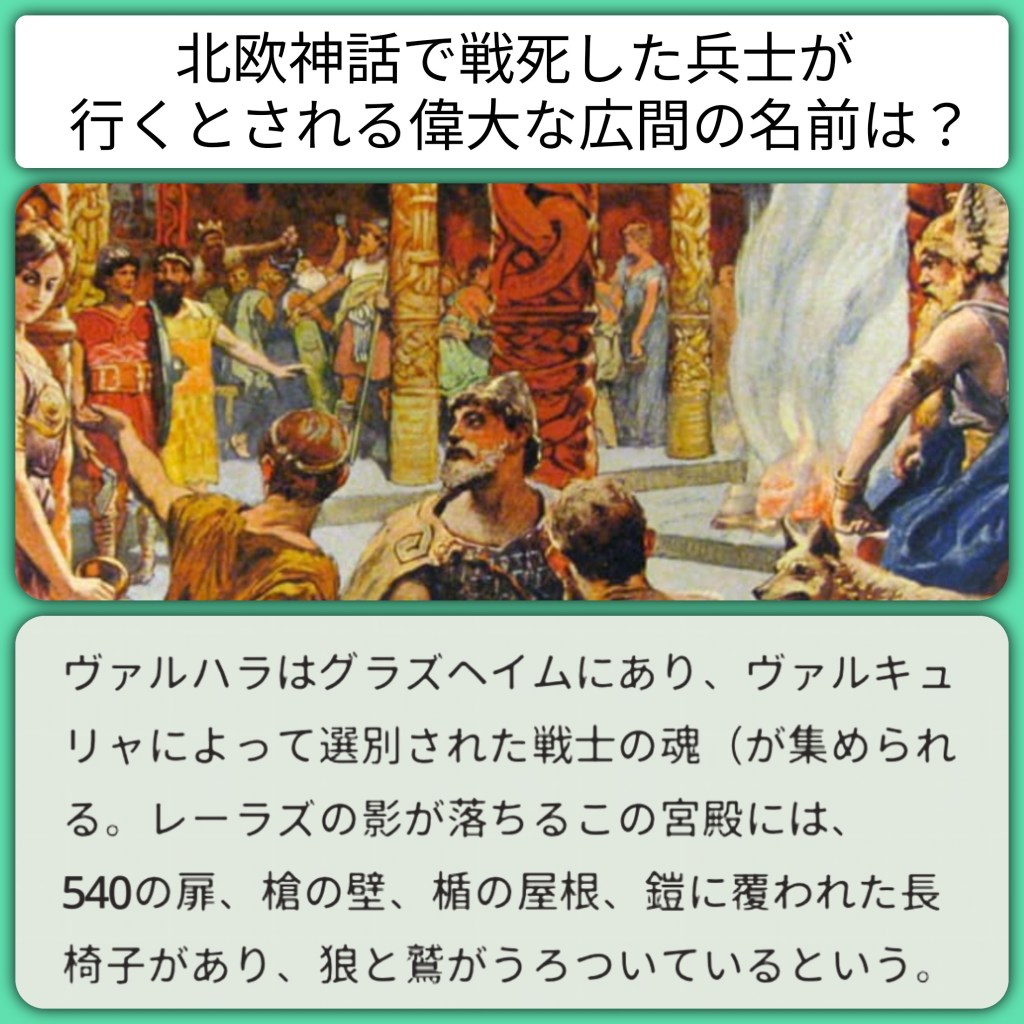
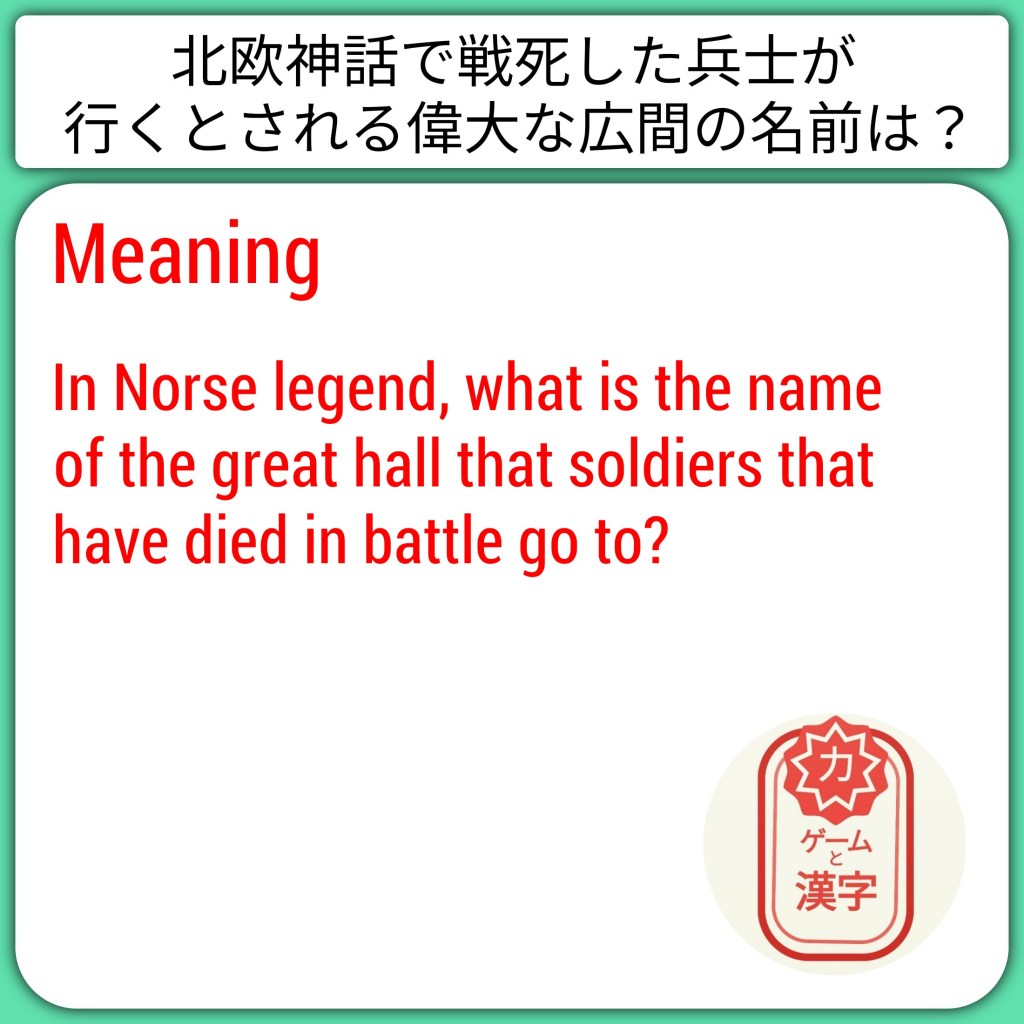
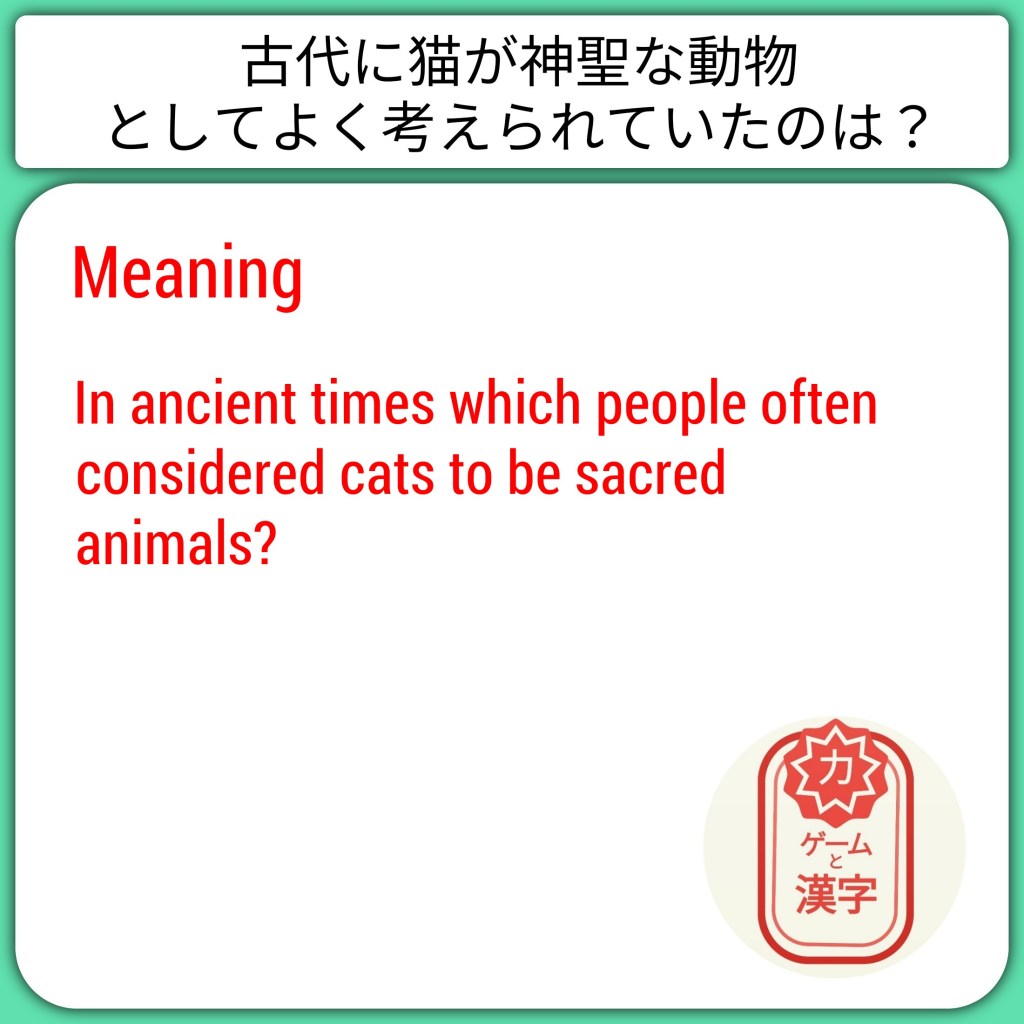
The basic progression of Quizzland is to work your way across a map of questions towards the final objective. The difficulty and topic of each question is highlighted in its logo and numbered label meaning you can plan your route through your favourite topics or, if you’re a bit of a completionist, you can review and answer all questions in each level. The questions themselves consist of… a question… as well as 4 multiple choice answers and an image of something that may or may not be relevant to the answer. Each question is timed forcing you to read with haste which, for most questions, shouldn’t be too much of an issue but sometimes you’ll be faced with particularly difficult vocabulary or even answers that are statements rather than single words. While the time is ticking I would encourage you to read as quick as you can, skim reading if necessary, developing your ability to take in information rapidly. Once the question has been answered you can read it and the options at your leisure meaning you can still invest your focus into words you didn’t know whilst against the clock.
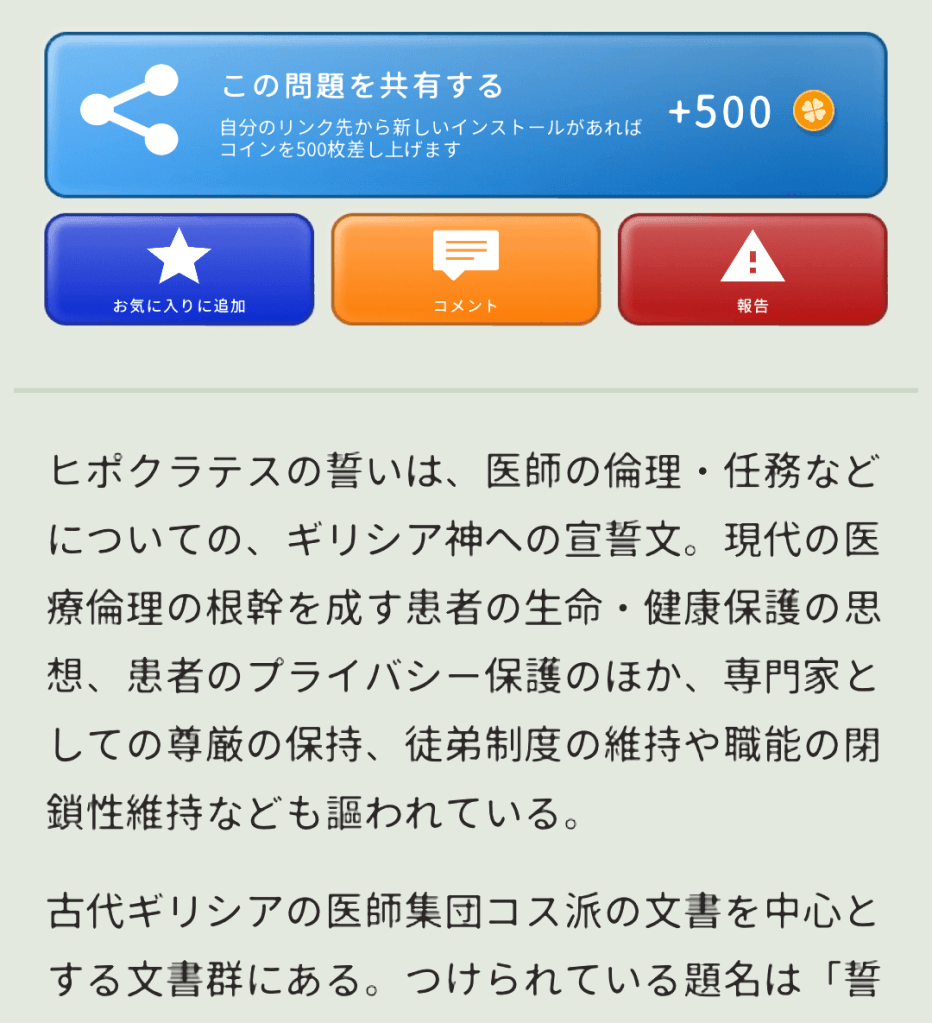
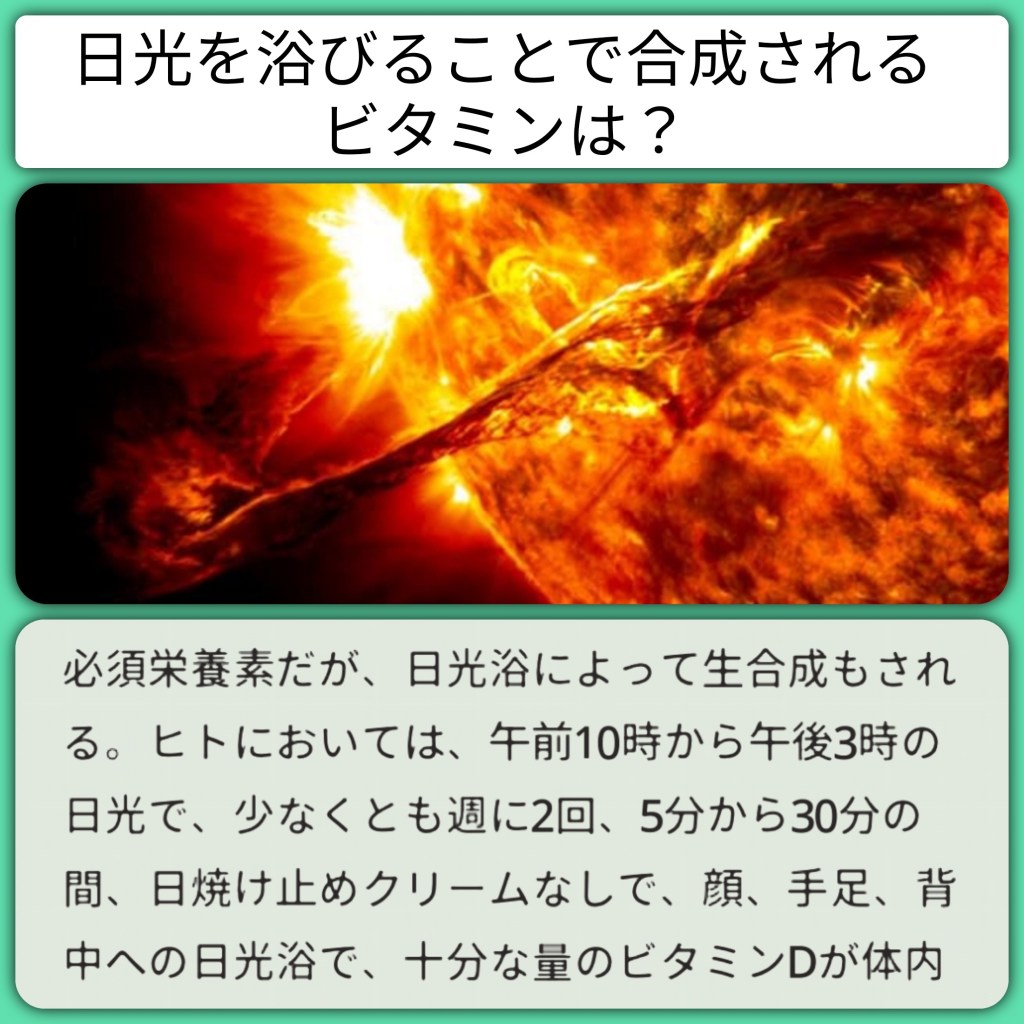
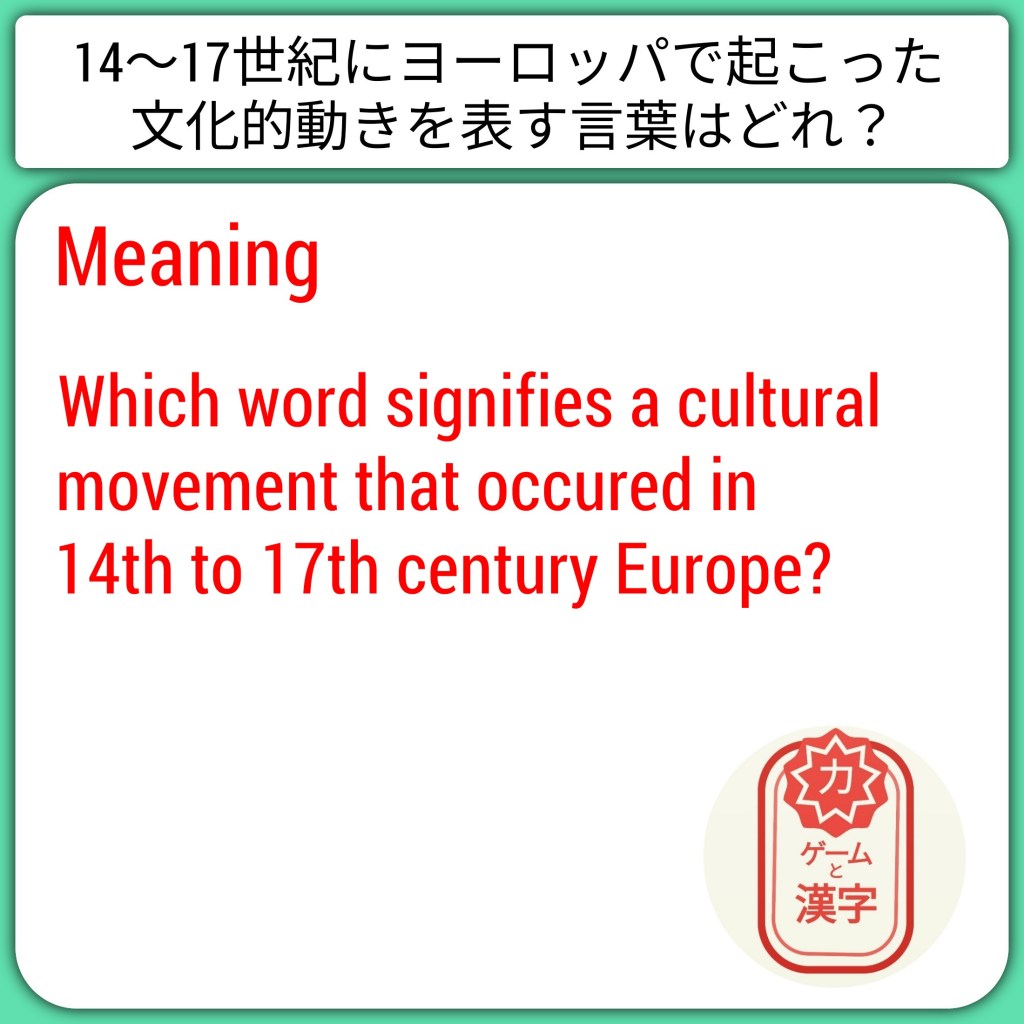
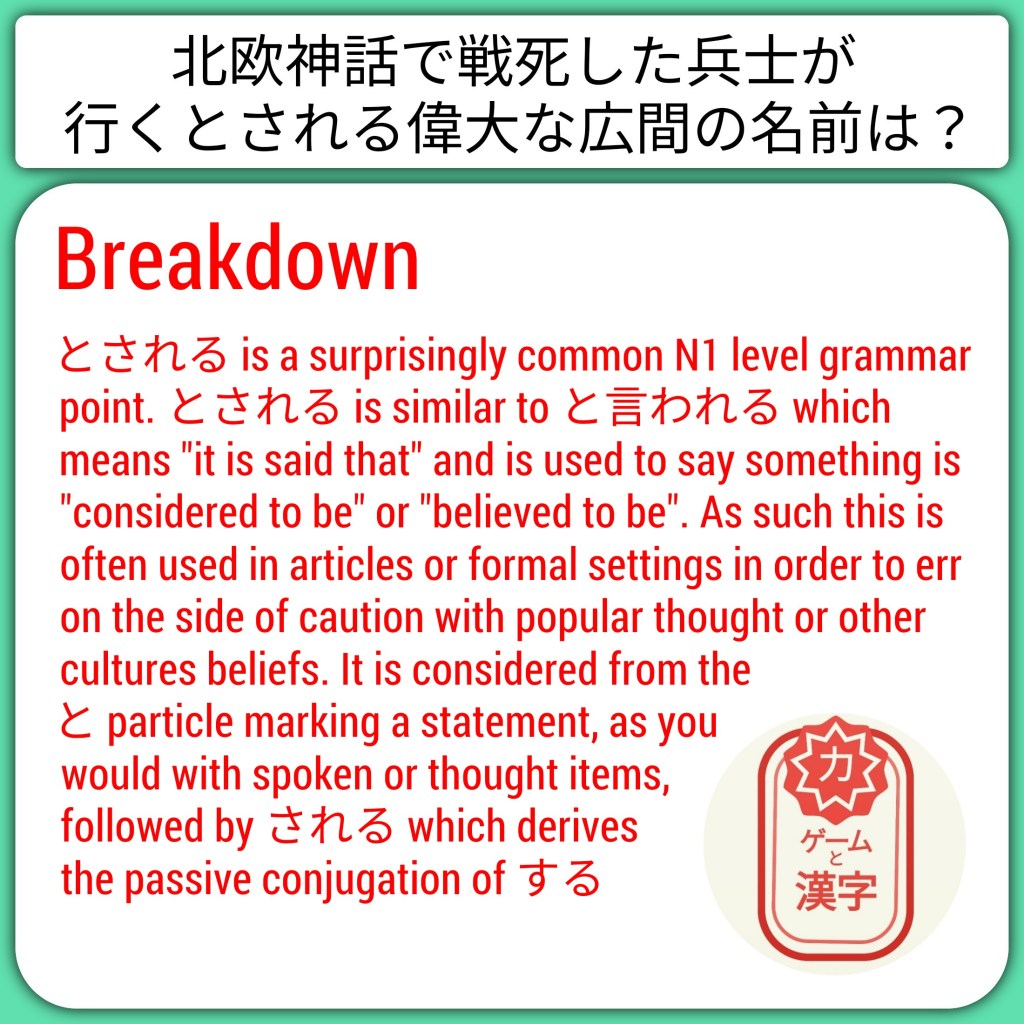
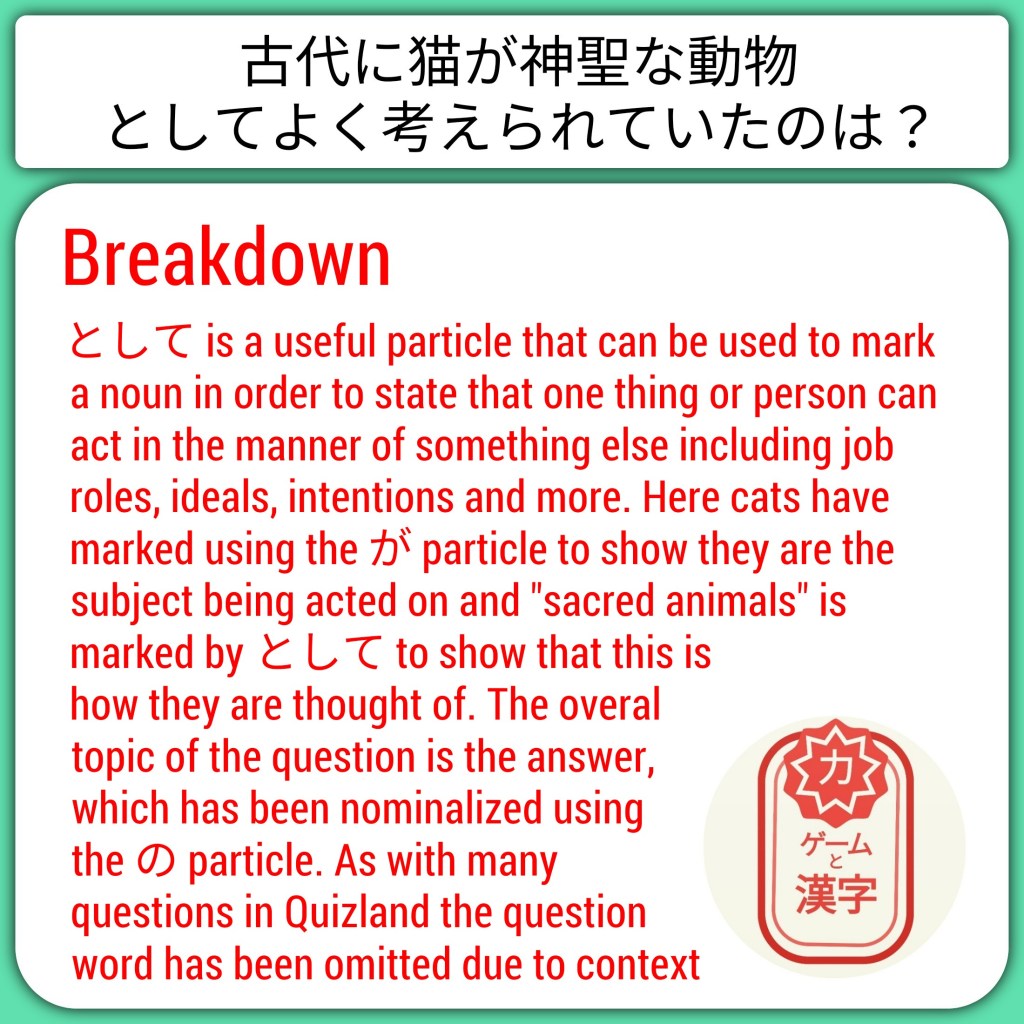
Once you’ve put your answer forward not only will you receive the all important confirmation on if you were right or not, but you’ll also be shown a wikipedia-esque data entry explaining the answer. I’ll be the first to admit these can be a bit wordy and can use some statistical and overly formal language, however, if you do have an interest in the subject matter this is an opportunity to build a rounded knowledge and generate new connections between words that are harder to build when studying each word separately. For an added variety of reading you can also see comments from your fellow Quizzers. These comments have more of a human element than other features as they are written directly by people.
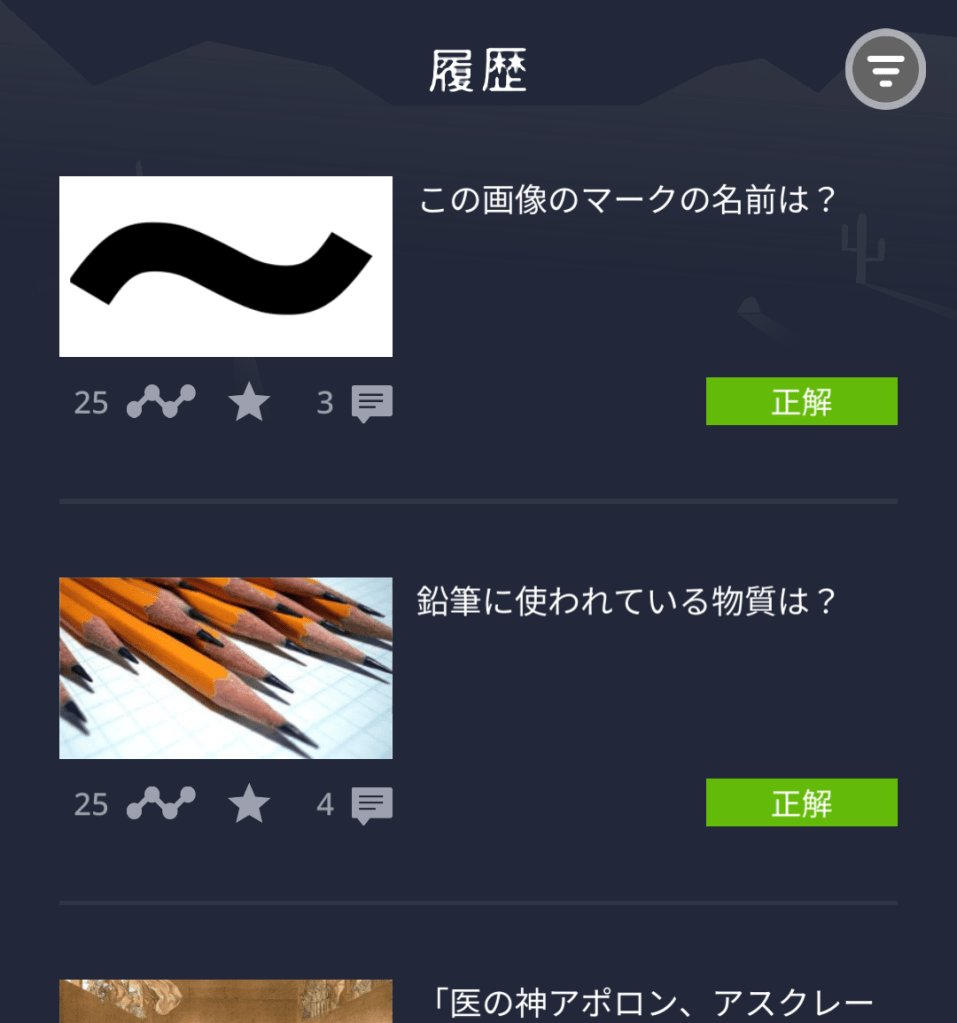
For even more added reusability, a history of all the questions you’ve answered so far can be found in the history tab from the main menu. Here all questions in the order you’ve answered can be displayed and filtered for topic, difficulty or whether you got it right or not. This allows you to review questions for a favourite or least known topic as well as isolating questions you may have answered incorrectly so you can more stringently build vocabulary, kanji or knowledge that you didn’t know so well previously. This feature allows you to selectively access the bulkiest available text for more intensive reading. Convenient accessibility also allows for your own topic based spaced repetition tool. If there is an article that you find particularly beneficial you can study with it and revisit at intervals to make yourself a master in that field (In a target language too!)
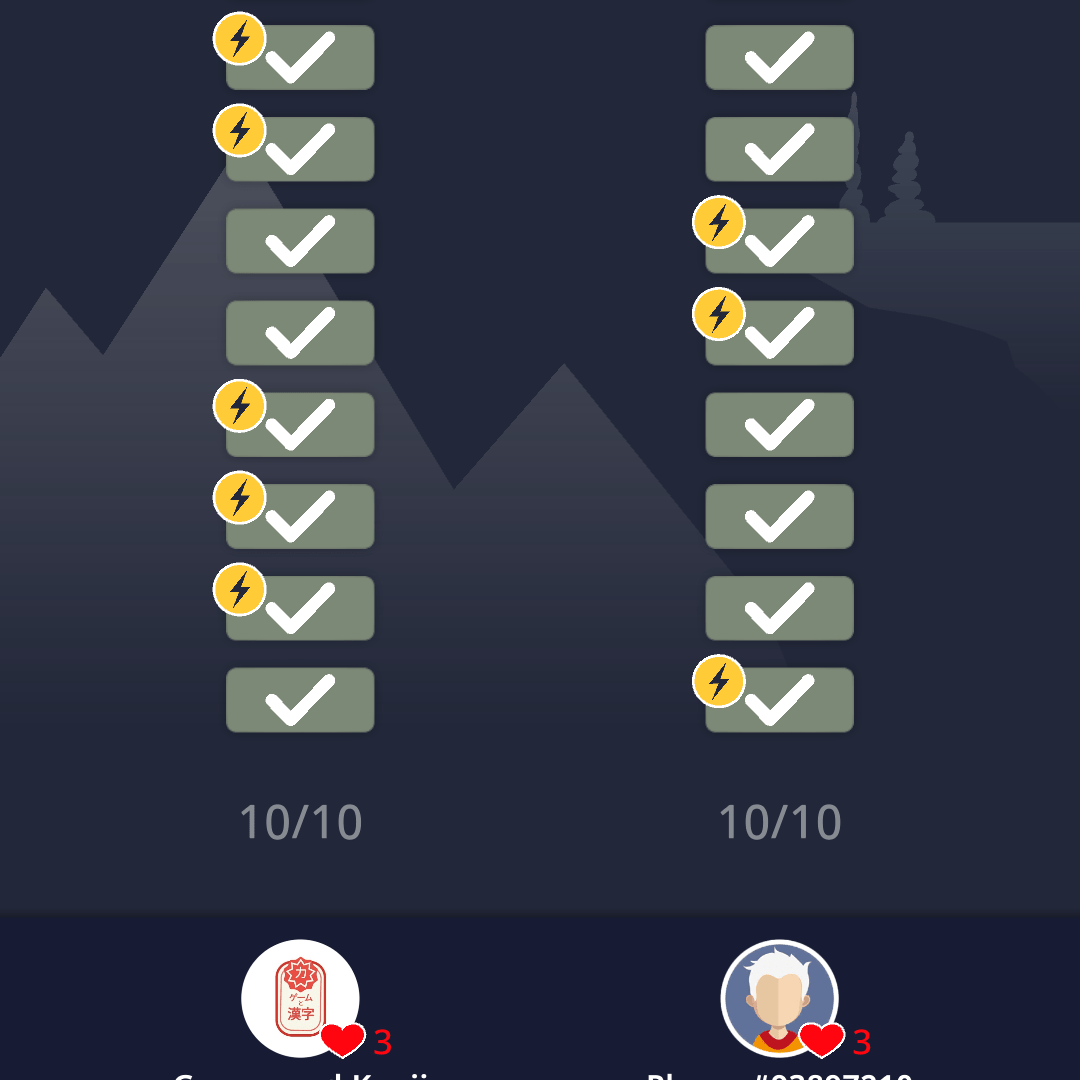
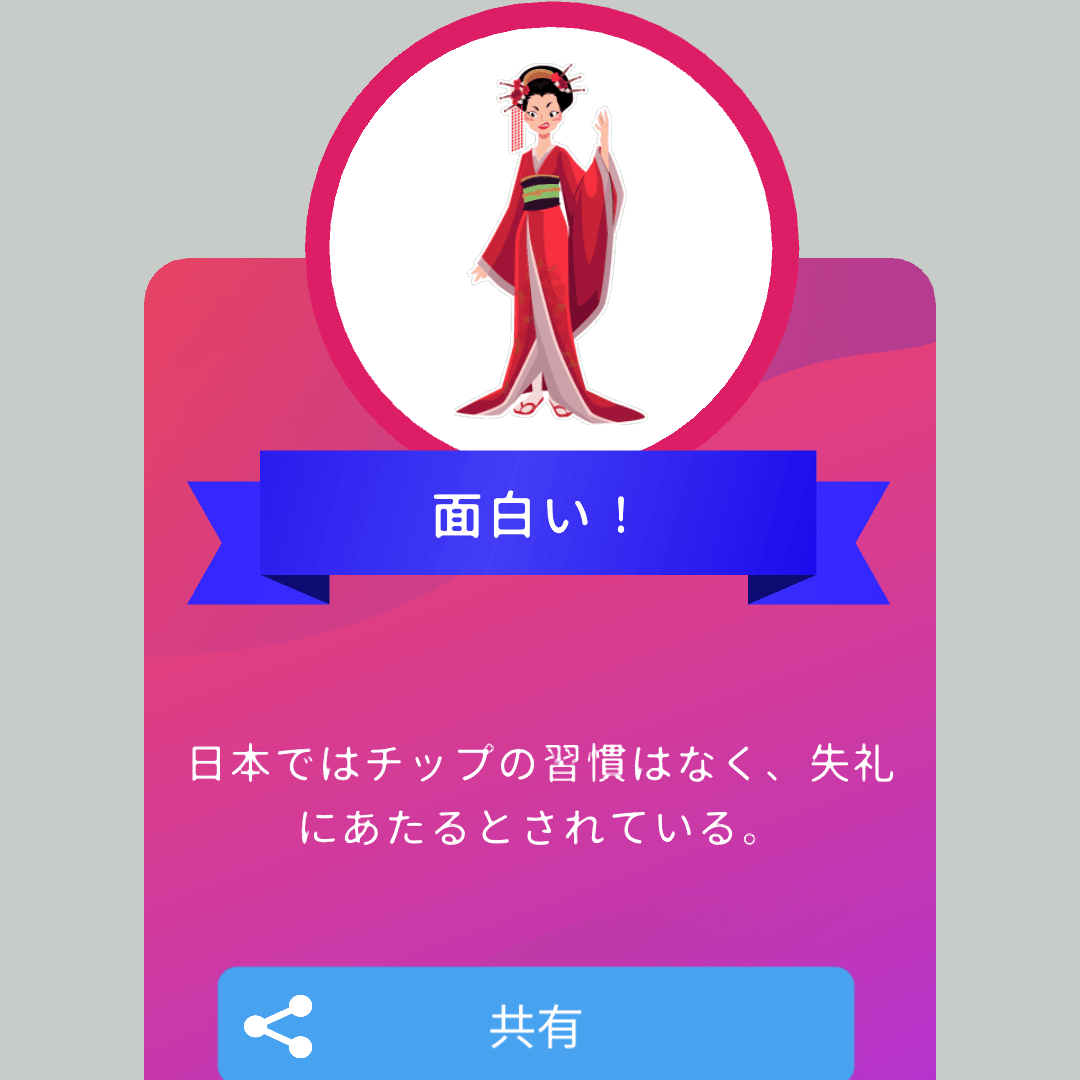
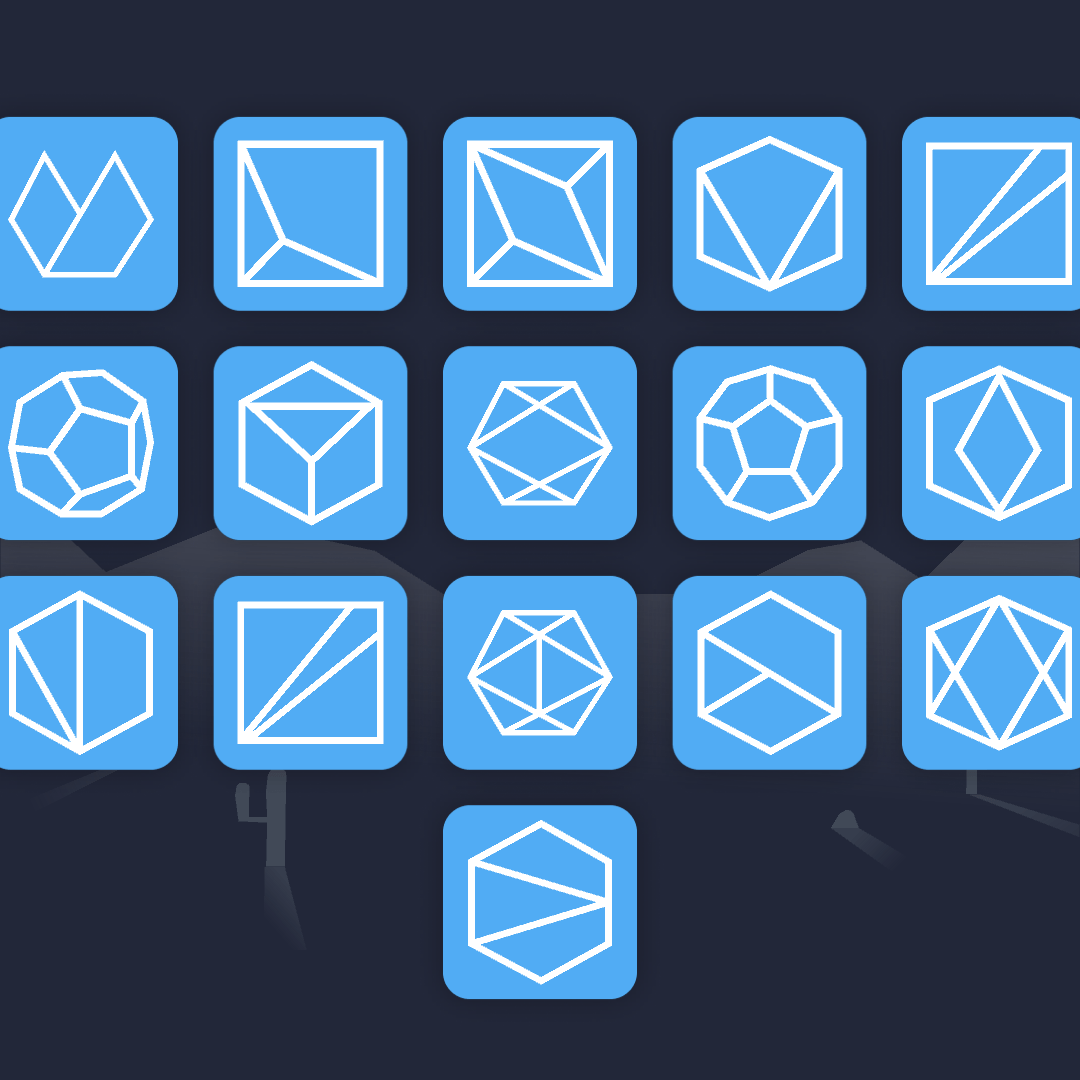
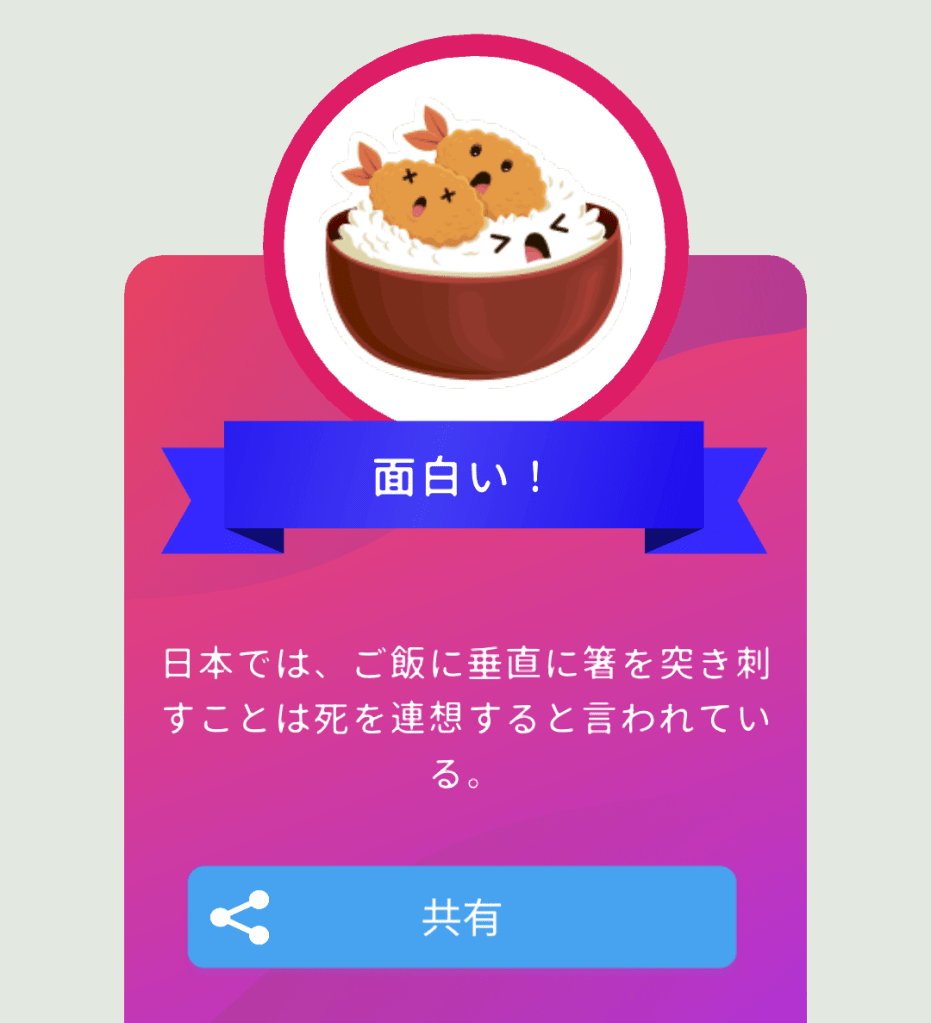
As if the standard format wasn’t enough there’s additional game modes that either spice up the original formulae or change it completely. The most similar game mode is the battle mode where you can face off against a single opponent or a whole group. You’ll be ranked on your accuracy and speed in order to crown the best quizzer amongst either strangers or your friends. This game mode feels a lot more tense as the stakes are higher but the ability to invest in studying the vocabulary is diminished and you aren’t given the usual explanation. Next, either in the standard levels themselves or separately from the main menu, you can play a selection of minigames. While these aren’t related to quizzing so much they fall into the oh so familiar brain training groups that you find in the large majority of cognitive games. Each one doesn’t provide a lot of language but does come with instructions that are simple and descriptive. Lastly, for all of your quizzing efforts, you will be rewarded with an abundance of coins. These can be spent on boosts and hints for the questions if you need it but the best place to sink your funds is the stickers for your sticker book. Each sticker fits into a thematic picture based on a selection of countries. Completing these amusing scenes is rewarding in itself to avid collectors however each sticker comes with the bonus of a quirky factoid about that country’s image. This incentivises learning (granted, with additional learning).
Overall, Quizzland is very well put together. The presentation of the entire app is vibrant and clear with a good mix of playability and learnability. The primary benefit of the game is that your objectives and everything you need to achieve them are based on words and reading ability. Put simply, you cannot play quizzes if you cannot at least understand the questions and answers. Sometimes the best learning is borne from necessity and, while the entry point of Quizzland may be higher than that of games that can be completed by trial and error, the progress that can be made from building and using knowledge in another language is incomparable.
Challenges and Methods – 7/10
Learn from your mistakes
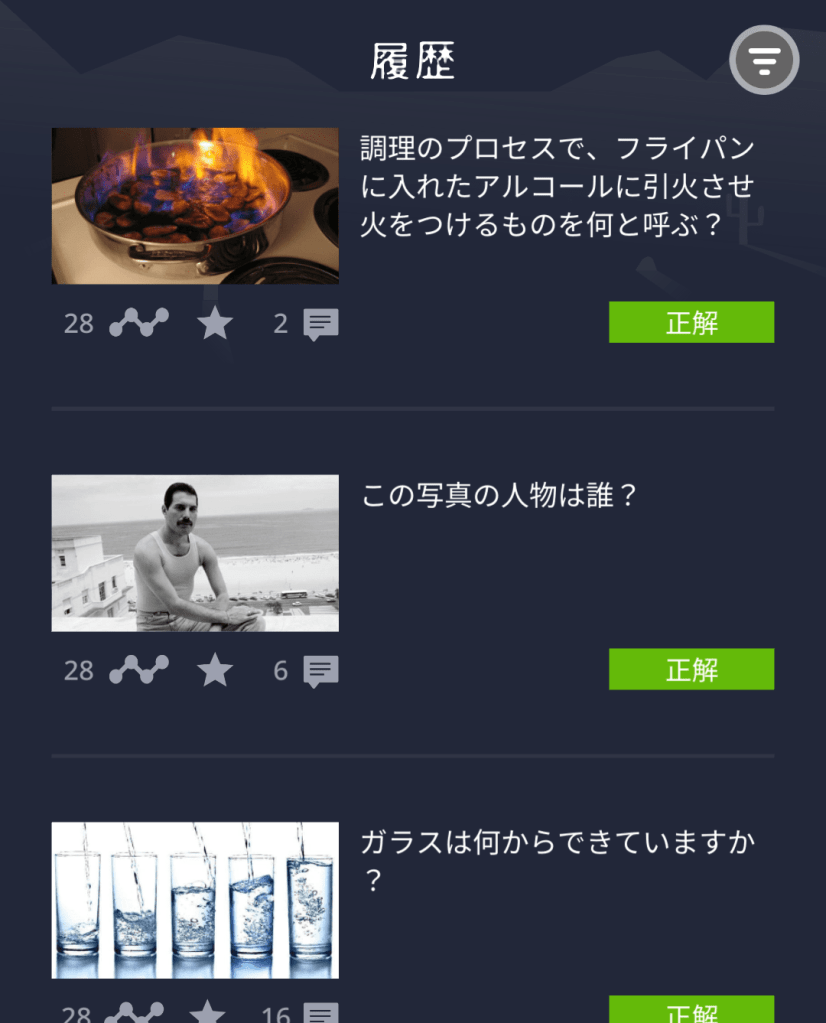
The efficacy of the history tab cannot be sniffed at. By filtering questions you have gotten wrong you can strengthen weaker parts of your vocabulary and grammar knowledge. As an additional “light” punishment or incentive for any wrong answers challenge yourself to write out as much of the question and explanation as possible. Take particular note of any new words and relevant topical kanji so that questions of a similar topic will be easier in future, lessening the likelihood of more wrong answers.
2 grand a sticker!?
The benefits of the sticker book are 2-fold. Having a list or log of items with description is and always will be one of the best tools for challenging your vocabulary (At least in my opinion anyway…) but it also provides a goal and a driving force to keep on going until it’s complete. The sticker book used in Quizzland is broken down in a nifty manner that makes for a somewhat addictive progression as each milestone is staggered. The whole book is huge but when it comes to one scene… only 5 stickers making you constantly close to a rewardingly full page!
Previous posts


 Games & Kanji