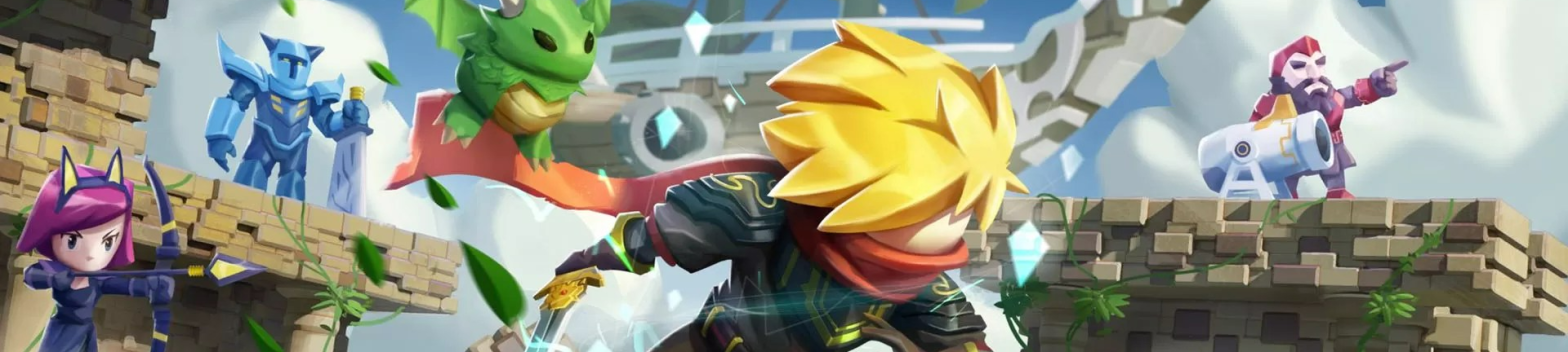
Tap Titans is a series that is kind of semi-iconic. When it comes to mobile games it doesn’t have the same merits or recognisability as Angry Birds or Doodle god but it’s likely a game you may have downloaded in the past and enjoyed for a brief stint. The clicker style game is often tried and very rarely holds much charm as the gameplay in itself is by definition “same-y” but Tap Titans is up there as a leading example of how to do the genre justice. From the minimalist yet easily recognisable protagonist to the comical, seasonal weapons and armour, everything oozes quality and you can tell that the developers truly loved their game. For me personally I had played hours of it back in the day but it wasn’t until my latest revisit that I remembered how much I love and hate these games for their addictive levelling buzz. This is certainly one to avoid if you’re a stickler for efficient gameplay…
Platform and Languages
Tap Titans 2 can be played on Apple or Android mobile devices, and can surprisingly also be played on PC by visiting Bluestacks.com. The game is free aside from a few in-game microtransactions if you’re into that but these won’t provide much in the way of readable content.
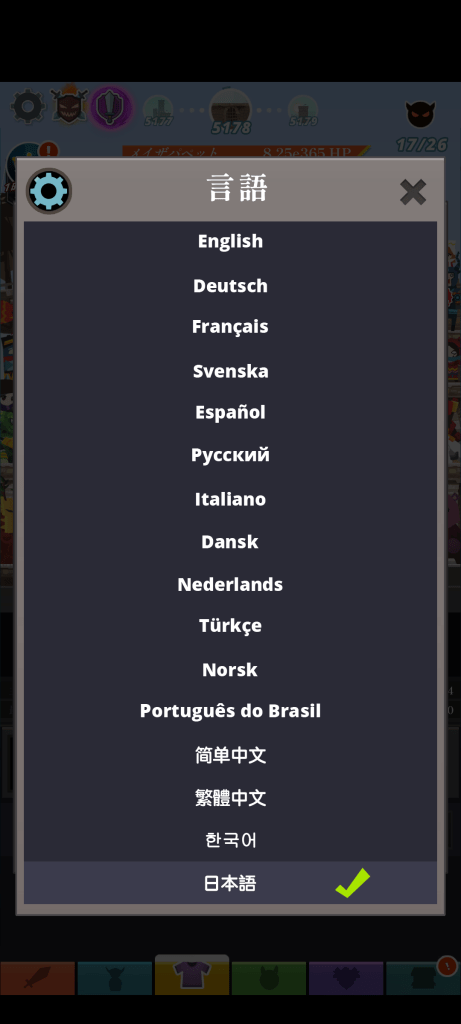
The language options can be set in seconds from the options menu and feature 16 different European and Asian languages.
Glossary
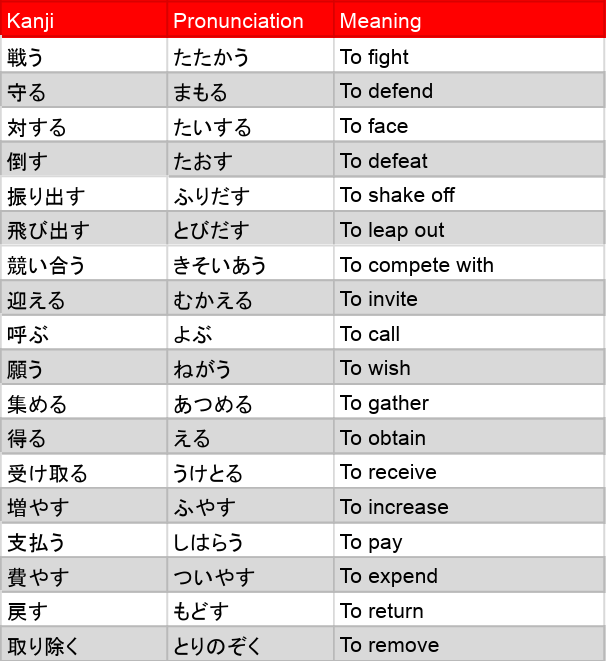
Usability
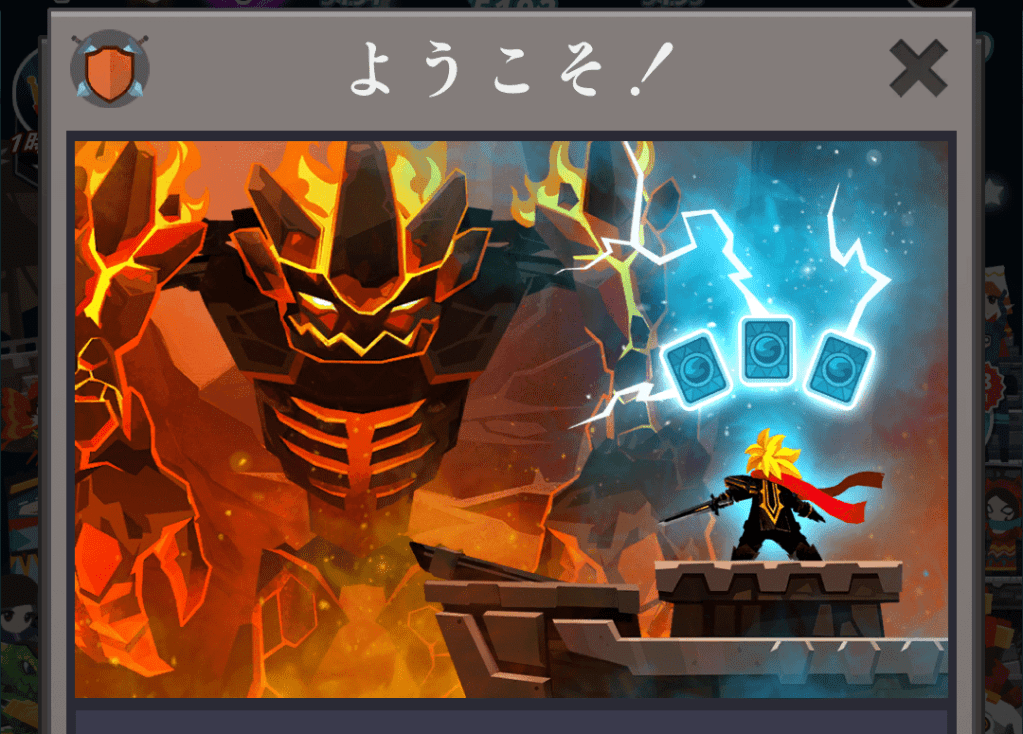
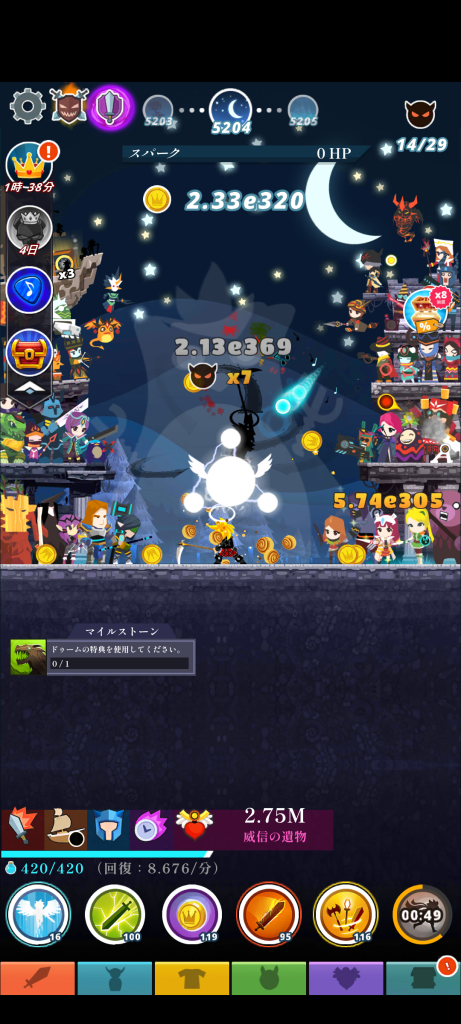
Tap Titans is a bit oxymoronic in a lot of ways. It’s very fast paced and frantic yet has simplistic gameplay, it’s very descriptive and lore-heavy and yet is visually minute and there is a lot of language to digest while most of it can be easily avoided if you’re not searching for it. The gameplay doesn’t require any depth of language knowledge in order to progress. The vast majority of what you’ll face as you play through the many levels is ever increasing numbers, and when you do come across prompts for how to progress further they are often simple text box prompts. You’ll often find that aspects such as skills and and levels are also written in katakana so, while useful, don’t provide as much traction in your learning for more advanced readers. With all that being the case, you’ll need to dig deeper and get into a mindset where you can avoid the call to tap away and focus on the more useful content.
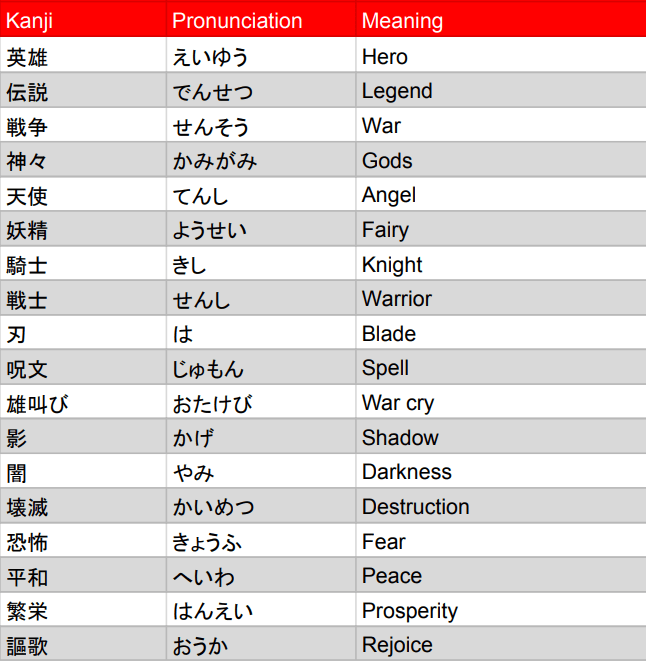
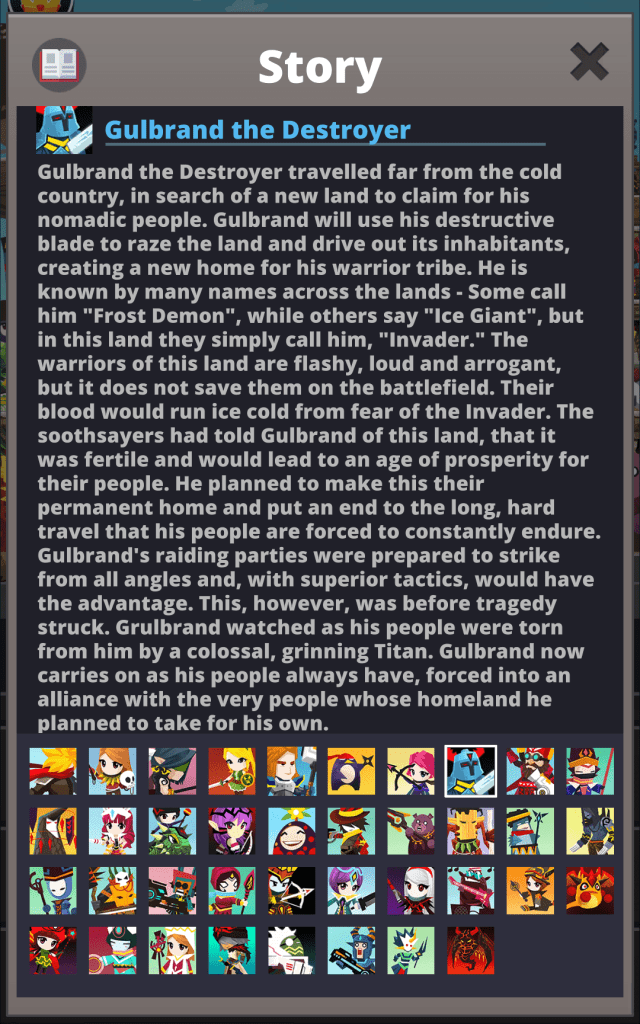
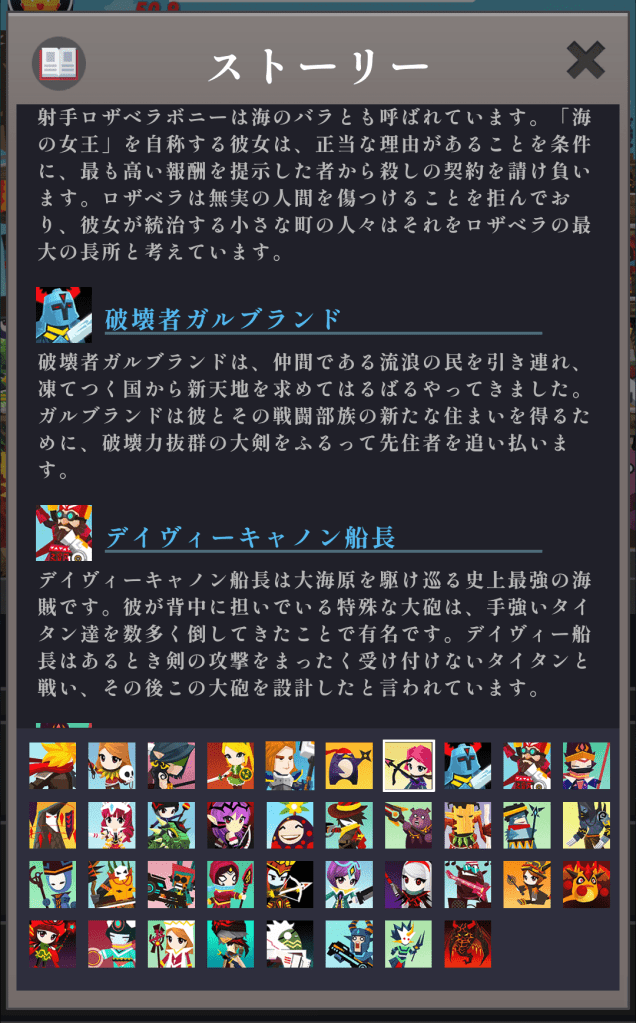
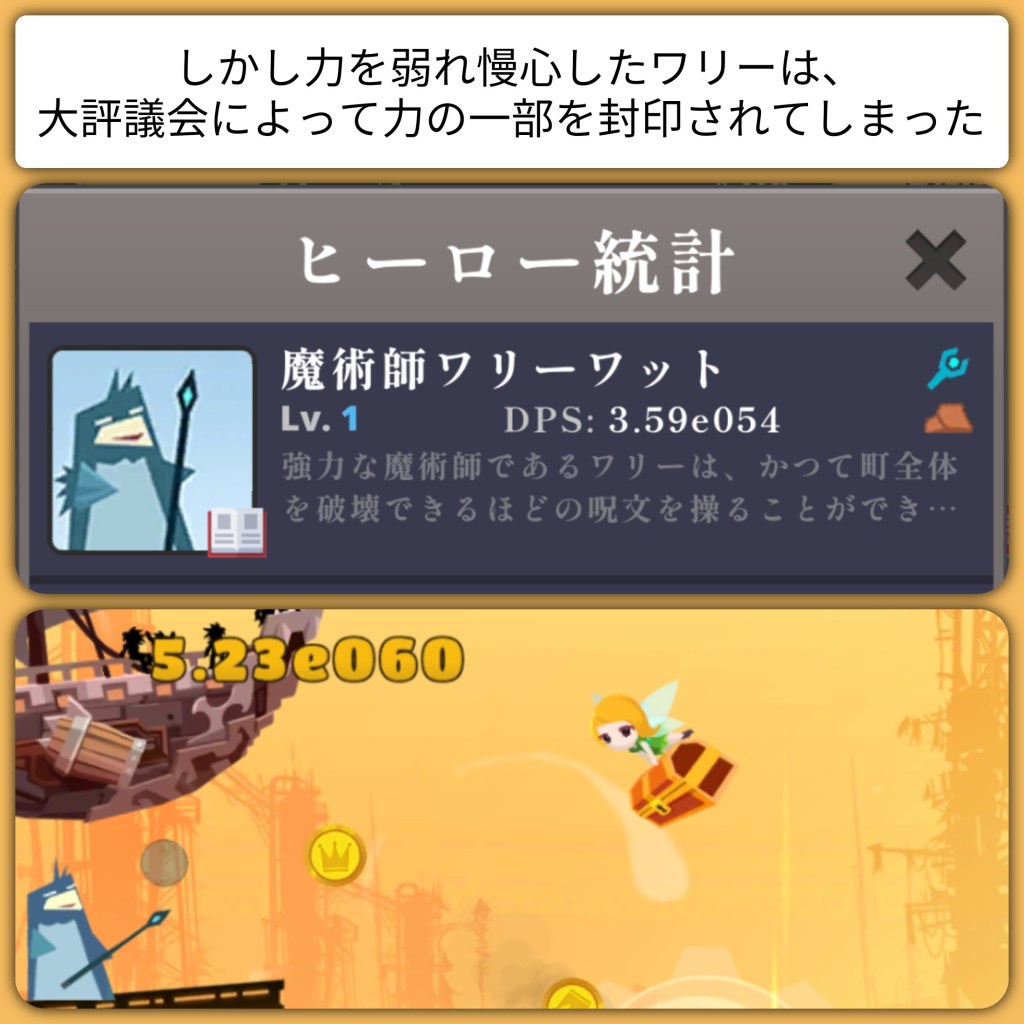
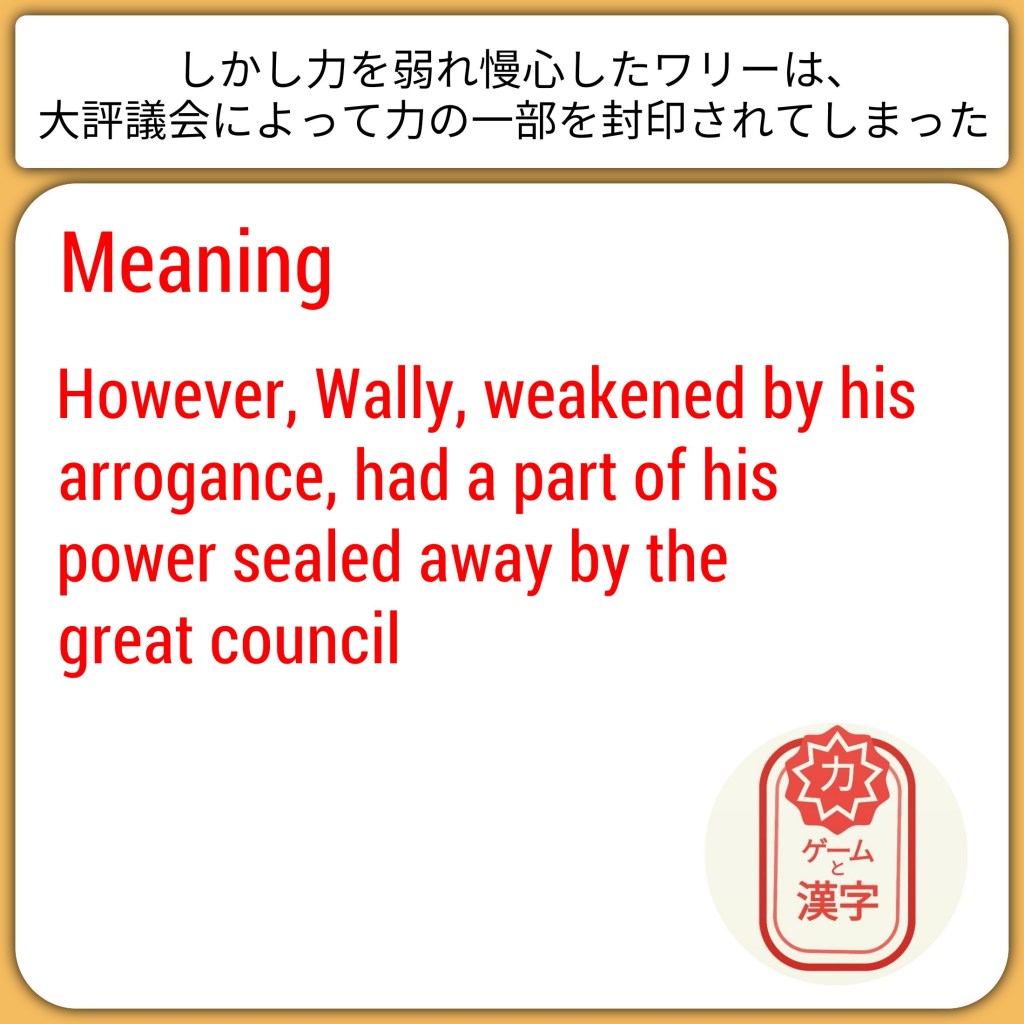
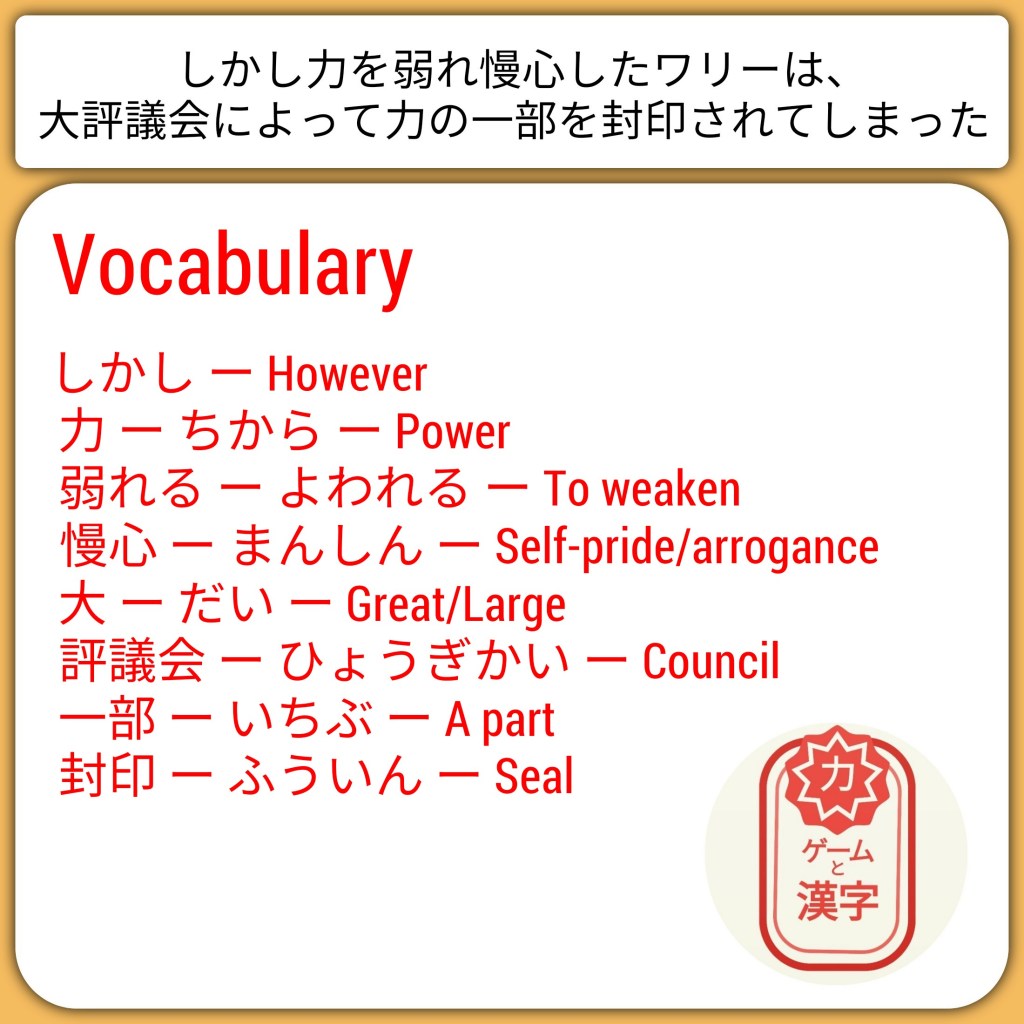
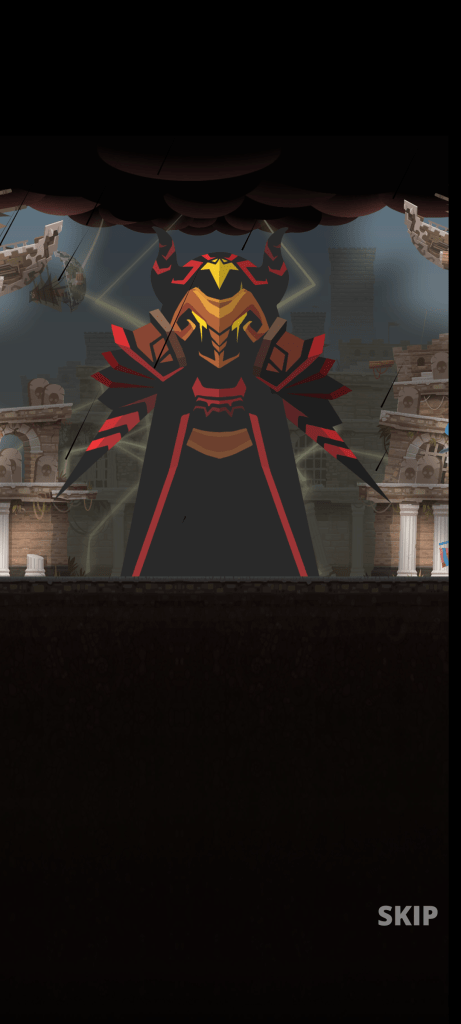
The first trove of vocabulary comes in the form of the protagonists backstory under the Stories section of the heroes tab. Here you can find a lengthy and novelistic take on the destruction that threatens the Tap Titans world and how your golden haired protagonist stands to overcome it. Each new hero you recruit means you’ll receive another story of their history and role in this war against the titans and these vary from reasonably stoic to slightly unusual (Ninja battle penguin anyone?). One thing I noticed while swapping between language options was that unfortunately a number of the selections, including Japanese, Chinese and Korean, are vastly shorter than their English counterpart. While the Japanese descriptions aren’t bad I felt slightly cheated that there could have been even more story to digest. What does remain is still engaging and poses the greatest difficulty for those who enjoy more elaborate reading so definitely check this out regularly. While in the heroes tab you can tap on any hero of your choosing to see a list of milestones including the effect at each step and an aptly named title relating to the fighting style or personality of each character. The consistent theme of these milestones helps you to learn related kanji and vocabulary in tandem, strengthening your understanding and memory. One rewarding aspect you can find in this is the humour in some of the titles. Humour and an overall understanding of the writers intention is a big step in language learning so any opportunity to find and understand comedy is doubly rewarding.
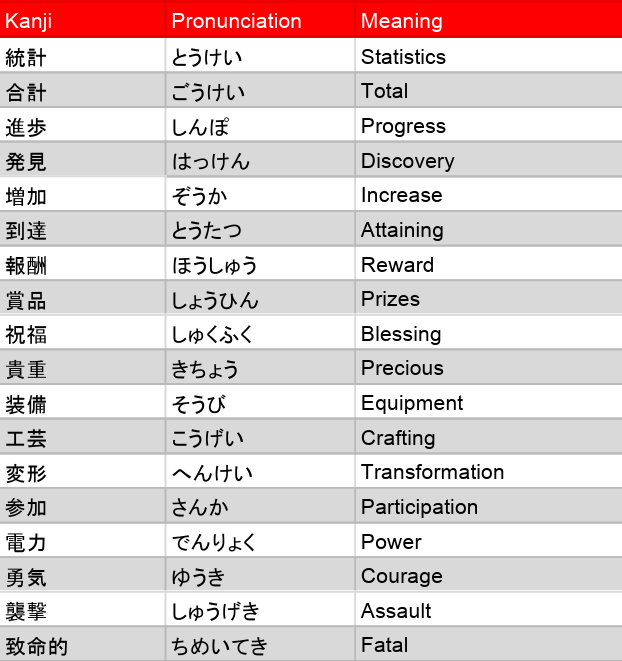
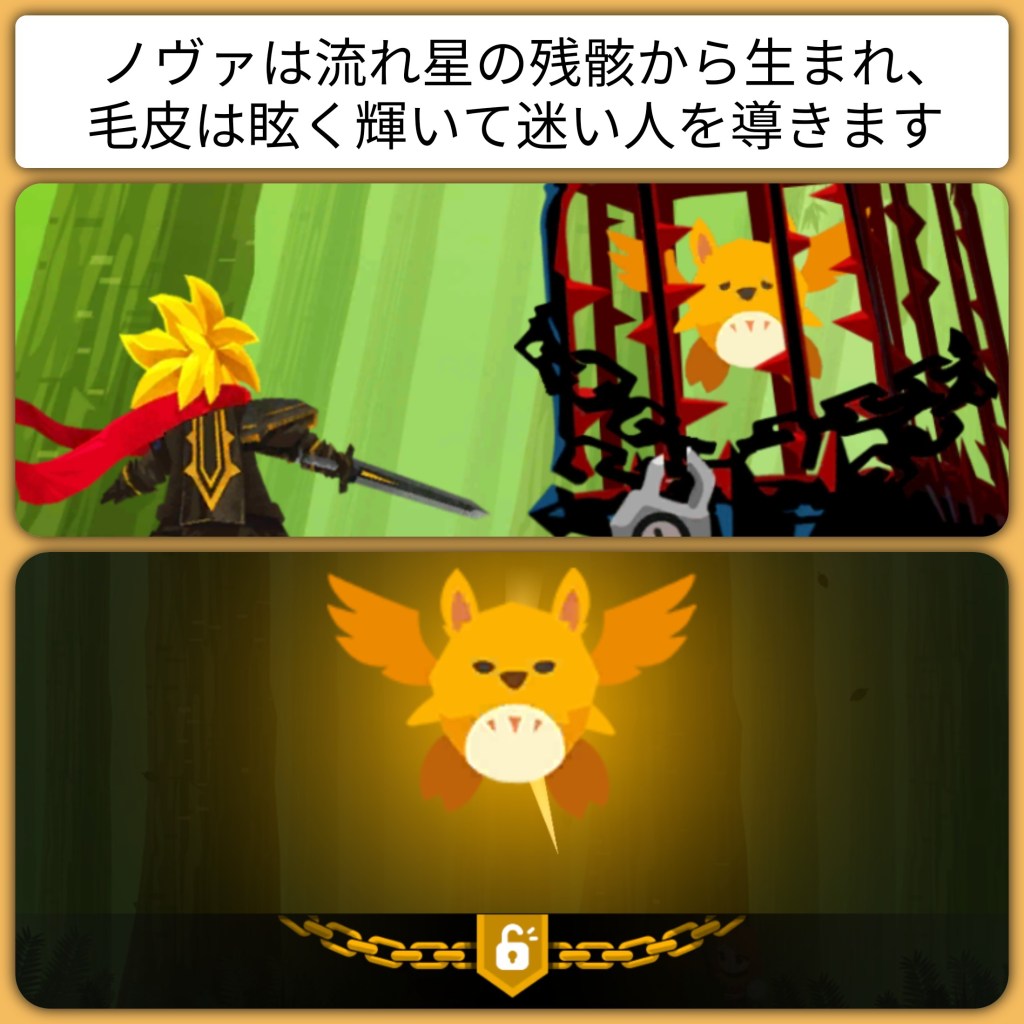
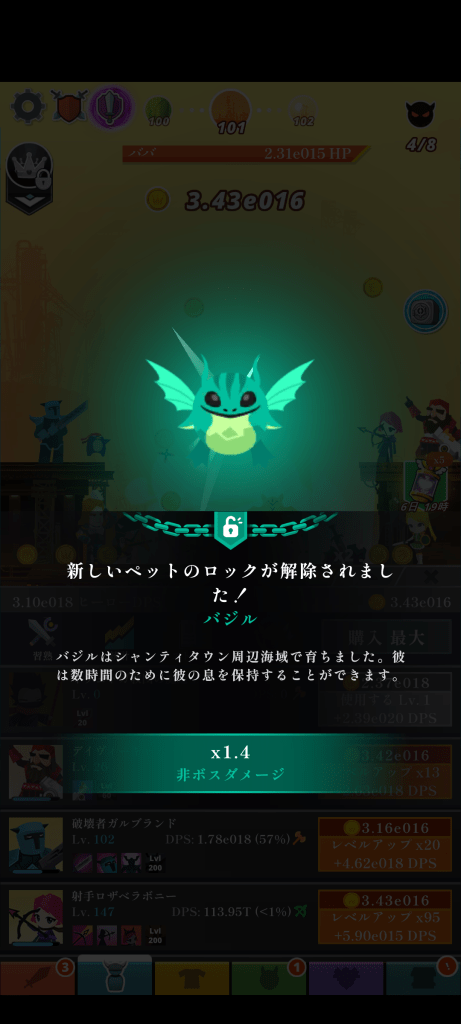
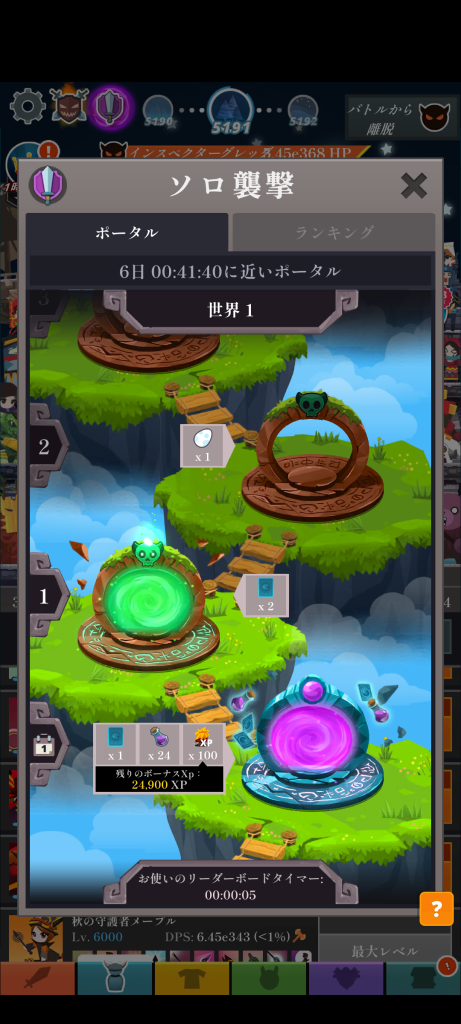
Your next best bits are the pets, skills and events sections. The pets are much like the heroes you unlock as they come with their own lore and effects. You won’t find as much text here however it still provides a variety and aspects that are genuinely interesting to read about. As there are two or more effects to each pet and there are around 20 pets total (or at least as far as I saw) you have an abundance of story-based and statistical language. The skills tab, including the skill tree, is much the same again but diluted further, utilising a good mixture of writing styles. There are only 6 protagonist skills so there’s no excuse not to read through and memorize all the words used. The skill tree is also effective as it makes you decipher each node to ensure you fully understand what each of your hard earned skill points are being spent on. The seasonal events and raids are quite frequent and introduce new themes and artworks to discover. The breakdown of each new objective and the rewards you stand to earn are typically similar but unique in their own right adding to your reading variety. Certain events and raids also come with a team text chat where real players can right and give you prompts to interact with.
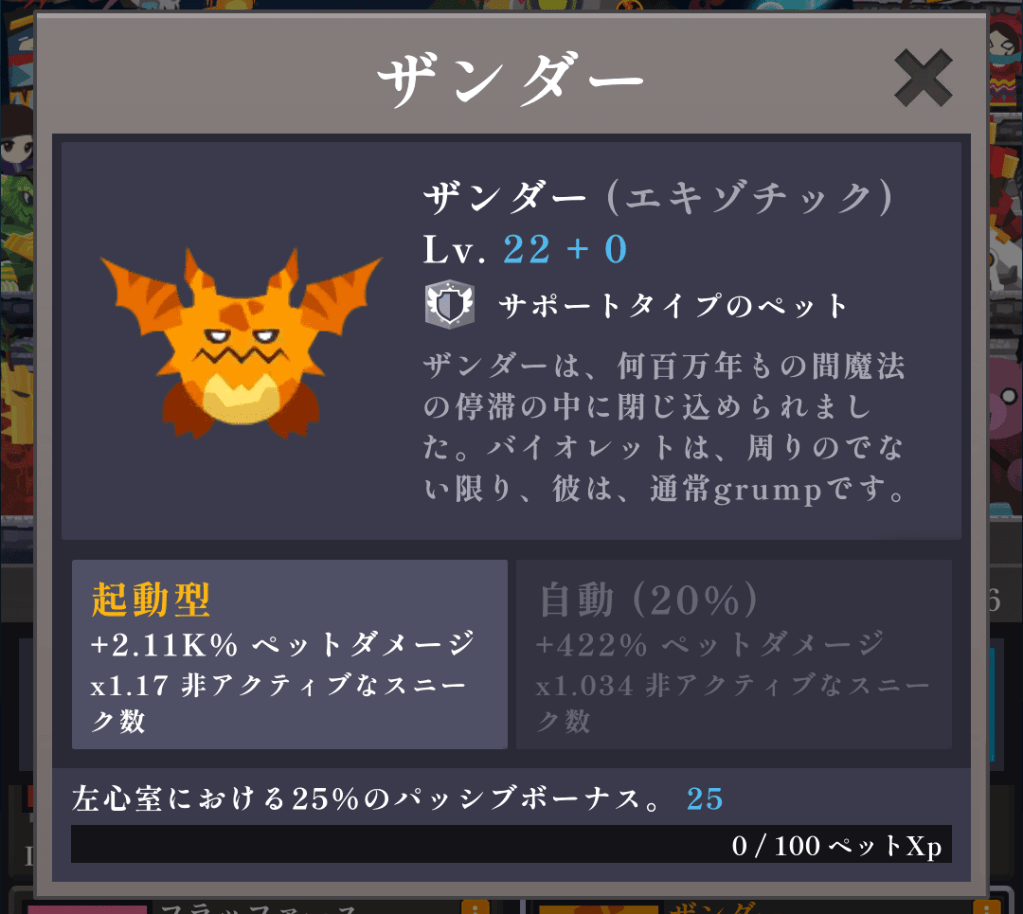
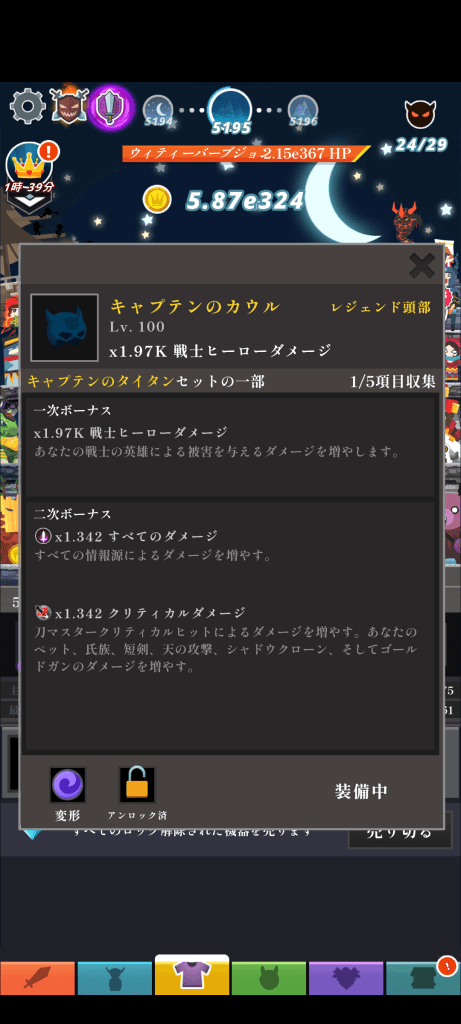
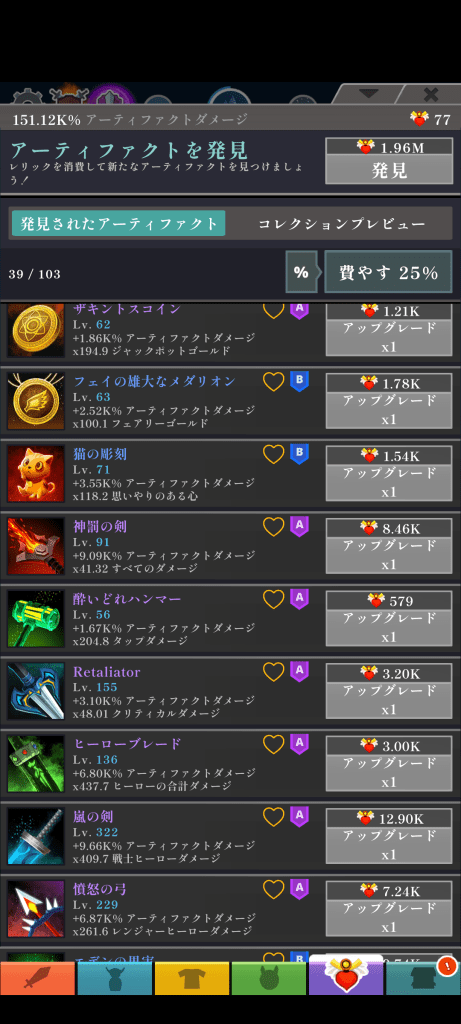
While there is a huge volume of text throughout all of Tap Titans 2 a huge proportion is statistical. I’m not down playing statistical text as it can be effective in many genres of games however for games such as RPGs it’s easier to correlate skill sets and percentage increases to how effectively you can kill certain enemies. When enemies are appearing every other second and you’re dealing with an endless stream of zeroes after every number it kinda detracts from engaging readable content. There are many more aspects to Tap Titans 2 that I’ve not touched on here as they mostly fall into this category such as the artefacts and raid cards. Some of you may still find benefit in there, especially in the early stages if this style of language is quite new for you, so please to consider reviewing everything.
Tap Titans falls into an unusual space when it comes to learning language. Your personality will be a major contributor to how effective this game is for you. On paper the volume and variety of text is brilliant but for me personally, as someone who hates wasted time, I found it harder to focus on the language as I wanted to ensure I was levelling up effectively. I found that the many notifications for levelling up or grabbing weapons would draw my attention and keep me from reading the text. If you are able to peel yourself away from this however it’s a game where you can read at your leisure and slowly earn and progress in the background. The language is quite high level, featuring many words I had never even seen or heard of before so perhaps one for those of you that want some higher level vocabulary. You may find yourself skimming over the vast majority but I’d be intrigued to see which camps each of you fall into. I’d say this is a game worth trying, especially getting to a point where you’ve unlocked all of the stories. After that it may not provide much further use.
Challenges and Methods
Who’s who
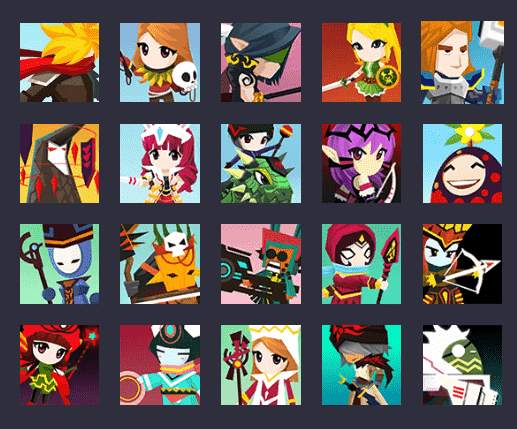
As the most fleshed out aspect of the whole game it’s no surprise that I’d recommend reading through the character stories. Some vocabulary exceeds N1 level and may be so obscure that I wouldn’t suggest committing it firmly to memory but I do recommend trying to read each characters story, perhaps refreshing after each new unlock.
Events and tutorials
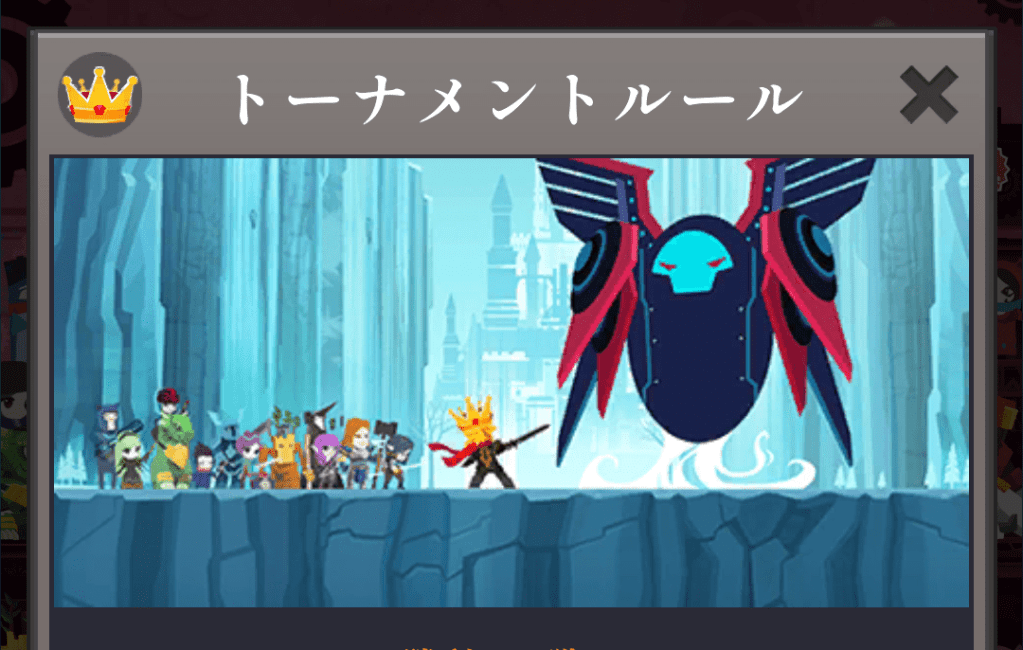
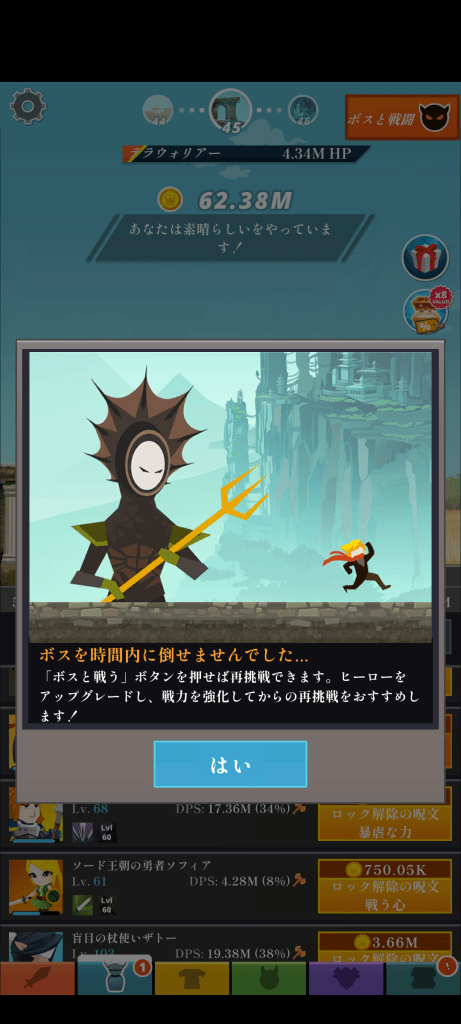
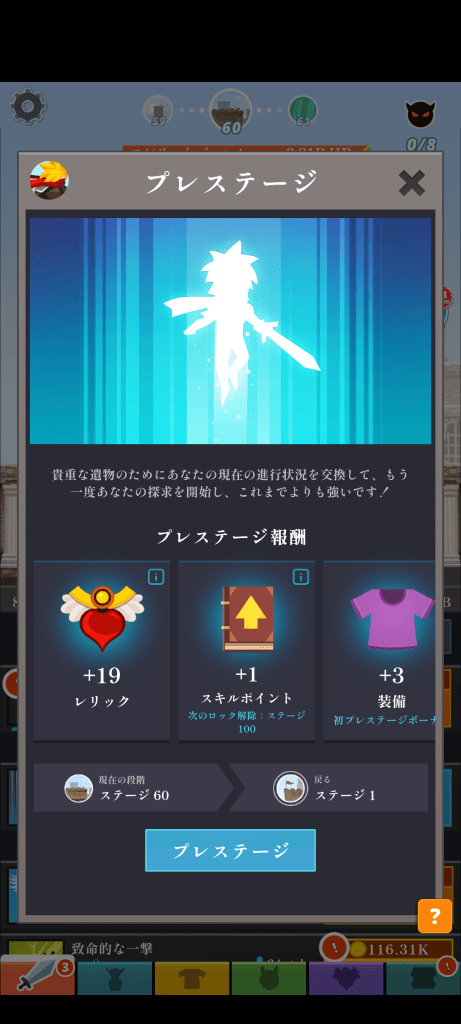
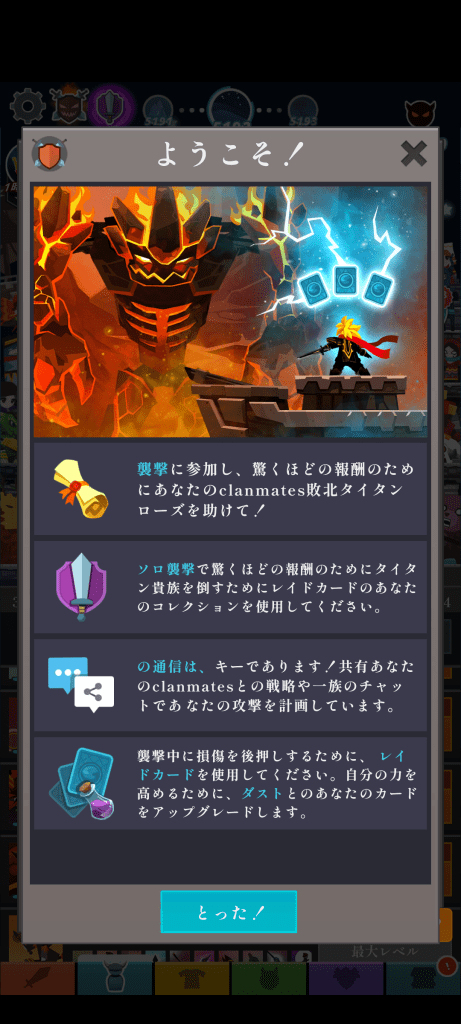
In the early stages of the game you get many prompts telling you how to level up, retry failed bosses, prestige and more. These will only appear once and, while the gameplay is easy to understand, it’s well worth taking the time to align your knowledge of the gameplay with the text your reading. As you enter the end game the same habits can be applied to pop ups for events and raids.

Previous Posts

Additional images
 Games & Kanji