The date is October 16th 2024. I’ve been learning Japanese, in one way or another, for over 8 years now and this time last week we flew back from Japan after our first ever visit. The past 4 weeks have been a bit of a rollercoaster ride of emotions but they have most definitely put a lot of things into perspective. As you likely all know, and as described in the counter blog to this 4 weeks ago, my passion for Japanese has run strong for around a quarter of my life. I have always loved the Japanese culture and language but rest assured, now I’m obsessed.
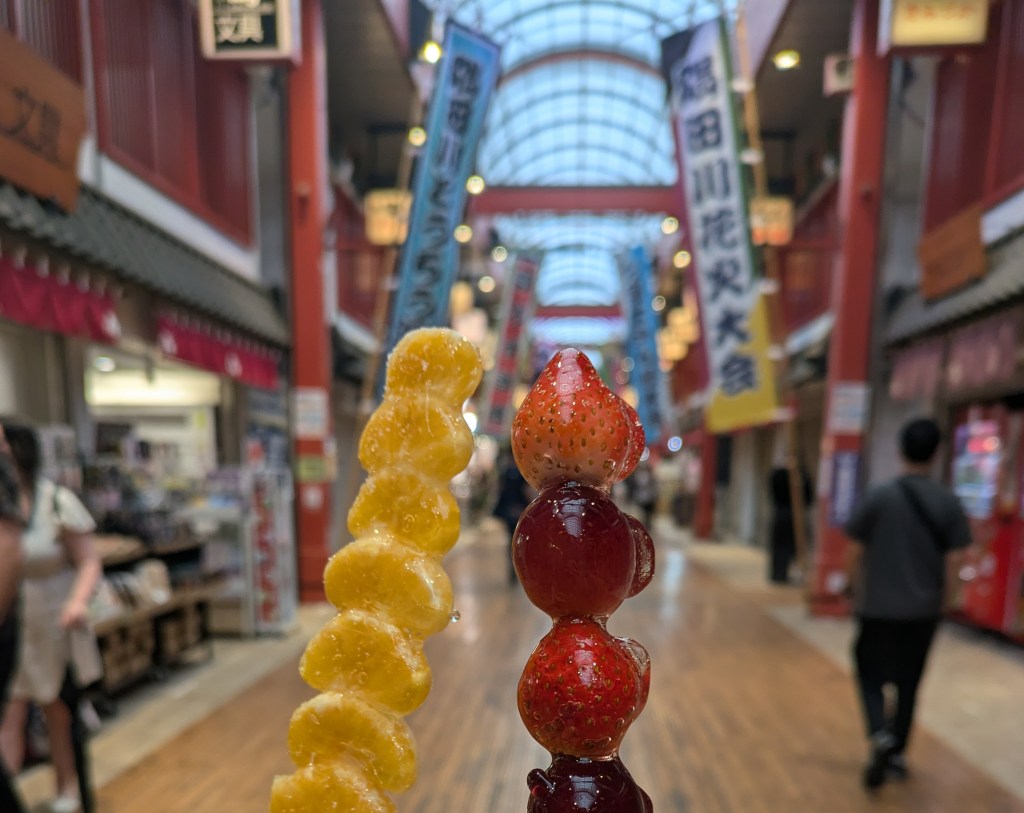
I will try with every aspect of my being to ensure this isn’t just a platform for me to gush about how great I thought the whole trip was (Although I easily could…) and instead want to talk through how the experience either justified or highlighted strengths and weaknesses in what I do for my own studies and the methods I recommend to others. There were certainly a lot of heart-warming and rewarding moments where all of the study paid off and I had a jolly conversation with a pleasantly surprised local, but there were also times where I was genuinely stumped, not only at my lack of knowledge but also how I hadn’t considered certain day to day requirements. This is where I hope my newly enlightened, first hand experience could save some trouble for those of you hoping to venture across to Japan.
First and foremost, the typical travel phrases that you find in every “Visiting Japan” handbook or “things to know” YouTube series are genuine. It can seem a bit tedious and repetitive to hear the same, seemingly clunky phrases repeated as low hanging fruit on every content creators videos but the truth of the matter is they are there for a reason. Wherever you may go in the world it will always be useful to know the basics. Being able to say thank you (You’ll say that 100 times a day), ask for the bill or ask for help if you’re lost. It’s very rare that you will need to ask for directions, especially in the advent of modern technology and also because many signs are also written in English, however it is always handy to know for more specific adventures, such as particular shops within malls or stations. The verticality of the bigger cities was definitely unexpected. I’d seen memes about the behemoth tower blocks that contain 50+ stores but until we had tried to find a specific shop that was in one I didn’t realise that you couldn’t just maps every location on your itinerary. Some streets had 8-19 story tower blocks lined up for blocks on end and yet still has cutesy little basement and alley side stores hidden in every cove. The locals are quiet but they certainly won’t shirk you off if you did need to stop them and ask for directions when you’re nearby.
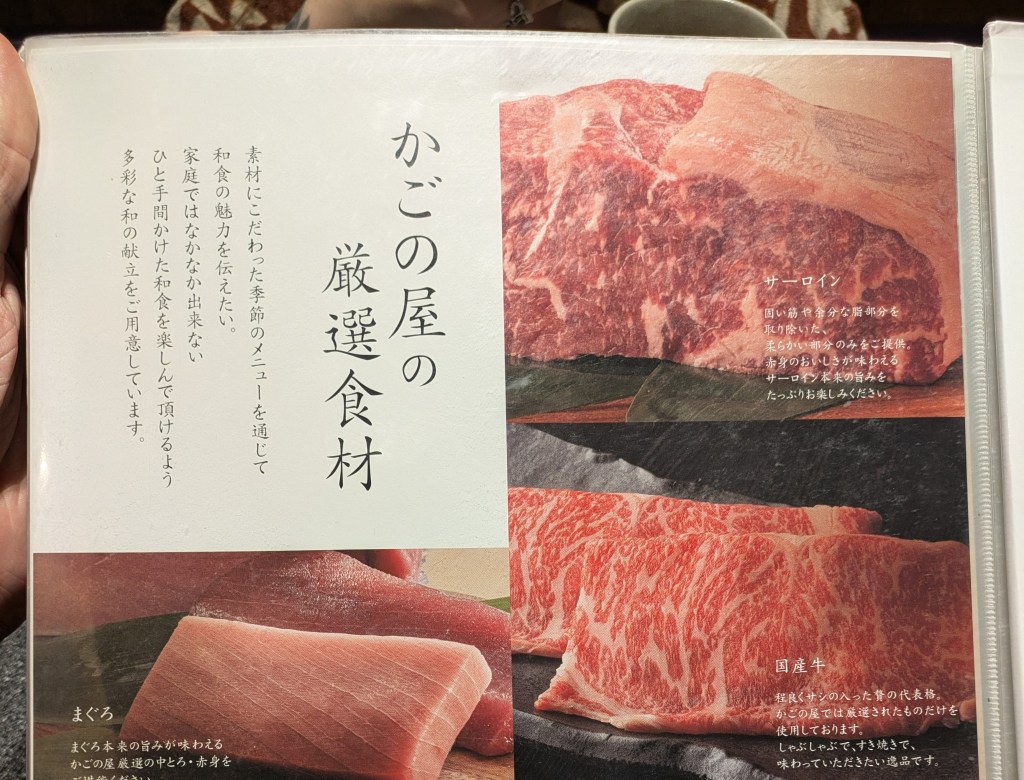
Surprise number 2 was the menus. Imagine my face as we sat down to breakfast on the first morning, we enter the lovely hotel restaurant and I sit with brazen confidence, speaking politely to the server. She then pops a beautiful Japanese menu down in front of me and I can barely read a word of it. This is a slight exaggeration. Depending on the restaurant you are in the menus can be quite clear and offer some well known common dishes. In some cases however you may receive a menu written in more calligraphic font or even handwritten and the difficulty spikes. It will always be okay as you get by with pointing and saying これとこれと…, however for those of you that do want to ensure you are speaking and optimising your time on your trip, menus are likely something you hadn’t previously considered (I know I hadn’t).
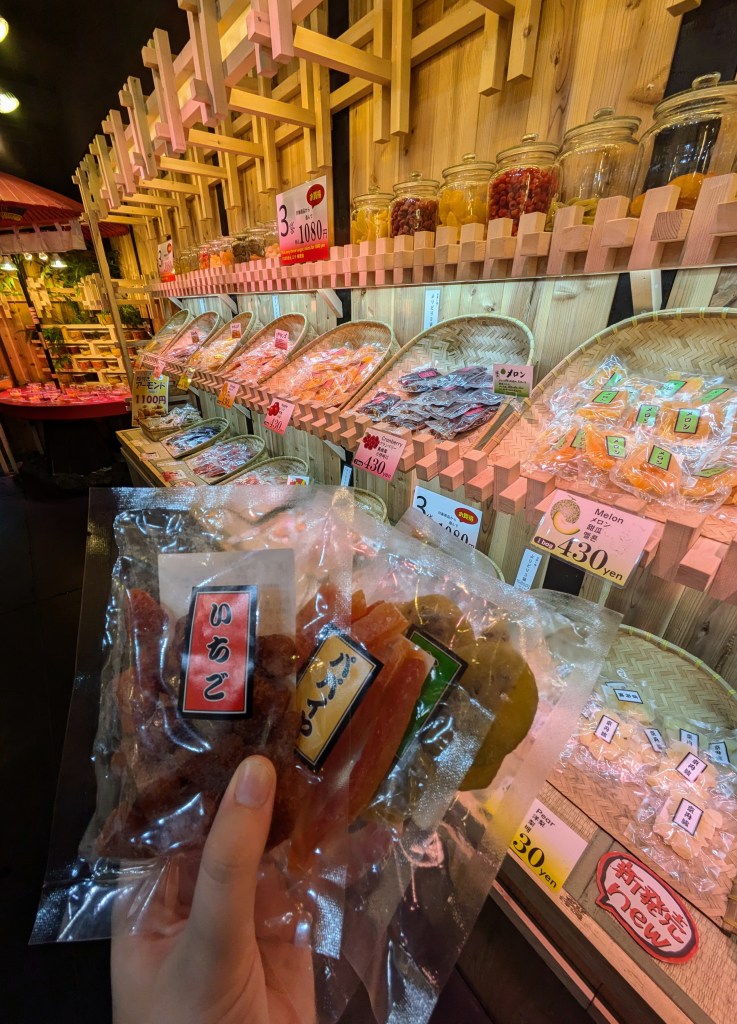
The ordering itself and useful phrases are frequently covered in lessons and textbooks, but you may find that meal names are often very colloquial or feature a selection of words rarely seen elsewhere. My big tip for this is simply to accept defeat and ask your server how to read the name of a dish. Simply saying “この料理の名前は何と言いますか?” will swiftly get the reading that you need but may also open up more opportunities to ask further questions. The same goes for other words found in the wild. If in a store and you’re unsure of what something says, simply ask. Staff will never be rude to you and more often than not they’ll be impressed that you are trying your best to learn more about the language.
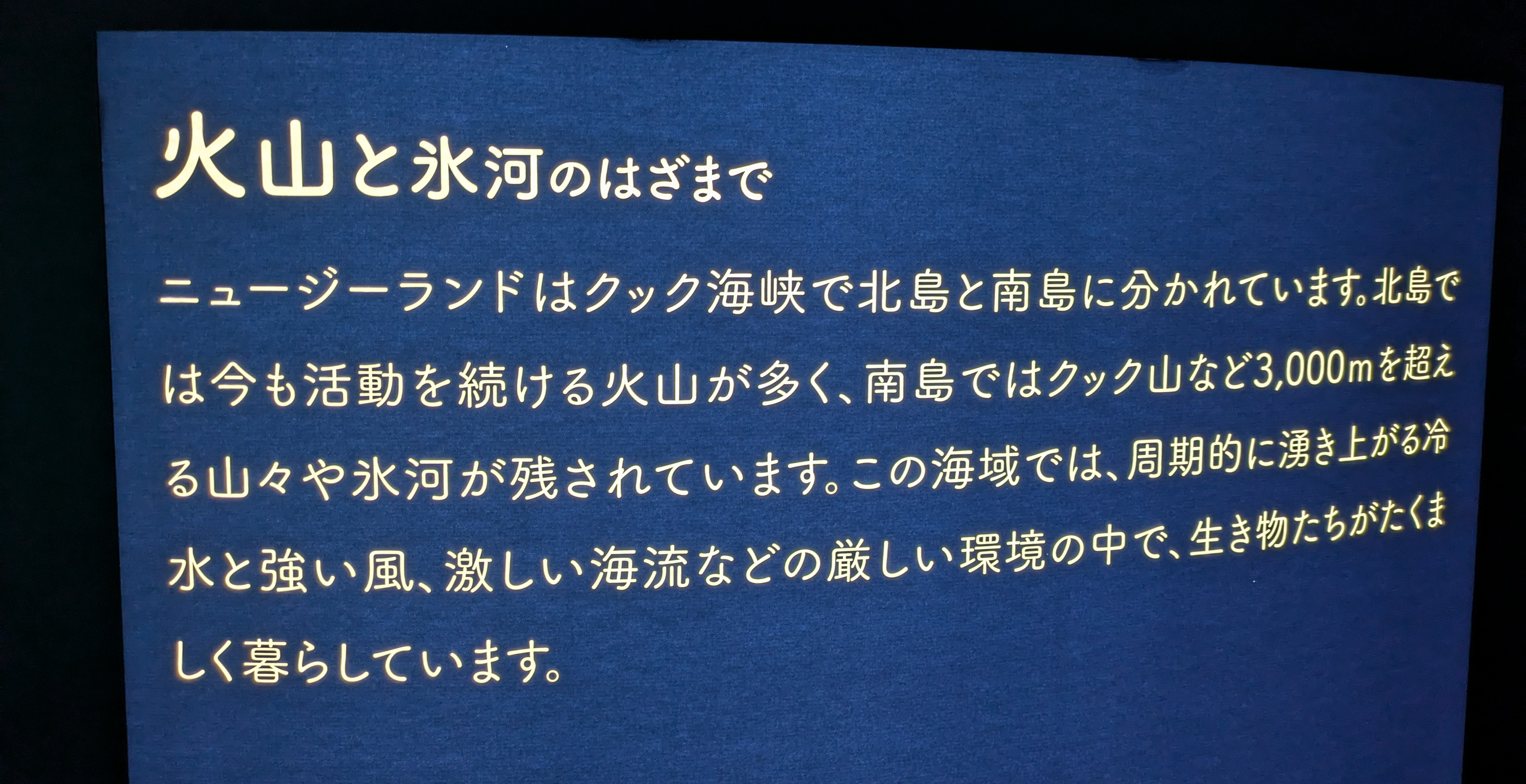
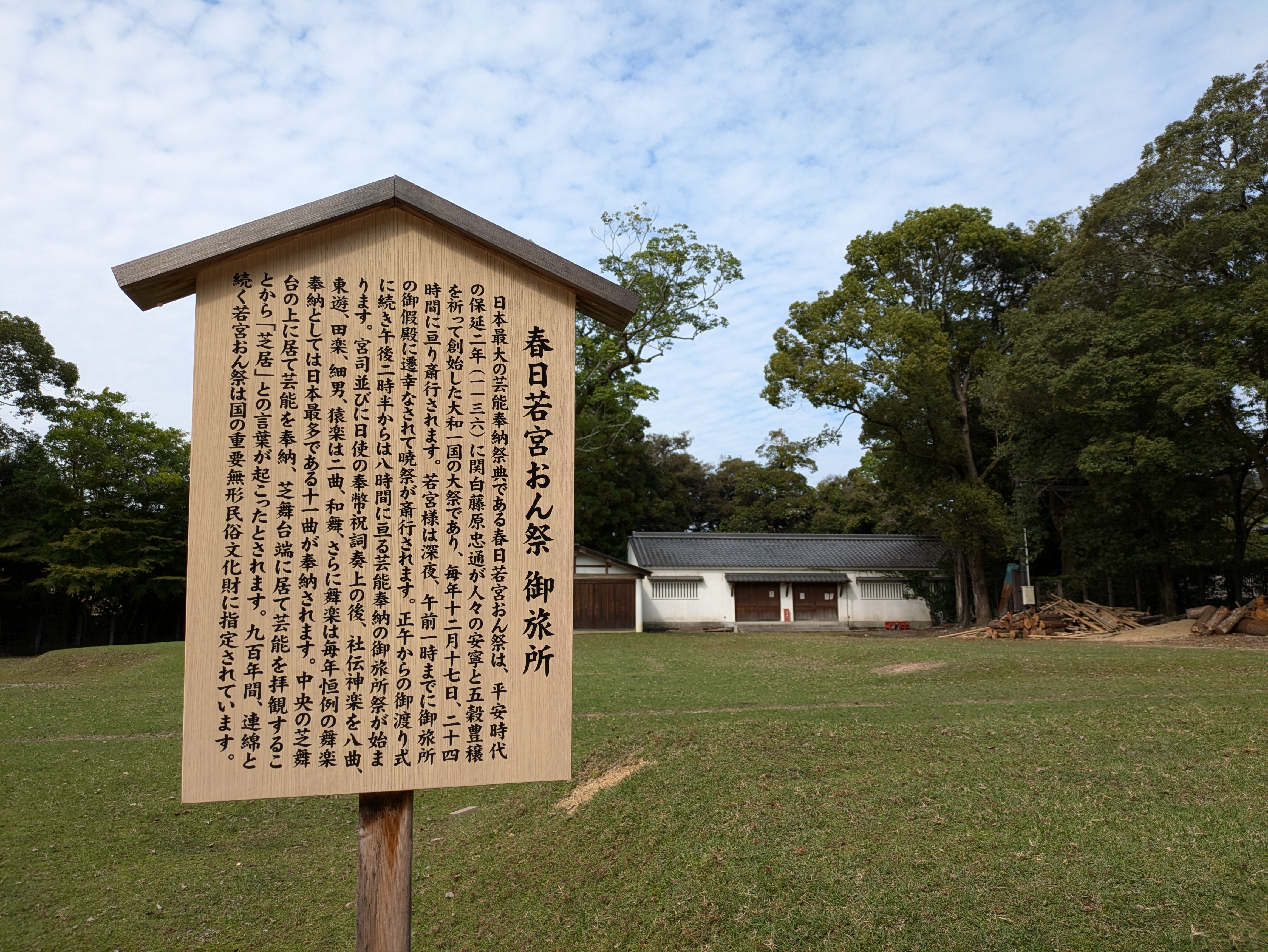
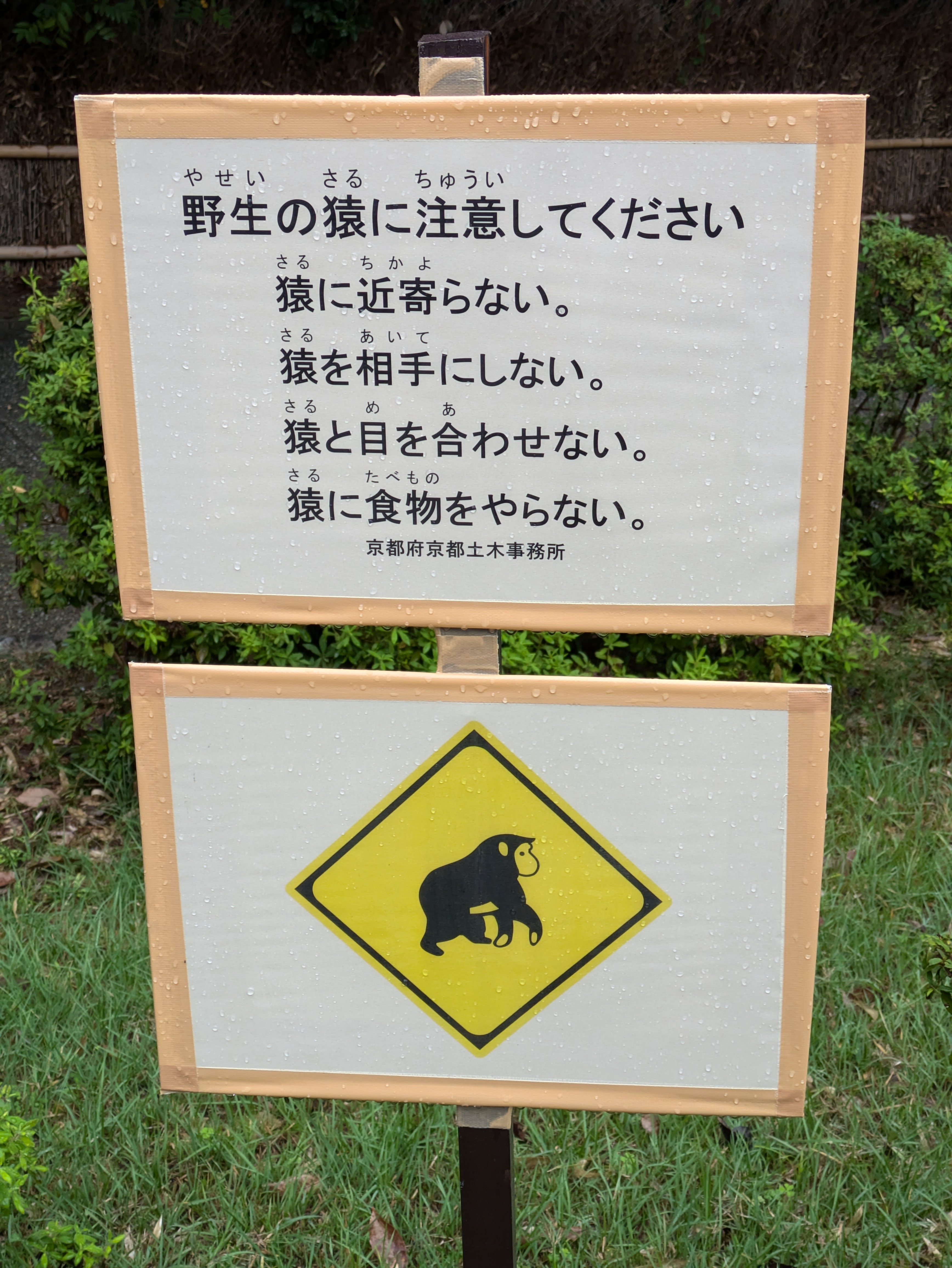
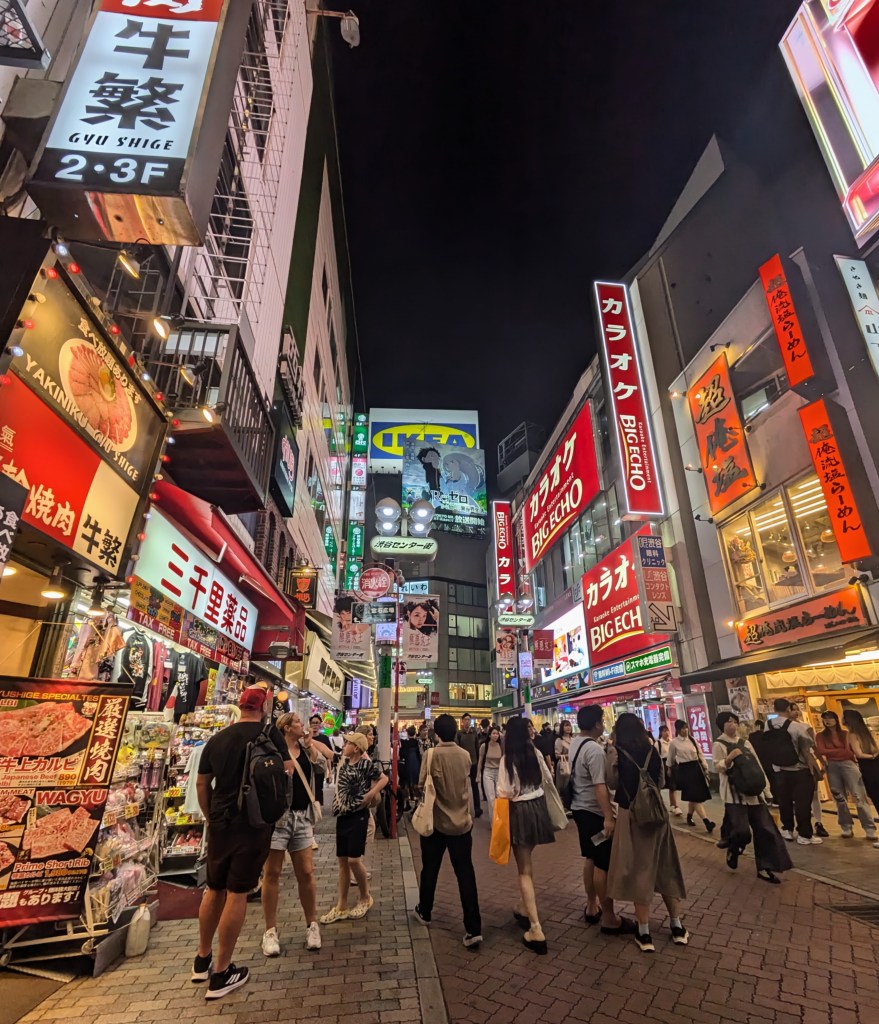
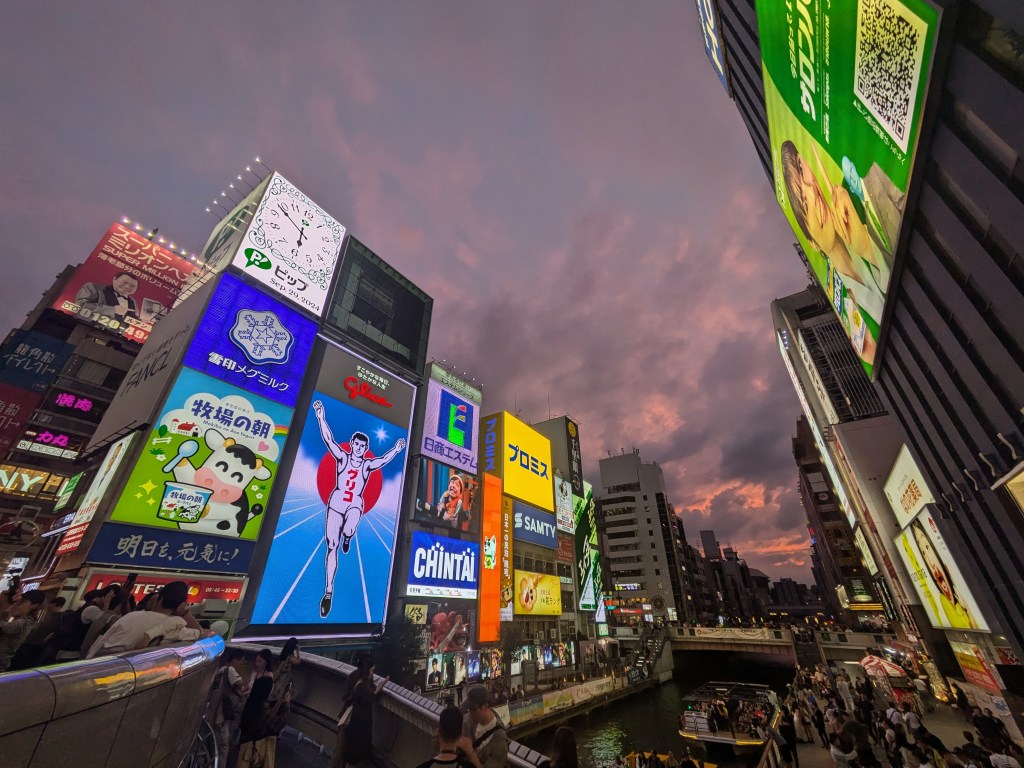
Basics aside, my instant focus from the moment I stepped off the plane was seeing as much Japanese out in the wild as possible. One fear I have always had is around ensuring that my language is as true to natural speech as possible, and while you can get this verified by a native speaker, there is always some doubt that perhaps what you’ve learnt isn’t how a typical Japanese speaker would read or respond to something. When you’re in Japan and you see it everywhere, you know for a fact that there is no ambiguity or mistranslations and everything you are seeing has been made for the Japanese public by the Japanese public. I was engrossed with every subway ride, reading all of the advertisements and warnings, soaking in all of the street signs, passing conversations, day-time TV and more. Use this time to immerse yourself in the language and have full faith that it’s straight from the horses mouth. This is especially true for any activities you do, such as museums, zoos, theme parks and more. Signs can be found everywhere, and the wider the variety of topics you read up on the more rounded and effective your Japanese will become.

Next on my agenda was “What content can I find in Japanese?”. The answer was a lot. At the time of writing this, Japan is in a weird dichotomy of popularity and economic affordability. This means that, while the flights and accommodation are expensive, goods and products are actually remarkably affordable. This rings true for my biggest passion projects, books and games. Every corner of every city has book and games shops and the prices are enough to make you shed tears of joy. I’m currently based in the UK and purchasing anything imported from Japan can garner hefty import costs. As such a game costing £10 here could easily be £50 if you’re looking to buy a Japanese version. I’ve got a bit of a collection so far from my shopping sprees and it’s cost me a pretty penny. Buying them direct from the source is night and day. I bought games I would expect to be £60 if imported for £2.50 (That’s not a joke, the shop shown in the picture above had floor to ceiling bookcases on every topic and a games section with Switch, PS5 and Xbox One titles for ridiculously low prices).
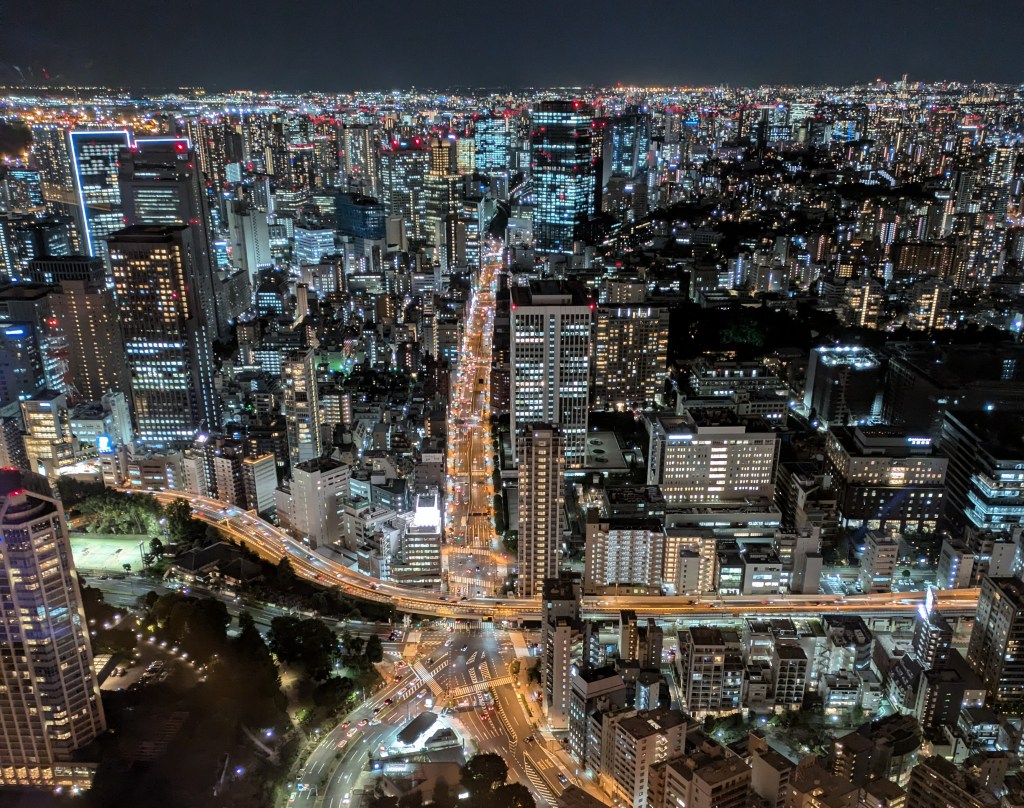
As a business venture and extended study session, Japan was second to nothing I’ve experience before. As a holiday in its own right it ticked every box too. As stated in my previous post, Japan is often a once in a lifetime trip for many people (Even outside of those that love the language and culture beforehand) and yet it still surpassed everything I had heard or seen beforehand. The phenomenal views and tranquil way of life inspire me to work harder than ever before to ensure I can do it all again. It inspires me even more to help those of you out there that want to visit achieve your goals and make the most of your trip. Never have I been so sure that I’m doing the right thing and for the right reasons as I am now.
Without being too soppy, this was so much more than a holiday for me and, I know from the experiences that have been shared with me, for many of you the intention is to live or work in Japan too. I cannot recommend it enough and look forward to seeing you there next time!
Additional pictures
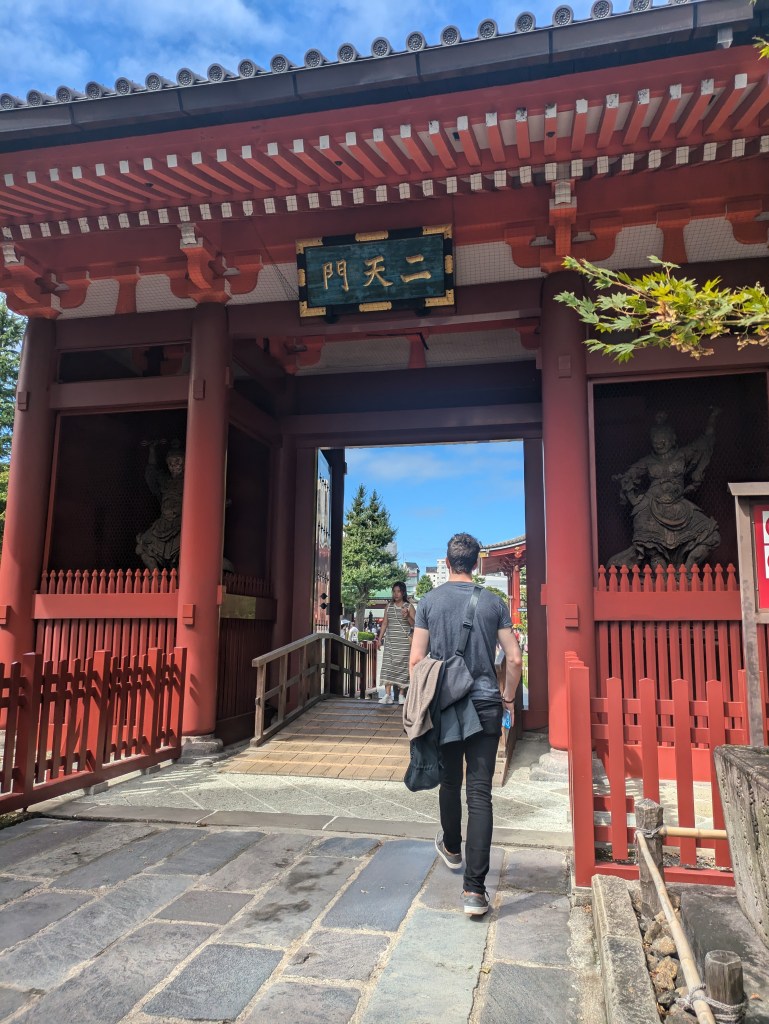

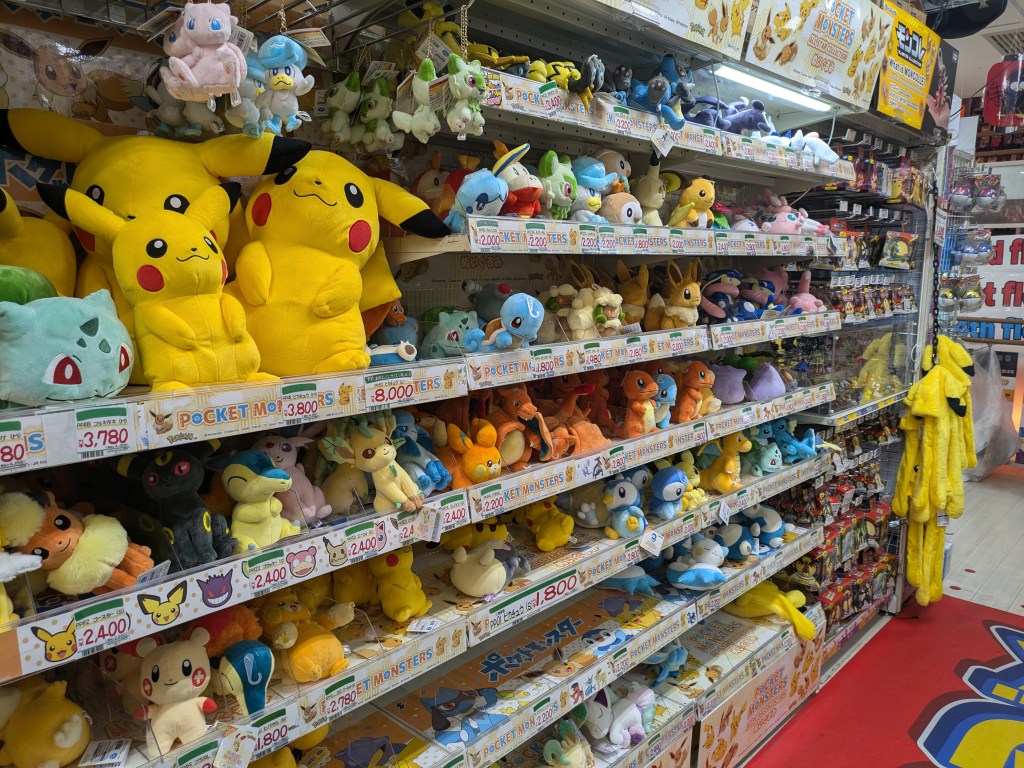



 Games & Kanji