
As far as anime and cartoon characters go Retusko from Aggretsuko sums up the office frustrations of daily life pretty well, and while not all of us have an alleviating hobby of screaming death metal in karaoke booths, it still makes the show an entertaining and memorable watch. In today’s day and age I think we have a match 3 style game for every intellectual property created however I figured that, with Aggretsuko being a Japanese staple and other games for it not existing, it may be worth a play to keep the genres fresh. What is especially pleasant in this case though is how true to form and feel the game is when compared to the show. A lot of detail has gone in to include nuances and references to the show, as well as colour palettes and even watchable mini-clips. If you’re not already an Aggretsuko fan then this one might just tip you into the fray. Grab your microphones everybody.

Platform and Languages
Aggretsuko match 3 is a mobile exclusive and can be downloaded free of charge. Micro-transactions are a standard as per the norm but again they won’t add any additional readable content and don’t really speed up access to more content either. Just download for free and enjoy.
The language selections are reasonable, around 10 languages including English and Japanese. In order to change the language you’ll need to open the side bar menu and enter the 2nd “settings” tab. You can only change the language from here and not in game unfortunately. This isn’t too detrimental as the gameplay is not especially word heavy.
Glossary
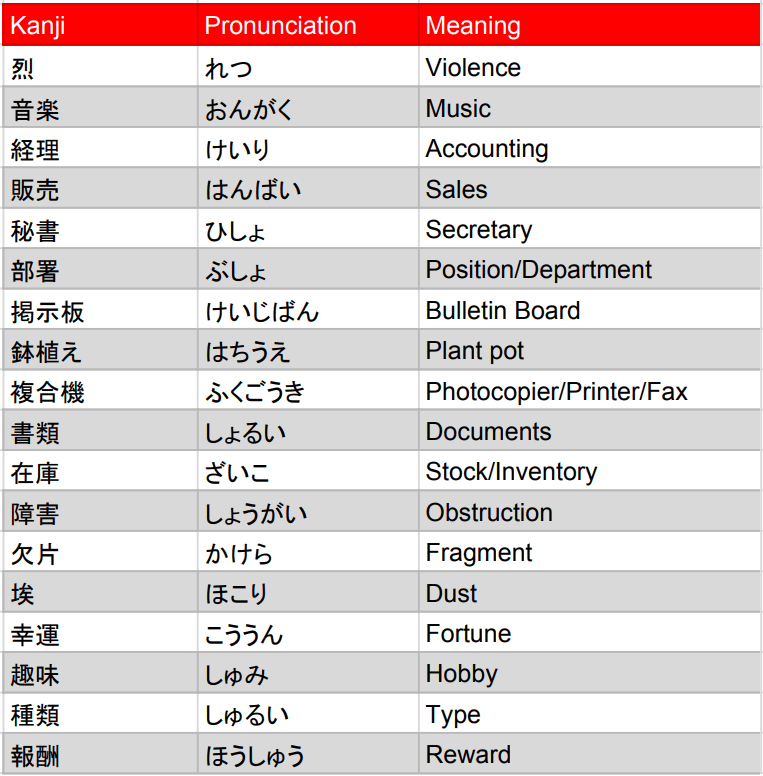
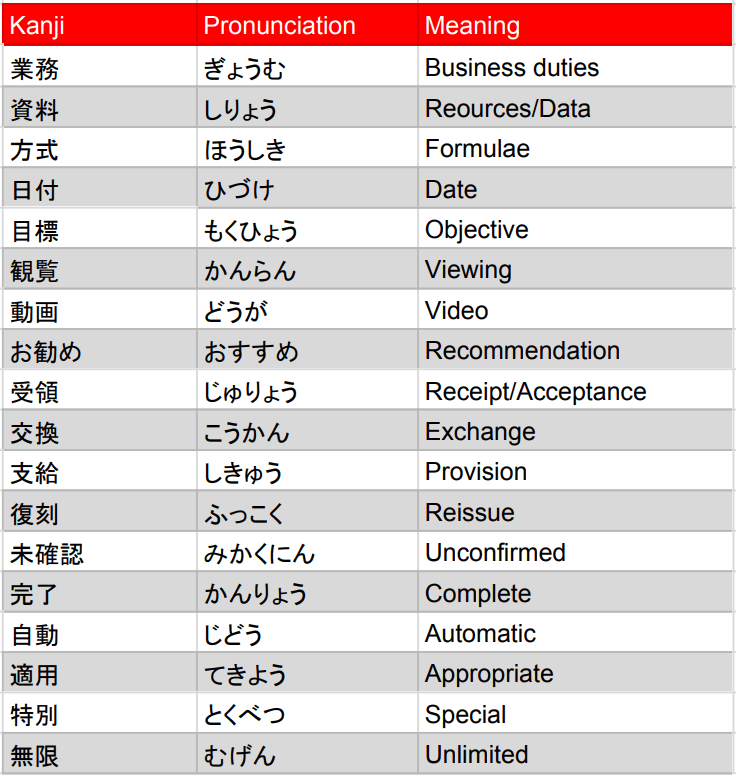
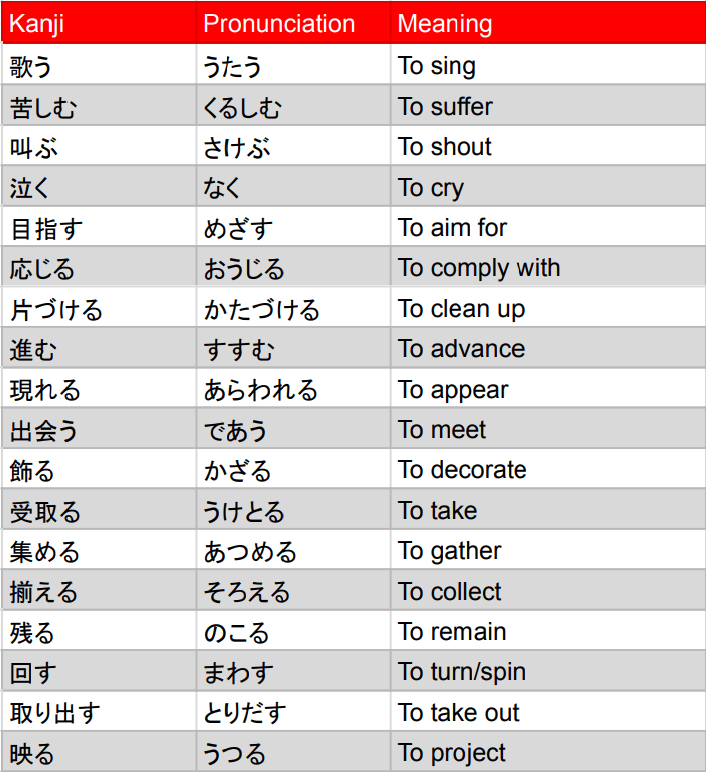
Usability
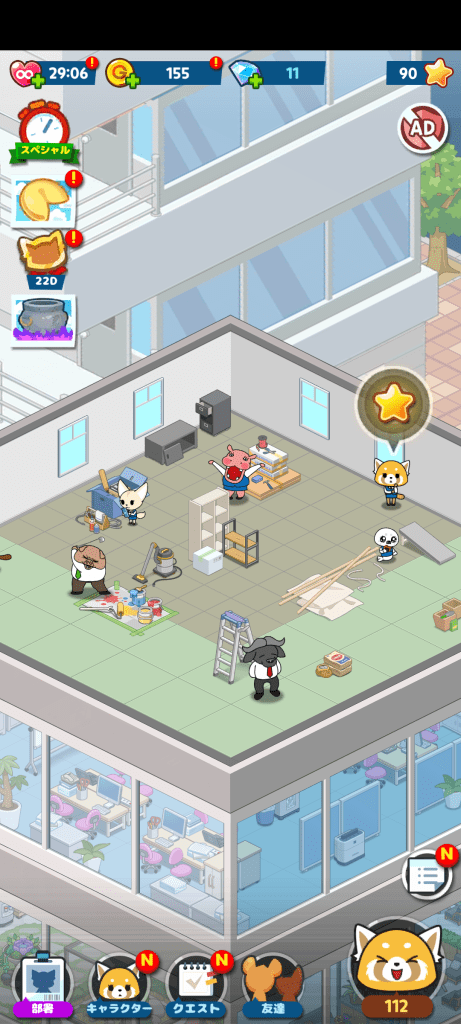
Everybody loves puzzles. Possibly a broad and not true statement but let’s go with it. You’re likely familiar enough with the concept of Candy Crush’s often emulated puzzle format meaning you can expect that little to no text will show while you’re actually playing the stages throughout this game. So with that we’ll move on to what the game does have to offer. Aggretusko match 3 is not overflowing with text but there is a sizable and useful quantity if you know where to look. From the initial menu/office over view screen you’ll see a variety of familiar characters from the show and a few buttons around the edge.
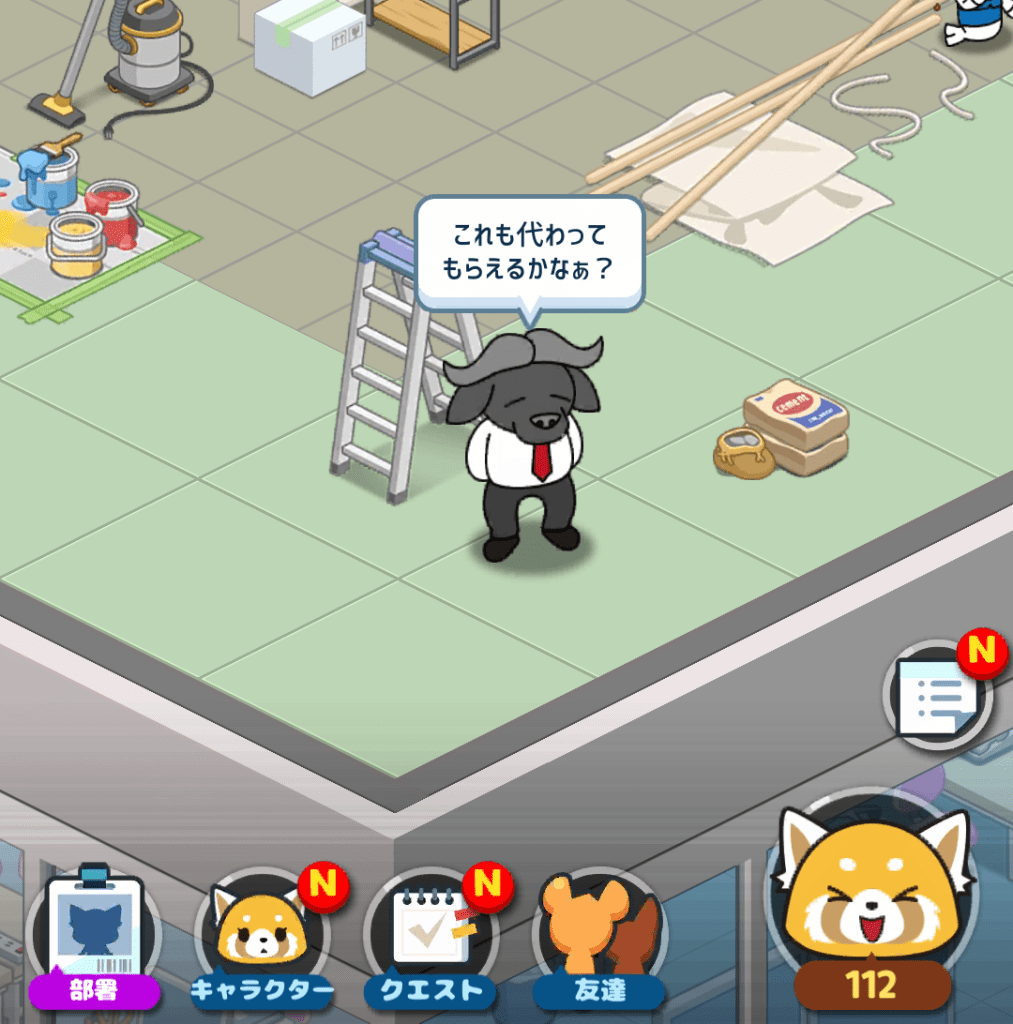
Firstly, and quite amusingly, simply by tapping on each character you see you can get a brief but fleeting little speech bubble. These often relate to that characters personality or the activity they’re doing so adds handy context clues for you to understand better. A double edged sword to these speech bubbles is that they change every time you tap, which is handy for variety and mitigating boredom but not as handy if you’d like to recheck any words you’ve found as you may need to cycle through until it returns. Aside from the anime clips, which we’ll get onto shortly, this is essentially the only dialogue aspect of the entire game which is a little odd considering how talkative the show is as a whole. This isn’t to take away from the remaining features, just an interesting observation, as you’ll notice the remainder of the game is made up of instructive or descriptive written language.
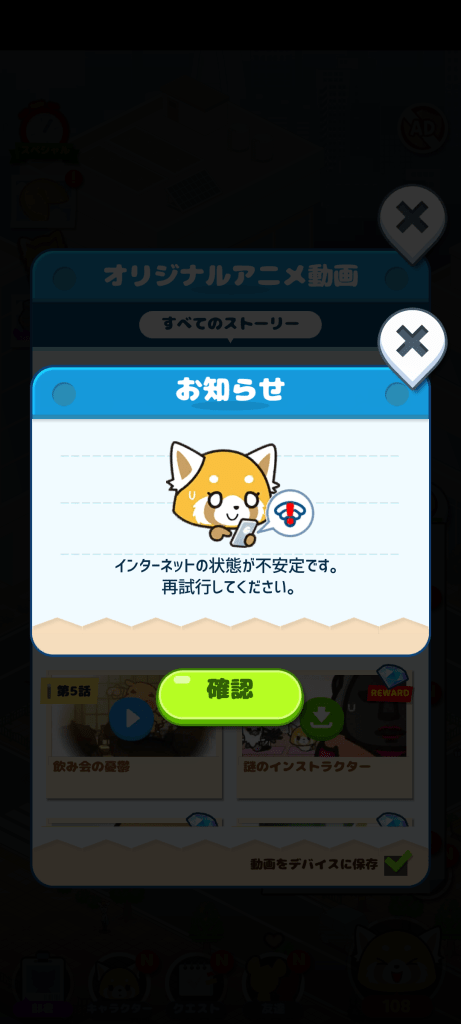
We’ll look at the anime clips next, as they are not only a highlight but the most relevant to Retsuko and the show. For every 10 stages you clear you’ll be rewarded with a anime short. These shorts are all from a previously aired min series of 100 stories and are less than 2 minutes long in most cases. While they are reminiscent of episodes of the show you might have seen they play like little easter eggs and funny scenarios and very much encourage you to unlock more. These clips supply the only spoken dialogue so can help you with your listening skills. You may notice that there are no subtitles (except during Retsuko’s famous growls) which again could be seen as a bad thing, however due to how short these clips are it can actually be a benefit. You can play a clip repeatedly and test yourself to pick up and recognise the vocabulary. If this isn’t to your liking there are alternatives however as all of the shorts can be watched outside of the game and with subtitles at this link: Aggressive Retsuko shorts

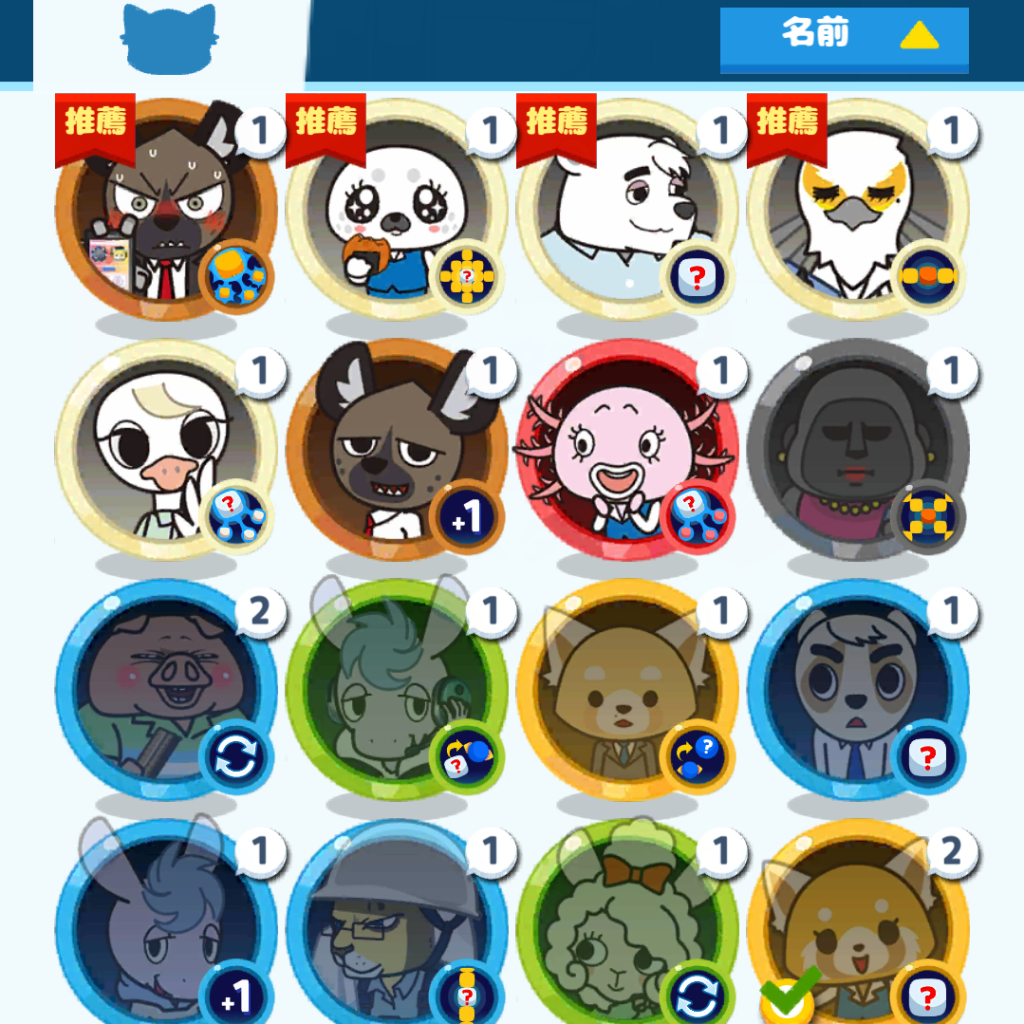
Once you’ve had your fill of clips and gameplay you’ll have likely racked up enough coins or gems to get yourself some additional characters from the gatcha elevator..? (work that one out…). The character list in Aggretsuko match 3 is hefty, especially for a mobile game. In total there are almost 70 characters, each with their own effects, animations and an information page telling you all about them. Arguably the characters are the most important part of Aggretsuko and it’s plotline. The daily struggles are typical but how they are handled by each employee defines the show. As such, being able to read up on the details of their role, associates and hobbies feels genuinely rewarding. The story of each character is not too long and is often humorous or insightful. The text is clear, quickly accessible and adds a lot of benefits both for your language learning and for a bit of extra lore for the show.
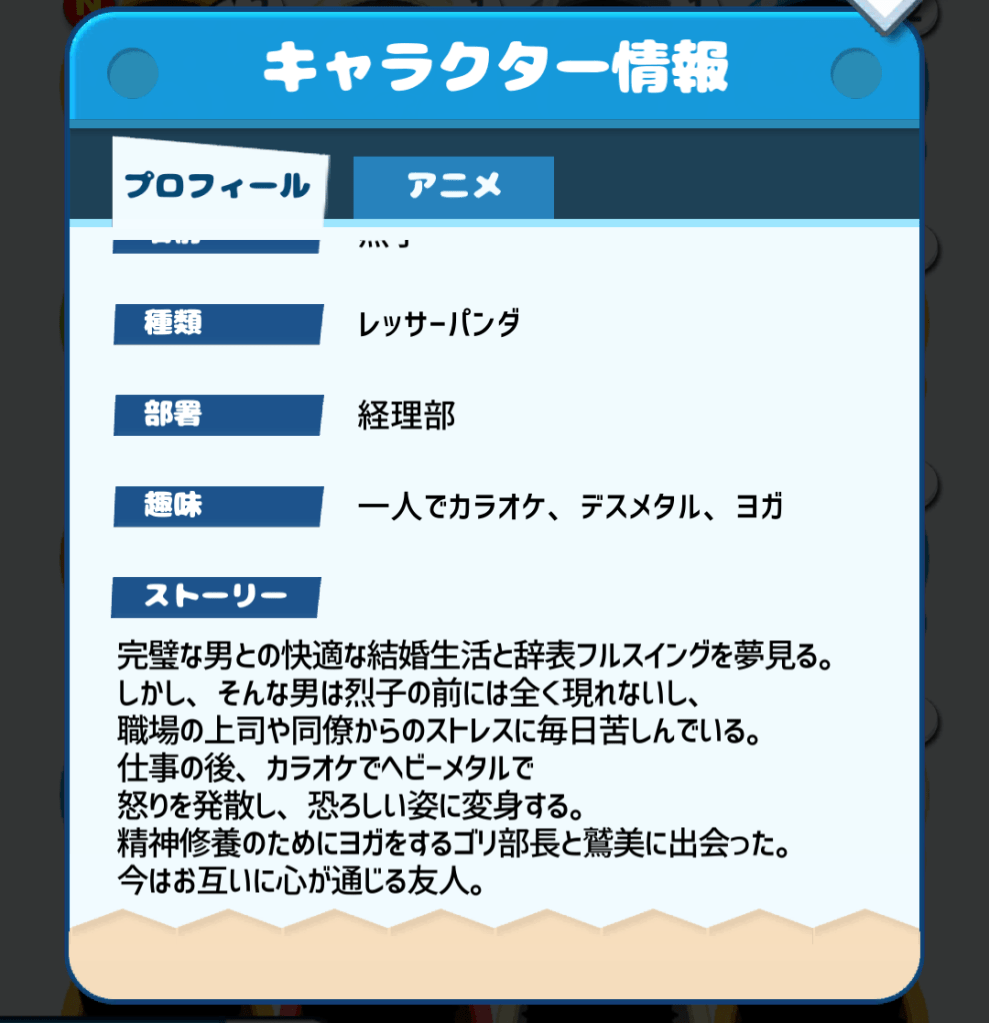
The beauty of this feature is two-fold. The descriptive language is a useful field of language that can build your understandings of vocabulary and the relationships between words, but the fact these descriptions focus on very real aspects that we can attribute to our own lives makes them invaluable. When playing games such as Monster Hunter or Final Fantasy, the descriptions are amazingly useful but hard to apply to everyday things. Here, office roles and regular hobbies are much more digestible and easier to revise as we can often discuss those with our friends and colleagues, meaning more so than with some other titles the benefit transcends just understanding the game.
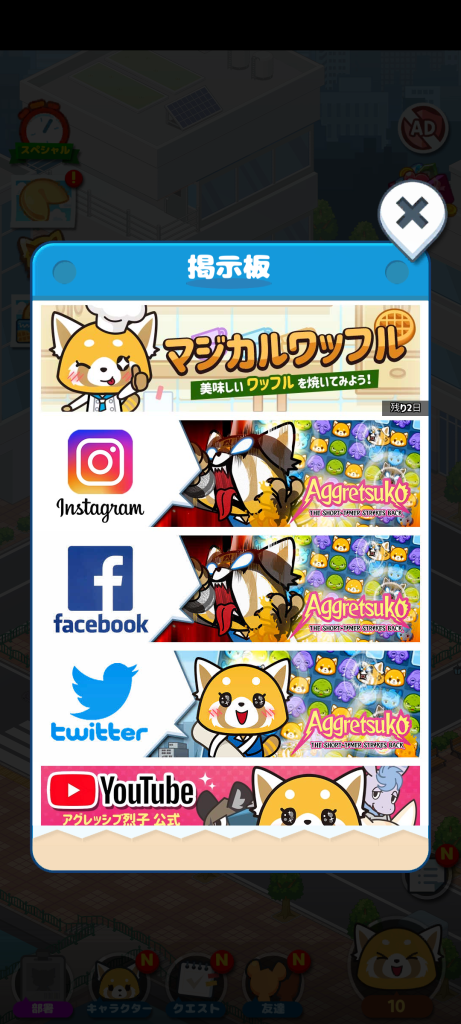
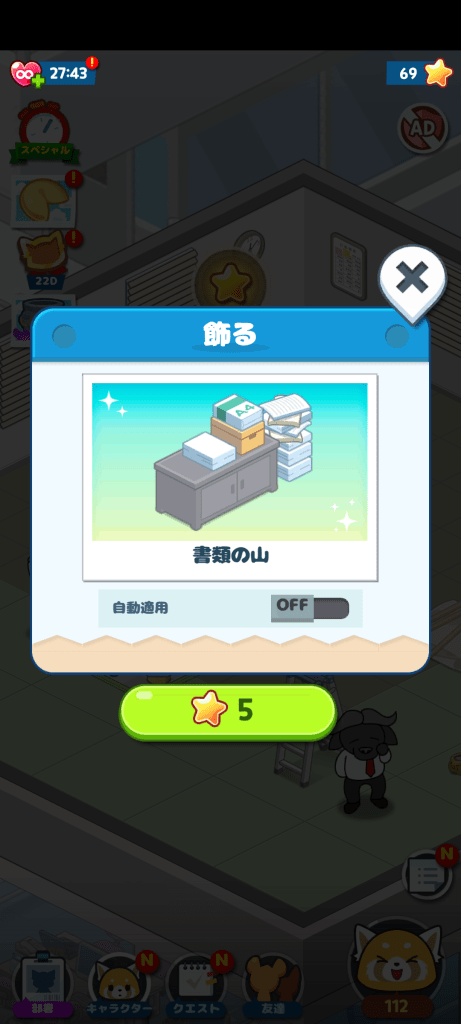
The last aspects to consider in this title are the run of the mill pop-ups and tutorials. The pop-ups are always useful for generic game language, and even feature the occasional splash of seasonal vocab as we sweep through Halloween and onto Christmas. The measure of the efficacy for these pop-ups normally comes down to clarity, functionality and repeatability. It’s not a rare bad habit to simply skip past some of the more basic and routine pop-ups (woo, you logged in again etc.) especially if you’re playing the game regularly. Aggretsuko’s menus do fall into this trap too unless you’re really diligent. The tutorials however are a bit more special.
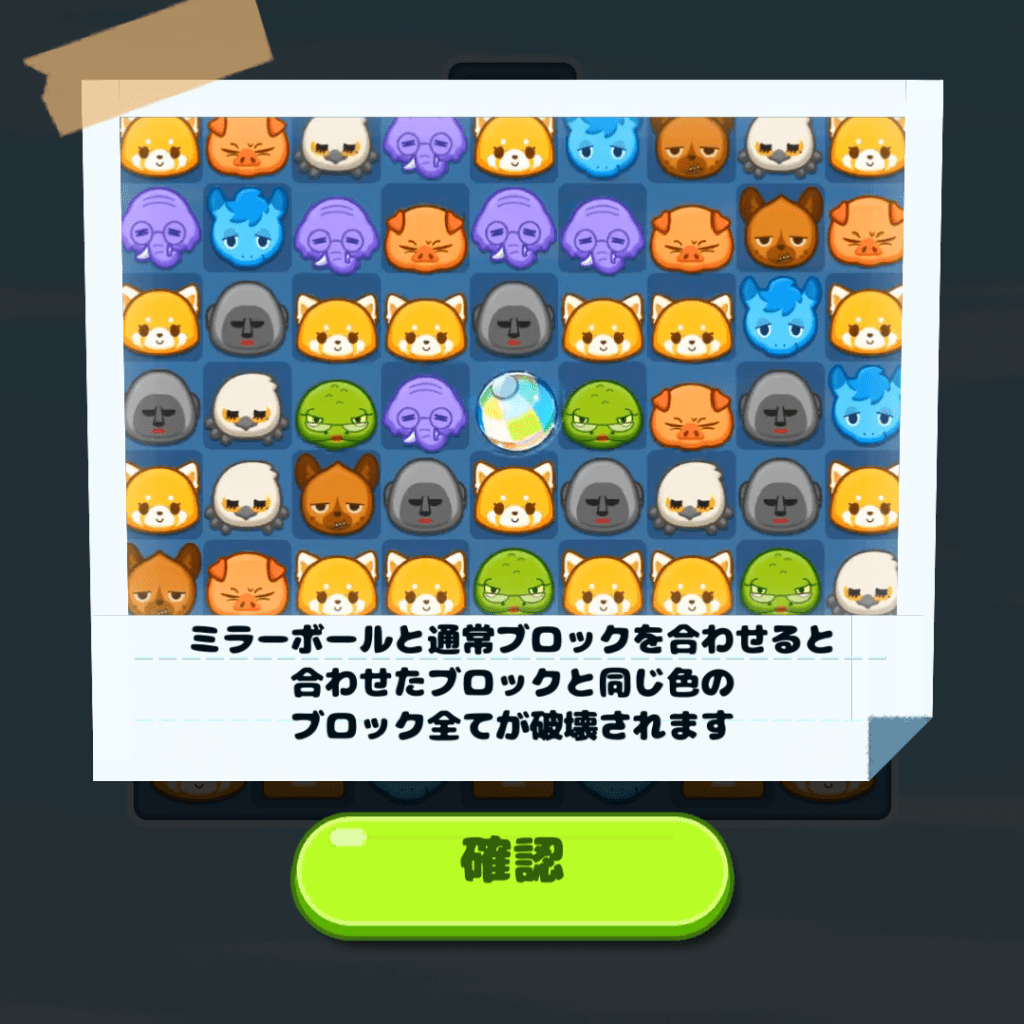
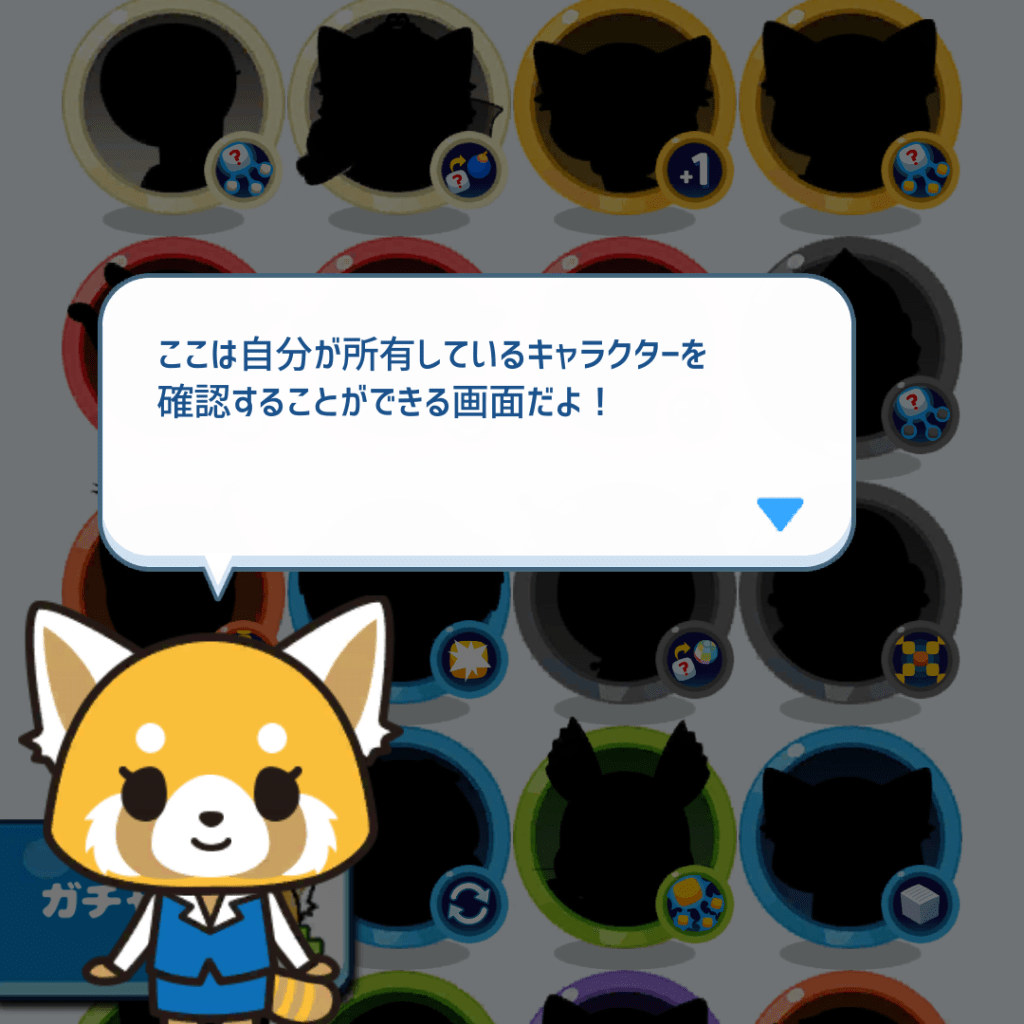
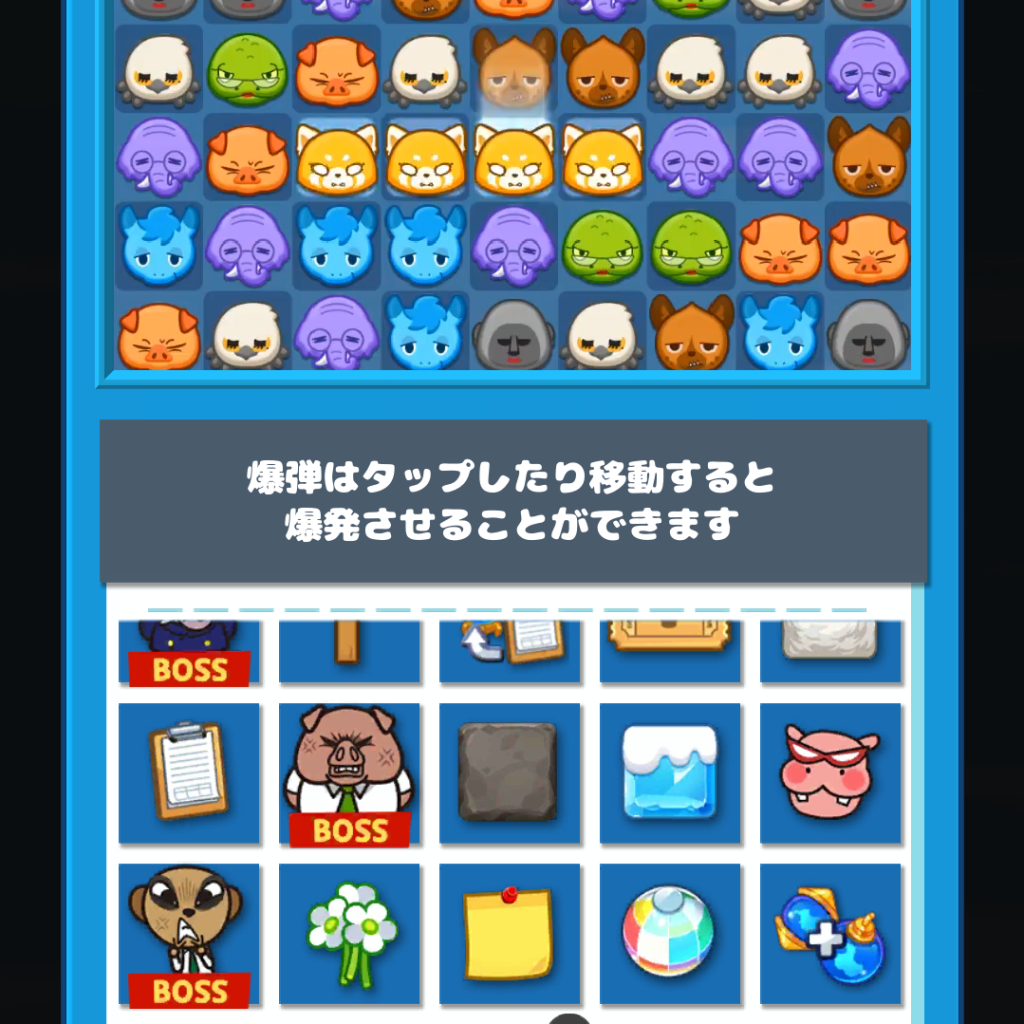
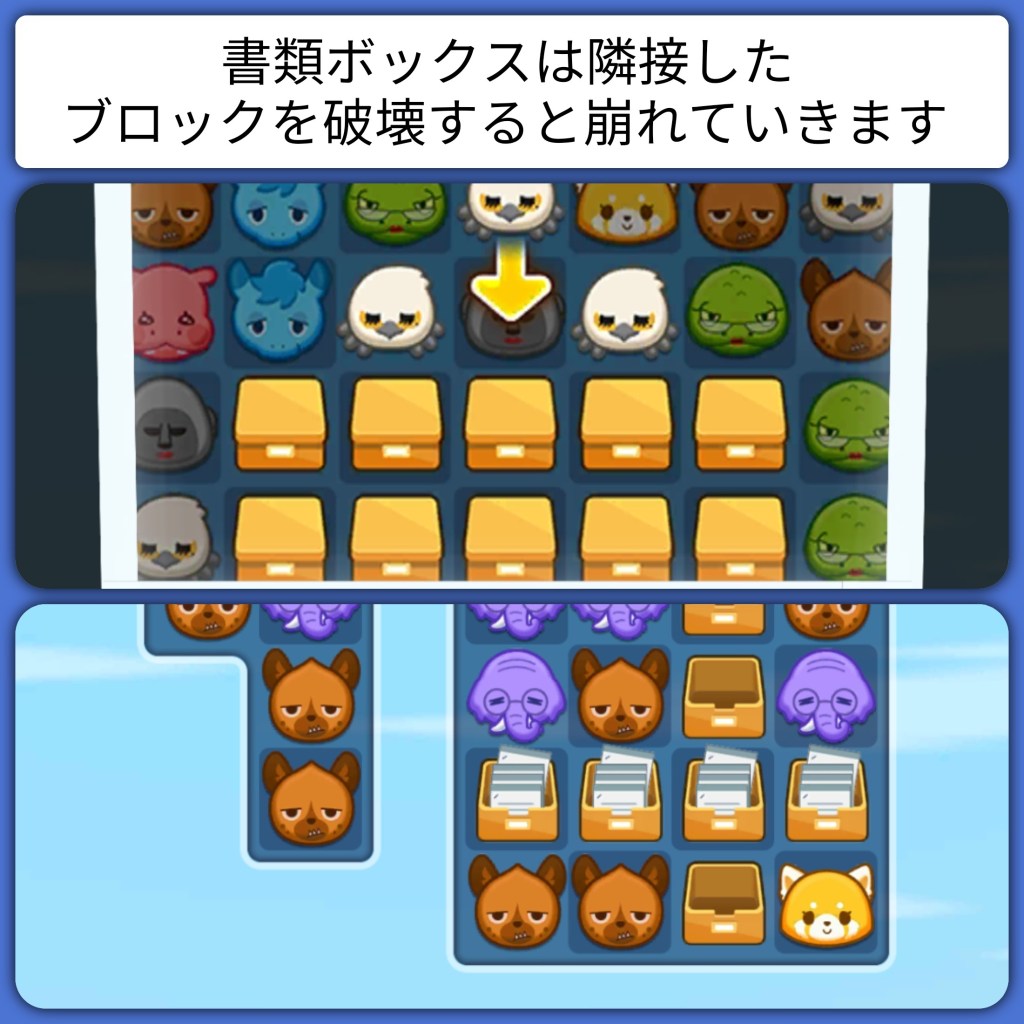
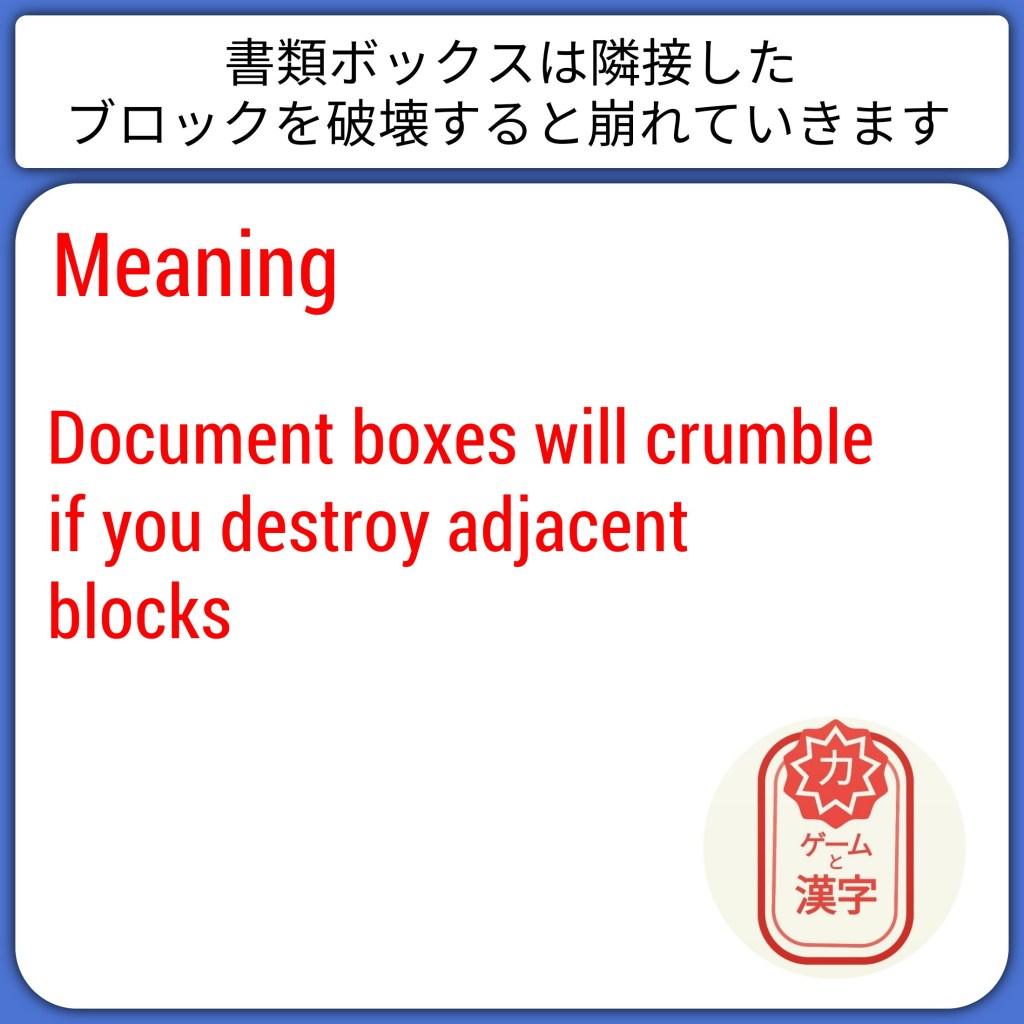
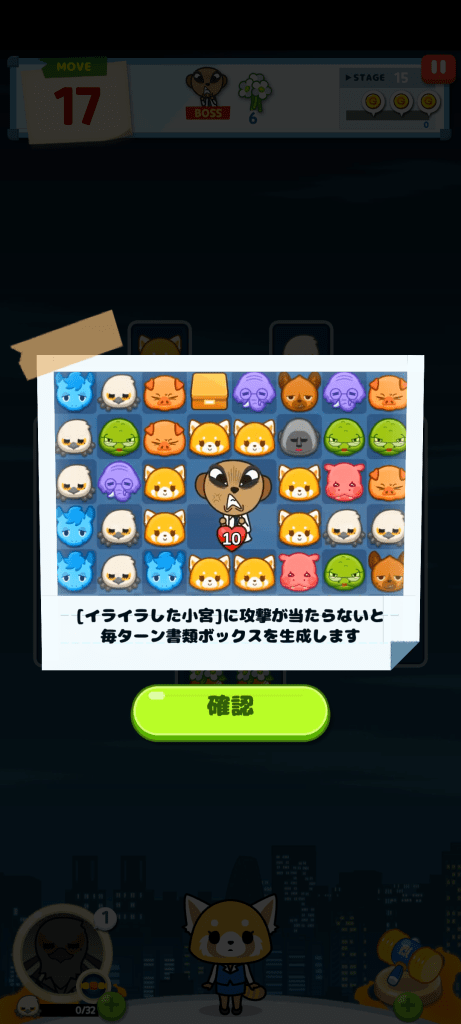
Often, these tutorials are seen once and so it’s nice to take a bit more time to focus on the language and check your comprehension. I somewhat lied earlier when referring to spoken or colloquial dialogue because Retsuko will occasionally pop up from the corner of the screen in the early stages to give you a bit of a tour. It’s not the most casual text and is targeted at newly visited menus for the most part but it’s always worth investing your time into what she’s saying. The gameplay tutorials in this game are equally rare, only showing up when a new block or function is added, however, there is also a tutorial log that can be used to access them while within a stage. I’ve not personally seen sort of feature before so it was a nice touch. It’s always a good idea to read through these (and now re-read through them) to build language specific for the games actions, understanding the differences in instructive language and often getting an infrequent look at some more physical and directional words. This is the sort of text that is more akin to instructions to a board game or a recipe book so can add another string to your proverbial language bow.
I have been playing this game for a long time now (I’m not sure what took me so long…). I’m happy to say that the features are all good and the benefits are evident however my only pratfall for the game is that it is bound by it’s format. If you are a lover of tile match games and can prize yourself away from the stages with enough focus and willpower to study to an adequate level then this one is for you for sure. As with all games it will depend on what interests and drives you but it is by no means bad at what it does. I love Aggretsuko and this game was a blast. Can’t say fairer than that.
Challenges and Methods
Anime is anime
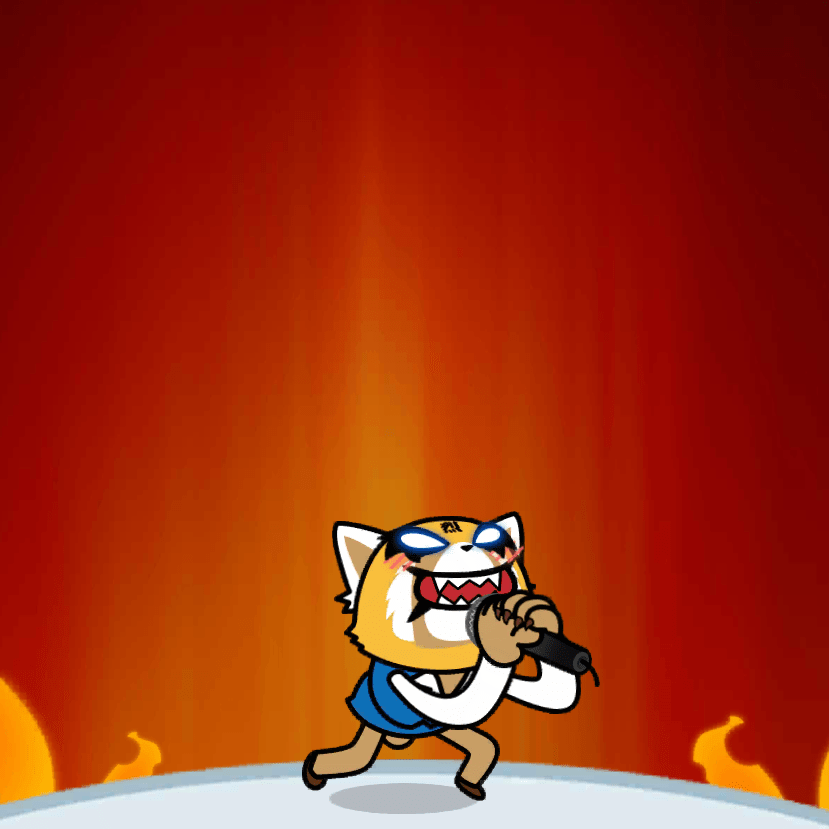
It seems only fitting that a game based on an anime has particular strengths in providing more anime. Watching through each of the clips is fun, and while I’ve supplied the link for the subtitled clips I would recommend listening to the clips repeatedly without subs to strengthen your listening. This is a tactic that has been proven effective but can be daunting with long clips so these should be perfect for you to try out.
What do you do for work?
If you guessed that reading each database would be a suggested challenge then you are awarded no points. It is par for the course for me to find databases within games and latch on to them for lots of juicy descriptive language. Each new character provides a bunch of new words and themes so try your best to read through them unaided, pick up and words you don’t know, start again and combo as many descriptions as you can!
Previous Posts
Additional images
 Games & Kanji