
For those of you out there who like old-style, pixel art graphics and the shambling undead, boy do I have a game suggestion for you. Having lived off Resident Evil, Dead Rising, Left 4 Dead and other classics for the large majority of my life, it’s nice to see a charming little strategy game like Dead Ahead Warfare tickle that zombie killing itch. While the gameplay is straightforward you’ll find that the management of your troops, the variety of zombies and the daily activates keep you coming back for more. The survival aspect of Dead Ahead doesn’t really exist (outside of trying not to get your bus mauled in each stage) and you’ll find you spend more time upgrading and unlocking things instead. That’s not to say it’s not entertaining, there are certainly moments of tension (like when the dreaded horde alert pops up if you take too long) but this is more of a mellow zambo experience, zombie-hunter-lite if you will…
Platform and Languages
Dead Ahead is available on both mobile and console however the visuals and language options differ for each. You can pick it up completely free on the Android or Apple app stores with Japanese as a language option, however the console version costs around £16 ($22) and doesn’t come with Japanese.
If you are playing the console version there is still a wide selection of other languages, including Chinese and a smattering of European languages, however for my purposes I’ll be reviewing the mobile version today.
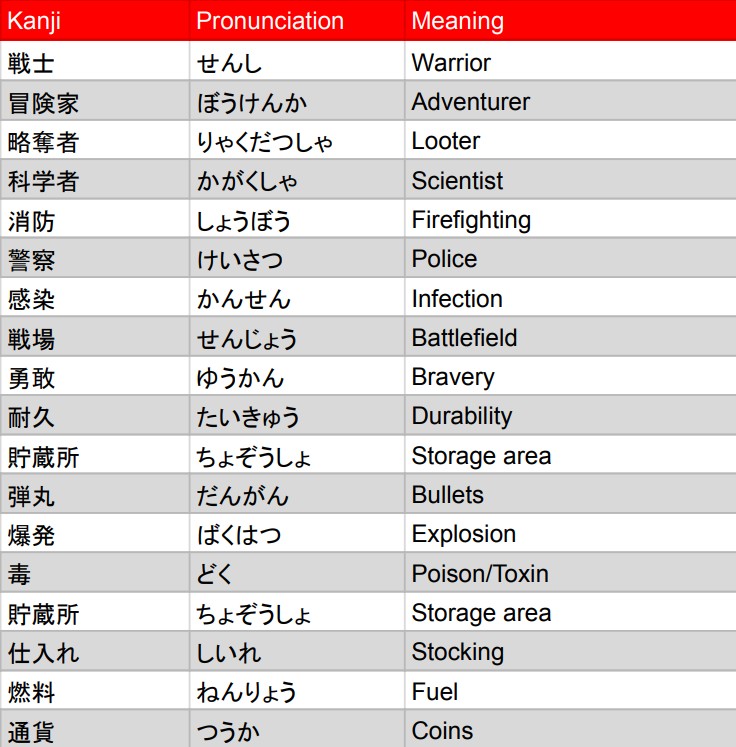
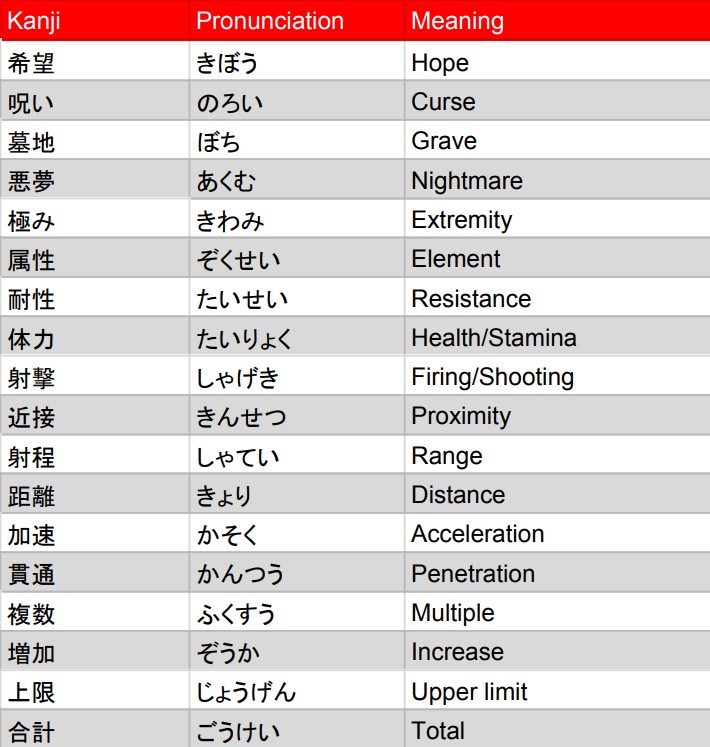
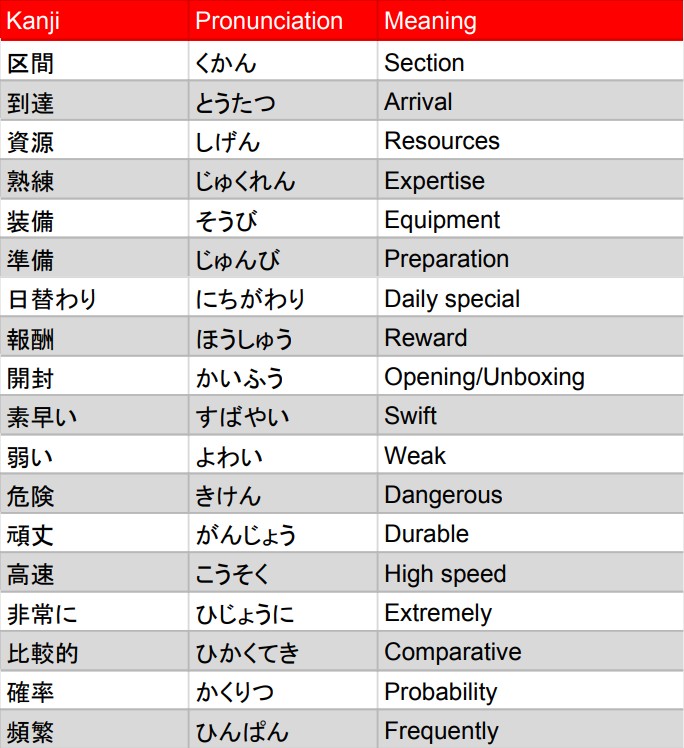
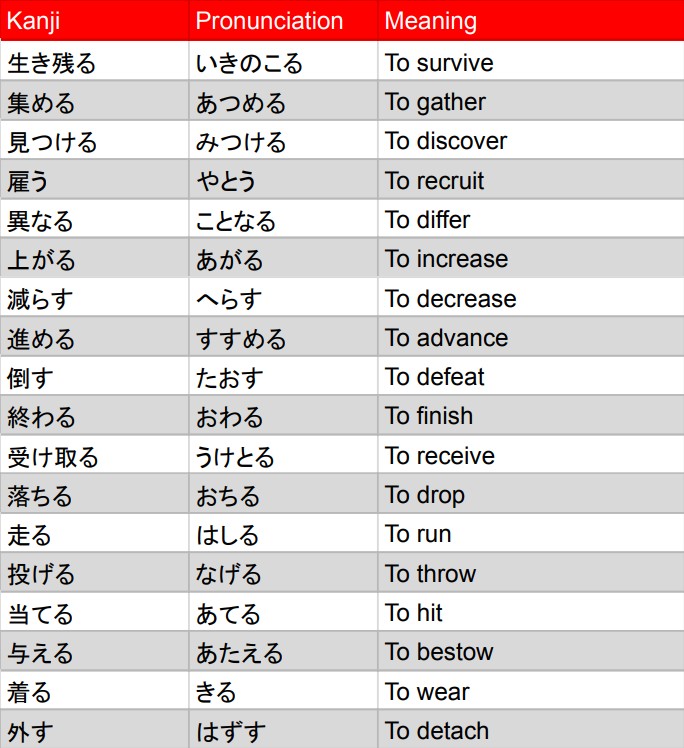
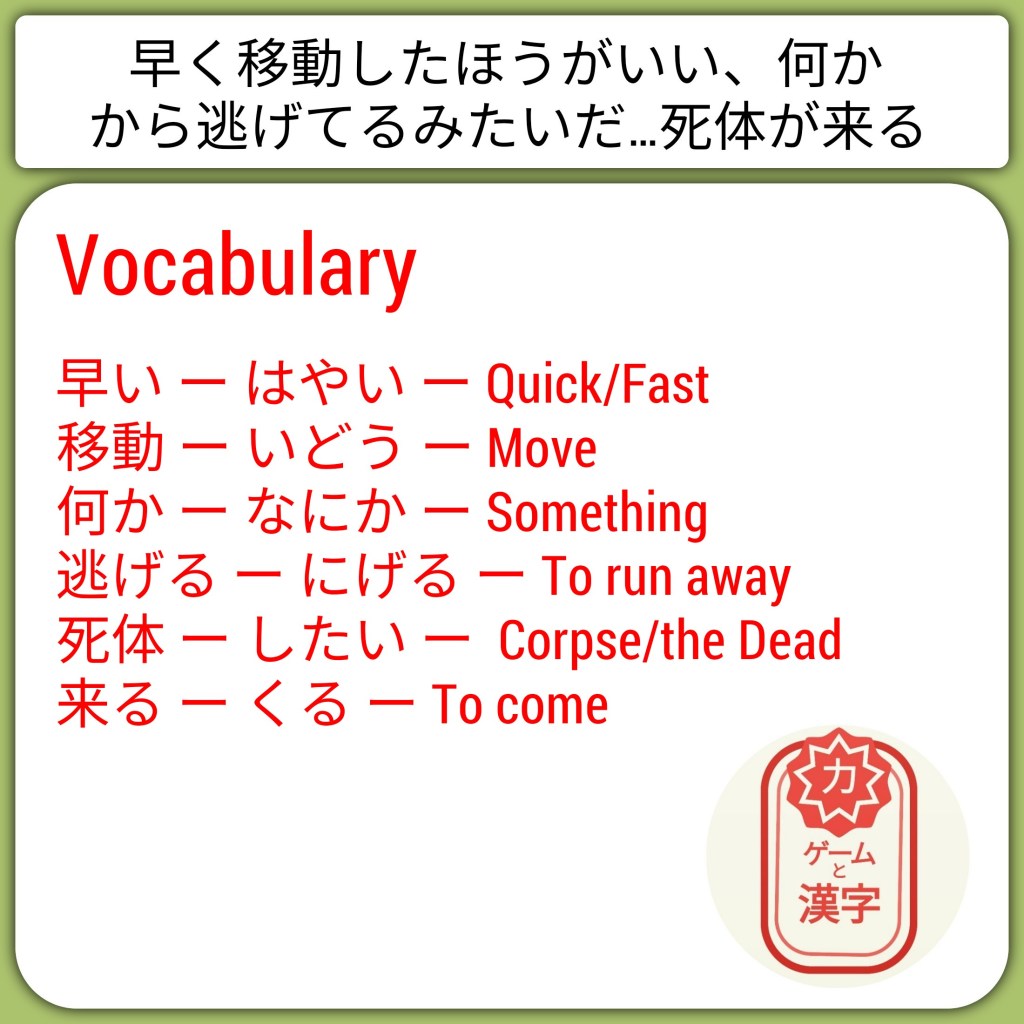
Glossary
Usability

Dead Ahead is surprisingly huge for a mobile game. The story is reasonably fleshed out, the individual maps are massive and take a good chunk of time to clear, and there’s a decent amount of content to read and play around with. If we look at the overall UI first, you’ll see that there is a whole lot of text on screen at any one time. This sounds like great news (it is, but we’ll get my usual topic out of the way first…) however the font leaves a little to be desired. You can read most of it but there are some sections where, if you’re not familiar with the context or certain stroke orders, you could potentially miss the kanji. I rather frustratingly spent a large portion of time looking for the word 熟練度 because I simply couldn’t make out the radicals on 熟 with this font, even though I already knew the word. Even in some of the larger text boxes, such as in the cutscenes, this font is maintained but weirdly blown up. This doesn’t leave the game dead in the water (ha…), and you’ll still be able to read around 99% of the words, but I would’ve loved just a touch more clarity in some scenarios.
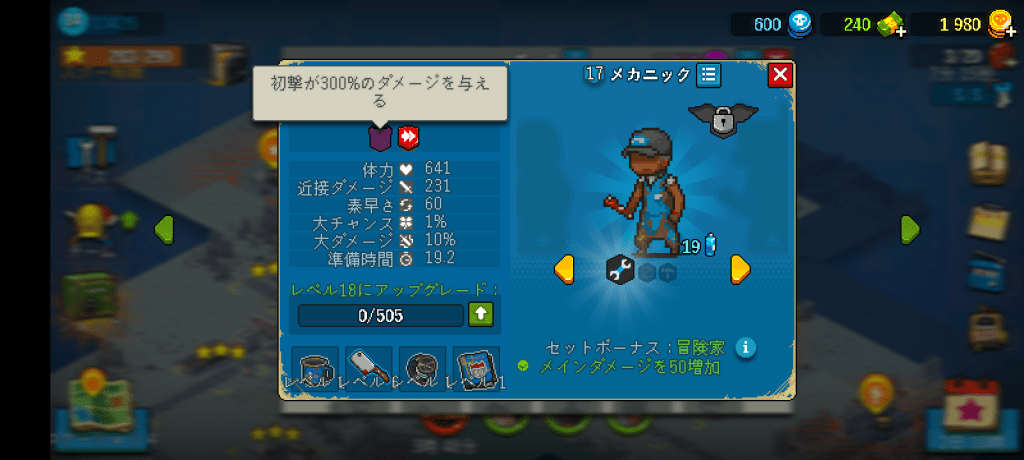
Font aside, you have an awful lot to go at here. As you’re choosing your level or compiling your team of wily rednecks you’ll see heaps of vocabulary relating to stats. This may just be single words or short sentences for the most part but they add a lot of value in the world of video games. You’ll get frequent talk of weapons, range and damage, speed and much, much more, helping you kit out your squad effectively while you practice you kanji. Within your character menu that you see above you can split off into various other categories too, such as equipped items, character classes, bonuses and upgrades. The character classes and items are additionally effective, not only for a few funny references here and there, but also because they provide many katakana and kanji words around occupations and day-to-day objects. By reading this menu alone you’ll be able to identify certain things around your house, such as kitchen utensils and clocks (of all things…) or talk about jobs of people you may know, such as welders, soldiers and more.
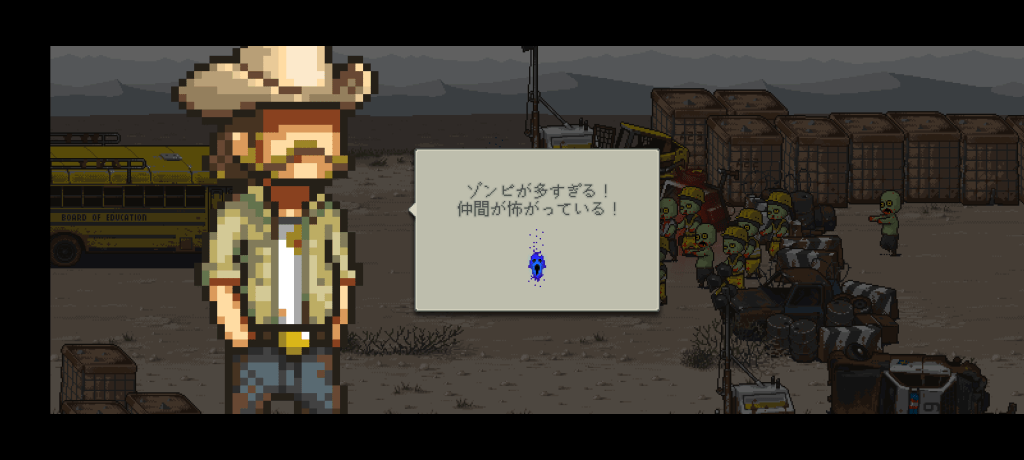
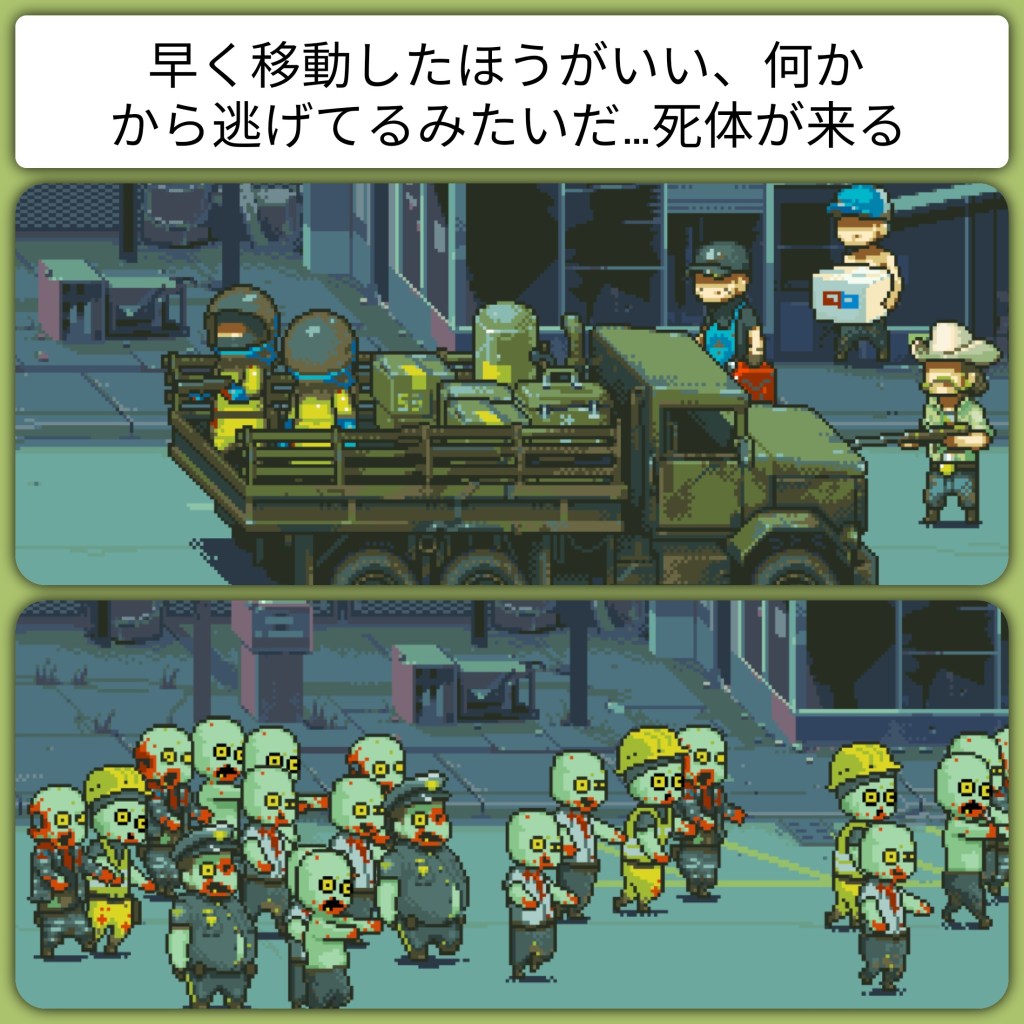
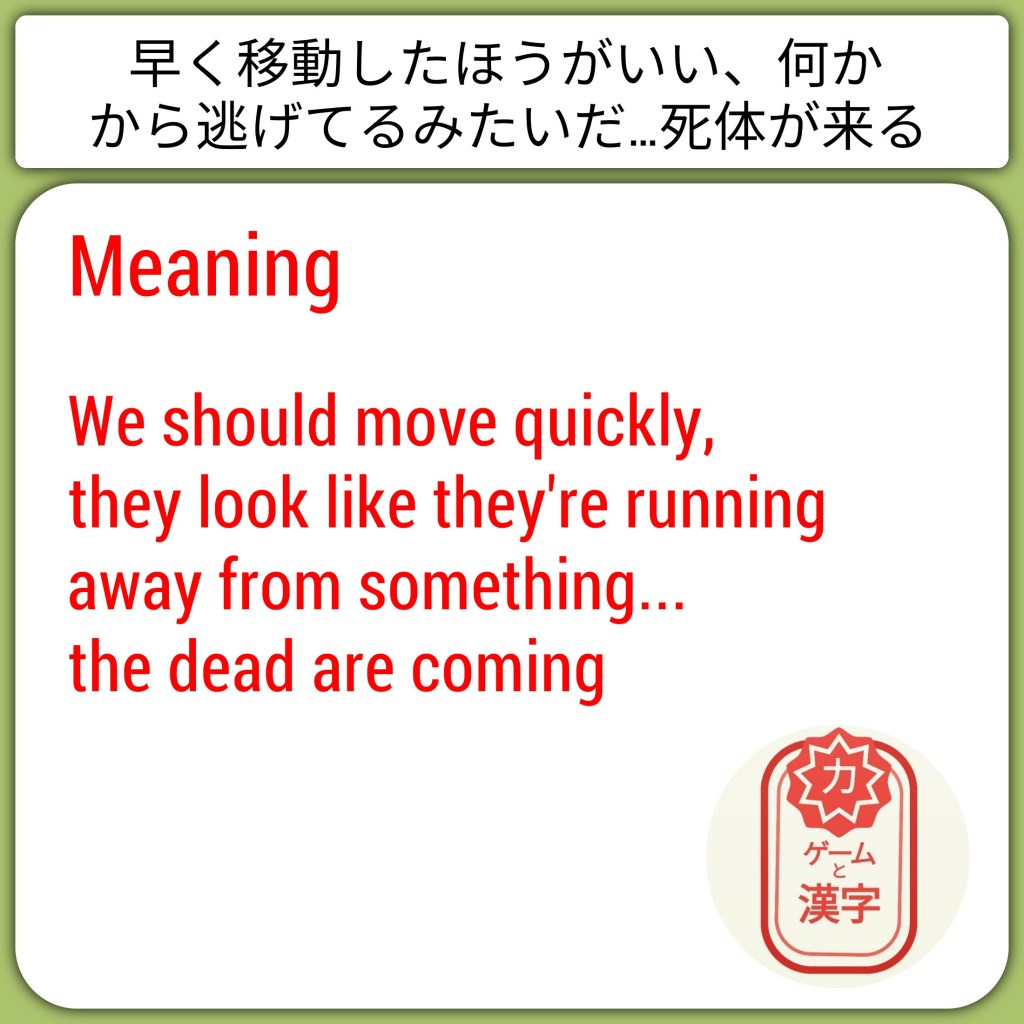
If you’re searching for something a bit more conversational, the story is the best place to look. Between each region, in special levels and through many of the tutorial sections, your handy cowboy companion Bill will talk through the happenings of the new undead world. In the case of some of your not-so-dead opponents, he’ll even get some replies occasionally. The dialogue here is brief but opens up the opportunity to see some colloquial phrases and engage in the story a little more. The cutscenes don’t pause at any point so you may miss some text boxes if you’re not able to read them quickly enough, however this can easily be overcome by either accessing the map menu and replaying the cutscene using the play button or simply replaying the levels with the cutscene icon.
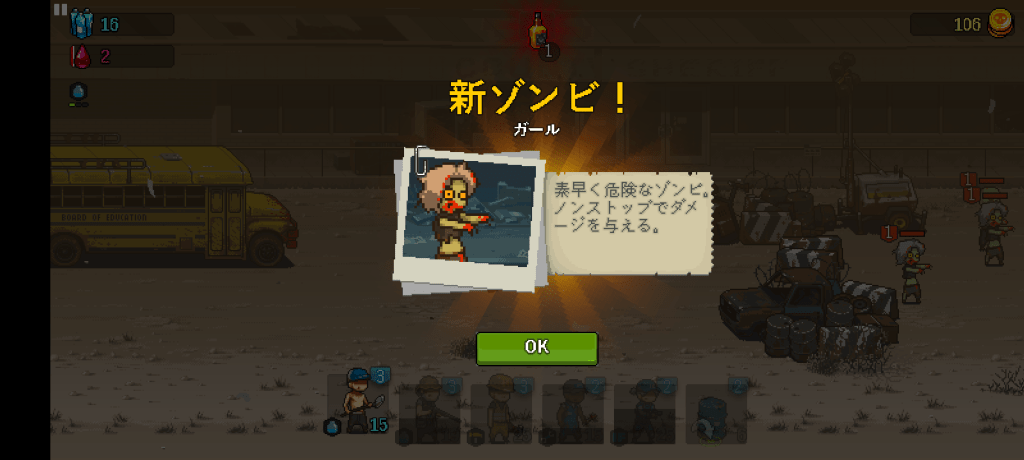
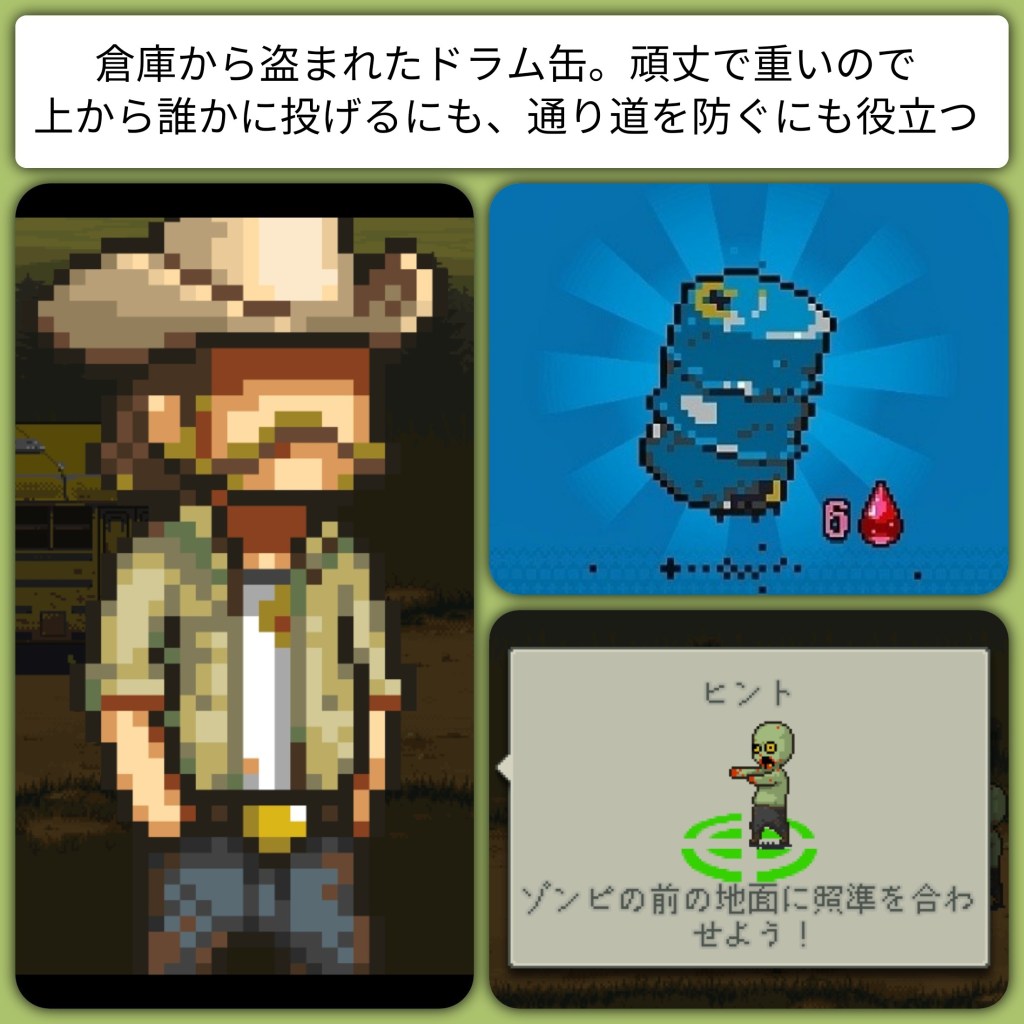
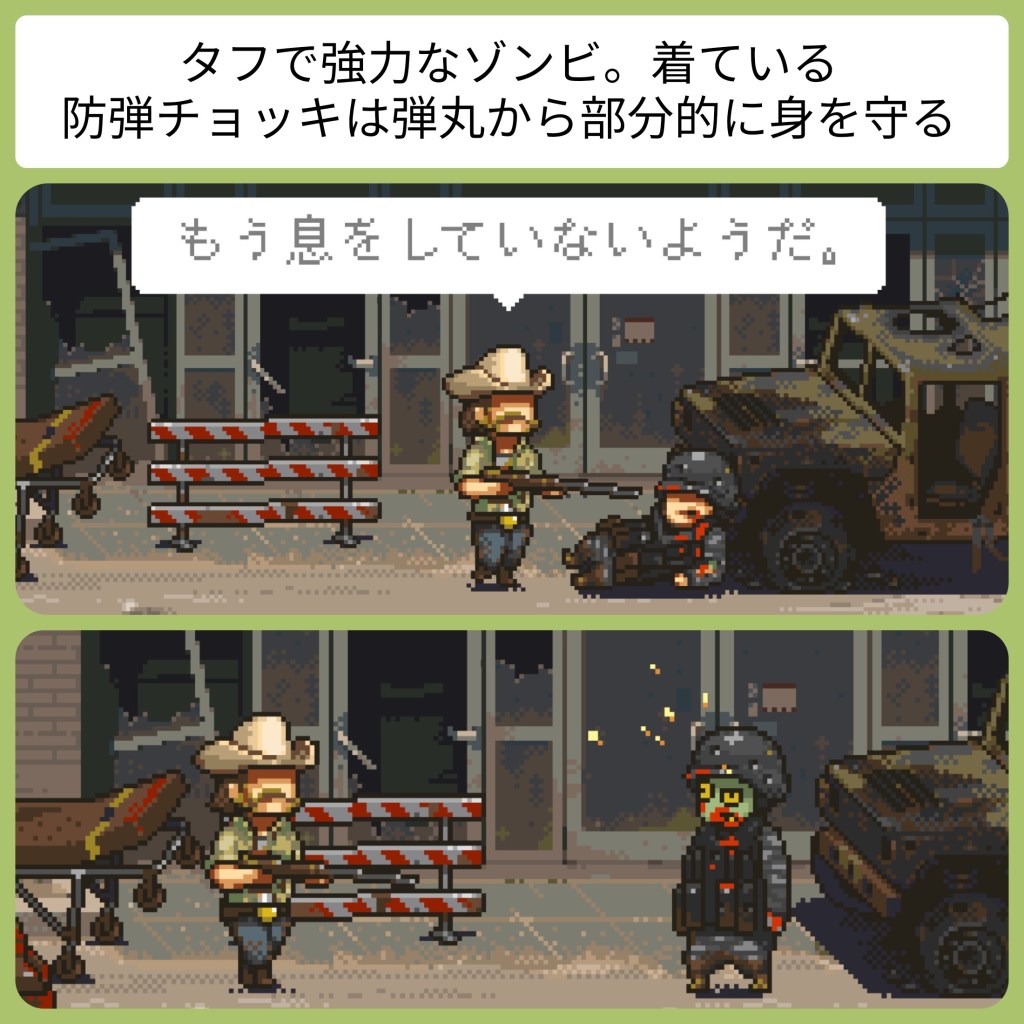
Now onto the best bits. On the right hand side of your main screen there will be two very useful buttons. The first is the inventory, which holds the usual items that we saw before but also resources in a separate tab. These are items sand currencies used in the shops or for upgrades, rather than equipping to your character, and feature some slightly longer descriptive texts to tell you what they are, what they do and where they’ve come from. The language is predominantly instructive but should be easy enough to absorb. On a similar vein, as you come across new zombies or human enemies, you’ll receive a polaroid and a scrap of paper describing the traits of your new foe. These are unfortunately shorter than the the above mentioned items however there are significantly more of them and I personally find them to be a bit more interesting.
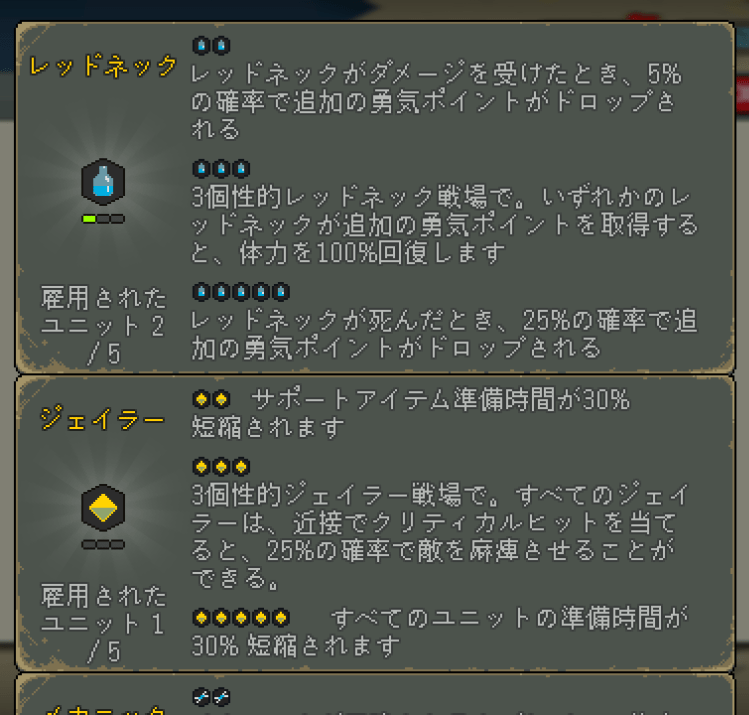
As you collect new entries they are added to the scrapbook at the bottom right, affectionately dubbed “The Zombiepedia”, which can be accessed at will during most points of the gameplay. Being able to see, and understand, particular weaknesses, movement styles and effects of each enemy was probably the most entertaining part of the game for me. I looked forward to new entries and loved finding new adjectives that showed comparatively faster, stronger or weirder zombies. You can also find descriptions for the different classes that you can set in your team. These are found at the bottom of the stats menu in each of their pages. These are less varied and in some cases are only a single line of text but by this point I’d squeeze juice out of a stone in order to find the best morsels for language learning so I suppose it’s worth mentioning. Last but not least, again within the character class page, if you click onto the character type (redneck, mechanic, northerner etc.) you’ll find a rather lengthy breakdown of what each set bonus for your roster will provide. Again this is very regimented and instructive in regards to the stats that will be improved for each ranking but is probably the single largest volume of text on one screen that you can find throughout the whole game.
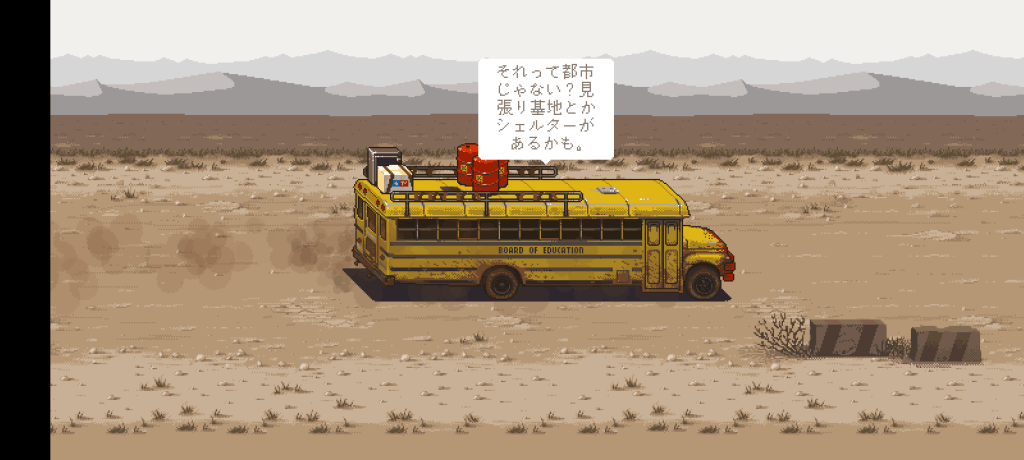
Overall Dead Ahead was genuinely fun to play. The gameplay could get a little tedious and I found that there were many times where I’d be stuck farming in order to scrape very insignificant upgrades onto my team just to barely get by a nightmare evel roadblock. The most important thing is how you frame this, the grind was long but the intervals in between were welcome breaks to read and write down any interesting phrases. As my fuel depleted I would take the time to jot down descriptions and practice unknown (if not a little square) kanji. For a free game that I would arguably love in English anyway, it’s a no brainer to add this to your list. Build your military, horror and resource vocabulary today and try not to get bit…
Challenges and Methods
The Zombiepedia
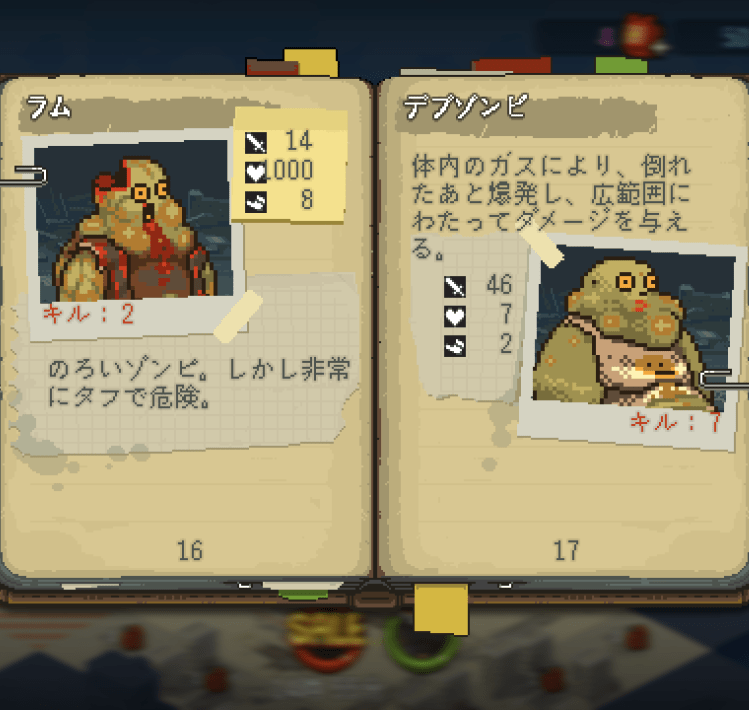
As stated, the Zombiepedia was a hoot to fill out. The sheer volume of zombies in any one stage was so high and they came at such pace that I could rarely tell the difference. Thatw as until I flicked through the pages of the Zombiepedia and built my vocab and game knowledge. As each fresh entry comes in try writing them down and committing any new words to memory. You’ll like find a few repeats for some healthy revision too!
Unusual elements
The mentioned character class set bonus screen is well worth a visit, and even more worth sinking your zombified gnashers into. This page has longer and more grammatically advanced sentences throughout so can be useful for you N3-ers. See if you can either read or write the entire entry, and if you’re feeling particularly sadistic, challenge yourself to do it in one. If you fail, start again…
Previous Posts




 Games & Kanji