
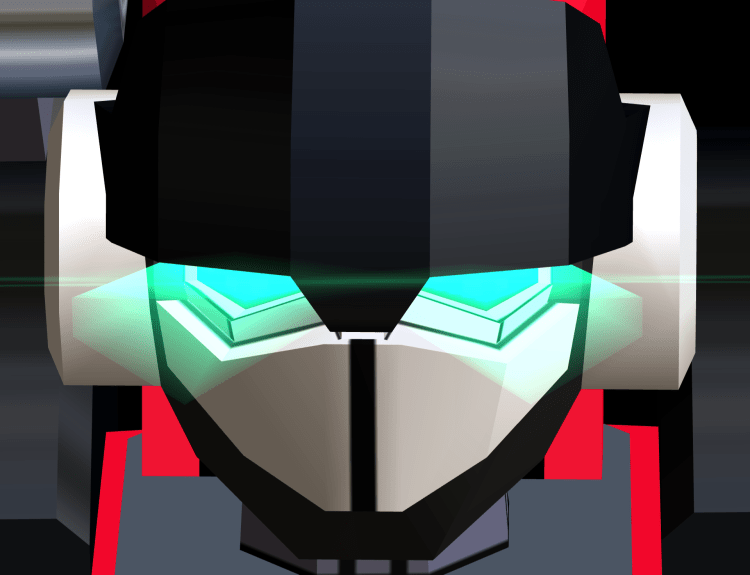
Imagine if you will, Pokémon meets Gundam, pulled entirely out of a kid’s toy box. You’ll be somewhere close to the masterpiece that is Gotcha Force. As with many of the games I go back to review, this is another childhood classic that has been an absolute pleasure to revisit, especially with a new Japanese twist (new for me anyway…). Gotcha Force pits you against hordes of vibrant and brilliantly diverse borgs, with the kicker being that you can unlock them all yourself and give as good as you get. Even more hilariously, the scale of this game has you reeling between stages. You’ll go from practicing Borg battles with your neighbour in their bedroom to taking on planetary threats in a matter of hours. Get your GF commander cap on, Death Brain here we come!
Platform and Languages
Gotcha Force is a GameCube exclusive from back in the early 2000’s. As a cult classic it can set you back over £100 depending on where you look. Additionally, as there are no language settings to change within the game, you’ll need to buy a regional hard copy of the game and a regional console too. Due to the GameCube being region locked it won’t recognise games from other areas so in my case I’d have to buy a Japanese copy of Gotcha Force and a Japanese Gamecube.
Alternatively, if you’ve got a fairly decent spec PC you can download Dolphin emulator and play it through there instead. Both English and Japanese digital copies are readily available for free and run like a dream.
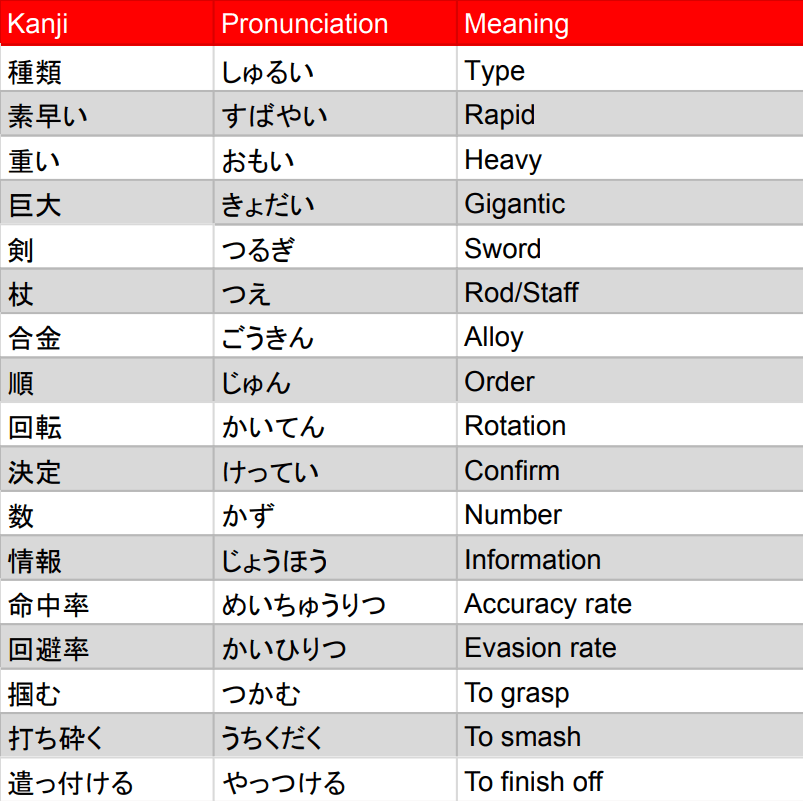
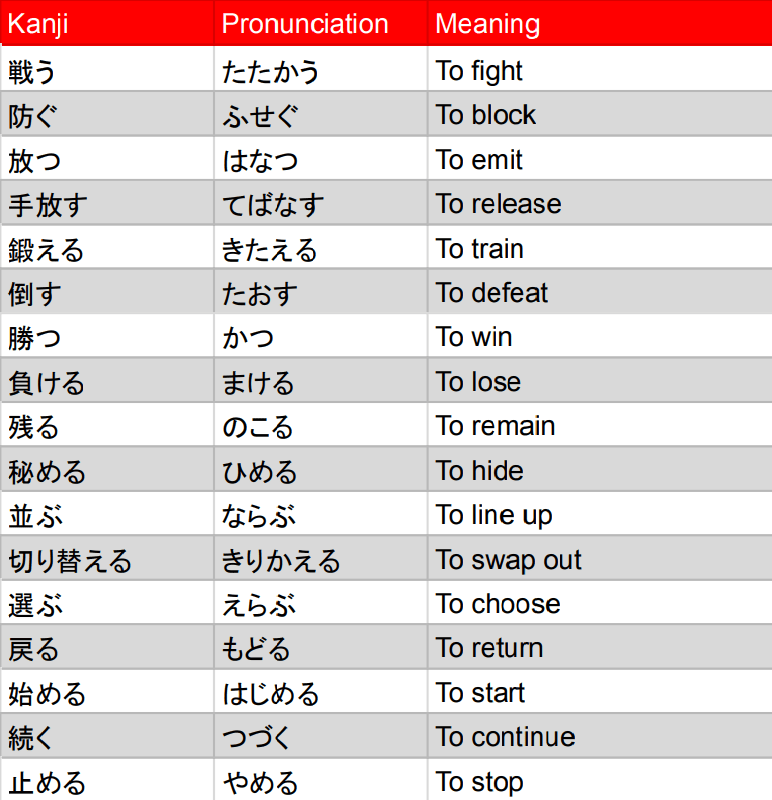
Glossary
Usability
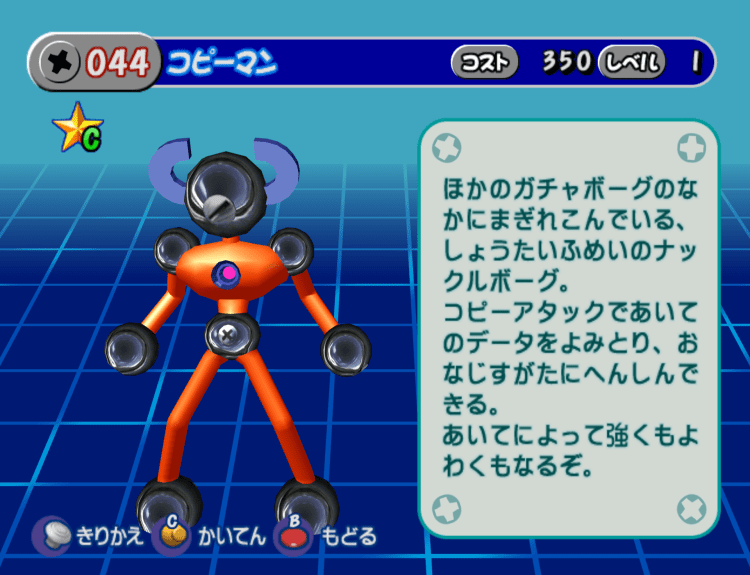
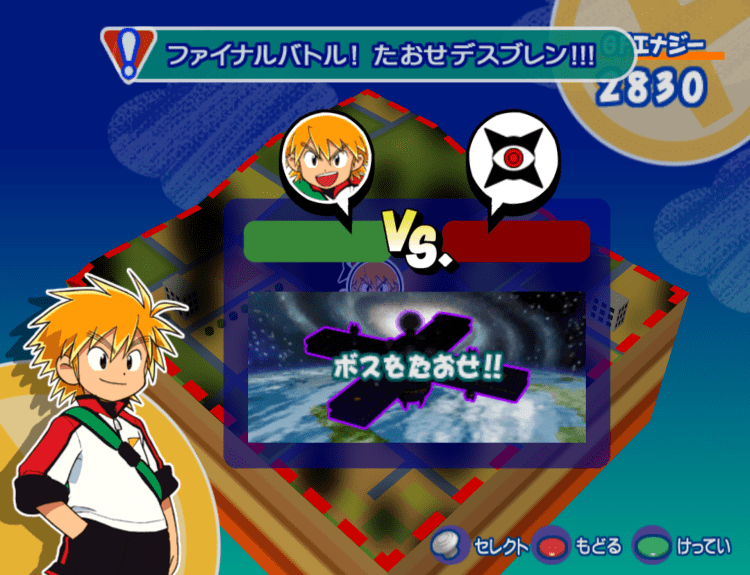
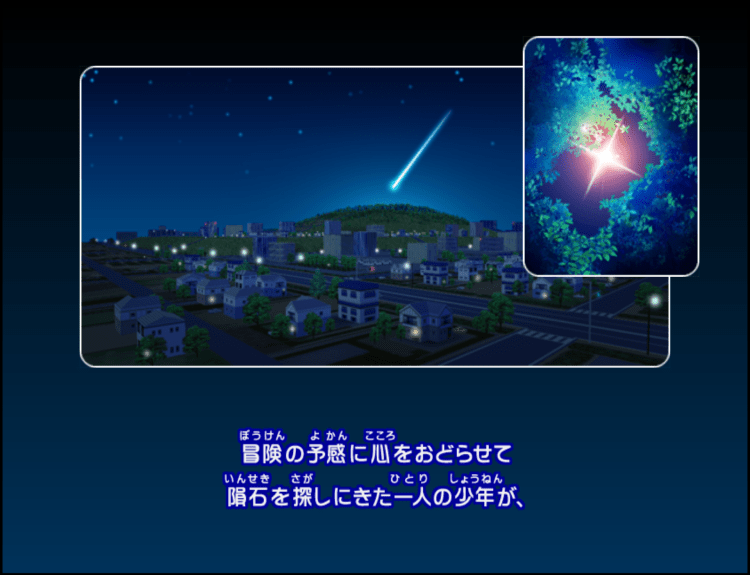
To say that Gotcha Force is a game aimed at younger audiences seems like a hefty understatement. This makes it even weirder that it still holds up for me now in my early 30s and that there’s the inclusion of a few rather “death-y” lookin’ Borgs that could easily incur the odd nightmare for those with a delicate disposition. The reason I raise this is that there will be very little Kanji throughout your playthrough. Media aimed at younger generations or beginners tends to follow this trend for “easier reading”, and while I get it (kids aren’t going to know tons of kanji) it does seemingly making reading more difficult, not easier. A good 90% or more of all the text you’ll see in Gotcha force is written in Hiragana, from the simple UI through to some of larger blocks of text and, as you’ll know if you’ve tried reading sentences entirely in Hiragana, this can get draining and slightly confusing quite fast.
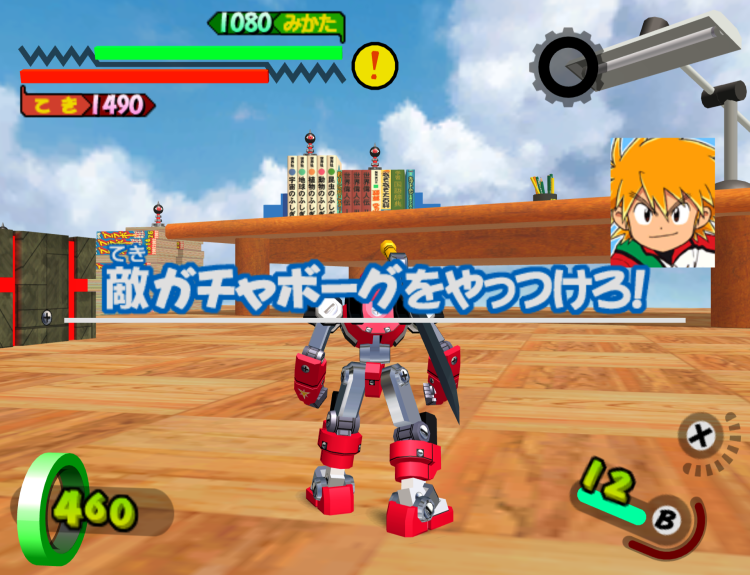
Reading exclusively in Hiragana isn’t impossible and can even be deemed a necessary skill for reading a variety of books, websites or manners of speaking. As such I really jumped in with both feet for this review. What struck me as especially unusual in the case of Gotcha Force was that, while there was so much Hiragana, the vocabulary was not all that simple. There were many words relating to ninjutsu, weaponry and magic that would be right at home in an RPG aimed at older audiences, albeit within shorter sentences, but I wouldn’t expect the target audience to be overly familiar with them. I really wanted to hone this ability to pick out complex jukugo words (compound Kanji words) from these sentences and understand the meanings, trying to work out the correct kanji as I went. The verdict… I think it went pretty well.
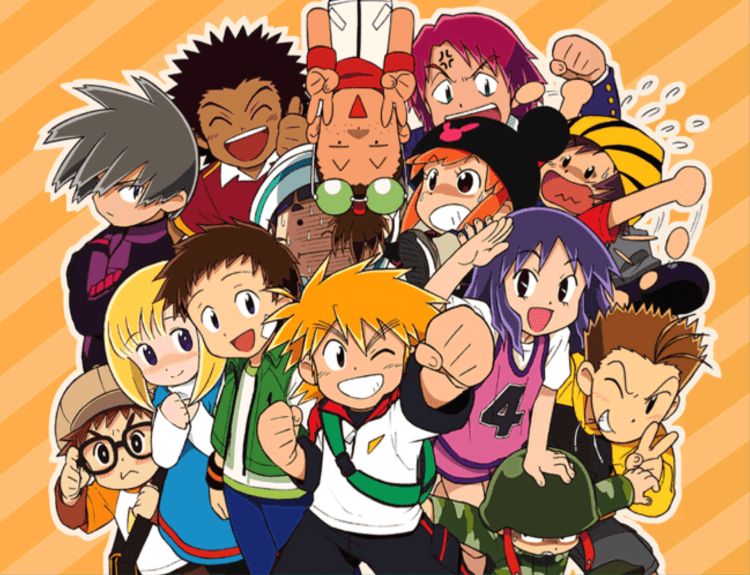
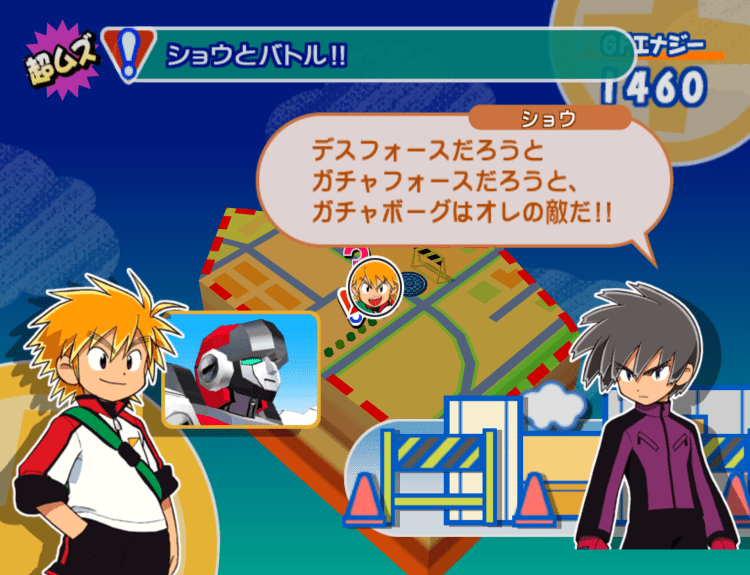
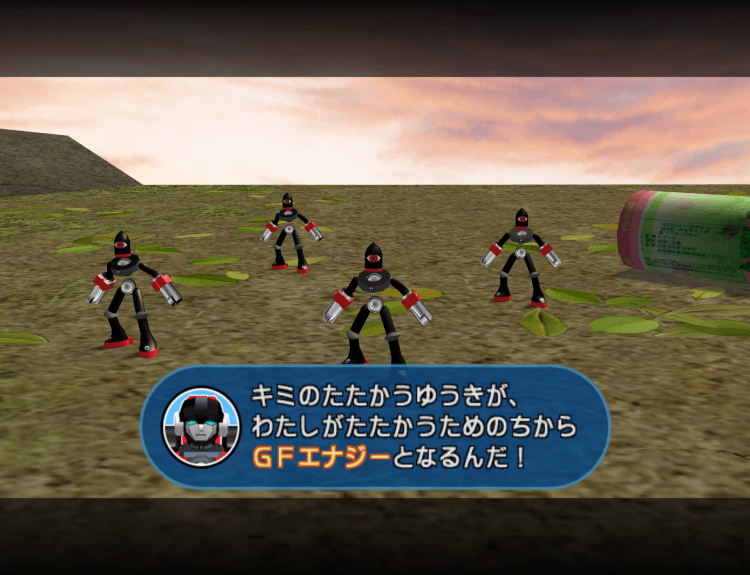
While there are a number of game modes to choose from it’s immeasurably likely you’ll only be using the collection and the story, as any of the servers for multiplayer modes or trading are now long gone. The story features text dialogue between most levels and even more exposition at major plot points. You’ll even get the occasional spoken dialogue (trash talk) from the smattering of allies and villains before each of their battles. The speech, both written and spoken, is always quite colloquial, emulating the various personalities of your protagonist’s friends. For instance, Met, a straight talking, monotone military tactician is succinct and accurate in his speech, while Kitsune is just a certified a***hole and speaks like one too.
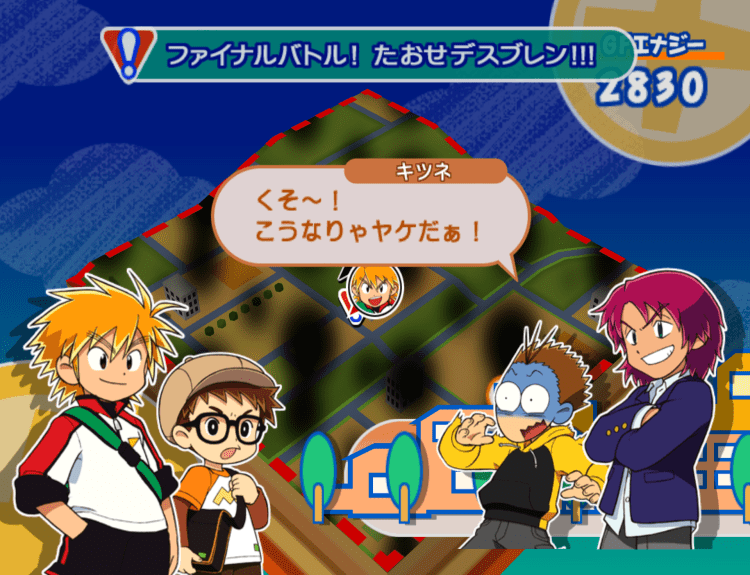
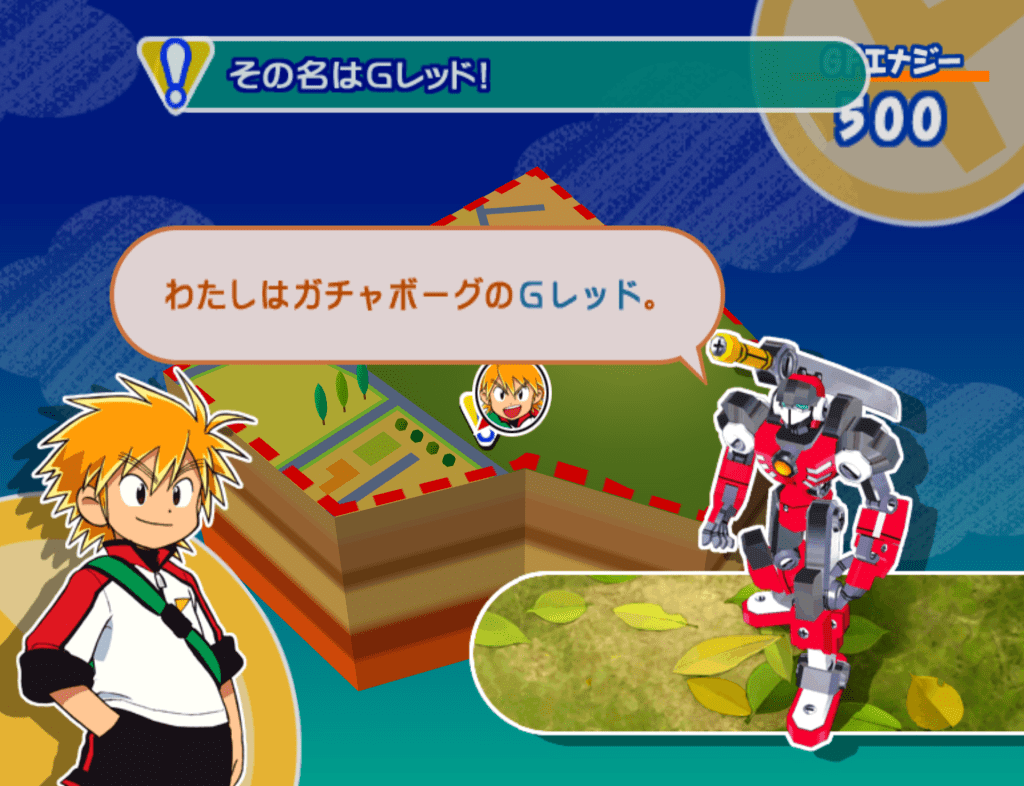
The bulk of these dialogues will be between yourself, G-Red and your allies, and while I mentioned the Hiragana before, it is less of a factor for these sections. When each character is speaking the context of the level, the objective and the overall set piece is usually very clear and with the sentences being as brief as they are the meaning is rarely lost. This makes it digestible and less strenuous, even with this lack of Kanji.
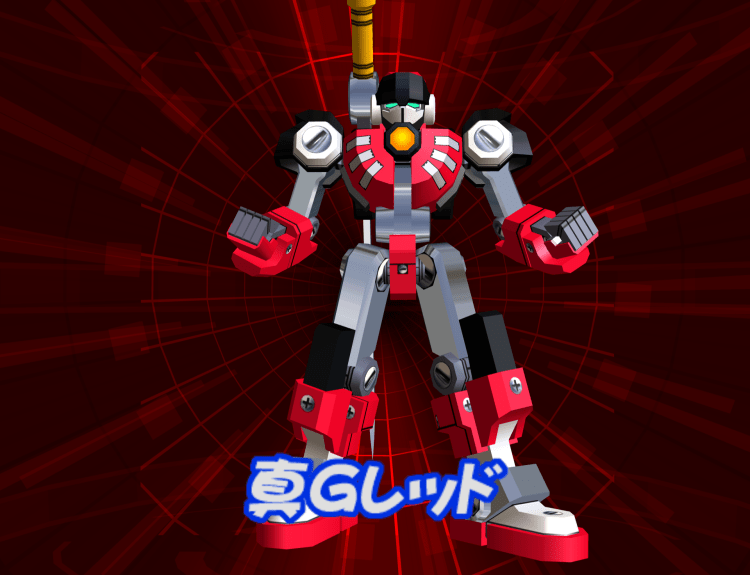
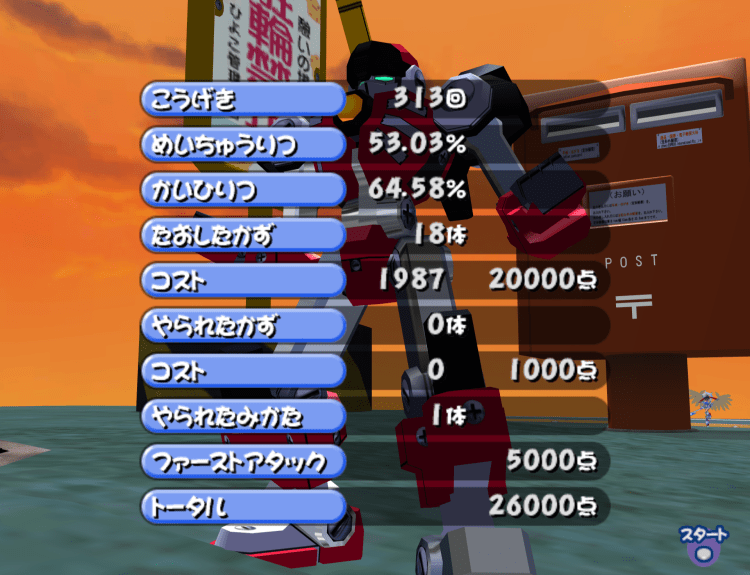
Outside of the above, your only remaining sources of written text are the UI itself and the Borg descriptions. The UI is clean and easy to follow but for whatever reason the game designers picked a very unusual font for Gotcha Force. For the most part it won’t cause any trouble but you’ll soon see that the Katakana レ looks very much like a し and the Katakana ロ looks unmistakably like an English capital D. It’ll take you all of about 3 seconds to get familiar with this but I thought it was worth a mention given I was trying to work out who “O-D-chi” was when I first saw it. Another little addition I’d also like to mention is the text written on the details in each stage. When I was a kid I would look at this Japanese writing and think to myself “I wonder what it says” or “Japanese looks so cool” and now I get to whizz past as my favourite nostalgic Borgs and read it in perfect clarity. There are few feelings as warm and fuzzy as this.
Now for the bittersweet bit. The Borg descriptions are hefty. 205 Borgs in total, each with 3 pages of useful readability. Here you’ll get to read through the Borg’s categorization, moveset and the all important backstory. Each Borg is stylized and personified by the faction it falls under and the special moves it can muster. There’s a healthy amount of revised language, such as when Borgs of the same faction or similar style are being described, but also a decent enough amount of varied vocabulary with and outside of these groups to keep you learning new words (if you can work them out…).
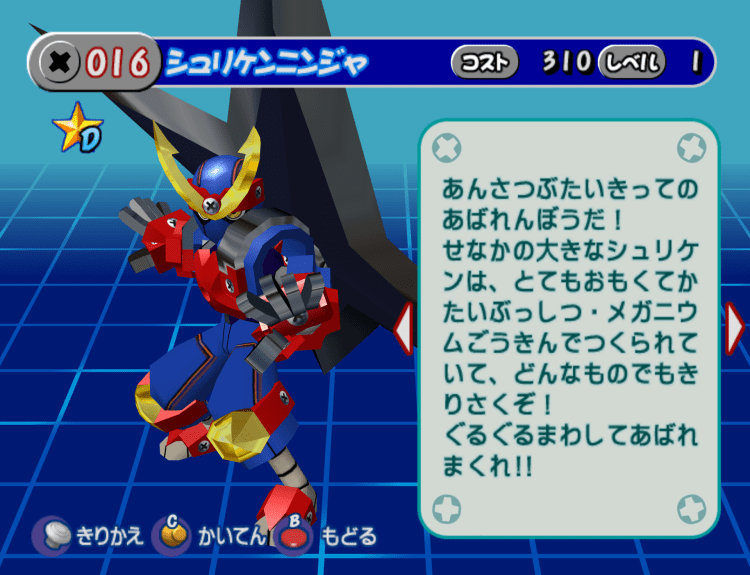
The balance is theoretically good on paper, and all I want to do is be able to effectively and smoothly read through each and everyone of them, however, as you’ll likely have seen if you were watching the livestream of my playthroughs, trying to read through these is clunky. I have been studying and reading Japanese for almost a decade now and I had many occurences where I would end up tongue-tied and my brain would grind to a halt because I couldn’t alway identify where one word stopped and the next began. This is a problem I haven’t had since the early days. You’ll think to yourself that once you know how to identify a particle within a sentence there can be no trouble but Gotcha force seems to have the planets aligning to make you feel stupider than you actually are (It could always just be me actually being stupid…).
Needless to say, Gotcha Force is still 1000% worth playing, even just for the gameplay alone. The fun you can have reading through the story and the additional vocab can be seen as just a fantastic bonus. If I were to recommend a game to improve your reading ability I probably wouldn’t recommend this one though in all honesty. As I say, if you’re at a stage where all you can read is Hiragana then you may be able to pick up some recognition of individual characters but I feel you would struggle with the intermediate words. Much in the way I did, it may be a good opportunity to practice Kanji-less reading while playing something engaging perhaps. For me Gotcha Force isn’t done. I’ll probably continue to play it until I’ve completed it. Join me and see if you can do the same!
Challenges and Methods
For the glory of Mega-Borg
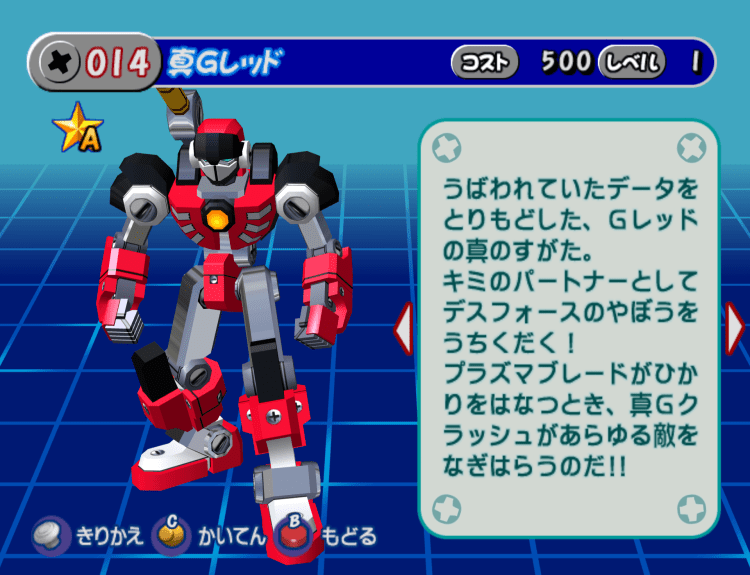
Gotcha Force has so many Borgs to collect and it’ll take you a long while to get them. This doesn’t at all detract from the benefit of reading through each entry. Try reading every entry whenever you get a new Borg, refresh regularly (Perhaps when you start a new game +) and when you’ve unlocked them all see if you can read them all.
Know your friends
The dialogue for Gotcha Force is fun, if not a little cheesy in the best possible way. I always encourage people to read aloud when playing games. Due to the vast roster of characters here you could even take this as an opportunity to guess and mimic each character’s way of speaking. This will engage you more in the feel of each line and strengthen your memory for used vocab.
Additional Images

 Games & Kanji