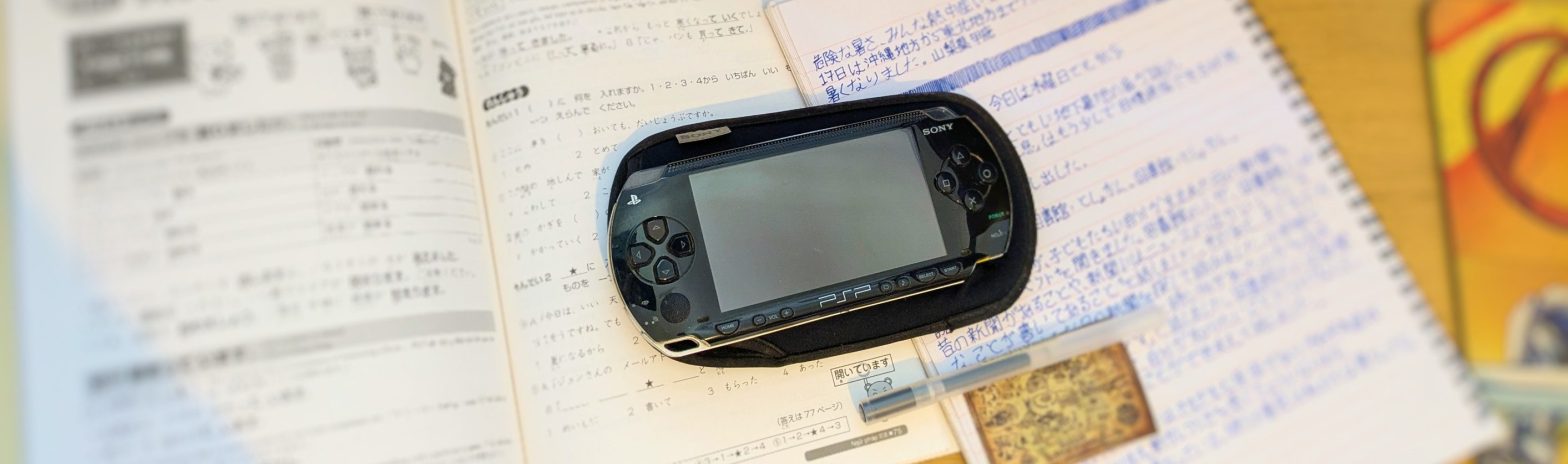
This may sound like a stupid question in relation to learning anything, let alone something as complicated as a whole secondary (or tertiary, or more…) way of thinking and interacting with the world. My methods have never been 100% orthodox and sometimes they’ve just been downright weird, so where does typically academic studying and revision play a part in all of this? As with most things there are numerous factors at play so I wanted to dive into each and see where revision may or may not be effective. I’ve always had an interesting relationship with revision, both in my academic years before language learning and since picking up the Japanese mantle, and my approach has been very different in each setting. In a recent interview with a friend of mine (Link here if you’re interested) we discussed what was more important, revision or variety, and her answer surprised me sparking my below ramblings.

I suppose a good first step here is talking about what you define revision as. For many it can be as clear cut as sitting at a dimly lit desk, flicking through textbooks and rereading them over and over again until either everything sticks or you start to lose the will to live. In my mind it’s not quite as comically strict as that, simply going back over recent scribblings, making flashcards or even rewatching video content would count under the general definition of revision. In essence, it’s any form of revisiting the same material again, sometimes multiple times, in order to deepen your understanding of it. The prerequisite for this is keeping track of what you’ve previously learnt, be that by a schedule or just your sharp memory skills. If you are so inclined, you can even sequentially space this learning out, using a tool like Anki, to carry out spaced repetition, which is scientifically shown to reduce the amount of content that you forget over time. All seems like a no-brainer, it’s advocated by many language learners and has strongly proven result if carried out… and that’s the crux of it. If carried out.
I don’t do this. I wouldn’t classify myself as a lazy person, I’m always fairly diligent in everything I do, however logging new words, tracking progress and creating flashcards has never been my style. I say “never”… I’ve done it plenty in the past during my language learning journey, creating Anki decks for each game, writing out pages of example sentences, rereading chapters of Genki, but the habit just never stuck with me. The irony being that when I was in university, prior to my final exams I hand wrote the entire curriculum 3 times from front to back (I still have the notebooks for proof for any non-believers out there) and heavily revised in order to pass. For whatever reason, when it comes to Japanese, the tedium of seeing the same words, many of which can be quite arbitrary and dull to learn, wore off and I reverted back to my natural state of just immersing and enjoying content, aka the variety approach. It could also be said that the way kids learn language as they grow up is arguably closer to this process. While they do spend time in school revising academic topics, their knowledge and usage of language comes from different daily experiences and activities, which makes me feel that a variety approach is possibly more natural perhaps. Again maybe I’m just trying to justify my lack of desire to do grammar drills!

Now, this isn’t to say revision doesn’t have it’s place. Depending on the volume of language content you ingest revision can have some major benefits. If you’re only carrying out a small amount of study day by day then revision can help ensure you’re getting the most out of the content you are taking in. For instance if you’re a Duolingo-er or a hobbyist and only want to learn a few phrases before a trip then there’s no point trying to find a wide variety of novels, movies and deep content. Additionally, when reading through textbooks in preparation for a test like the JLPT, it can be beneficial to revise to ensure that specifically required knowledge sticks. That way each time you come back to the course content you can focus solely on what’s required in a stepwise manner.
This is to say, purpose has a large part to play. If you are diligently pushing towards a grade or a qualification such as something that can allow you to work in another country, it is in your interest to take a targeted approach and re-read what you’ve learnt. You’ll also likely have a deadline-induced stockpile of motivation driving you to push past the boredom of studying. When I took my JLPT exam I was much the same, reaming through decks of grammar points, handwriting pages of example sentences and taking more test JLPT exams than you can shake a dango at, but it got me the passing grade and was well worth the time invested. Since then, I haven’t had any deadlines (outside of translations) and so my only focus is playing as many games as possible, speaking to as many people as possible and working towards being able to read every bit of Japanese I could ever see. Perhaps the sheer volume of that task isn’t conducive to taking every single word or phrase away to revise…
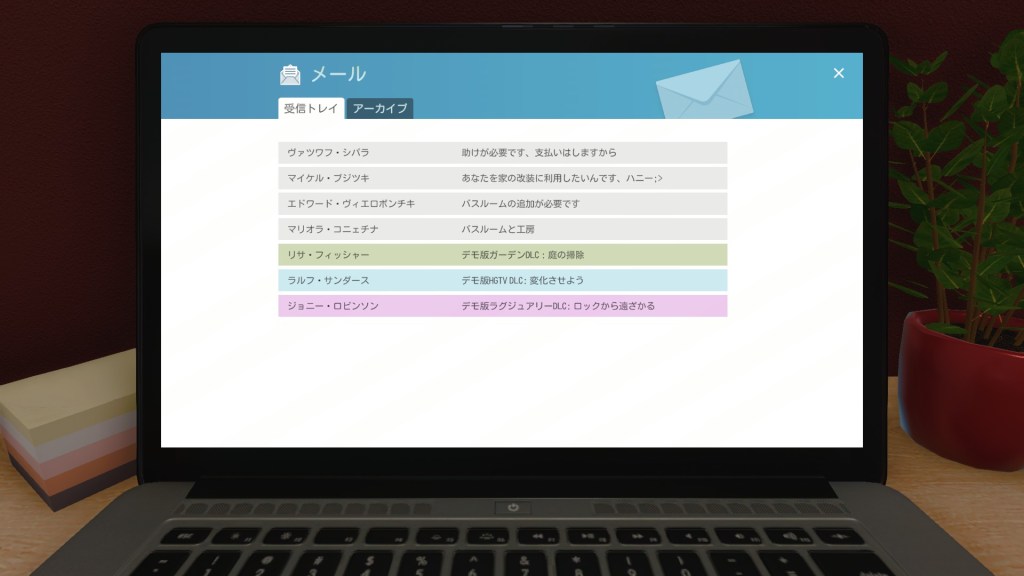
Last but not least, the style of revision is also important. For written or audio content we could quite easily imagine how that revision would go. Writing, taking notes, rewatching an episode a few times (maybe a lot of times). For instance I watched a video not too long back about rewatching episodes and video media an alarming number of times (check it out here if you’re interested) and it highlighted the efficacy of repeat exposure and note taking. For those that are aiming towards improving your conversational skills, it may be difficult to pin down someone who is willing to repeatedly revisit the same topics to the same degree that you can get with self study. You may have a dedicated tutor however it’s likely they’ll want to do short recaps and move you onto other topics to expand your knowledge. Even with friends, naturally conversation will likely take you onto other things such as weekend plans or recent events. At least from my own experience, each learner’s goals seem connected in some way to the style of learning that helps them develop. Diligent revision for readers and varied conversation for those looking to build natural conversation. This is why my friends response surprised me. She has always learnt through conversations and struggled with aspects such as reading kanji, and yet suggested that revision is better than variety. This somewhat blew my previous manner of thinking out the water.
The crux of it all is that revision can vary in its definition. Much of what I do could be deemed as revision even though I don’t strictly focus on rereading yesterday’s notes (implying I take any notes…am I a bad learner?). I try to read articles every day, and every article I read will be different. I rarely revisit any of the same content (short of playing the same game for a while). Even as far as reading manga, I’ll open a directory of free manga online and start reading something new everyday, even if I hadn’t finished the previous issue. As I write this even I think I sound a little crazy so maybe don’t emulate exactly what I do but, my point is that getting vocabulary from a variety of sources, with differing contexts and nuance, has been really effective for me personally. I think the reason I do this is a lesson I took to heart from my older brother. He said that if you wanted to get good at something, do as much of that thing as possible. If you want to become good at drawing pictures, grab a pencil and draw 100 pictures. If you want to be able to run a 4 minute mile, put your shoes on and run a much as you can until you achieve it. If you want to be able to read all of the Japanese around you, find as many different sources as possible and read, write and listen until it all starts to make sense.
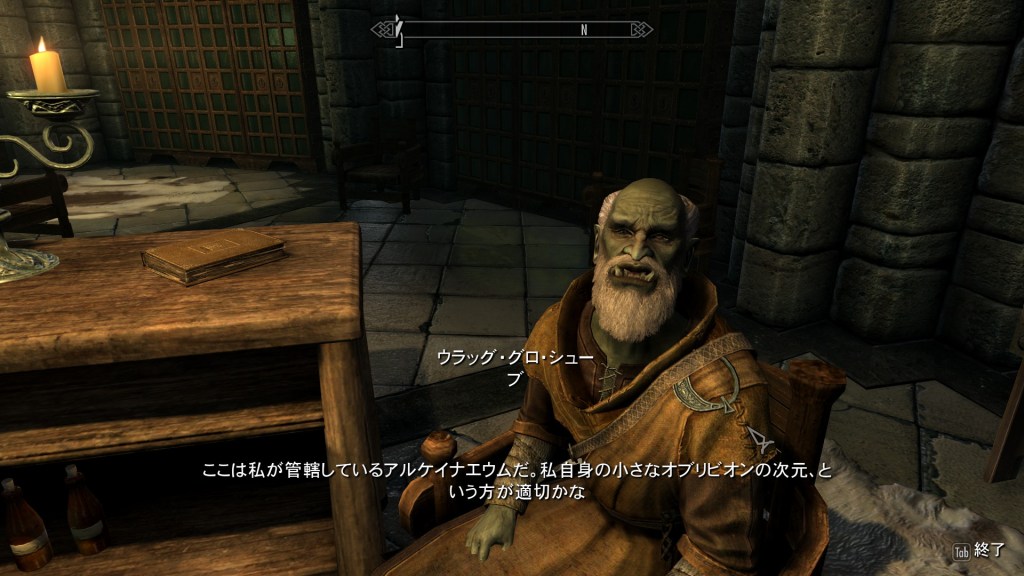
Flipping back again (because apparently i’m like a pancake when it comes to interesting debates), hypothetically, if I were to change my tact and revise in the way academics might advise, would I see further benefits to my learning journey? Probably. I’ve had many instances where I’ve forgotten words, possibly because I take on a very Steve Kaufman approach to language learning. More of a “better to learn a lot and forget than restrict yourself to a smaller pool of grammar” sort of outlook on it all, yet it would be nice to be able to remember everything consistently in order to save me time looking up words I’ve definitely read before. I’ve stopped playing games in the past because the vocab reached a higher level than I was comfortable with but I could have likely overcome this by jotting down some of the more frequent difficult words and drilling them through Anki. At the end of the day, it’s all about balance, motivation and what works for you. Everyone will have a different method. Some may even argue that my “Try, fail, restart” method that I seem to pose the challenge for on every game is just a short scale derivative of typical revision. As I say, I see many of the same frequent words and grammar day by day even if it’s not from the same resource so maybe I am revising in my own unorthodox way. The be all and end all is, keep studying and you can’t go far wrong.
 Games & Kanji