The survival sandbox genre has been done time and time again in many different fashions. The likes of Minecraft paved the way for land-based collecting and crafting but when it comes to taming the cold, isolating oceanic beyond, Subnautica is King. This is a game that instilled more fear in me than any other title I had played so far, horrors included, and I loved every second of playing it. I dove into Subnautica while avoiding any spoilers for the regions and creatures I would be facing and as such, when swimming out into the dark unknown I genuinely felt my legs go a little limp. The whole game is a cacophony of alien fueled imagination tied in with science and discovery and you can easily get addicted to going a little deeper and spending a little longer away from the safe shallows each time. This game is not only fascinating but it is breath taking.

Platform and Languages – 9/10
Subnautica is available on Xbox One, PS4 and 5, PC and Nintendo Switch for roughly £25 ($33) at the moment however, due to it’s popularity perhaps, it has remained on many console subscriptions for free for some time. I played through this on Xbox game pass for about a year without the game being recalled or replaced.
The game is available in Japanese across all platforms however the language must be set on the console settings rather than in the game menu.
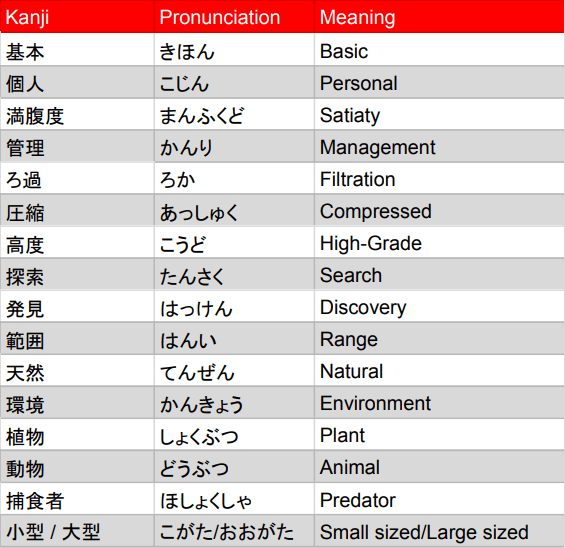
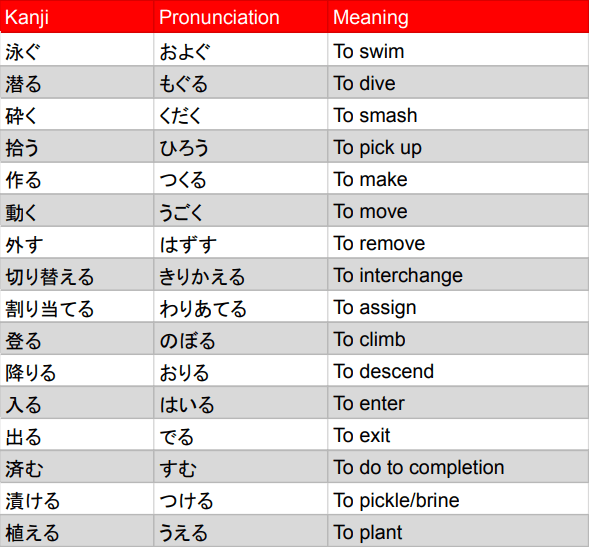
Glossary

Usability – 9/10
Subnautica is an incredibly vast game, both in the scope of the region you are exploring and the variety of its inhabitants, materials and story. After taking in the drama and vibrancy of your abrupt landing on Planet 4546B, one of the first things you will notice is the narration. The initial scene is narrated with clear subtitles however the audio language is in English and while this isn’t a huge issue you’ll find that it can lead to taking in the information more readily through audio than by reading the screen (especially as explosions or fire are happening around you). I only mention this small gripe so early on because it leaves nothing but praise for the remainder of this review.
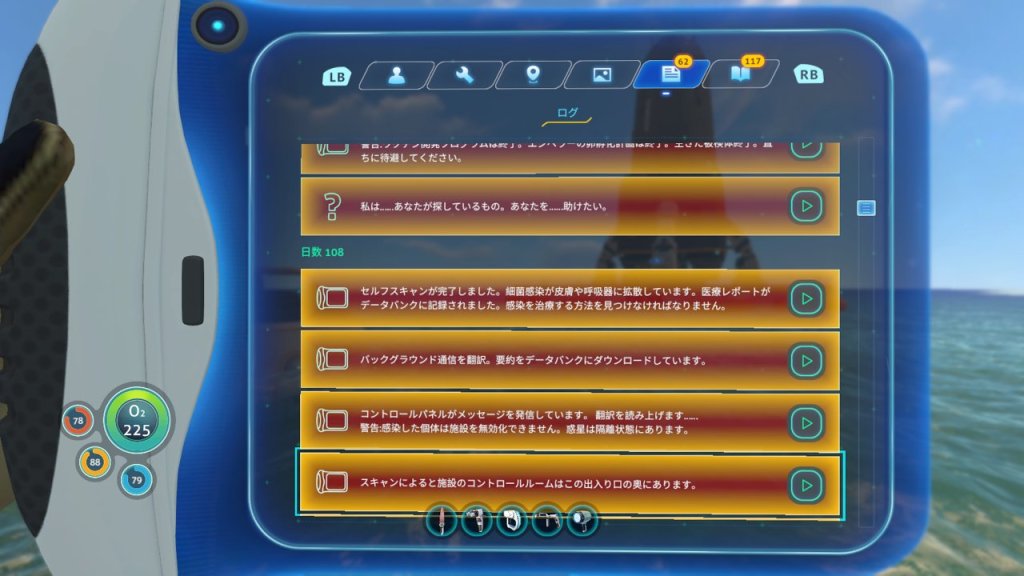
Your primary objective as you follow each story checkpoint will be to work out how you can get off the planet and back to relative safety, away from the dangerous ecology and mysteriously advanced defenses lefts behind by other intelligent life. Without other NPCs in the world you rely on the audio files and data banks littered along the sea floor to guide you to each subsequent waypoint. Should you get lost or confused (easily done in the expansive waters) you’ll find your data log a valuable source of information to get you back on track. Found within your tablet this is a bank of all recorded conversations from previous crew members and your team back in space that you can trawl through and reread for some good conversational dialogue. The English audio does act as a crutch here as if you struggle to understand what a previous tape may have said you can replay the audio and use it to fill in blanks in your knowledge.
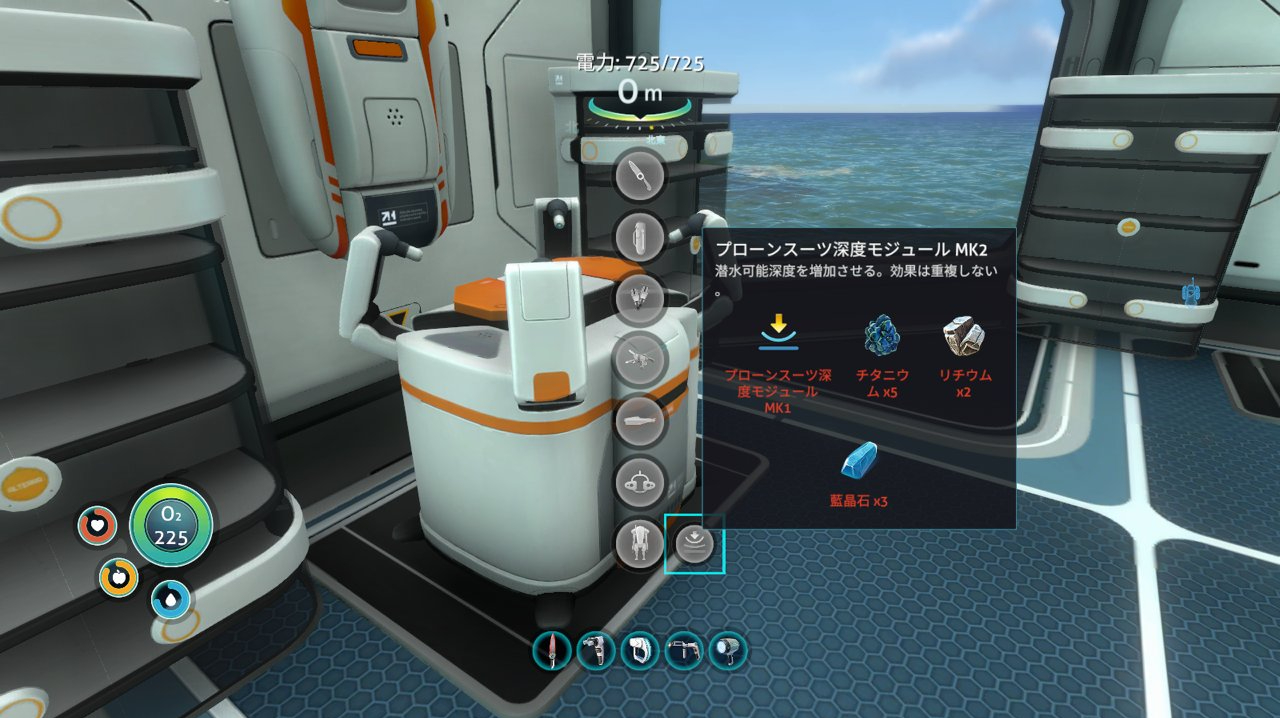
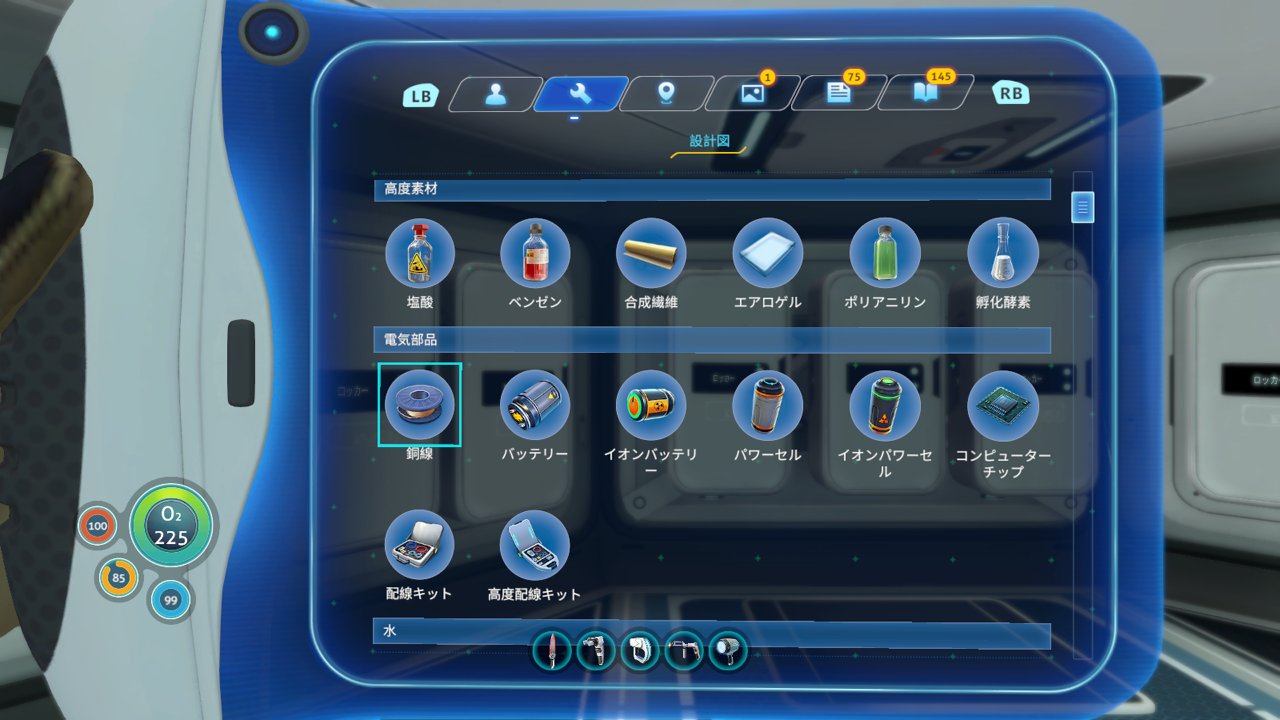
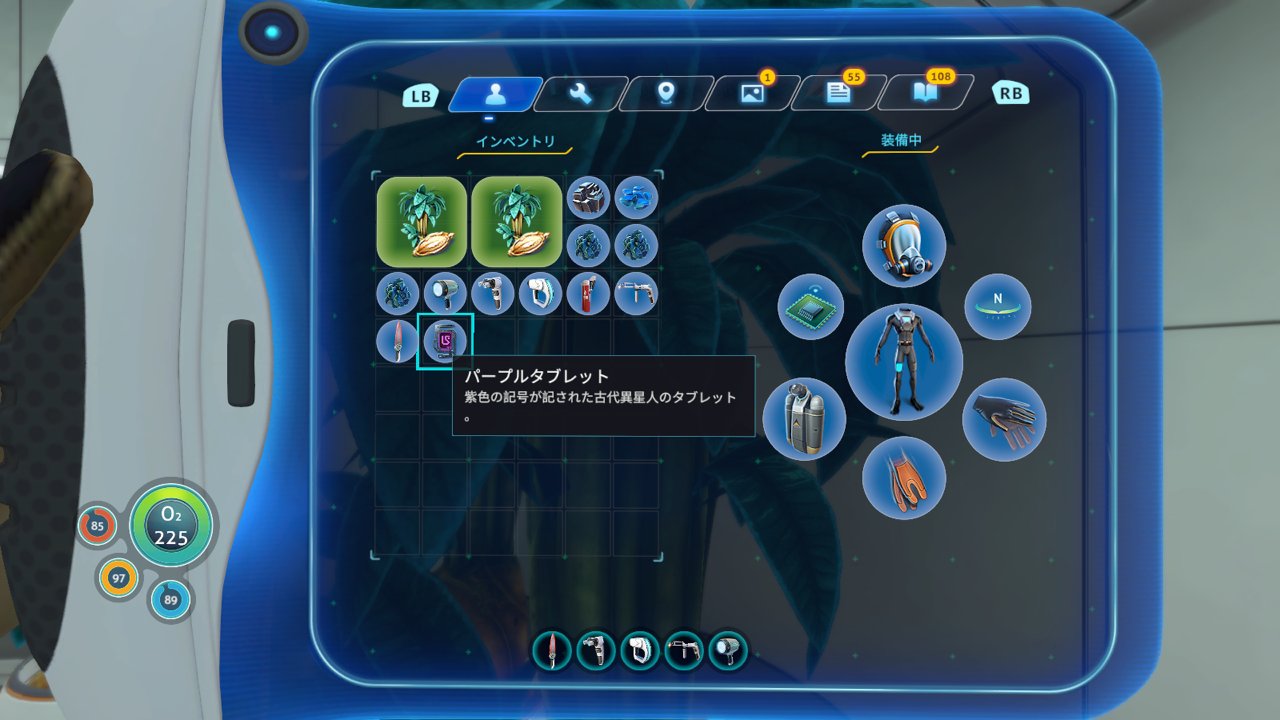
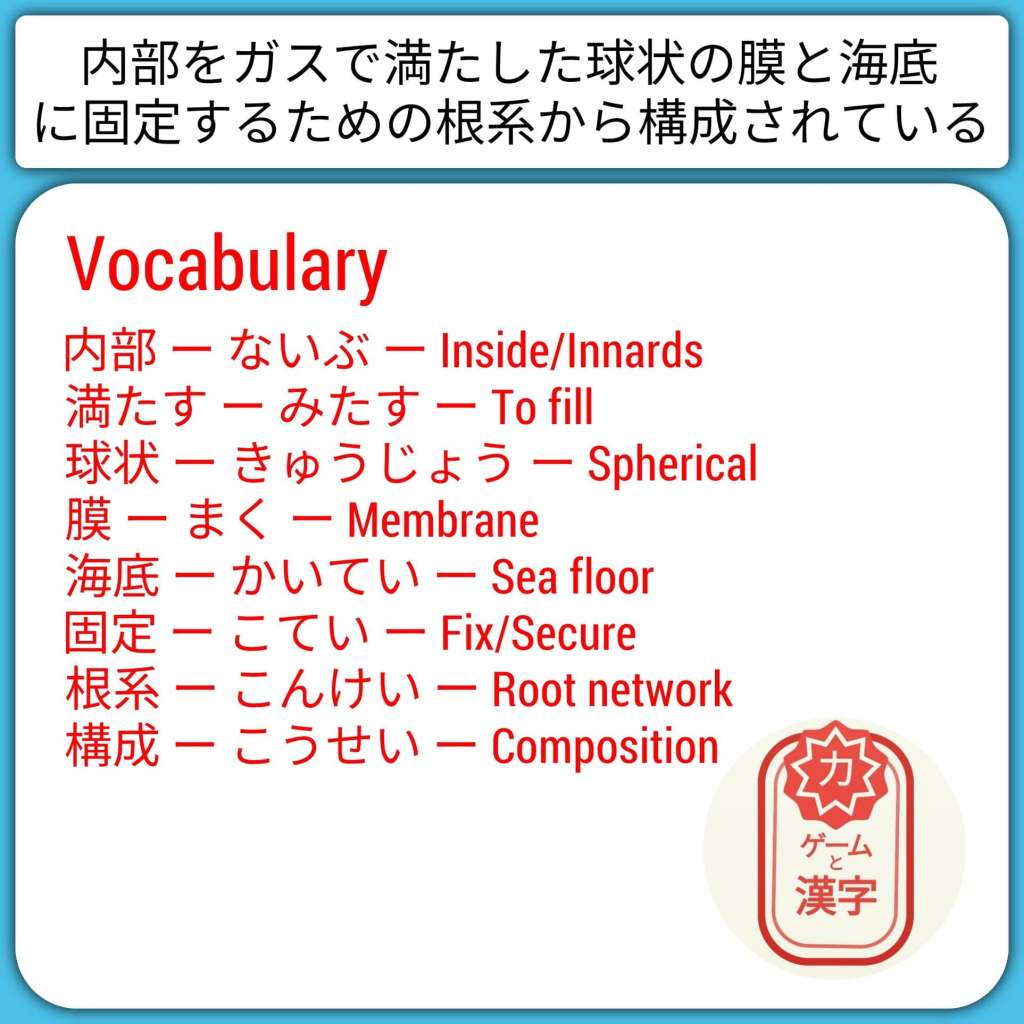
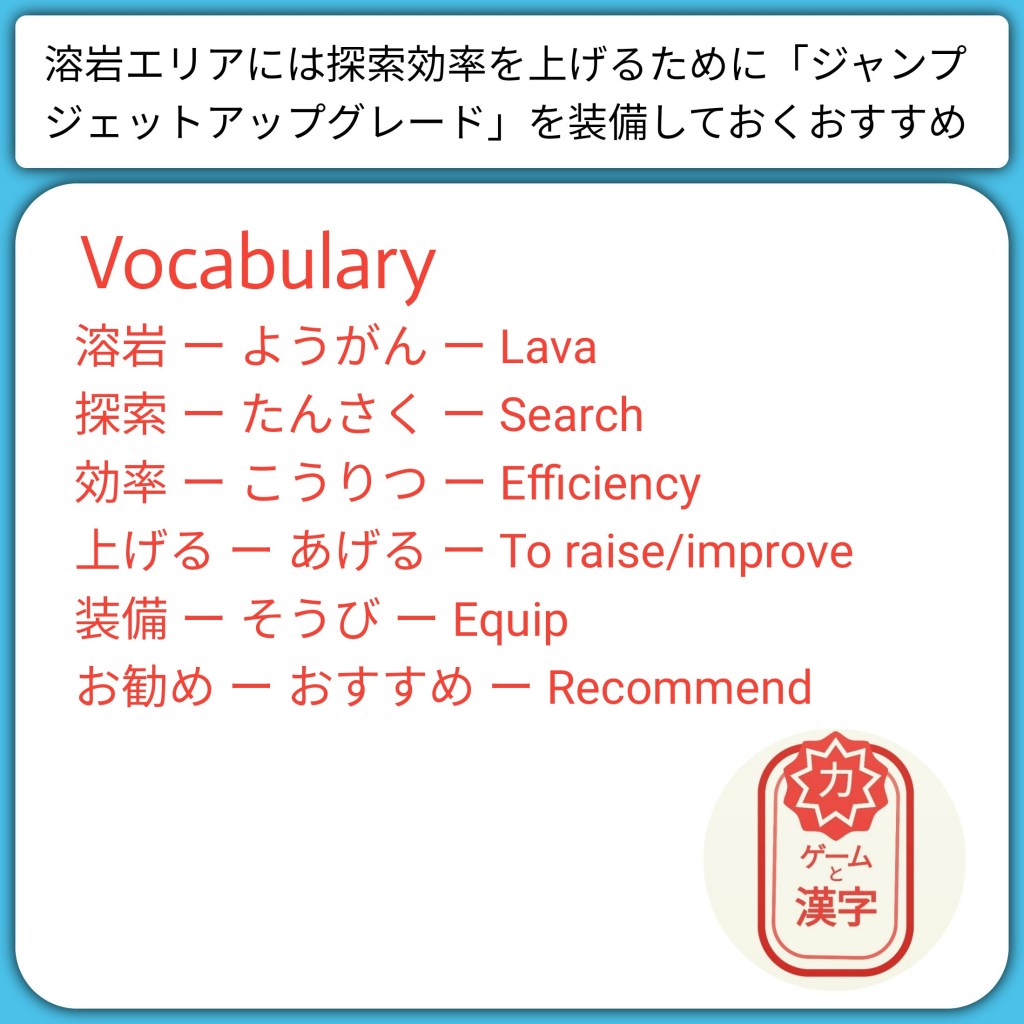
The bulk of your gameplay is searching for and collecting materials. These materials can be modified though your fabricator in order to produce foodstuffs, structural components, equipment and more, with each and every item throughout being labelled clearly and having a brief description of its function as you hover over it. You will see this UI countless times for even the simplest of actions including maintaining your basic human needs so it is wise to take any opportunity of safety to familiarize yourself with the vocabulary. Many of these items use scientific language or more academic compound kanji words but this is to be expected for the nature of the game. A notable point for me was how clear and easy to read the font was. There were no points in which I struggled to make out a kanji while I was reading meaning even for the more advanced language I could always see the strokes required to search up unknown words in my dictionary. The clarity of this font was never so stark that it intruded on actions outside of the tablet either, even while out and about the minimalist UI was unintrusive and gave a good balance of additional verbs and actions.

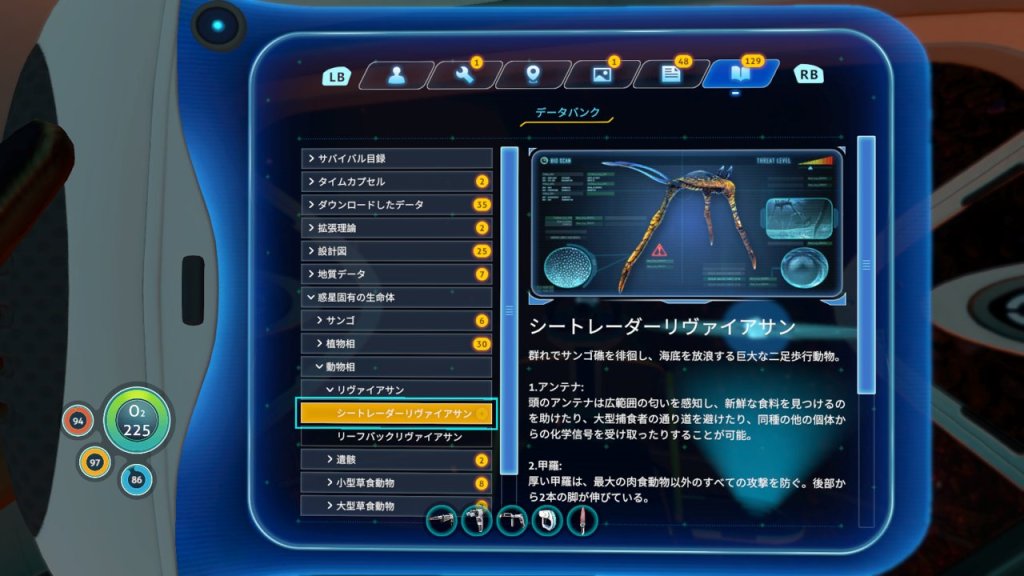
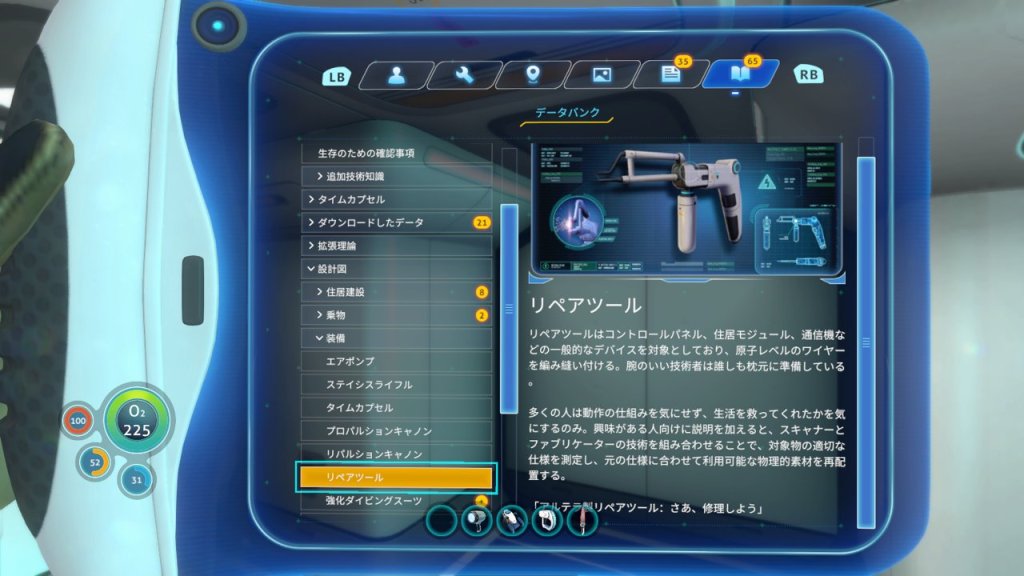
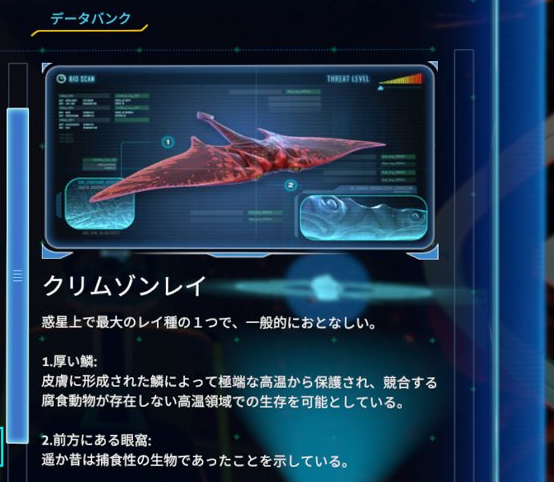
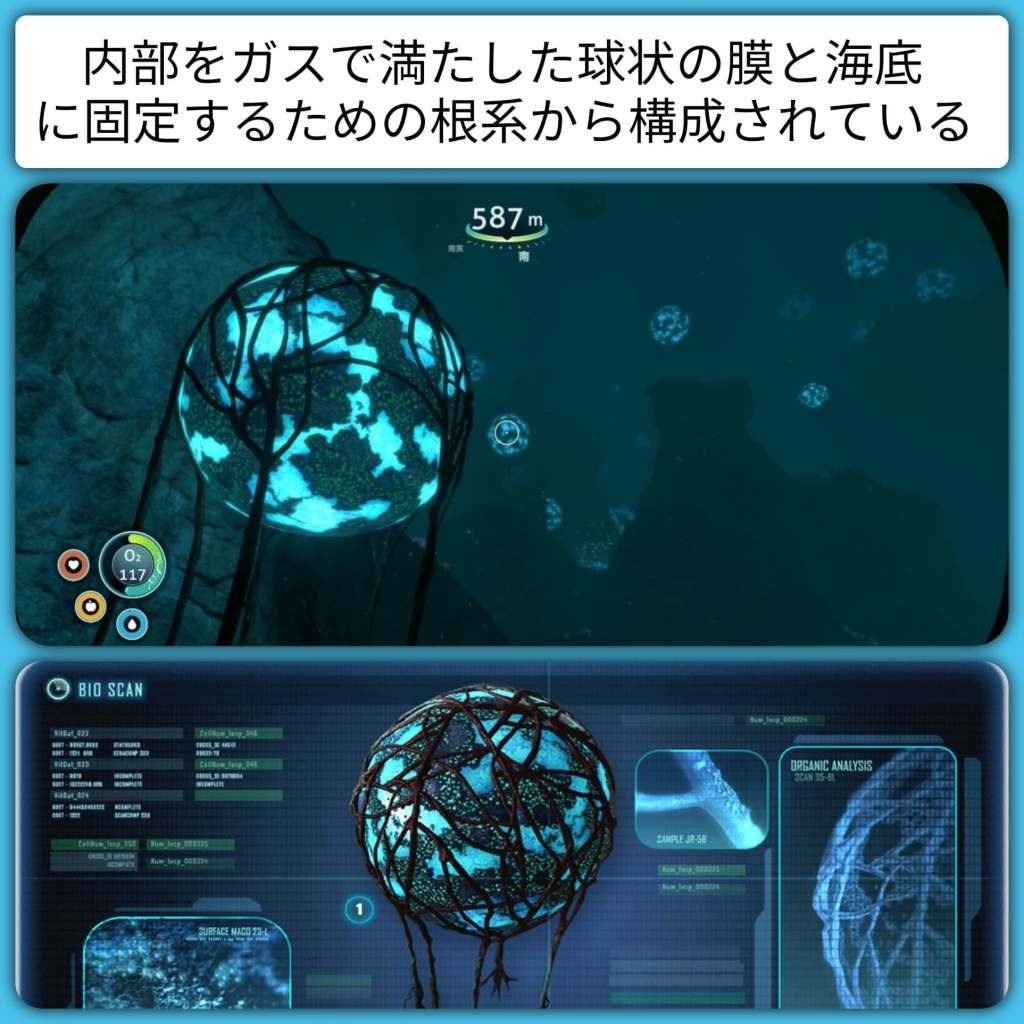
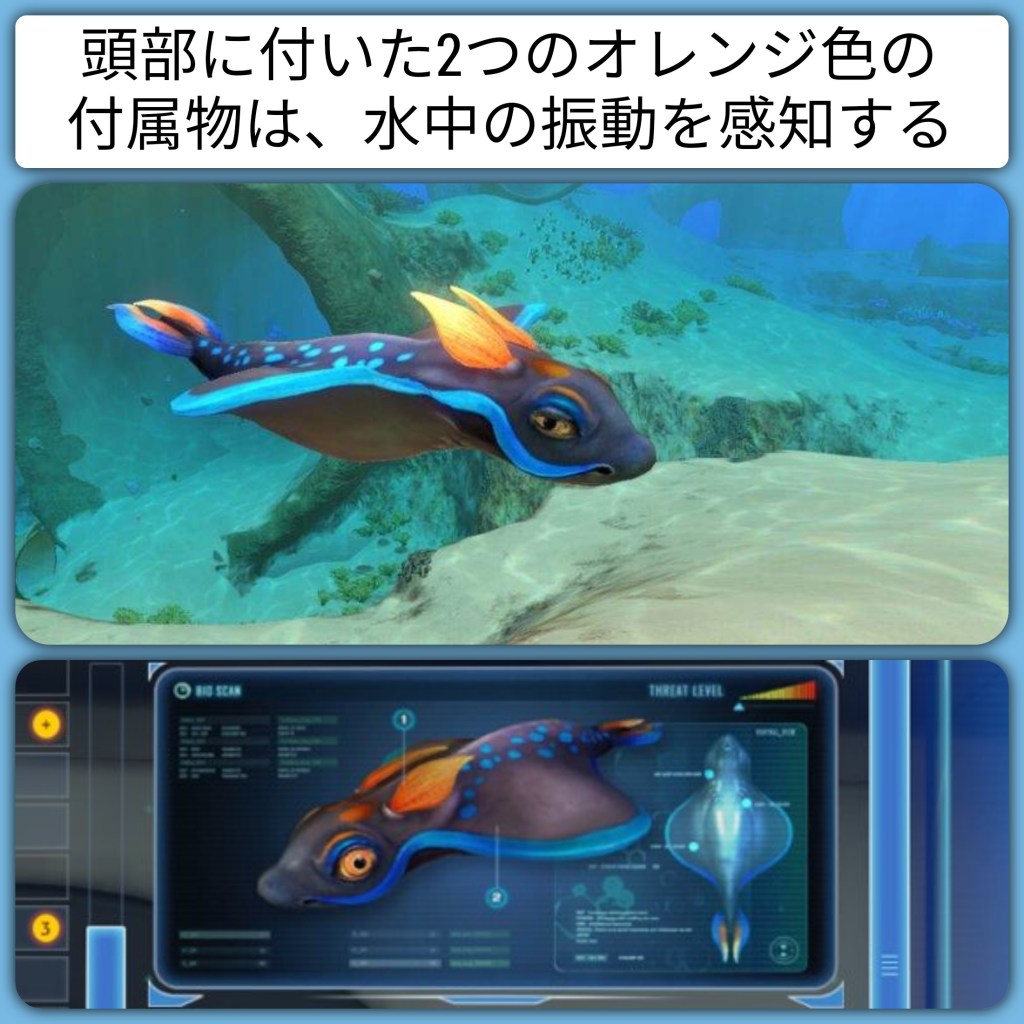
Subnautica has a brilliant way of making you embody the role of a biological scientist. At every stage you are encouraged to pull out and use your scanner tool. This is a cool little gadget that allows you to produce a data log to add to your extensive database. These files often includes an image coupled with various facts about the properties of the item, organisms or equipment you are scanning. For animals and plant life this can include a clue into their lifecycle or position in the foodchain whereas for equipment and vehicles you can read more in regards to the early development or available functions. The variety of reading material even within one subsection here is immense. If you did want to expand on other topics you also have environments, alien discoveries and even a basic survival guide. The survival guide in particular is a fun little written introduction into some basic requirements that are applicable directly to the how you are playing making for some relatable and digestible vocabulary. For additional support and similarly instructive language you can also couple your gameplay with a number of strategy guides in Japanese such as these: グリム通信 and Seesaa Wiki
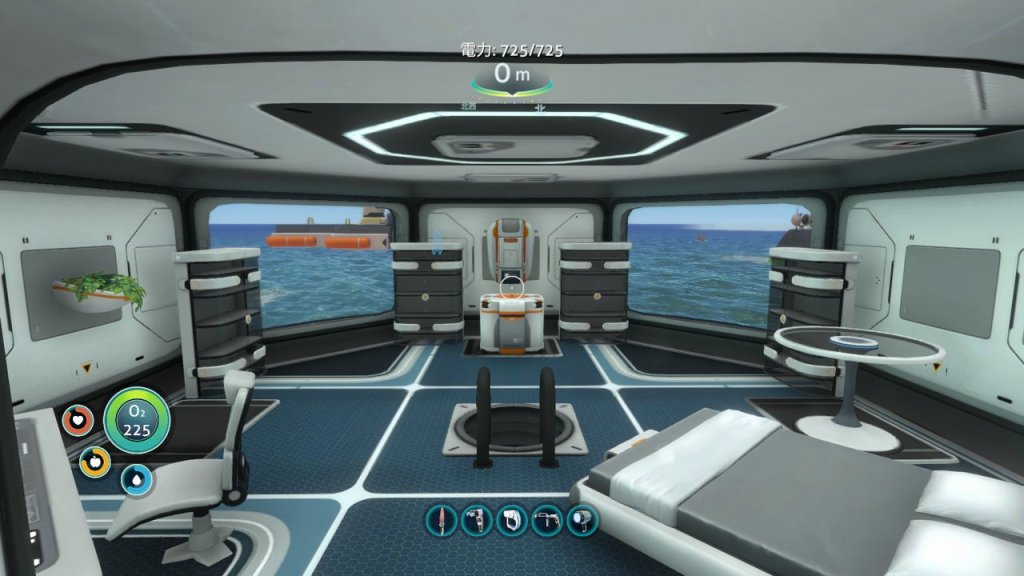
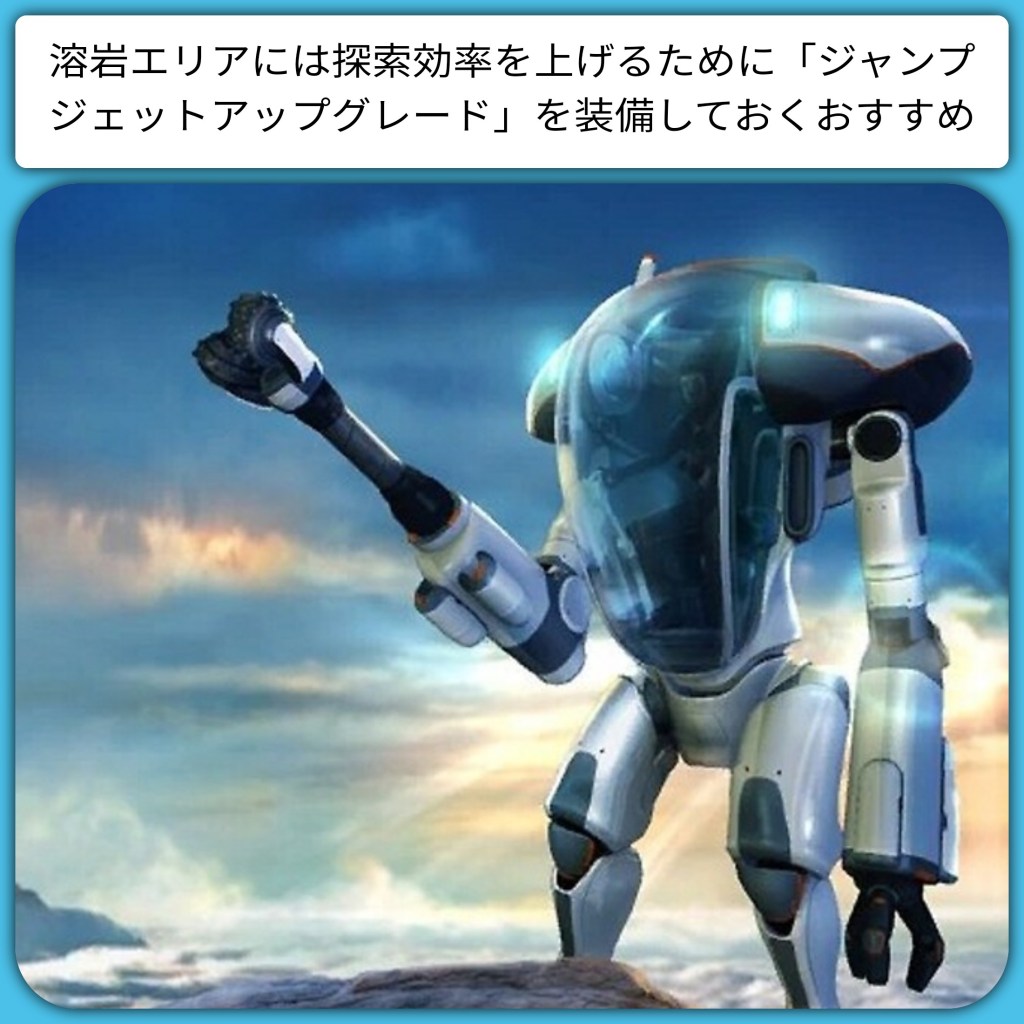
While you are reading you will note that your hunger, thirst and oxygen are still visible, this is because while you are interacting with the tablet your world and satiety are continuing to work and decrease in real time. This might be alarming especially if you have a lot you want to read and you’re running low on resources however this was actually one of the biggest motivators for me to keep playing and developing my bases. My sole goal for the majority of my playthrough was building a fully automated base so that I could dedicate more time to reading the files. I had developed and constructed all the required farms for food and water as well as unlimited energy to keep all my tools and vehicles topped up and my in-base gadgets ticking along. All the while I was collecting more info and eagerly awaiting to read it. One of my happiest memories while playing was getting a thermal charger in my fully stocked cyclops that allowed me to sit in the lava zone for hours undisturbed to read and write through the many logs I had set aside.
While the portions outside of the tablet are not massively word heavy, the fascination of seeing new creatures and biomes spurs you on to want to read more. I would make a firm wager that if you are following my methods and are playing Subnautica in your target language then you would have a similar eagerness to learn more about the brilliantly crafted world too. This is very much a living encyclopedia and if treated as such will serve you well in your learning.

All in all I fell in love with Subnautica, prior to my love of linguistics I studied biological sciences and had a keen interest in the natural world so the opportunity to take in new words relating to chemical compounds and ecosystems blew me away. If you have a personal interest in nature then this game is a no brainer but you can also find topics such as engineering, computing and aliens too. This is a game I’d recommend that everyone plays at least once in their lives, whether that be in a foreign language or otherwise, and it will sit as a personal favourite in my memories for a long time. Looking forward to playing the sequel!
Challenges and Methods – 9/10
Writing out the logs
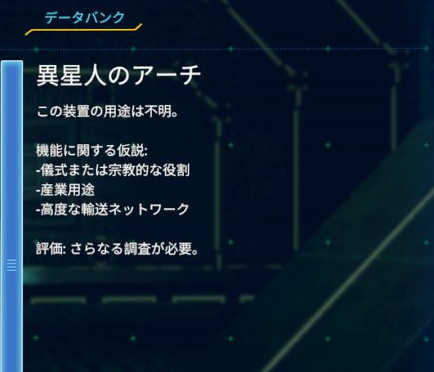
The method I used most while playing through Subnautica is my old faithful of using either a notepad or whiteboard to write from the start of a log to the end from memory. If you falter at any point then cover it up or rub it out and try again, checking your errors and misremembered kanji along the way. This builds wrote memorization more than anything else but does help with remembering the writing for each kanji and ensuring you are taking in each and every word.
Hold your breath
As discussed, while reading through the various logs you’ll notice that your hunger, thirst and (if in open water) oxygen levels decrease. If you’re feeling brave and fancy a challenge see if you can read or write out a whole data log before one of your needs runs out. If this proves too easy then try multiple logs or some of the more expansive texts. After giving this a go a couple of times you’ll be grateful for the shared vocabulary between certain items and subsections. I would recommend ensuring you have ready supplies before trying this one!
Previous Posts



External Links
Translation Guides
Subnautica: Beginner’s Guide
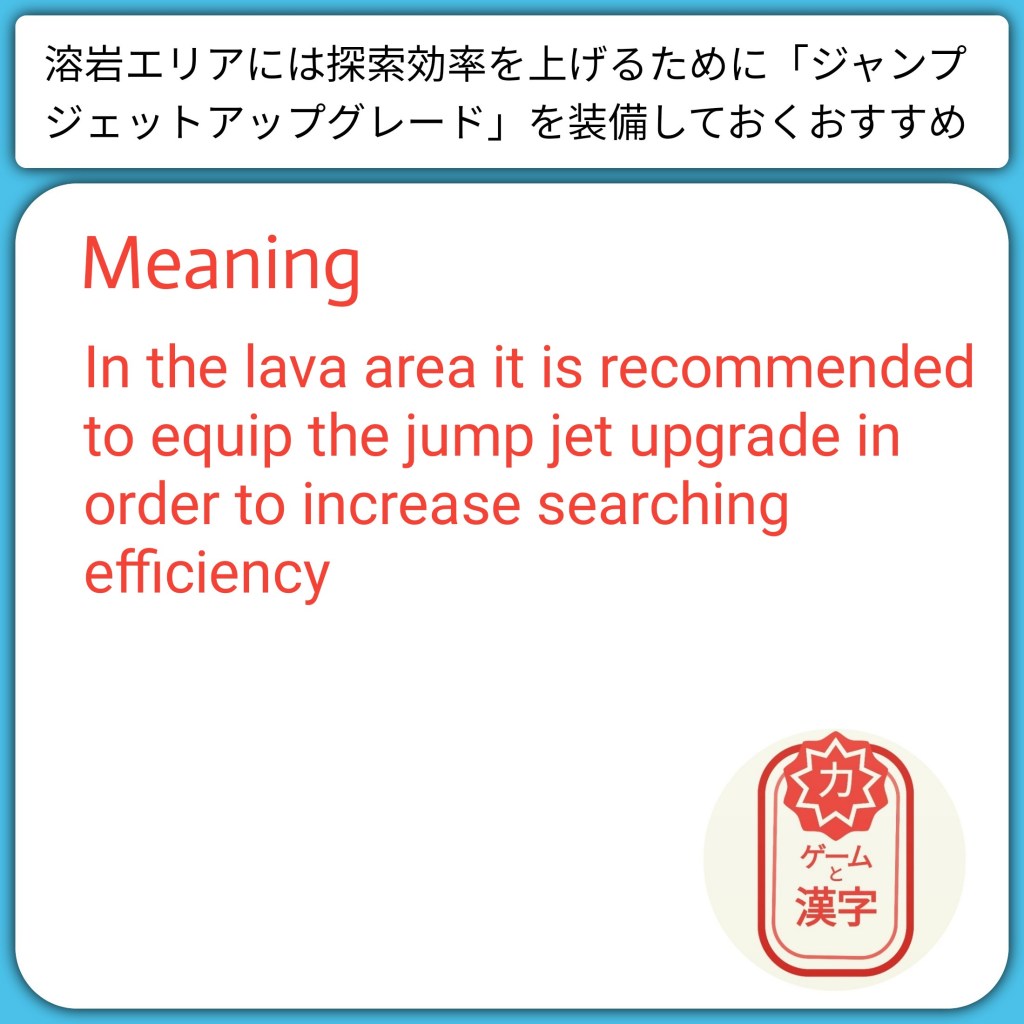
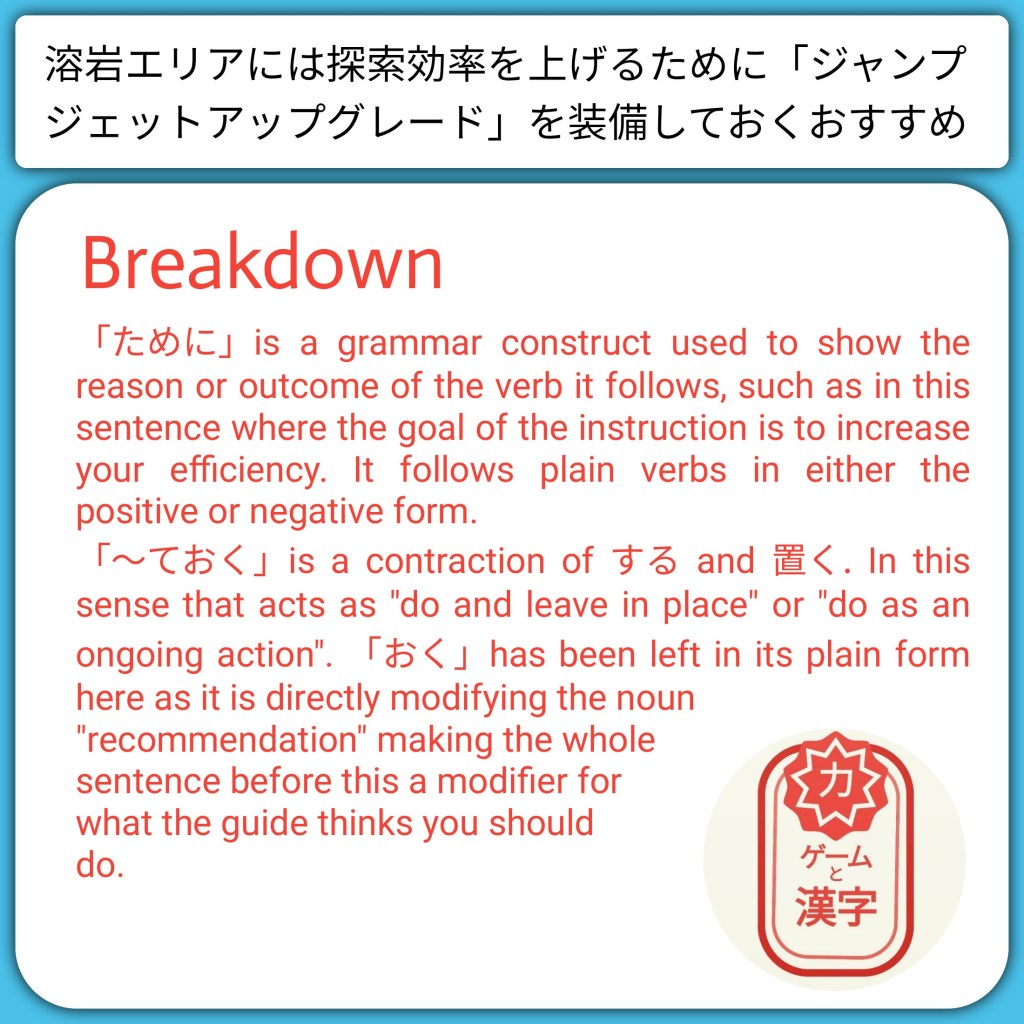
This guide features on the website Seesaa Wiki, a Japanese game guide website. This article not only shows beneficial early stage hints for Subnautica but great vocabulary too!


Remarkable! Its really awesome article, I have got much clear idea concerning from this paragraph.|
LikeLike