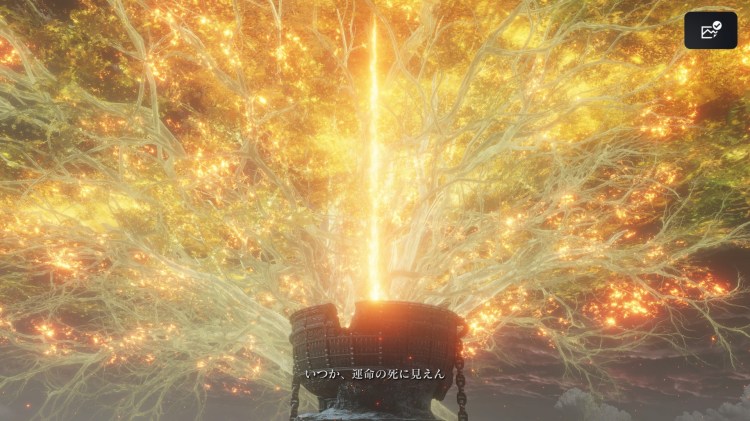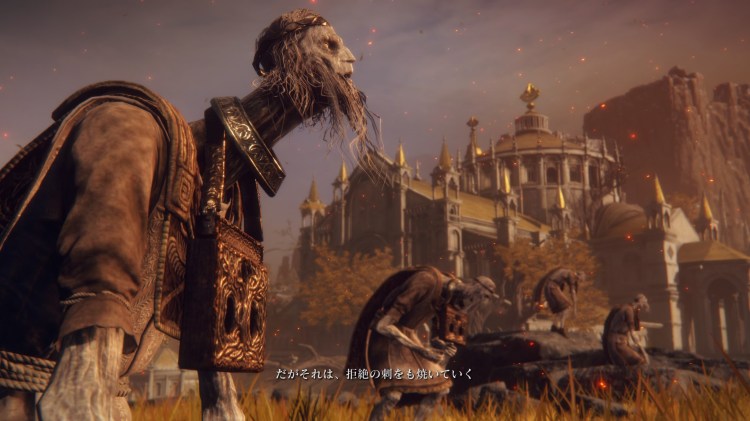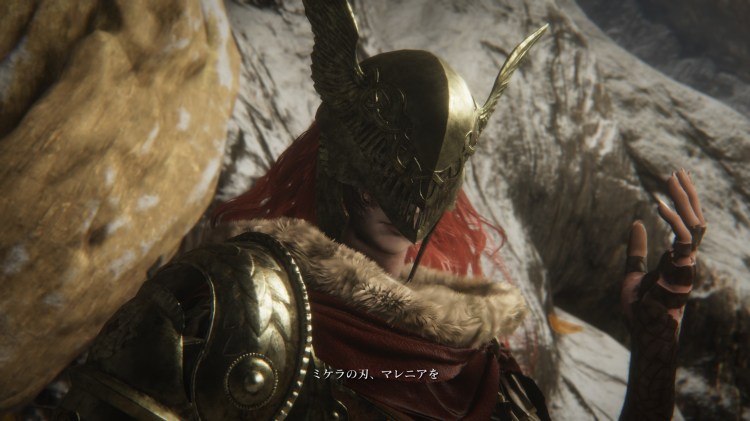
This review has been a long time coming and I’m almost sad to write it as it’d be the proverbial shattering of my reason to continue playing Elden Ring. Every now and then along comes a game that is so simultaneously huge and packed to the gills with vocabulary that I get a little lost in it. It definitely doesn’t help that I’m an avid lover of all things Fromsoft but, bias aside, Elden Ring was an emotional and educational journey. The twists and turns of George R.R Martin’s mesmerising story, intertwined with fantastic gameplay and perfectly presented lore (additionally all in Japanese) was enough to keep me hooked for literal months. It is the sole reason for one of the largest hiatuses I’ve ever taken. So, after completing it not one, not twice but thrice, the time has come to state whether this was an effective use of my time, and subsequently yours. Short answer, absolutely yes.
Platform and Languages
Elden ring is solely for the bigger consoles, which is to be expected for a title of this size. You can play it on PS4, PS5, Xbox One and series X and PC. Typically it will set you back between £50 or $67. Totally worth it if you ask me.
Elden ring can be played in as many as 15 different languages. For PC this is as simple as going into the properties section under the game library and changing it as needed. For console players there won’t be an option in game but I’ve been reliably informed if you change the language settings of your console the game should match. For myself, I bought a Japanese hard copy which proved effective until it came to downloading the DLC, where I needed to make a Japanese PSN account so do take care and feel free to reach out if you need any assistance.
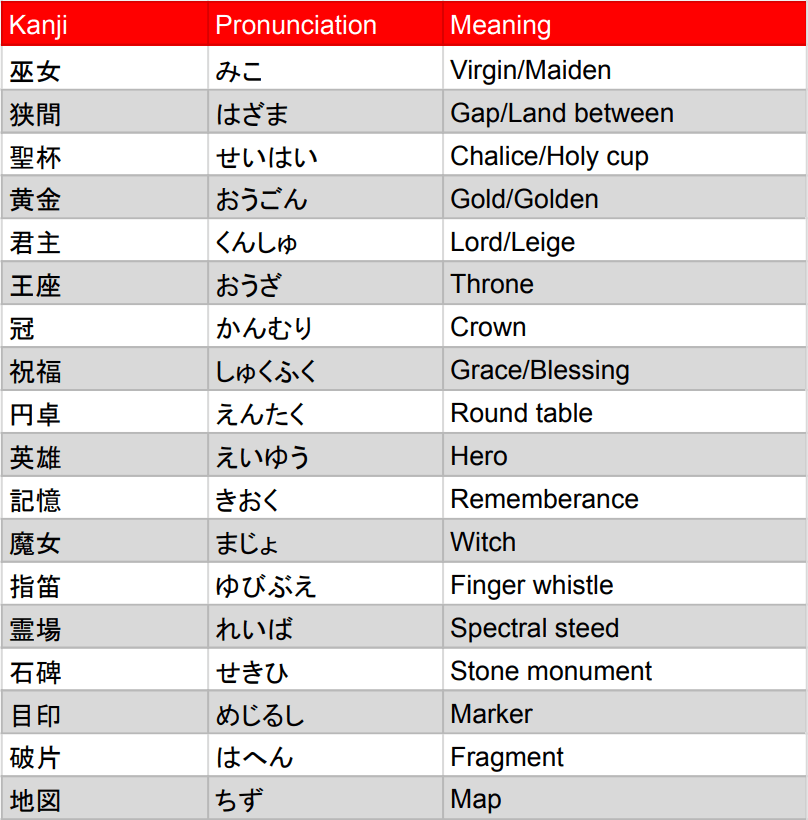
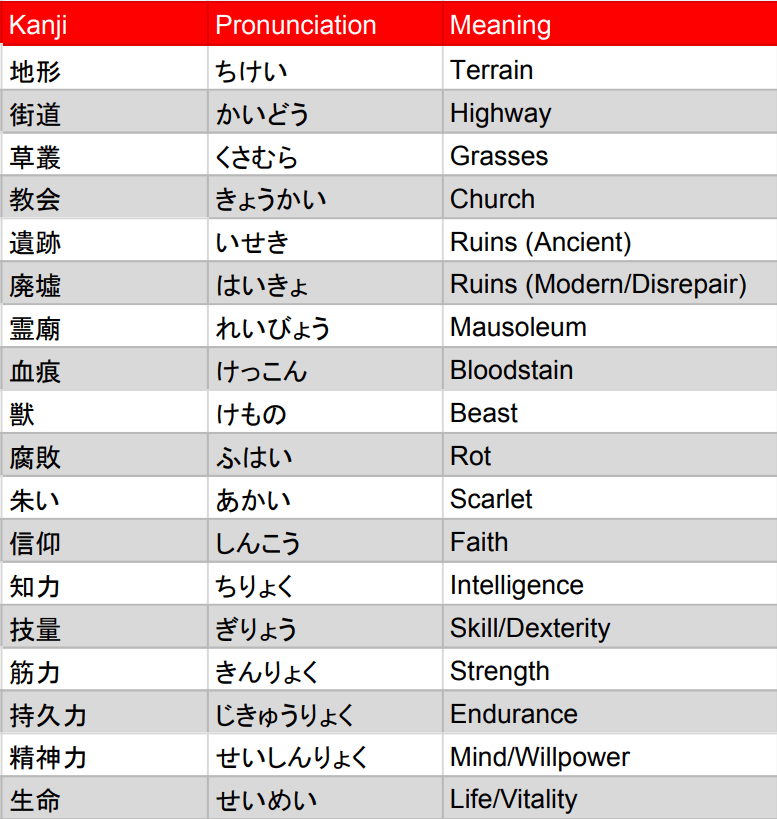
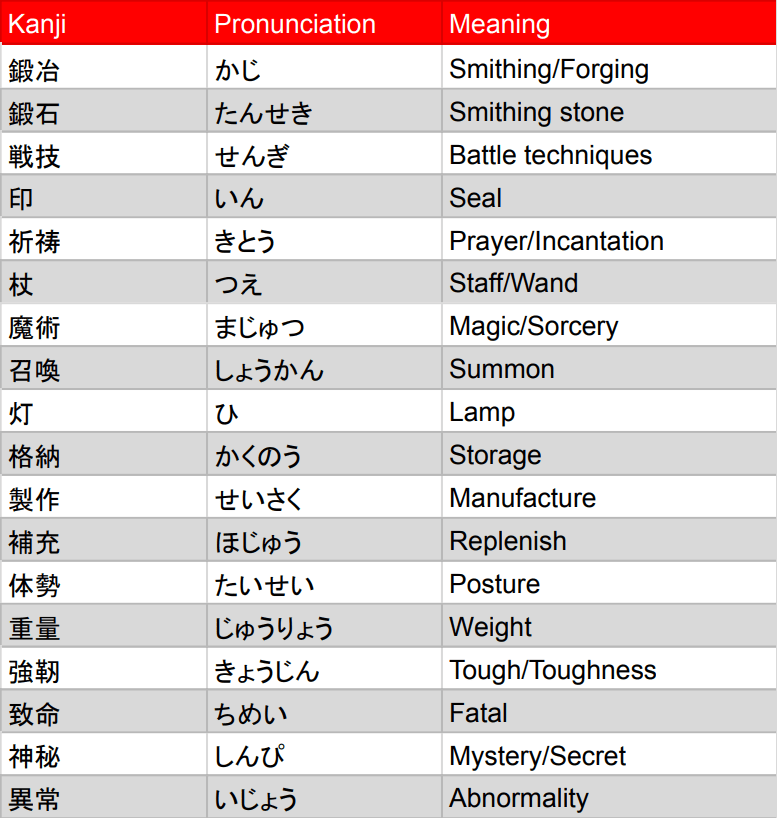
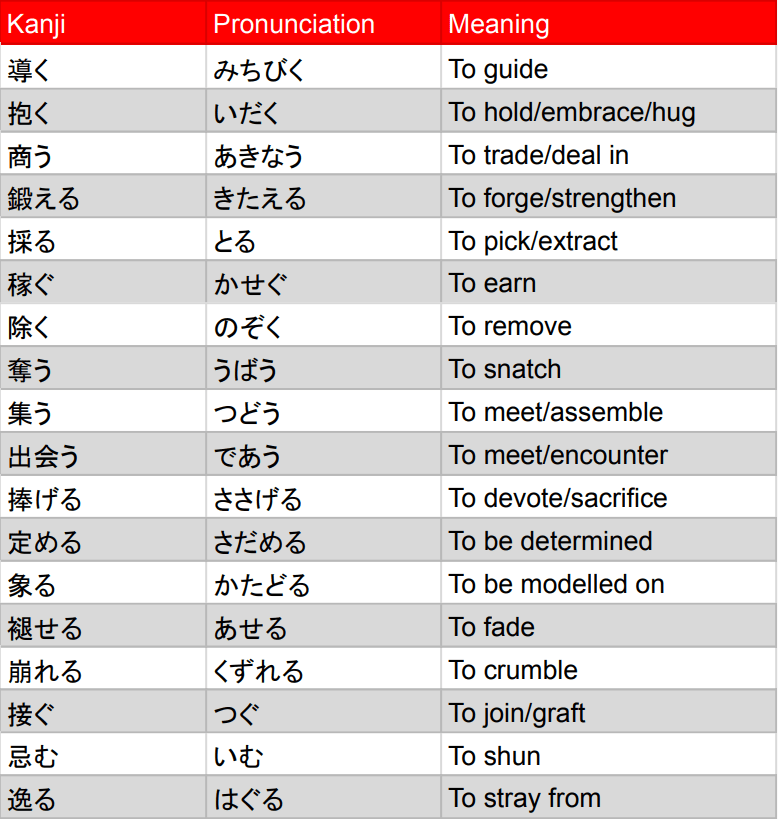
Glossary
Usability
It goes without saying, my playthrough of Elden ring was thoroughly enjoyable from start to finish. I spent many a day not only adventuring across the lands between but also sitting in front of the TV with a notebook and dictionary, working my way through the vocab of the extensive lore. As with all Fromsoft games, Elden ring oozes quality. Every tree branch in the open world has been considered, and some weapon found in the far off depths of a random crypt is placed there specifically to denote who had dared to such a venture. All jokes aside, the user interface, font and legibility of every aspect of the game is pristine. The only limitation in my ability to read anything was the fact that the language used was bloody difficult.
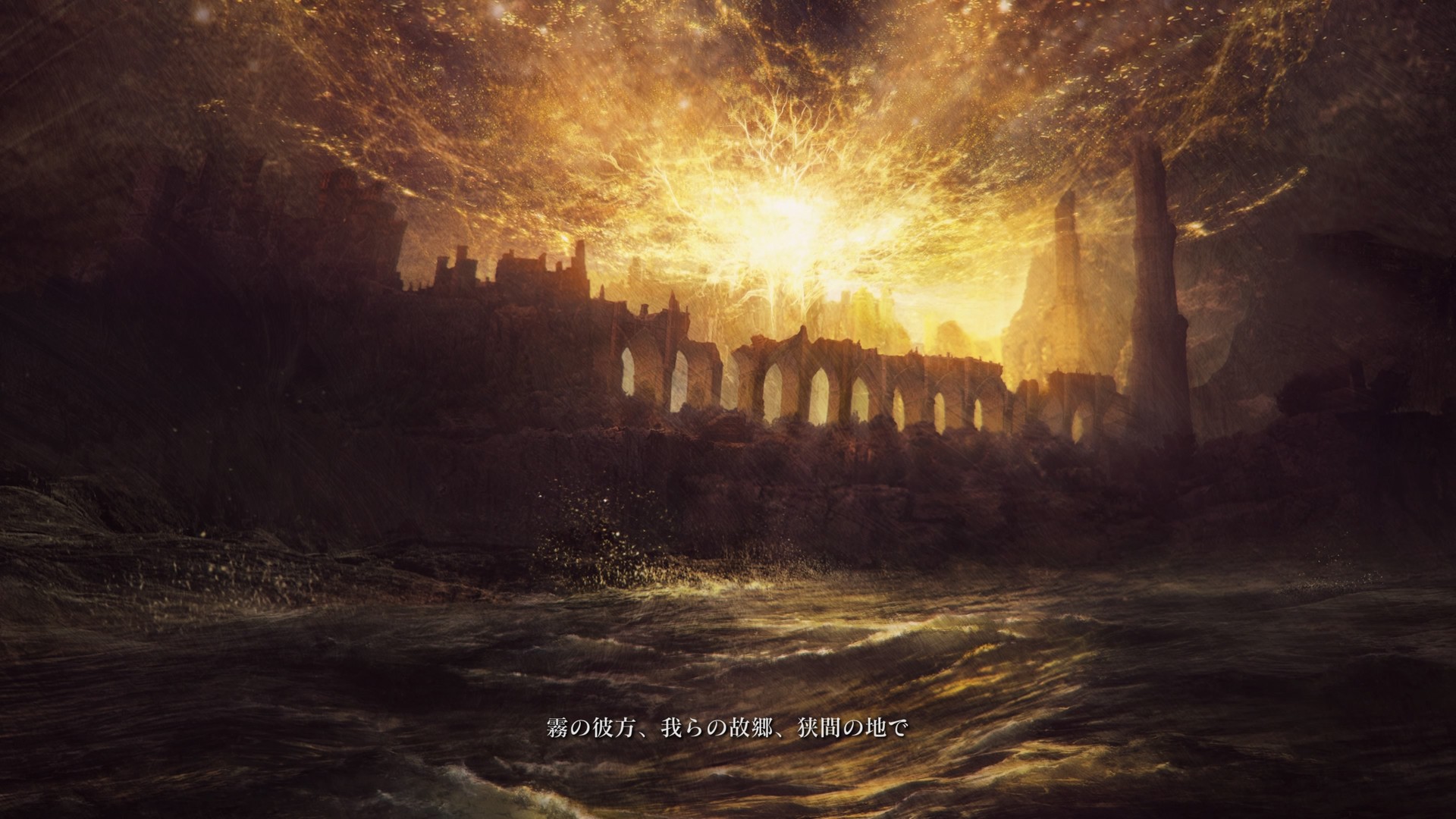
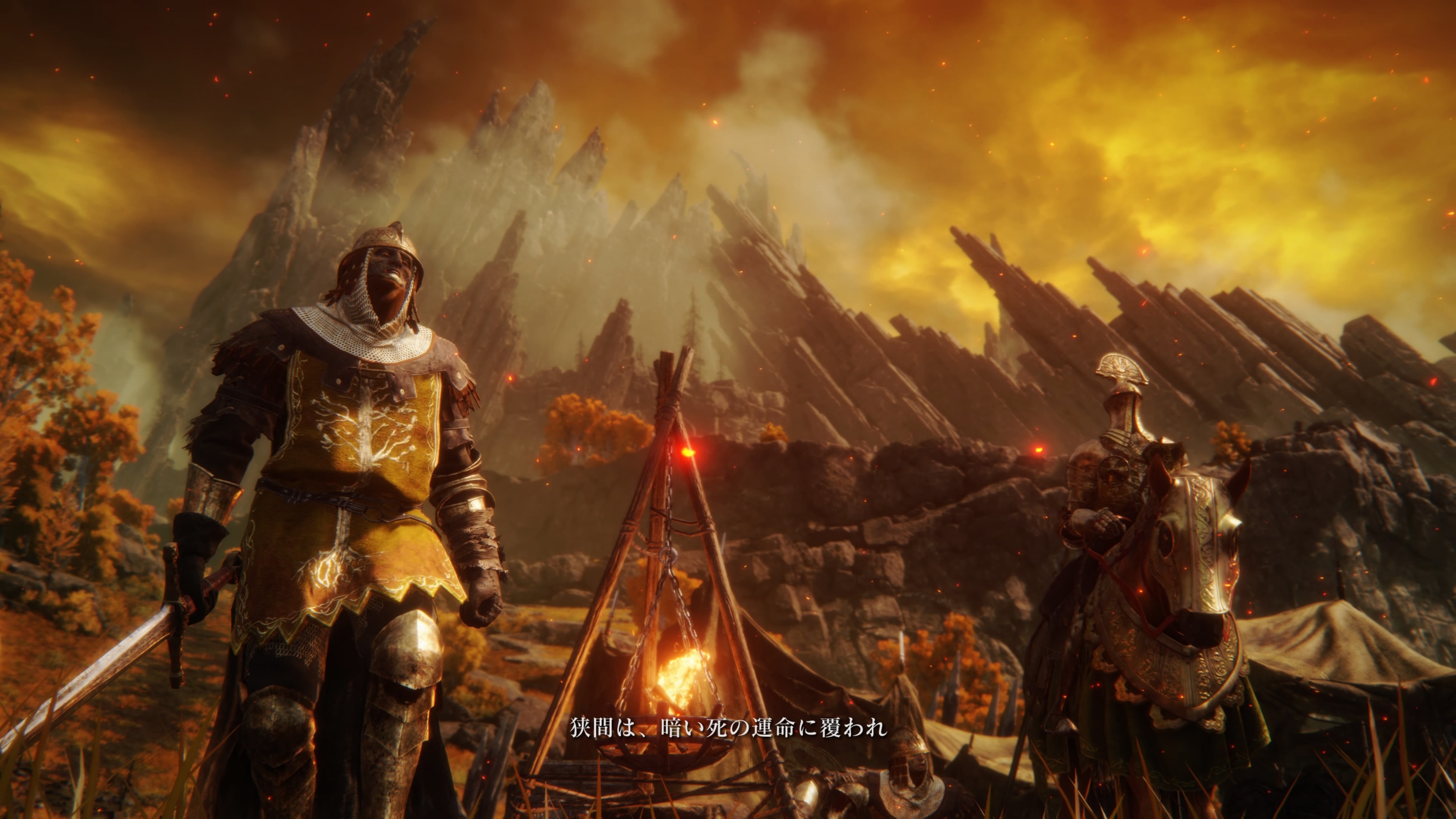
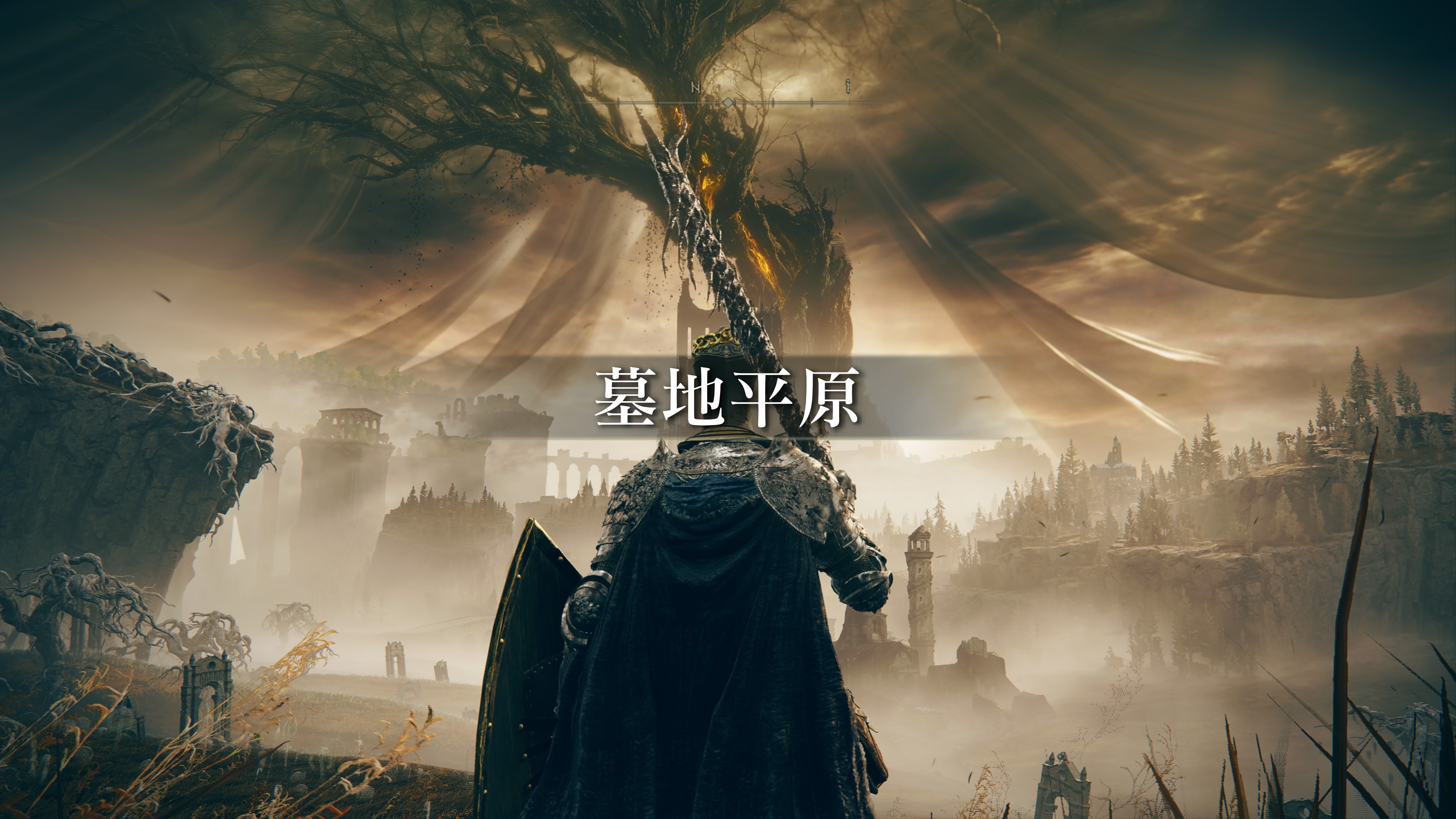
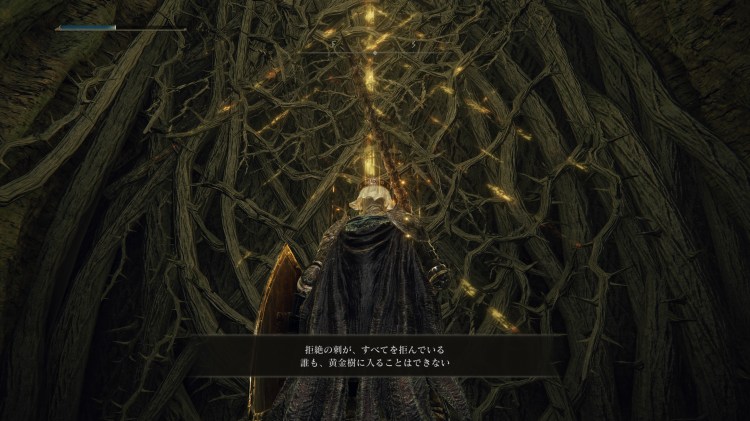
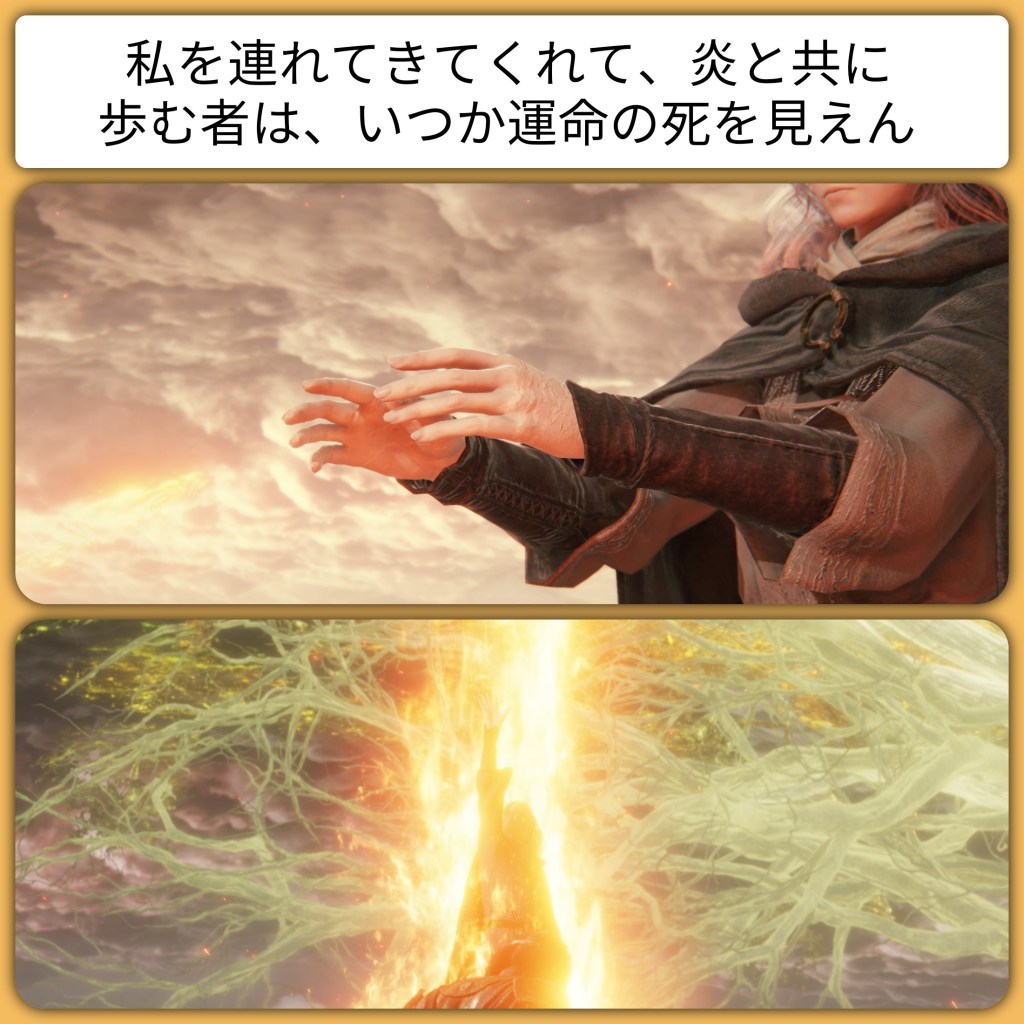
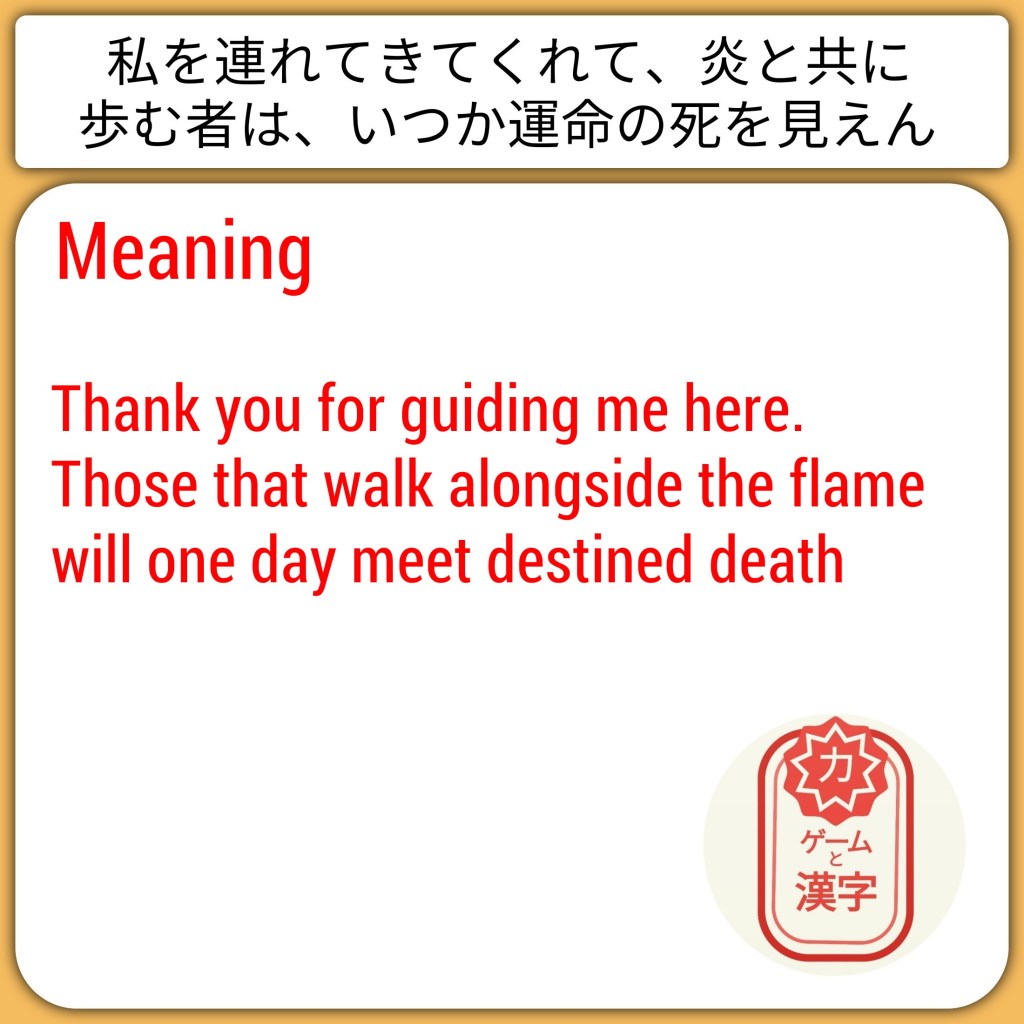
From the moment you turn on the game you are met with a broad chorus of ominous chants and then thrown headlong into a mystical foretelling of the basics (If it can be referred to as such) of Elden Ring’s beautifully written story. All cutscenes and dialogue feature Japanese subtitles, meaning you have an opportunity to read new words as they appear, however the cutscenes and vast majority of the dialogue isn’t replayable. The odd exception is when you’ve exhausted an NPC’s dialogue, you can repeatedly and annoyingly spam the interact button to force them to regurgitate the same final few sentences.
One sad thing that occurs in all From Soft games (Except Sekiro) is that the voice acting in cutscenes and NPC dialogue is exclusively in English, so any difficult kanji in the subtitles can’t be verified with the audio unfortunately. There are still advantages to this, in that the English audio can provide the meaning with some of the more difficult vocabulary, but the reading will have to be looked up afterwards, if you can remember the words in the fleeting time they appear…
The user interface in From Software games is always reasonably complex. You’ll have a large selection of stats, resistances, physical attributes and more to navigate and will spend much of your time honing them to perfection, so you’ll be reading them for hundreds of hours. The vocabulary within these screens is also more typical of “Game lingo”, things like health, stamina, faith etc. so is definitely worth committing to memory if you haven’t already. While online guides can be used to better understand these stats, From Soft have actually gone one further and provide a functionality that explains it all for you. Simply by pressing the help button shown at the bottom of the screen you can hover over each individual stat and get a brief description of each, helping improve your knowledge on how they work and any related vocabulary.
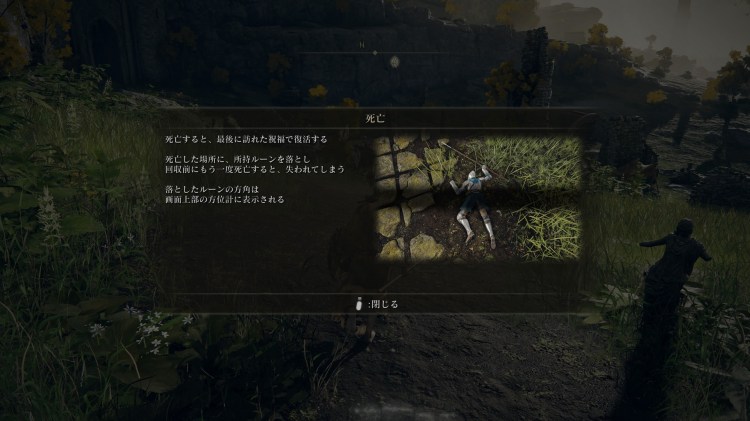
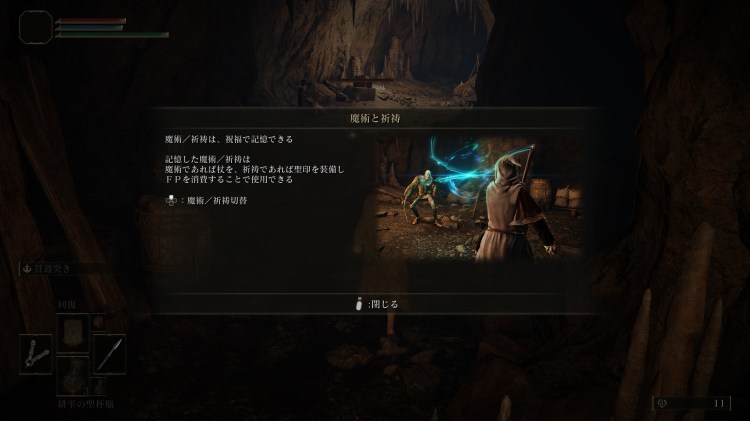
More so than older generations in the series, you also have tutorials that show up regularly during the early stages of the game and various hints and notes that can be purchased from merchants. These can be revisited at any time and are tangible instructions that you can read, verify in game and get real time validation that you’ve understood the content. It’s rewarding to be able to find new ways to beat bosses and tricky enemies, but even more so to have learnt how to do so in your target language. Obviously the good old messaging system that we’ve come to love from Dark souls and Bloodborne still exists too, so you’ll have no shortage of not so useful Japanese “treats” referring to fake illusionary walls.
For those of you who have been familiar with the From Software games for some time I will not need to introduce the uniquely vague but brilliant way in which these games feed you lore. For those that haven’t seen, the story made purposefully obscure. You can progress through the entire story and find that only the rare dialogues and cutscenes offer any semblance of insight into the world around you. It doesn’t help that these are are also spoken in old-timey prose and are convoluted beyond all measure, so you’ll be forgiven for not knowing what’s going on or why you have to kill this big rotten guy on a horse from time to time. The item descriptions are the key to this issue.
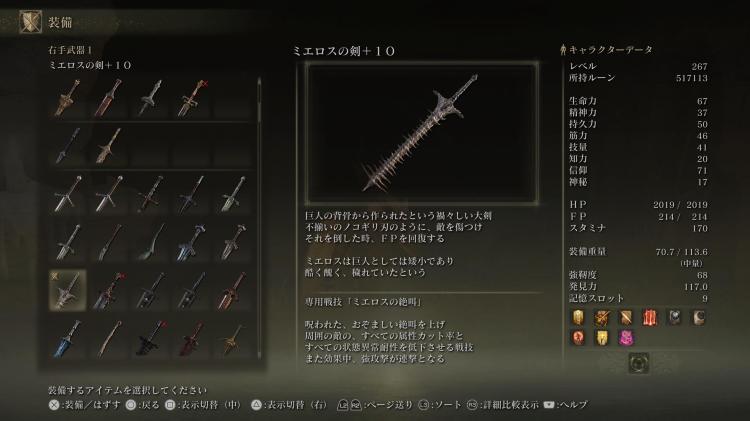
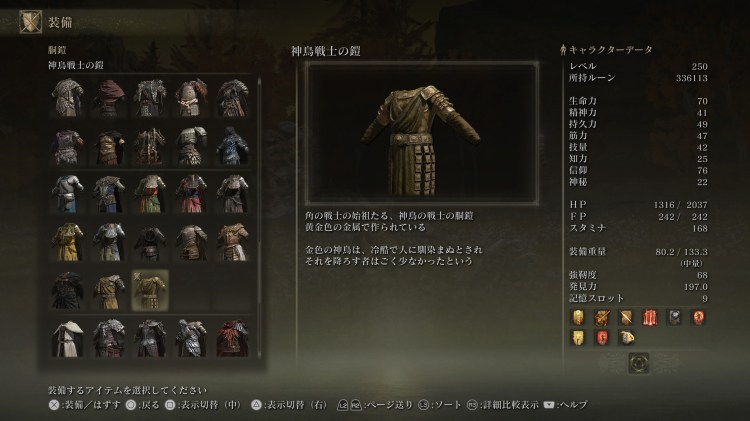
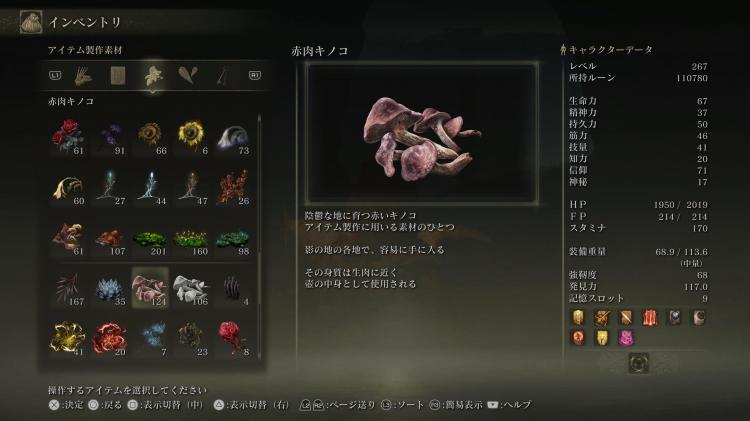
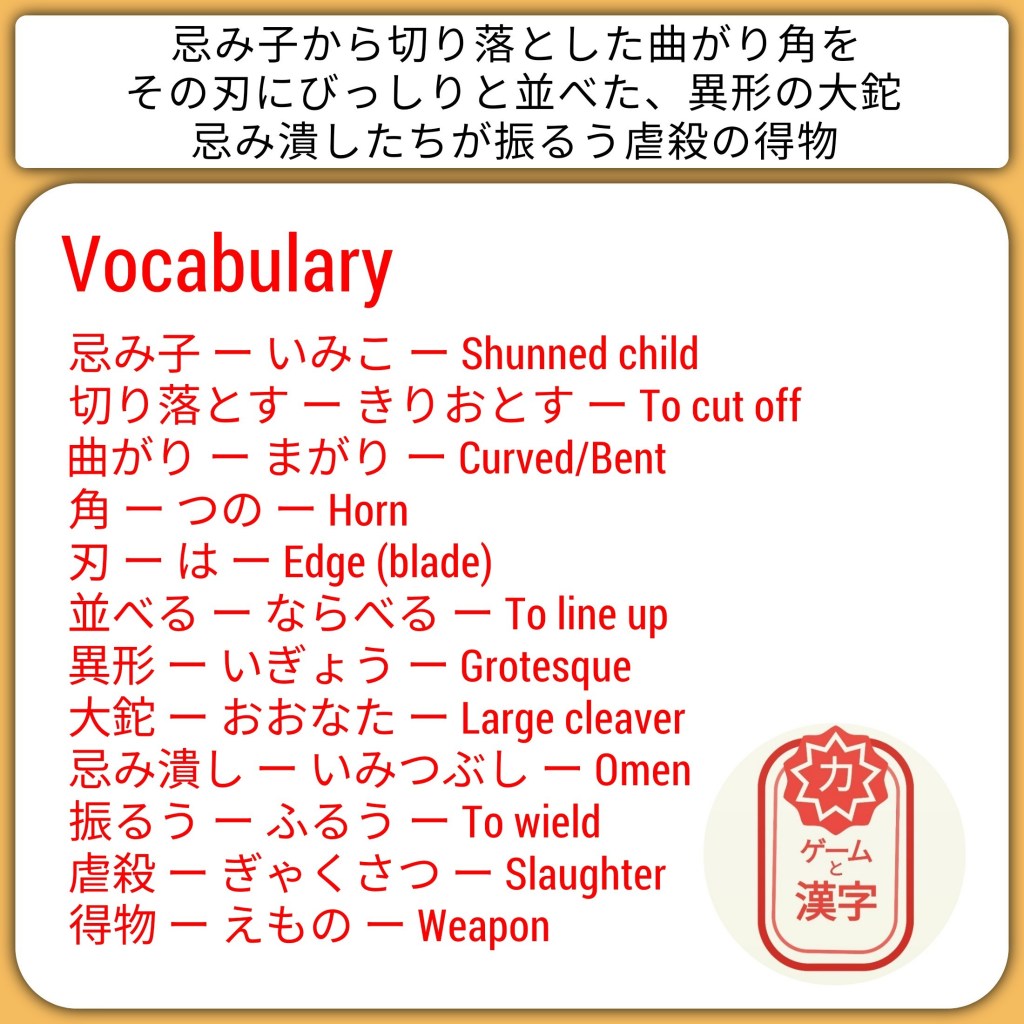
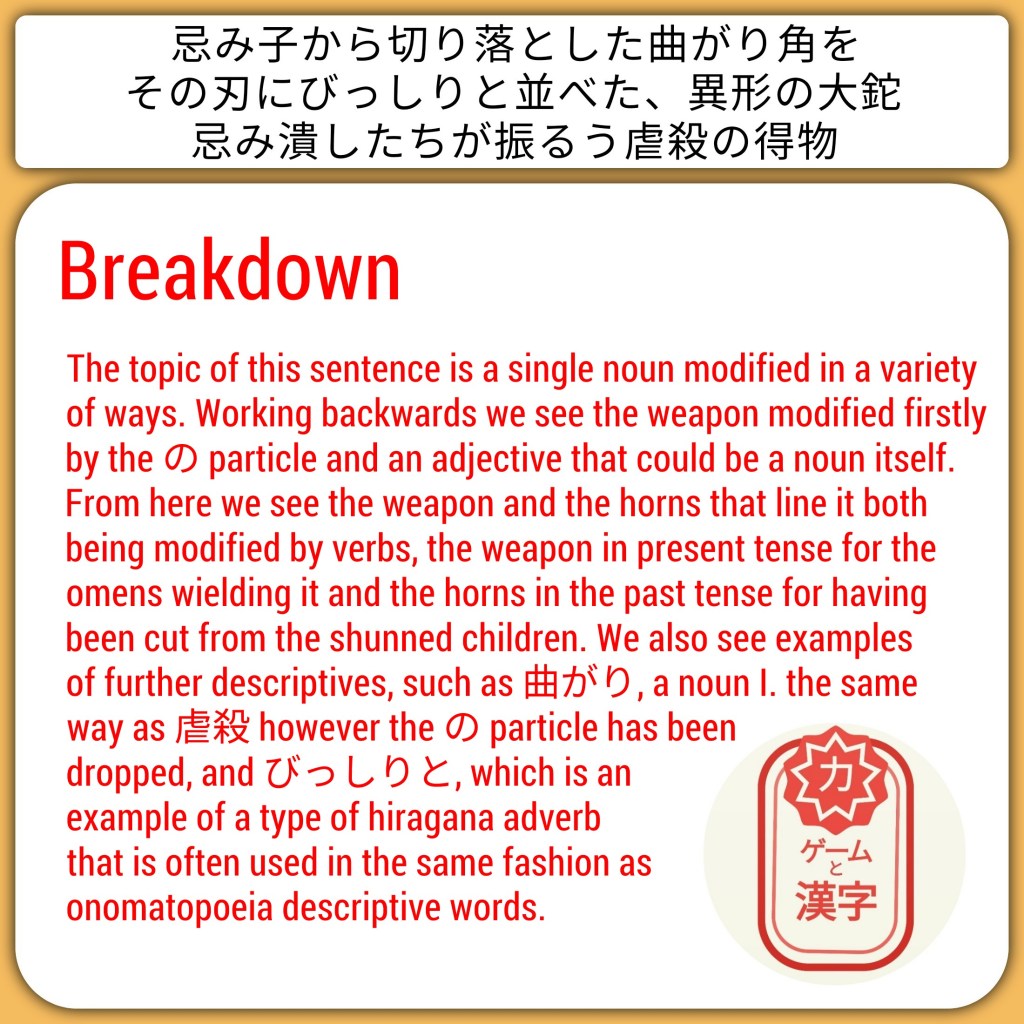
These item descriptions have been seen as a source of tedium to some players since their inception. If someone is either uninterested in the story or they don’t see benefit in trawling through the literal hours worth of written content, then this won’t be for them. For us though, this is a way to acquire more knowledge of this unbelievably well designed world and be rewarded with new vocabulary for our curiosity. You’ll find that you want to unlock more weapons and items not just to understand each region, but also to become a more proficient reader.
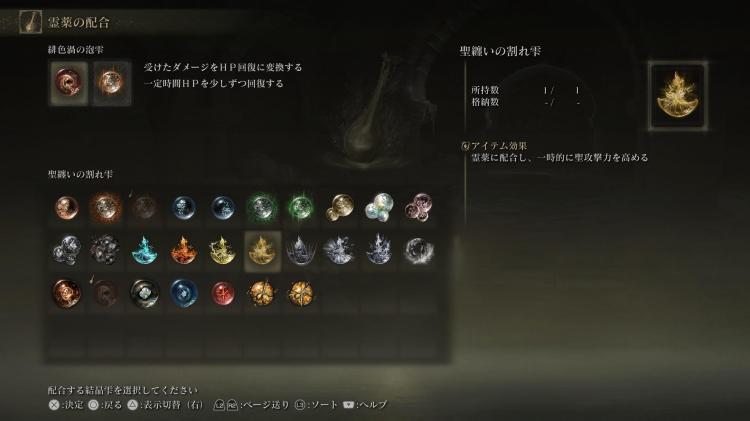
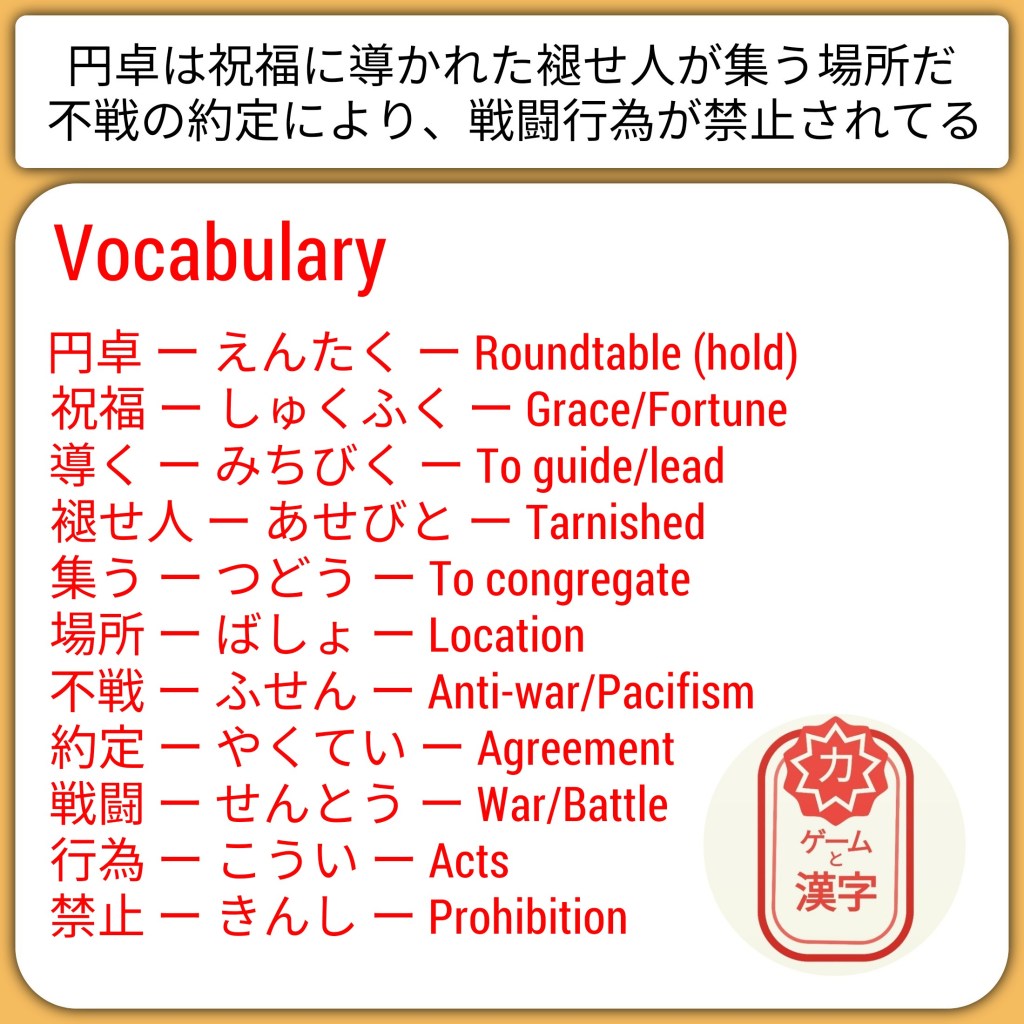
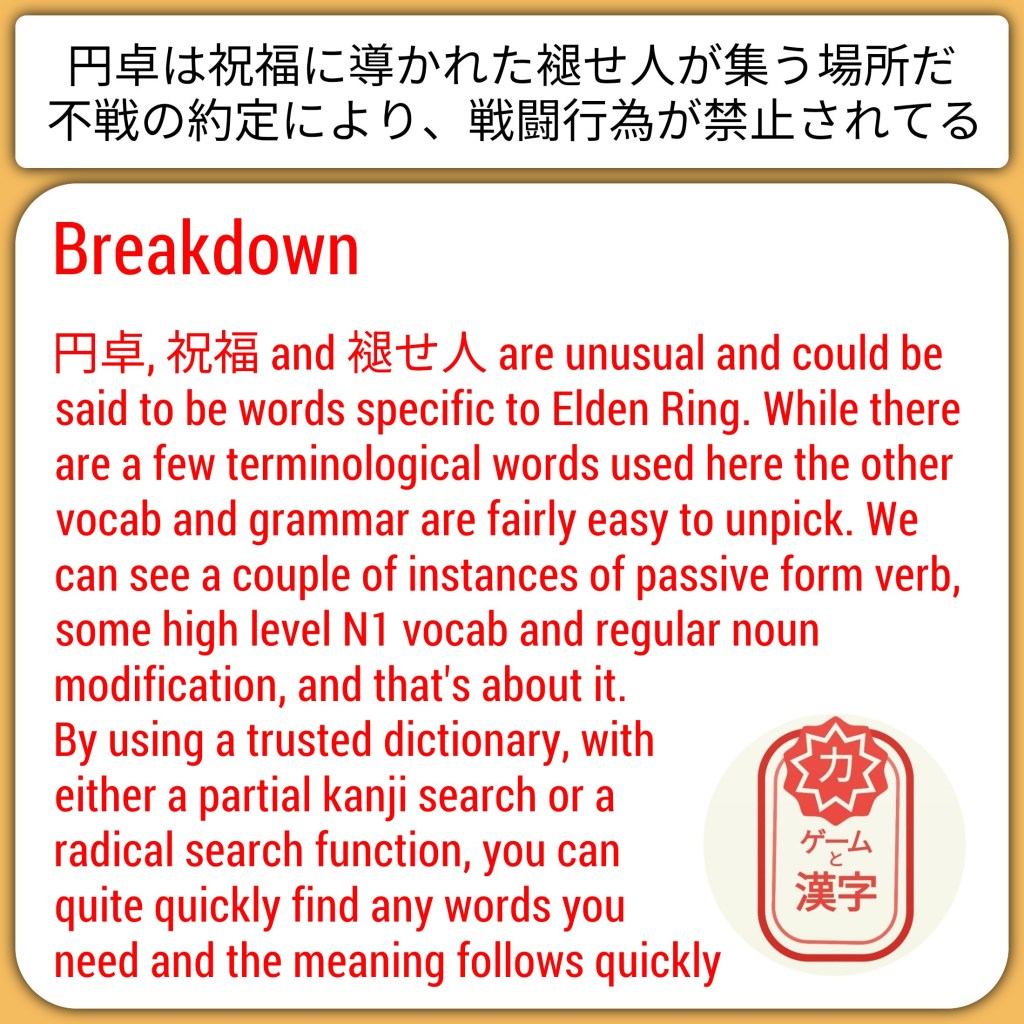
As already stated, the displays for these countless items is obviously pristine. It is very difficult to compete with quite how many things there are to read in Elden Ring and i think the nearest competitor I have seen to date is my beloved Subnautica or maybe Outer Wilds. The text in this game is not definitely not for beginners. Due to the nature of the historical wartime setting and fantastical creatures and abilities, there will be kanji here that you’ve never seen before and may never see again. A very high proportion of kanji used isn’t included in JLPT and far exceeds N1. There will be unfamiliar grammar and colloquialisms to match the variety of dialogues and accents in the English audio and the sentence structures are heavy and long.
Even if you are exceptional at reading Japanese this will be a challenge, but it will be fun. Each type of item comes with terminologies, textures, materials and more, and there is a near endless variety in terms of categories and utilities. This means you can find a large selection of similar items with shared wording, which aids revision revise, or mix it up if you want to try something new. The dark nature of Miyazaki’s world also opens itself up to more poetic terminology for the nature and styling of items. You’re less likely to find simple stones and more likely to find glistening lichens, or smouldering butterflies. The entire world is intrinsically more imaginative and therefore use more diverse words, expanding your vocabulary even further.
It goes without saying that I think this game is wonderful when it comes to learning. The problem that we face is that I heavily believe it’s perfect to me and other Souls-like enjoyers, so may not be best suited for everyone. It’s also highly dependant on your own willpower and desire to sit and read through the content. Elden ring is the sort of game where you can brute force your way through the enemies and the UI. You can pick up a weapon, approximate the stats needed and just plow through the story if you want, but for the game to be played how it really should be played, you need to enjoy the language. The good thing is that the vastness of Elden Ring allows for a variety of playstyles and learning methods, so in theory, you should be able to find a way that suits you. Mine was faith/strength build and a lot of collecting moss, how about yours?
Challenges and methods
The stats maketh man
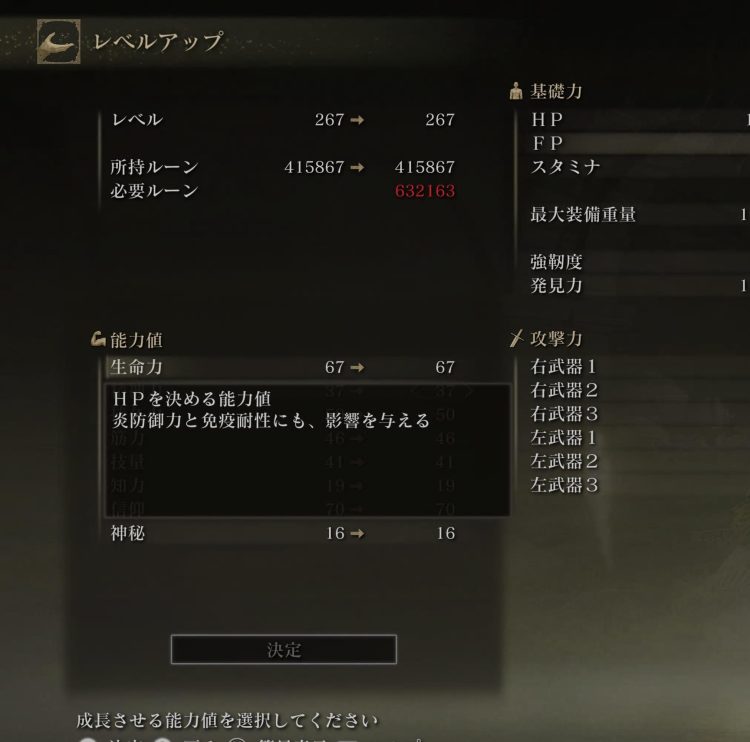
As mentioned, Elden Ring will provide more than enough detail on the stats that make your character and build exactly what you want it to be. This language is versatile and you’ll be seeing it for the next 1-200 hours so buckle in and commit it to memory. It’s not just useful for elden Ring and many of the descriptive words used in the “help” dialogue also appear in things such as the weapon and armour descriptions.
No end to item types
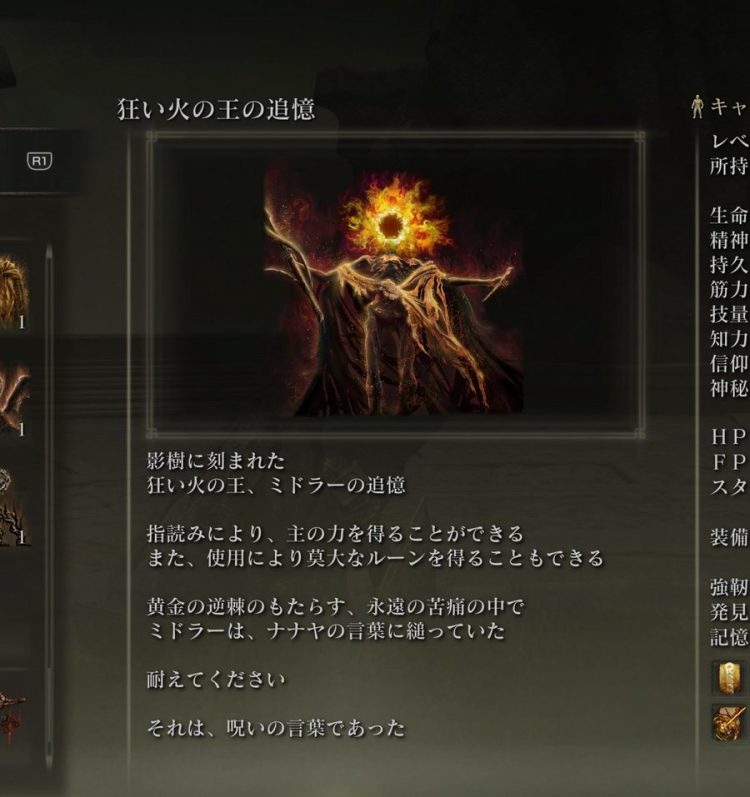
The item variety in Elden ring is enough to keep you going for weeks. You can review simple crafting items, key consumables, physick tears, summons, remembrances, weapons, armour… You get the idea. Sometimes it’s simpler to pick a category of items and find a milestone that triggers you reading one of those entries. For me, when I was killing all 207 bosses I would read a consumable item description in full after every battle, refreshing ones I’d previously read for revision.
Previous Posts
Additional images