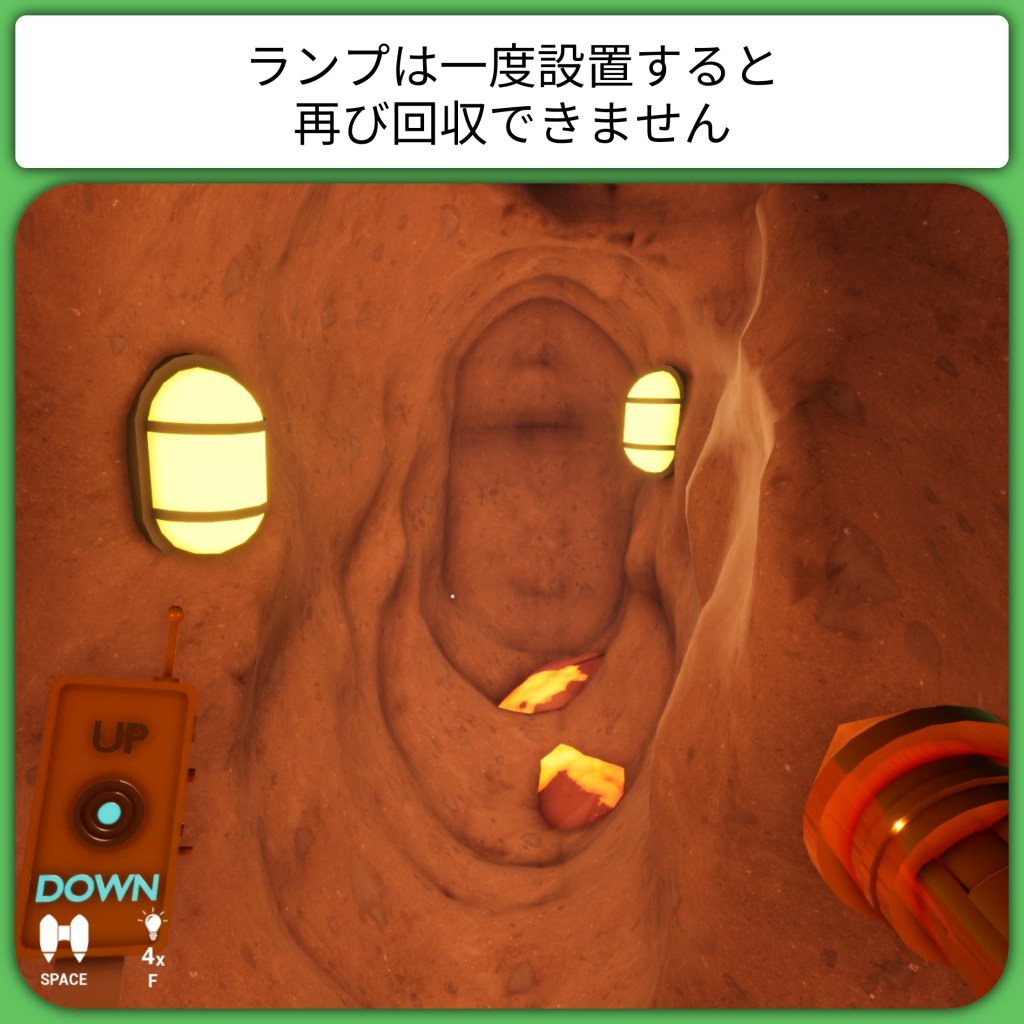
Now, hear me out. I am fully aware that this game is intended to be a bit of a gag. Hell, even the name settles for unimaginative and simplistic explanation of what we are actually doing here. It seems in recent years there have been an increase in games akin to the brain-tickling experience that is Pressure Wash Simulator (Perhaps a review to come in future), which could be argued aren’t intellectual in many ways but I had a surprisingly fun time with this title and found a lot of efficacy and catharsis. Of course this means that I definitely considered it worthy to do a review. Can I convince you guys that it’s worthy too? I could possibly tie it in to a strong metaphor for how “learning a language is just like digging hundreds of metres with a small shovel. Slow and steady”, and while it’s true I think that may just me trying to justify all that time I spent digging rather than studying…
Platform and Languages
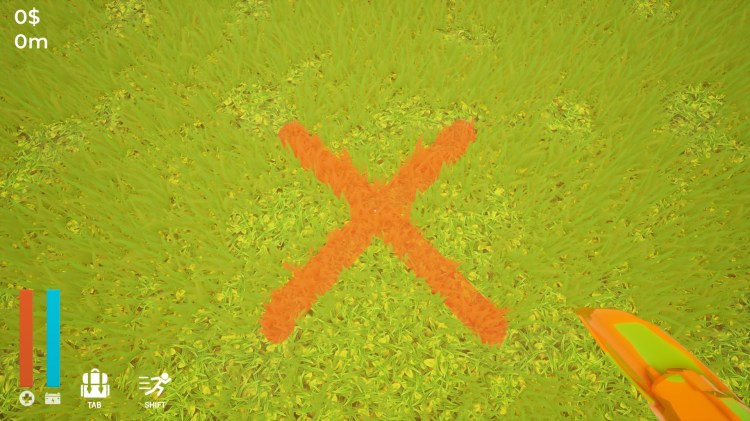
A game about digging a hole can be played on PC, Xbox and Android devices, which was a little surprising actually considering how vast the Playstation store typically is. The game is super cheap, around £5 ($6.60) at full price and very often on sale. Setting the language options also couldn’t be easier. Simply switch it from the settings menu, either on the main menu or whilst in game, and the language changes immediately, meaning you can switch back and forth to verify words if you need to. There’s a selection of 11 languages to choose from including Japanese, Chinese and all of the most popular European languages.
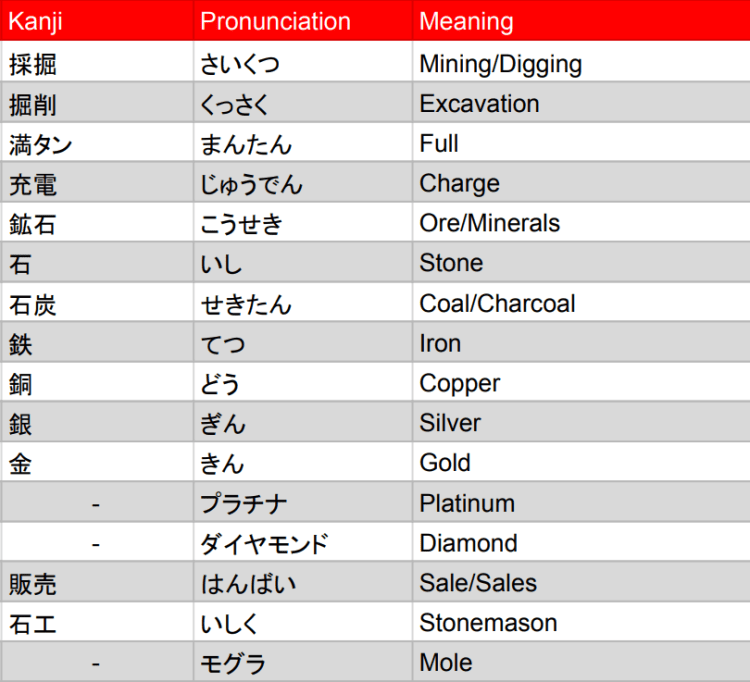
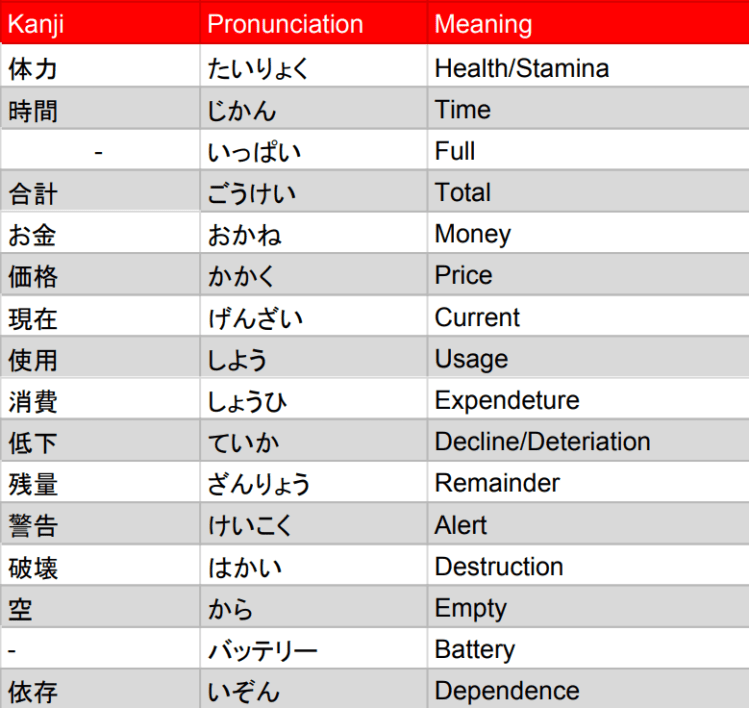
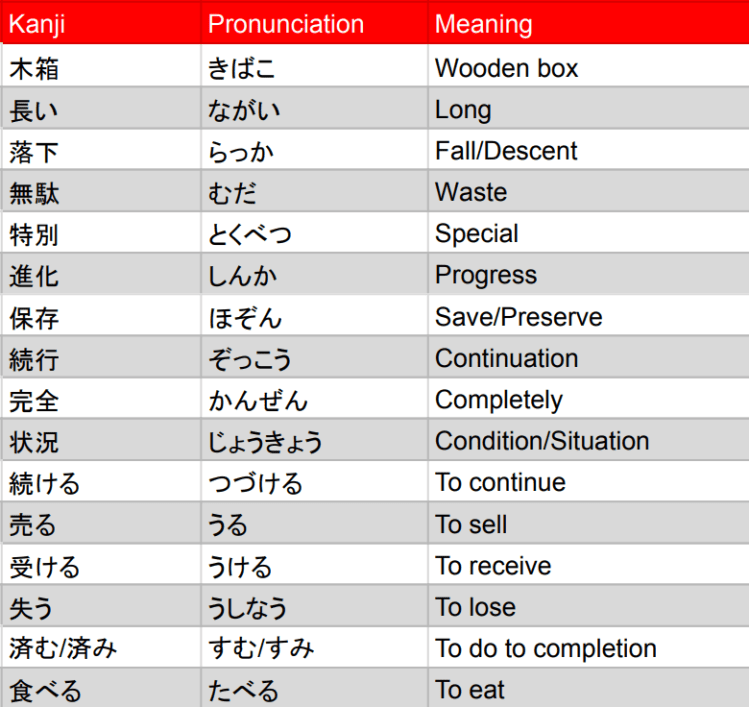
Glossary
Usability
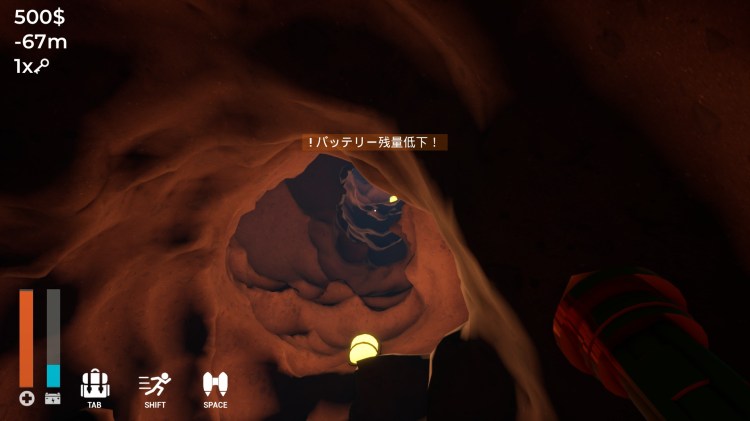
You know what, I will double down on the aforementioned metaphor. A game about digging a hole falls into the category of games that are quick to complete and simplistic in nature but offer an unusual brain tickling satisfaction that’s hard to describe. Every small step of progress fuels a curiosity and desire to push forward. Not only that but the game can be finished in a few different ways to add variety. And so a premise with very few moving parts can be made into something that has you playing again and again. This is how you take a game that can be finished in 30 minutes and wrack up 11 hours of play time…
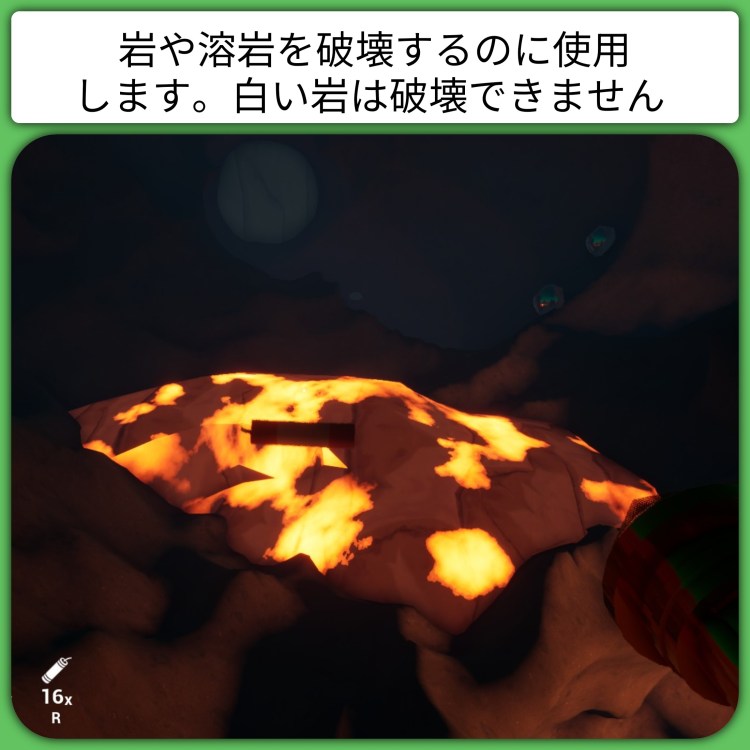
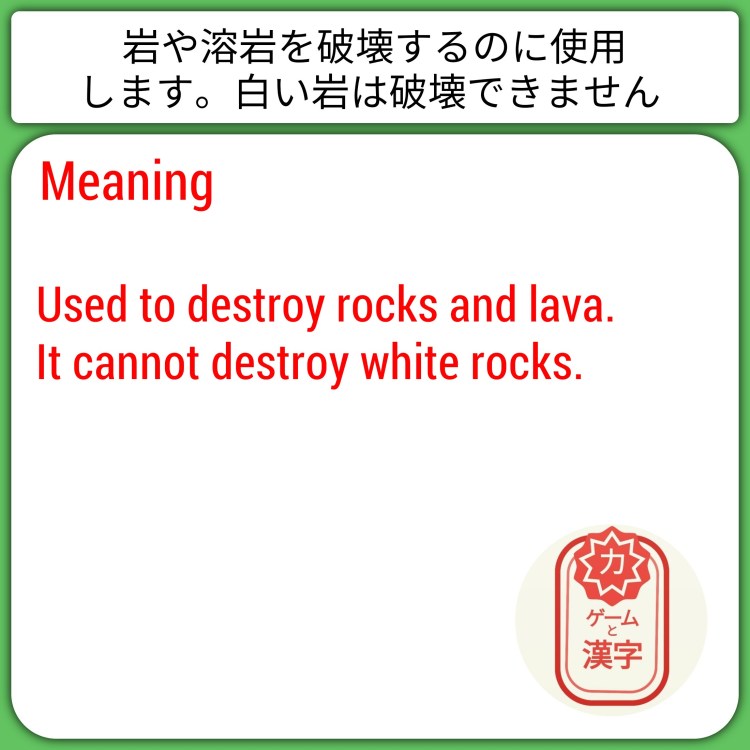
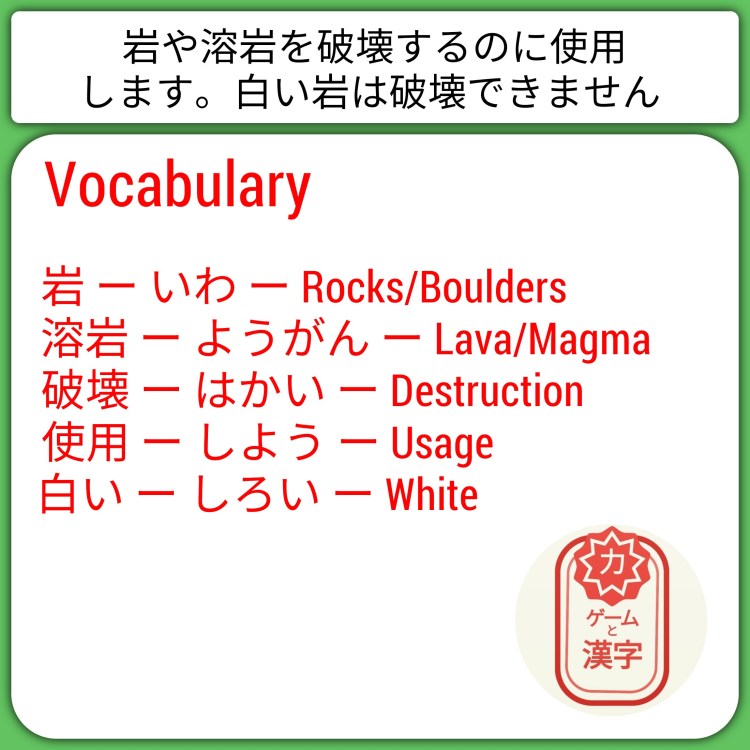
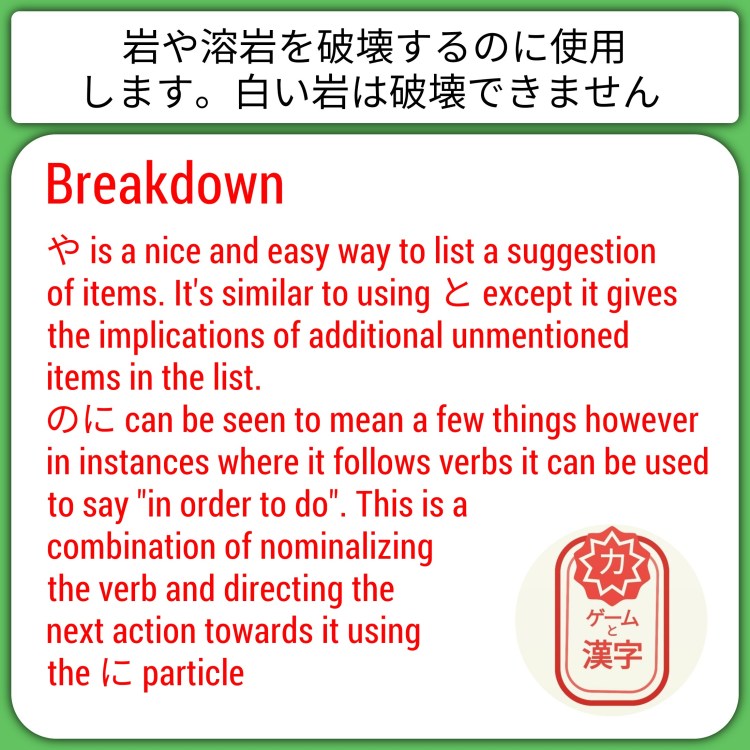
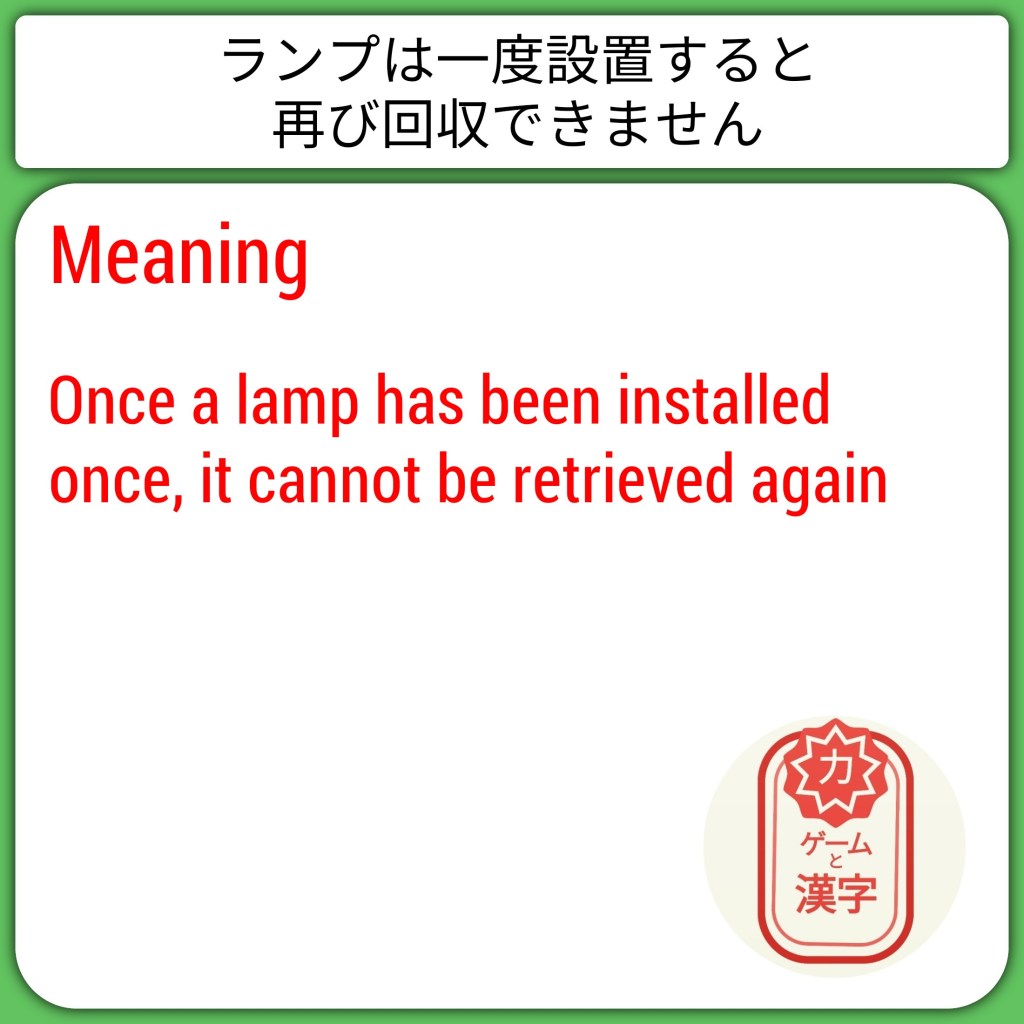
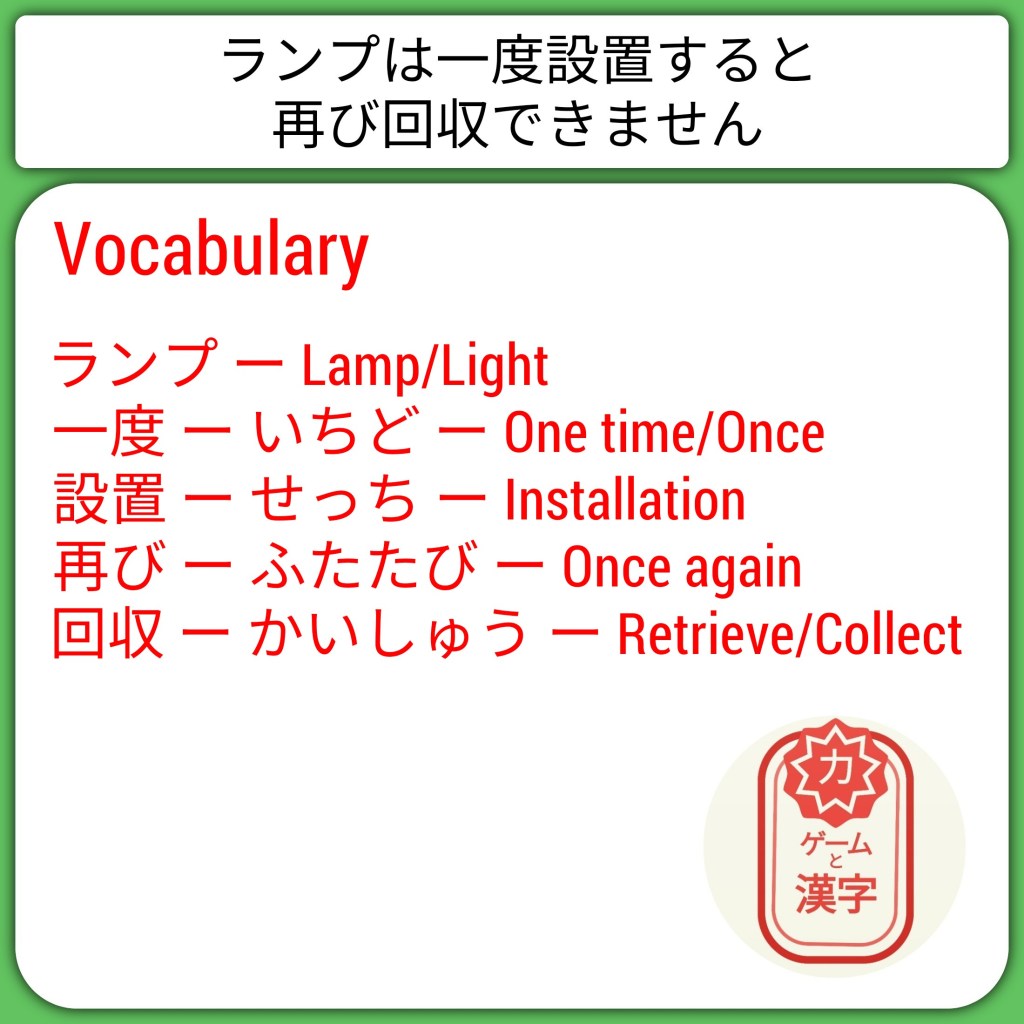
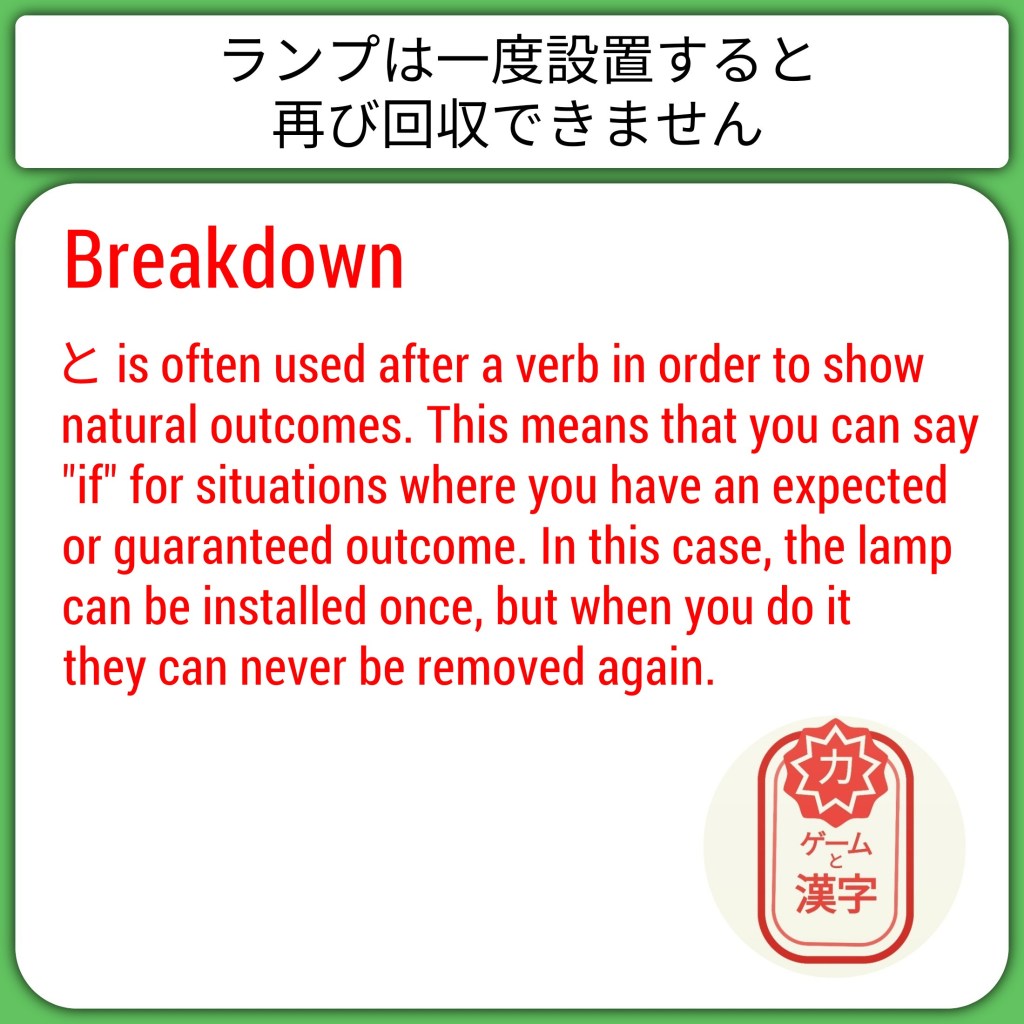
The language in Agadah (I’m not typing it every time!) is very concise. Each item or instruction is explained with very short and to the point phrases. It’s very rare that you’ll find sentences over 2 or 3 lines long, and the vast majority of text will be just 1-3 words. While the vocabulary isn’t difficult it does have value in many other games. Most RPGs and adventure games nowadays feature ore, mining or metal materials in one way or another. From crafting armours to selling gold to merchants, you’ll find value (Ha, pun…) in many of the things you find. The total number of unique words used in Agadah is also unsurprisingly small, which is good because it allows you to learn every word in the game, but the frequency at which they are repeated also allows you to revise and strengthen your recognition. You’ll probably see the combination of ore’s kanji and katakana words over 500 times before you reach the depths of your garden.
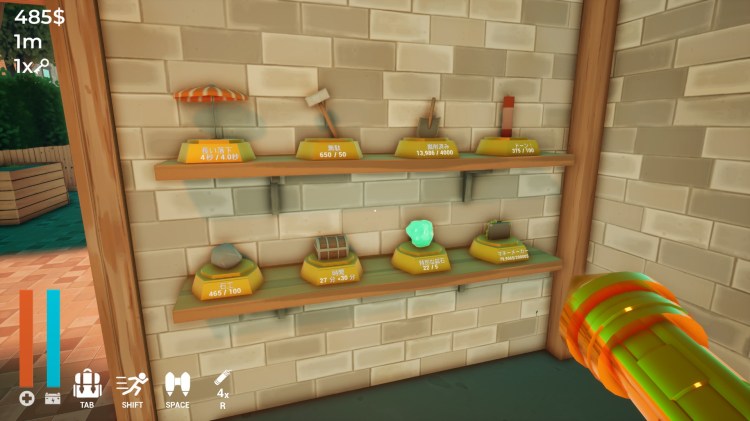
Most of the language in the game is available from the start. The UI for the store and the upgrades is already complete at the start of the game so you are free to read up about lamps and dynamite from the get go. The only text that is “unlocked”, so to speak, is the randomly buried suitcases and chests in the hole itself. Even the achievement trophy stands have the text ready for you, which is handy as it acts as a guide for what you need to do to unlock them. these are also the most, imaginative or story-esque bits of writing, however brief, so allows for some humour and validation once you won them.
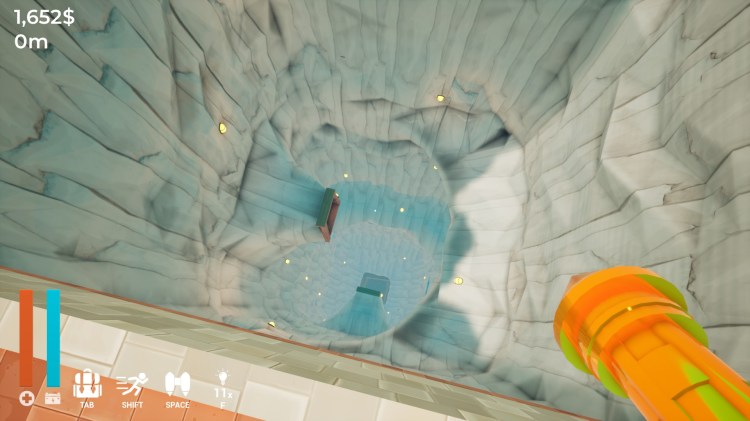
And finally for the 2 most important parts. Number 1: yes I did dig out the entire garden. I was having too much fun and found a lot of benefit in channelling my inner digger, because Number 2: I coupled the format of this game with Japanese podcasts to improve my listening focus and comprehension. I was really unsure about listing this as a positive against this game specifically however the proof is in the pudding. Agadah isn’t directly responsible for supplier me with heaps of listening practice but the almost mindlessness of the game kept my eyes and hands busy so that my ears could tune in and practice. I had the motivating power of reaching a full completion run keeping me coming back and spent almost the entire time playing with great, immersive, audio content.
This can arguably be done with many other games, especially those within this genre, but I feel like it’s notable as you likely couldn’t achieve the same results with something more narrative or text heavy. Agadah has opened up a collection of games that I was fully aware of but has hesitated to review, and now all I want to do is play more, complete more games, become a listening master and find more things to dig!
Challenges and Methods
Could you guess?

No points for guessing the first method here. Find a podcast that you love, listen well and start digging. The longer the better. I watched quite a few of the Japanese Super Immersion videos so highly recommend those! https://www.youtube.com/@JSI55
Learn all vocab
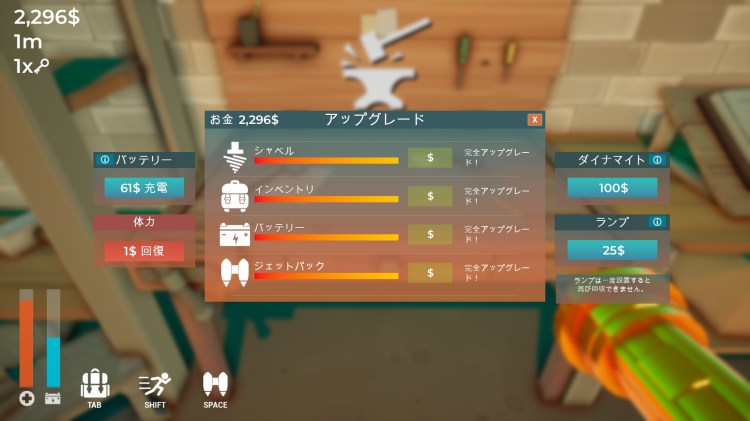
As stated, there is a very finite number of words in Agadah. It’s worth your time to commit them all to memory to add to that completionist feeling. This whole game and the japanese language in it can be fully absorbed and enjoyed in under 10 hours!
Previous Posts